
What are Cowichan Valley candidates saying about homelessness and social supports?
Cowichan candidates answer reader questions about homelessness and social supports in the lead-up to B.C. election.
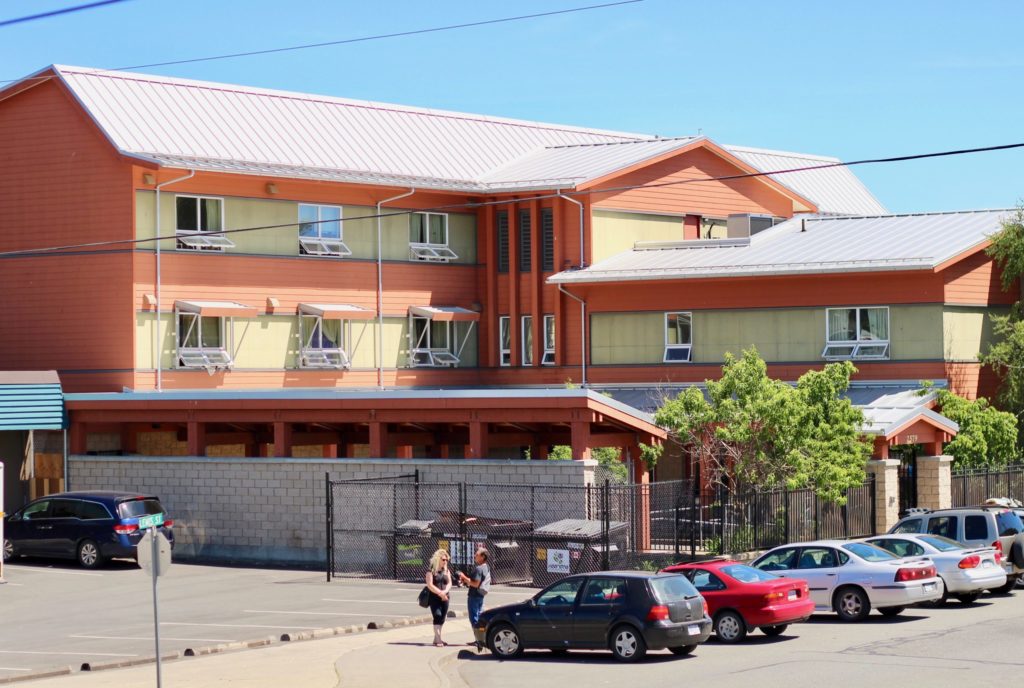
To ensure Cowichan Valley residents have a voice in the provincial election conversation, The Discourse surveyed readers to identify their top questions and concerns for Cowichan B.C. election candidates in the lead-up to the Oct. 19 election.
Housing was the most important issue selected by survey respondents at 70 per cent. The third and fourth most important issues were health care and homelessness/social supports at 63 per cent.
Most respondents pointed to the intertwined toxic drug, mental health and housing crises, asking questions about how much-needed social programs will be implemented, candidates’ stances on involuntary care and what solutions to these crises could look like.
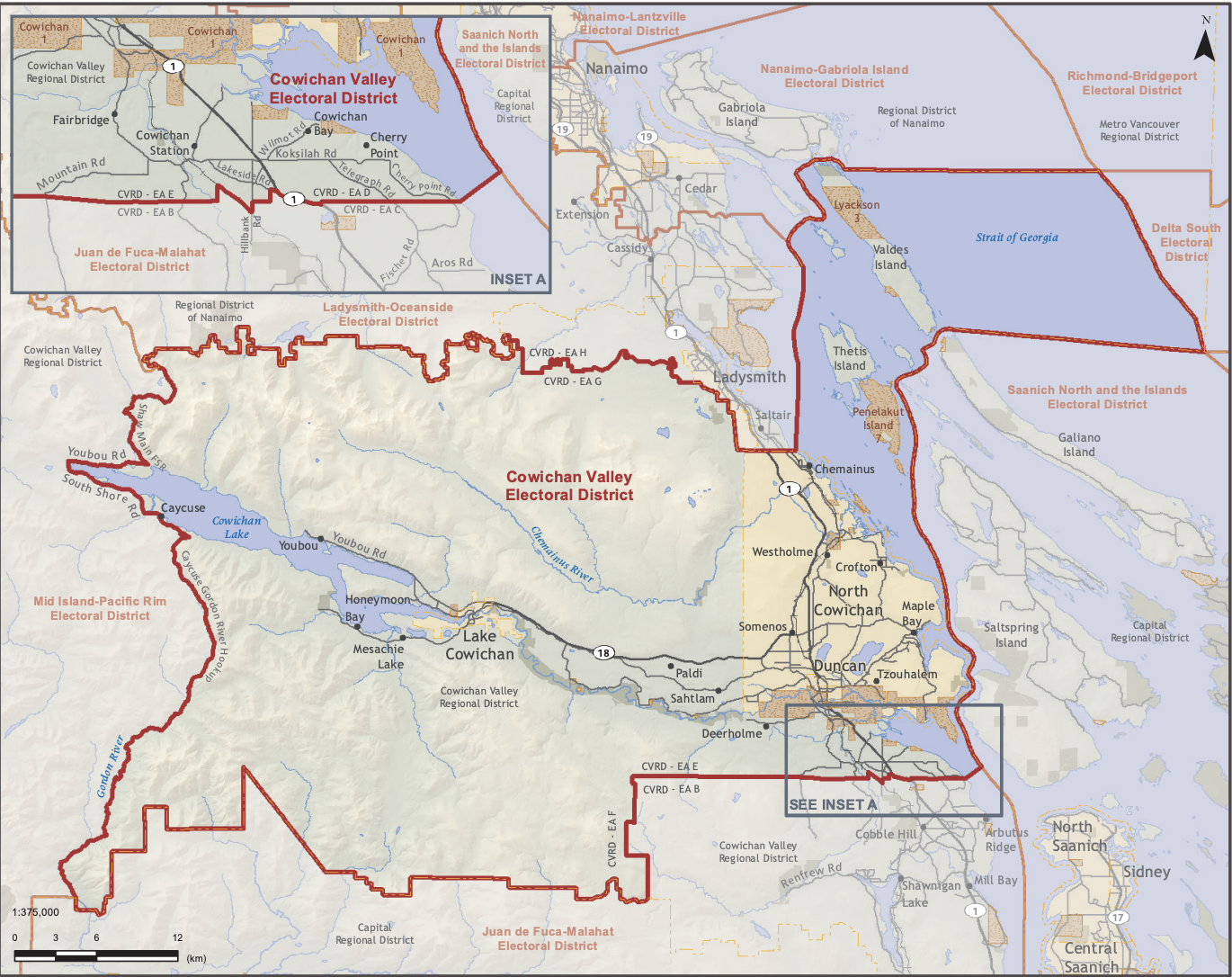
The Discourse took the most asked questions on the survey and reached out to all of the candidates for the Cowichan Valley, Juan de Fuca-Malahat and Ladysmith-Oceanside ridings.
As of Oct. 17, three candidates did not respond. Some of the answers from candidates are nearly identical, that is how they were submitted and is not an error. We will update the story if responses are provided. To request that additional information be included, send us an email.
These responses have been lightly edited for length and clarity.
Given there are no easy or straightforward answers to our problems today, what is your approach to the interconnected mental health, toxic drug and housing crises in the Cowichan Valley?
Cowichan Valley candidate answers:
Jonathan Coleman (unaffiliated, former BC United), Cowichan Valley: No response
Eden Haythornthwaite (Independent), Cowichan Valley: We have a poverty crisis and poverty and homelessness is creating much of the addiction and mental health issues that are devastating so many families. While it is not always true — many people having lost their last hold on privacy and even minimal comfort of a roof over their heads are becoming addicts — if I had to sleep rough, deal with violence and squalor daily and worry about eating and warmth I would be an addict too. Homelessness and poverty can be eliminated with strong government action and with resources from taxing the wealthy, ending corporate subsidies and closing tax loopholes. It is just a matter of political will.
Cammy Lockwood, (BC Green Party), Cowichan Valley: We need to take the politics out of the toxic drug crisis. Drug use is a health and social issue — not a criminal one. Our approach integrates housing-first models, expanded mental health services, and harm reduction strategies. We must respond to this crisis effectively by implementing a regulated drug supply and comprehensive harm reduction services. Additionally, investing in evidence-based treatment, prevention and education is crucial to making meaningful progress and improving outcomes for those affected.
Debra Toporowski, (BC NDP), Cowichan Valley: The rise in toxic drug deaths across Canada is tragic, and David Eby and the BC NDP are acting on all fronts to fight this crisis and get people treatment. Our plan addresses mental health, addiction and homelessness. We opened more than 650 treatment beds across B.C. And we’re developing secure care tools to help stabilize people in rare cases where they have a brain injury from repeated use. There’s more to do, and we’ll keep taking action to make sure people have the housing and treatment they need.
Juan de Fuca-Malahat candidate answers:
David Evans, (BC Green Party), Juan de Fuca-Malahat: Getting to this point did not happen overnight. We are in an age of insecurity and so many of us are carrying overwhelming weights that it is sometimes surprising that these problems are not bigger. We will not arrest our way out of this crisis. We need to solve the underlying issue of why people are self medicating with street drugs in a time where drug addiction could be a death sentence. People need their basic needs met before we can address the underlying problems of this very vulnerable group of our neighbours. Safe supply of drugs to keep people alive because you can’t detox someone who is dead. Housing to keep people safe and secure. Supportive care to help people stabilize and recover, to pick up the people who have fallen through our safety net.
Dana Lajeunesse, (BC NDP), Juan de Fuca-Malahat: The rise in toxic drug deaths across Canada is tragic, and David Eby and the BC NDP are taking action on all fronts to fight this crisis and get people treatment. Our plan addresses mental health, addiction and homelessness. We opened more than 650 treatment beds across B.C. and we’re developing secure care tools to help stabilize people in rare cases where they have a brain injury from repeated use. There’s more to do, and we’ll keep taking action to make sure people have the housing and treatment they need.
Marina Sapozhnikov, (Conservative Party of BC), Juan de Fuca-Malahat: No response.
Ladysmith-Oceanside candidate answers:
Brett Fee, (Conservative Party of BC), Ladysmith-Oceanside: The mental health, housing and toxic drug crises are interconnected challenges. To address these, we need a compassionate, community-based approach that brings together health services, law enforcement and social supports. Expanding access to mental health care, addiction services and transitional housing are critical steps.
Laura Ferreira, (BC Green Party), Ladysmith-Oceanside: We need communities with safe housing, regulated drug supply and harm reduction services. Politics and division are making these issues worse. Drug use is a health and social issue and not one to be criminalized or punished. We need a regulated drug supply that takes poisoned drugs off the street. We have a lack of available voluntary, evidence-based care, and a provincial lack of mental health care professionals. Everyone in our community is deserving of compassion and care.
Stephanie Higginson, (BC NDP), Ladysmith-Oceanside: The rise in toxic drug deaths across Canada is tragic, and David Eby and the BC NDP are taking action on all fronts to fight this crisis and get people treatment. Our plan addresses mental health, addiction, and homelessness. We opened more than 650 treatment beds across B.C. And we’re developing secure care tools to help stabilize people in rare cases where they have a brain injury from repeated use. There’s more to do, and we’ll keep taking action to make sure people have the housing and treatment they need.
Adam Walker, (Independent), Ladysmith-Oceanside: We’ve seen rising numbers of unhoused people in Ladysmith, Parksville and across B.C., driven by high living costs, loss of affordable rentals and a lack of mental health and primary care supports. The closure of mental health facilities over the years has only worsened the situation, leaving many to self-medicate. We need to invest in deeply subsidized housing, partner with local governments to expand low-barrier options like tiny home communities with better wraparound supports and support RCMP, bylaw and community safety officers. We need to build more non-profit, publicly funded treatment facilities with extended care and strong after-supports.
How would you raise capital to fund social support programs and shelter spaces in the Cowichan Valley?
Cowichan Valley candidate answers:
Jonathan Coleman (unaffiliated, former BC United), Cowichan Valley: No response
Eden Haythornthwaite (Independent), Cowichan Valley: We advocate taxing the rich — closing loopholes in the tax code and ending subsidies and tax breaks for corporations. There is well over $30 billion yearly being hidden in tax shelters which could be gotten at if we end that option.
Cammy Lockwood, (BC Green Party), Cowichan Valley: As outlined in our 2024 BC Greens Platform we will redirect funds from real estate taxes on homes worth more than $3 million and corporate profits over $1 billion into affordable housing and social services.
Debra Toporowski, (BC NDP), Cowichan Valley: Shelters are a critical resource for people who need a safe indoor place to sleep at night. The BC NDP has committed to create more day spaces — providing people with a safe place to spend time and get connected to resources during the day. We’ve committed to expanding the HEARTH program, where we work with communities on new housing options. This means ensuring facilities have staff and deliver successful outcomes for residents and the whole community. But we know the real solution is long term housing. That’s why we are building housing to increase supply and provide homes people can afford.
Juan de Fuca-Malahat candidate answers:
David Evans, (BC Green Party), Juan de Fuca-Malahat: The costs of leaving people out in the cold, on the streets, is greater than inviting them into supportive housing with safe supply and other supports. Emergency room visits, first responder calls, hospital stays, police, incarceration — these are costs we are spending with the current model. The time spent by the professionals in this system is leaving the rest of the population with lower levels of their service, with nobody having their needs met and with more of us increasingly ill at ease about society.
Dana Lajeunesse, (BC NDP), Juan de Fuca-Malahat: Shelters are critical resources for people who need a safe indoor place to sleep at night. The BC NDP has committed to create more day spaces — providing people with a safe place to spend time and get connected to resources during the day. We’ve committed to expanding the HEARTH program, where we work with communities on new housing options. This means ensuring facilities have staff and deliver successful outcomes for residents and the whole community. But we know the real solution is long term housing. That’s why we are building housing to increase supply and provide homes people can afford.
Marina Sapozhnikov, (Conservative Party of BC), Juan de Fuca-Malahat: No response.
Ladysmith-Oceanside candidate answers:
Brett Fee, (Conservative Party of BC), Ladysmith-Oceanside: In terms of funding, I will work with all levels of government and explore public-private partnerships to raise capital for social support programs and shelter spaces.
Laura Ferreira, (BC Green Party), Ladysmith-Oceanside: We will introduce a windfall profit tax on corporate revenue over $1 billion and on real estate worth over $3 million. This will provide additional revenue of almost $5 billion per year that can be redistributed amongst communities.
Stephanie Higginson, (BC NDP), Ladysmith-Oceanside: Shelters are a critical resource for people who need a safe indoor place to sleep at night. The BC NDP has committed to create more day spaces — providing people with a safe place to spend time and get connected to resources during the day. We’ve committed to expanding the HEARTH program, where we work with communities on new housing options. This means ensuring facilities have staff and deliver successful outcomes for residents and the whole community. But we know the real solution is long term housing. That’s why we are building housing to increase supply and provide homes people can afford.
Adam Walker, (Independent), Ladysmith-Oceanside: Too many talk about the problem, but few focus on solutions. We need to partner with non-profits and local governments, identify needs, and go beyond point-in-time counts to measure and report on homelessness accurately. We must understand who needs help, where they are and their barriers to find real solutions. As an independent MLA, I have more resources than party MLAs to engage the public through surveys, identify land, develop proposals and work with the community to advocate for funding. It’s time to take action, not just talk, and secure the support needed for shelter spaces and social programs.
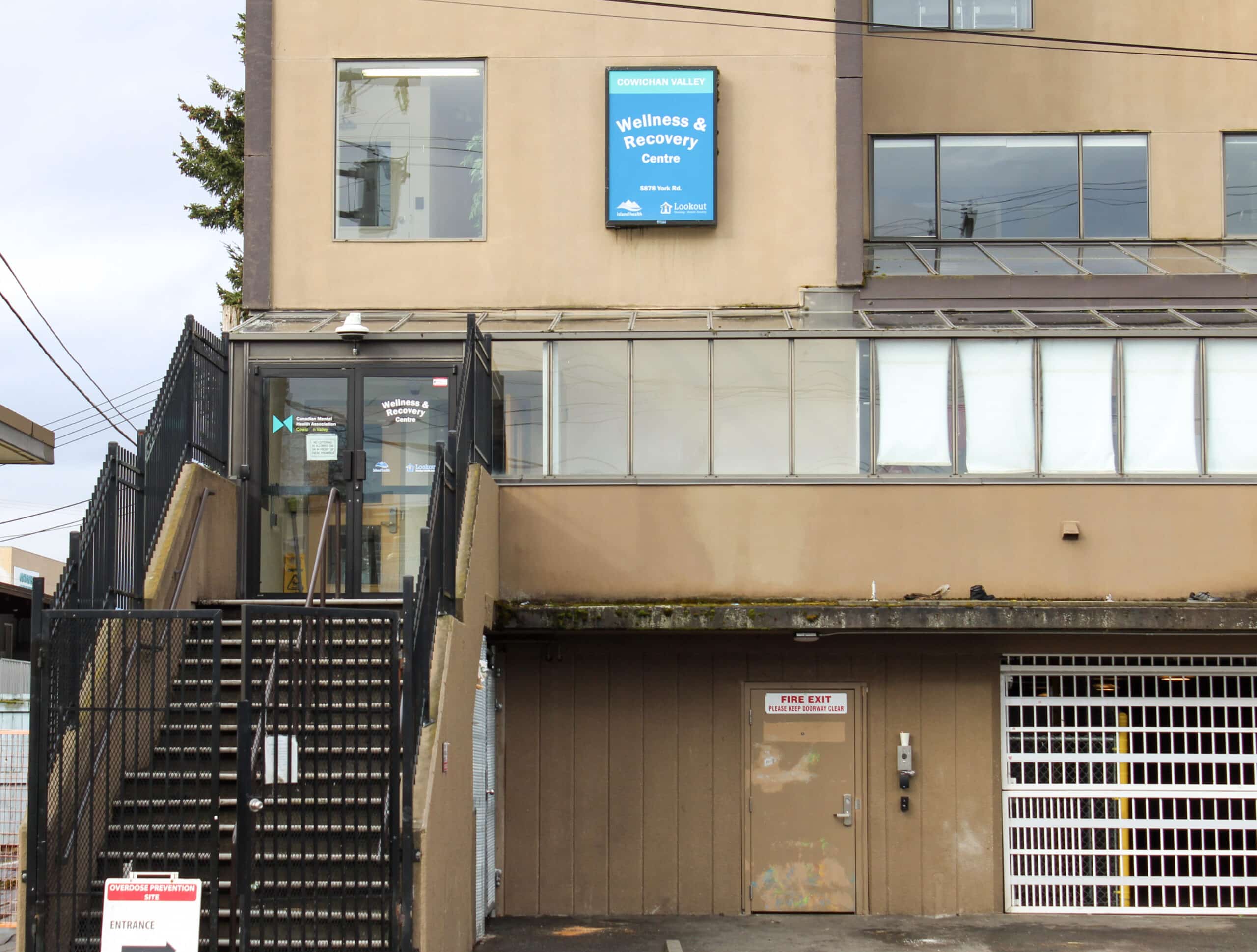
What is your position on involuntary treatment of people who struggle with addiction and mental illness?
Cowichan Valley candidate answers:
Jonathan Coleman (unaffiliated, former BC United), Cowichan Valley: No response
Eden Haythornthwaite (Independent), Cowichan Valley: I am deeply opposed to involuntary treatment — it is regarded as generally ineffective since there is no personal buy in. Obviously, this represents a sinister breach of liberty — to punish people with incarceration for having a medical illness known as addiction is barbaric. And in addition, since we do not seem to be able to accommodate those who desperately wish to be treated for addiction, it seems ridiculous to even discuss involuntary treatment. This is just pandering to the cruelest and most punitive impulses in our community.
Cammy Lockwood, (BC Green Party), Cowichan Valley: Involuntary treatment should be a last resort. We support a compassionate care model that prioritizes harm reduction, while ensuring access to mental health and addiction services.
Debra Toporowski, (BC NDP), Cowichan Valley: There are people struggling with extremely severe mental health and addictions issues, coupled with brain injuries, who are a risk to themselves and a risk to others. They need stronger interventions than we have right now. David Eby is acting — launching new, dignified, secure care to keep people who need it safe and communities safe. We’re creating new secure care facilities across the province, secure care units in correctional facilities and more mental health beds in hospitals.
Juan de Fuca-Malahat candidate answers:
David Evans, (BC Green Party), Juan de Fuca-Malahat: Nobody wants a life of addiction and living on the streets. But the relapse rate of people subject to involuntary treatment is as high as 96 per cent. Our best bet is harm reduction: stabilize people with a safe supply and supportive housing and have treatment ready when they are.
Dana Lajeunesse, (BC NDP), Juan de Fuca-Malahat: There are people struggling with extremely severe mental health and addictions issues, coupled with brain injuries, who are a risk to themselves and a risk to others. They need stronger interventions than we have right now. David Eby is taking action, launching new, dignified, secure care to keep people who need it safe and communities safe. We’re creating new secure care facilities across the province, secure care units in correctional facilities and more mental health beds in hospitals.
Marina Sapozhnikov, (Conservative Party of BC), Juan de Fuca-Malahat: No response.
Ladysmith-Oceanside candidate answers:
Brett Fee, (Conservative Party of BC), Ladysmith-Oceanside: While involuntary treatment remains a sensitive and debated topic, we must prioritize the well-being of all of our people. In certain instances where people have serious mental illness and are a risk to themselves and others, we must consider the best interests of the individual and our communities through providing this care. It’s important to balance services that respect individual rights while offering meaningful support for those in need.
Laura Ferreira, (BC Green Party), Ladysmith-Oceanside: There is no evidence that says involuntary care works, we already have thousands of people in involuntary care in B.C. and we still face significant problems with access to care. There is a lack of voluntary care so you can’t access treatment when you want it. We need to invest in community-based mental health care and more school counselors. We will also provide six visits to psychologists covered under MSP.
Stephanie Higginson, (BC NDP), Ladysmith-Oceanside: There are people struggling with extremely severe mental health and addictions issues, coupled with brain injuries, who are a risk to themselves and a risk to others. They need stronger interventions than we have right now. David Eby is taking action, launching new, dignified, secure care to keep people who need it safe and communities safe. We’re creating new secure care facilities across the province, secure care units in correctional facilities and more mental health beds in hospitals.
Adam Walker, (Independent), Ladysmith-Oceanside: In B.C., 20,000 people are cared for involuntarily each year — more than ever before. The problem is our facilities can’t keep up. Families tell me their loved ones are released too soon because there isn’t enough hospital or psychiatric space. We need to build more facilities and, where possible, be led by non-profits to ensure they meet the unique needs of each community and prioritize innovative approaches that address the changing needs of patients. It’s about providing proper care but also follow-up supports when people are reintegrating into society, rather than just cycling people through an under-resourced system.
What will you do to advocate for more services for people who are unhoused and experiencing complex trauma, brain injuries, mental health issues and substance use disorder?
Cowichan Valley candidate answers:
Jonathan Coleman (unaffiliated, former BC United), Cowichan Valley: No response
Eden Haythornthwaite (Independent), Cowichan Valley: I will go to the community and lay out the plan for housing and treatment looking for the insights of citizens. I will approach all community services and organisations that have been active all these years trying to make life better on the street — the United Church folks come to mind. This way we can proceed and fill the needs without duplication.
Cammy Lockwood, (BC Green Party), Cowichan Valley: We will increase funding for mental health care, expand supportive housing and offer services like addiction treatment and trauma care through partnerships with community organizations. Raising Disability Assistance payment rates to ensure that individuals can meet their basic living expenses and live above the poverty line. We must ensure that every person — regardless of age, ability, social condition or identity has access to the supports they need to live a dignified life.
Debra Toporowski, (BC NDP), Cowichan Valley: People experiencing a combination of homelessness, mental illness, complex trauma and drug use deserve support. The BC NDP is expanding care options for people who are struggling in these ways so that they can live meaningful lives, remain connected to loved ones and be included in their home communities. We’ll make it easier to see a counselor in the community, provide much more robust supports for youth and make it easier to get connected with health care practitioners so that smaller issues can be caught before they become big ones. When people do get to a crisis point, we’re implementing strategies and supports that work.
Juan de Fuca-Malahat candidate answers:
David Evans, (BC Green Party), Juan de Fuca-Malahat: As the MLA for Juan de Fuca Malahat, my constituents are all residents. My role is to advocate for them whether they live a life we approve of or not, whether they are fortunate or unlucky. I will advocate for the best possible life and the best possible outcomes of my constituents. The actions of an MLA should not be about dogma or political ideology. Your MLA should be finding and implementing the best solutions.
Dana Lajeunesse, (BC NDP), Juan de Fuca-Malahat: People experiencing a combination of homelessness, mental illness, complex trauma and drug-use need our support. The BC NDP is expanding care options for people who are struggling in these ways so that they can heal, and remain connected to loved ones, and with their communities. We’ll make it easier to see a counselor in the community, provide much more robust supports for youth, and make it easier to get connected with health care practitioners so that smaller issues can be caught before they become big ones. When people do get to a crisis point, we’re implementing strategies and supports that work.
Marina Sapozhnikov, (Conservative Party of BC), Juan de Fuca-Malahat: No response.
Ladysmith-Oceanside candidate answers:
Brett Fee, (Conservative Party of BC), Ladysmith-Oceanside: In closing, I will advocate for practical, compassionate solutions that align with our community’s needs and values, and I look forward to continuing these conversations as we work toward a brighter future for the Cowichan Valley.
Laura Ferreira, (BC Green Party), Ladysmith-Oceanside: No response.
Stephanie Higginson, (BC NDP), Ladysmith-Oceanside: People experiencing a combination of homelessness, mental illness, complex trauma and drug use deserve support. The BC NDP is expanding care options for people who are struggling in these ways so that they can live meaningful lives, remain connected to loved ones, and be included in their home communities. We’ll make it easier to see a counselor in the community, provide much more robust supports for youth, and make it easier to get connected with health care practitioners so that smaller issues can be caught before they become big ones. When people do get to a crisis point, we’re implementing strategies and supports that work.
Adam Walker, (Independent), Ladysmith-Oceanside: Absolutely. We count deaths from the toxic drug supply but ignore the many overdoses and permanent brain injuries. That’s not good enough. Local non-profits see the toll of complex trauma, mental health issues and substance use firsthand. We need community-led solutions to tackle these challenges. I’ll push for better monitoring, more treatment facilities and funding for wraparound services like trauma-informed care and brain injury support. It’s time to empower local communities to deliver real solutions, tailored to their needs, rather than relying on one-size-fits-all approaches that don’t work. We can’t keep ignoring the human cost of inaction.
What did you think of this story?
Your feedback after we publish a story helps ensure we're always improving our reporting to better serve you
Authors

Related Articles
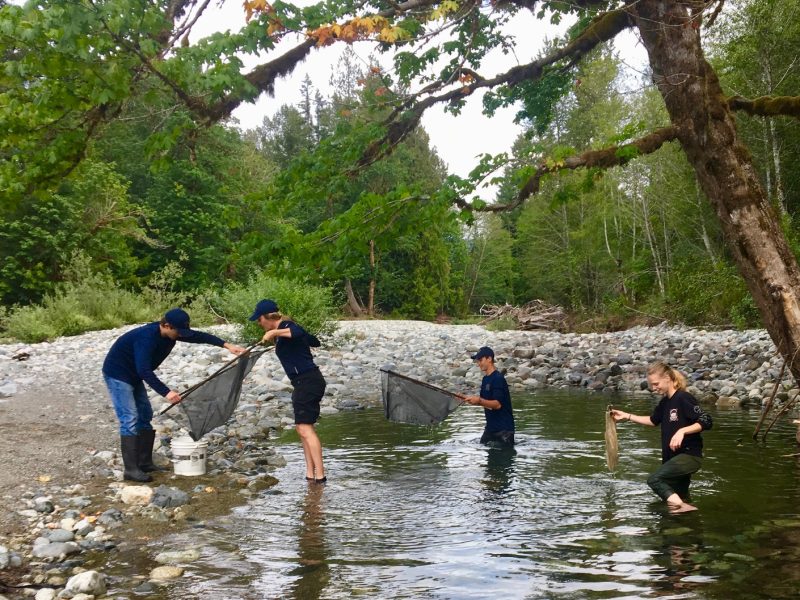
What to do and who to call when juvenile salmon are in danger
Officials say Cowichan Valley residents should call experts to move salmon in isolated pools because of risks associated with relocation.
How is The Discourse’s journalism funded?
And what does it cost to produce The Discourse’s in-depth, independent journalism?
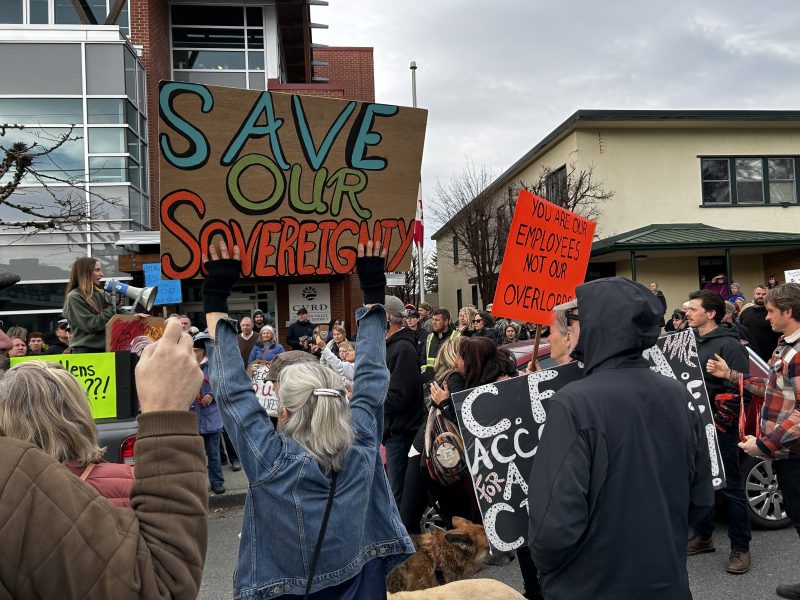
Behind the backlash to the Cowichan Valley’s comprehensive zoning bylaw
The campaign against Bylaw 4710 was fuelled, in part, by misinformation and an organized group of advocates. What could this mean for the future of local politics?