
What are Cowichan Valley candidates saying about the environment?
Cowichan candidates answer reader questions about the environment in the lead-up to B.C. election.
To ensure Cowichan Valley residents have a voice in the provincial election conversation, The Discourse surveyed readers to identify their top questions and concerns for candidates in the lead-up to the Oct. 19 election.
Environment was the second most important issue for survey respondents — 64 per cent said this was a top issue for them. One-third of respondents identified reconciliation as a top issue. Reader questions focused on old-growth logging, the fossil fuel industry, climate change adaptation and environmental stewardship.
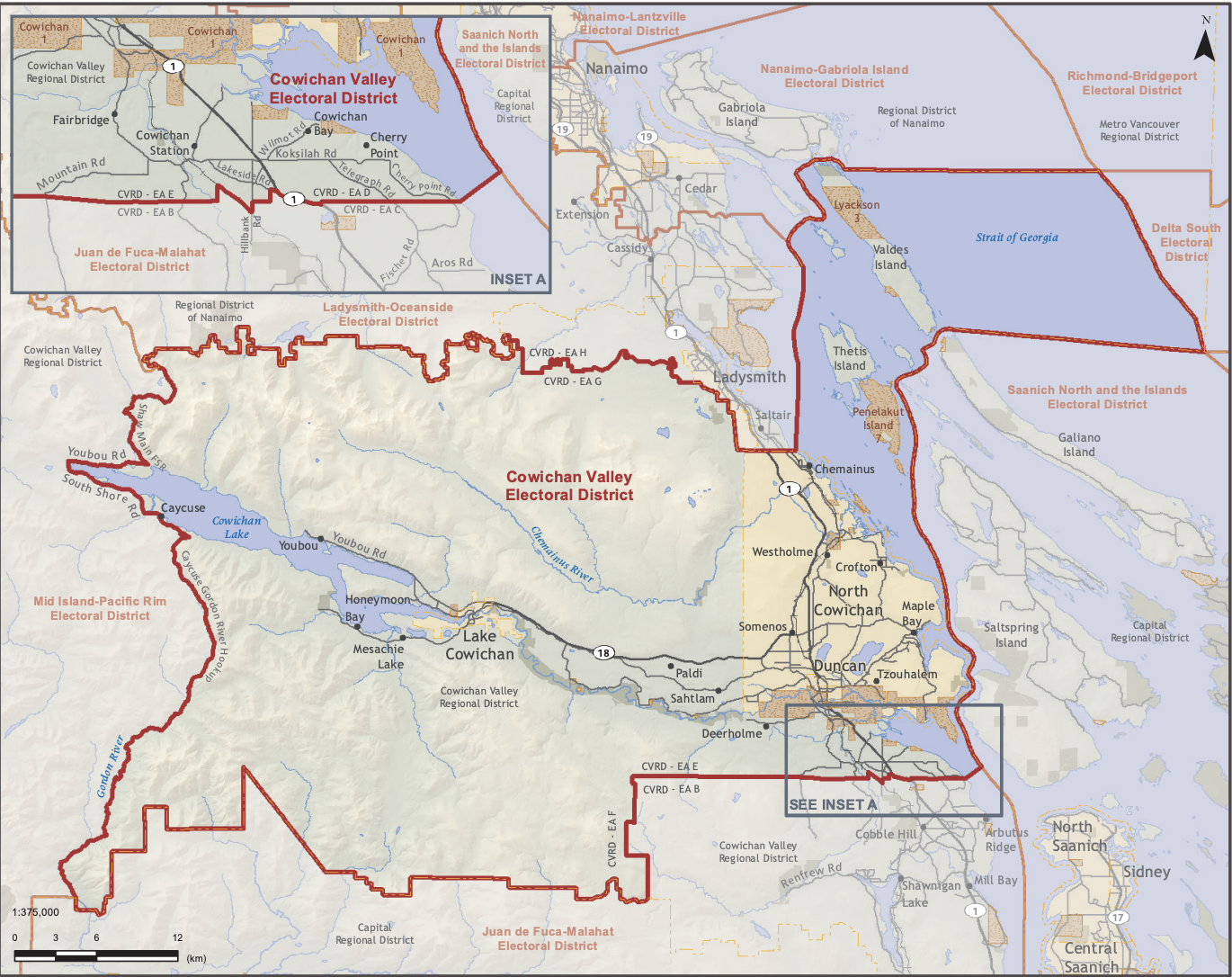
The Discourse took the most asked questions on the survey and reached out to all of the candidates for the Cowichan Valley, Juan de Fuca-Malahat and Ladysmith-Oceanside ridings.
As of Oct. 16, three candidates did not respond. Some of the answers from candidates are nearly identical, that is how they were submitted and is not an error. We will update the story if responses are provided. To request that additional information be included, send us an email.
These responses have been lightly edited for length and clarity.
What are the parties saying about the environment?
Conservative Party of BC
The BC Conservative platform does not have a section on the environment, but does have a section on wildlife management, which includes increasing public access to public lands including hunting and fishing rights.
The Conservative platform promises it will “immediately repeal” the BC Energy Step Code and the Zero Carbon Step Code which seeks to reduce emissions from new buildings to net-zero by 2032. It will also scrap the provincial consumer carbon tax, and pledges to double production of Liquid Natural Gas (LNG) in the province by approving proposed LNG plants.
BC NDP
The BC NDP’s platform promises that if the national requirement for a consumer carbon tax is eliminated, the party will also remove the provincial carbon tax.
The party is touting a cap on emissions from the oil sector and is aiming for a “75 per cent reduction by the industry by 2030,” and has goals to protect 30 per cent of provincial lands by 2030. It also pledges to double electricity generation in the province by 2050.
The BC NDP promises to establish a Clean Economy Transition fund using a portion of the revenue from oil and gas development, including LNG projects. The platform positively references the floating Cedar LNG facility in Kitimat, which is majority-owned by the Haisla Nation, as an example that “investment is booming” in the province.
The BC NDP also aims to implement the 14 recommendations in the Old Growth Strategic Review in partnership with First Nations, and wants to expand the Youth Climate Corps.
The party wants to electrify the transit system and provide solar panel rebates for homes, schools and small businesses and increase electric vehicle charging stations.
The platform does not address the Energy Step Code or Zero Carbon Step Code that the NDP government introduced in 2017 with a goal of net-zero emissions by 2032 for new buildings.
BC Green Party
The BC Greens are advocating for a robust climate action model, and much of the party’s platform centers around phasing out fossil fuels. The Greens are calling to implement the oil and gas emissions cap, and are promising to establish an “output-based pricing system.” It also promises to increase the industrial carbon tax. The party would keep the provincial consumer carbon tax in place.
The party is pledging to ban all oil and gas advertisements in the province and partner with First Nations to implement all 14 regulations from the Old Growth Strategic Review.
BC Greens also want to ban gas hookups on all new buildings, and ensure Fortis’ business plan has a goal of using electricity to support homes during the transition. The party wants to provide rebates for electric heat pumps.
The Greens also want to stop permitting new fracking wells and pipelines and prohibit new LNG projects while setting a date to phase out gas production in the province. The Greens platform will increase renewable energy like wind, solar and geothermal and will invest $20 million annually in “small-scale distributed solar projects, with a goal of having solar account for 15 per cent of electricity generation by 2035.”
The party calls to designate salmon rivers off limits for the mining sector. The party would stop clearcut logging and “adopt logging practices that emulate natural disturbance regimes, such as selective logging, commercial thinning and longer stand rotations.” The party also calls for banning glyphosate (Round Up) and other chemical herbicides used in forestry management.

How will you work with First Nations when it comes to environmental stewardship?
Cowichan Valley candidate answers:
Jonathan Coleman (unaffiliated, former BC United), Cowichan Valley: No response.
Eden Haythornthwaite (Independent), Cowichan Valley: My platform is seeking public ownership of the land and resources of B.C. so we can manage those things democratically and make climate collapse-based decisions rather than leave our fate to profit-mad corporations. All these transformations will redirect the wealth of our province — our wealth— towards fighting climate collapse and fulfilling our sacred duty for reparations to the Indigenous people. As well, my platform calls for Canada to become an antiwar demilitarised nation to cut our emissions from that significant source of GHG.
Editor’s Note: Haythornthwaite provided a single response to all three questions.
John Koury, (Conservative Party of BC), Cowichan Valley: No response
Cammy Lockwood, (BC Green Party), Cowichan Valley: First Nations Rights and Title and Truth and Reconciliation are front and center of our platform and carried throughout. We will ensure Indigenous-led stewardship in environmental decision-making. Water boards, like the Cowichan model, will be expanded across B.C. to include Indigenous leadership, ensuring sustainable water management and environmental protections.
Debra Toporowski, (BC NDP), Cowichan Valley: Real reconciliation means working together and finding a path forward that works for everyone. When we build strong partnerships with Indigenous peoples, it creates a more sustainable future for everyone. As part of our Action Plan for You we commit to: Driving a made-in-B.C. strategy to protect B.C.’s biodiversity and ecological integrity. We’ll do this by building out the Biodiversity and Ecosystems Health Framework, developed collaboratively with First Nations, and honouring our environmental commitments in the Declaration Act Action Plan. One of these commitments is to protect 30 per cent of land and water in B.C. by 2030 in partnership with First Nations.
Juan de Fuca-Malahat candidate answers:
David Evans, (BC Green Party), Juan de Fuca-Malahat: Collaboratively. Indigenous knowledge and historical perspectives need to be heeded. The First Nations in Juan de Fuca Malahat include Pacheedaht, T’Sou-ke, Scia-new and Malahat. These people had been living with and stewarding the entire family of existence for long before settlers arrived. I think they want to help us turn things around.
Dana Lajeunesse, (BC NDP), Juan de Fuca-Malahat: First Nations have deep and unparalleled knowledge when it comes to environmental stewardship, and they deserve a provincial government that believes in working towards reconciliation as well as the need to preserve these lands for future generations. Real reconciliation means working together and finding a path forward that works for everyone. When we build strong partnerships with Indigenous Peoples, it creates [a] more sustainable future for everyone. I look forward to working alongside First Nations as an MLA.
Marina Sapozhnikov, (Conservative Party of BC), Juan de Fuca-Malahat: No response.
Ladysmith-Oceanside candidate answers:
Brett Fee, (Conservative Party of BC), Ladysmith-Oceanside: First Nations communities have long been stewards of the environment, and working alongside them is key to developing effective policies for sustainability. I will seek to build partnerships with Indigenous leaders to guide environmental stewardship, ensuring their voices are central in decision-making processes.
Laura Ferreira, (BC Green Party), Ladysmith-Oceanside: The BC Greens recognize the rights of Indigenous peoples are inherent, existing, and cannot be infringed upon by the government. The most effective environmental stewardship requires direct involvement of First Nations and local communities that will guide our efforts. For example, the Cowichan Watershed Board is a direct collaboration and partnership between the CVRD and Cowichan Tribes, the BC Greens will expand this model across the province.
Stephanie Higginson, (BC NDP), Ladysmith-Oceanside: Real reconciliation means working together and finding a path forward that works for everyone. When we build strong partnerships with Indigenous Peoples, it creates more sustainable future for everyone. As part of our Action Plan for You we commit to: Driving a made-in-B.C. strategy to protect BC’s biodiversity and ecological integrity. We’ll do this by building out the Biodiversity and Ecosystems Health Framework, developed collaboratively with First Nations, and honouring our environmental commitments in the Declaration Act Action Plan. One of these commitments is to protect 30 per cent of land and water in B.C. by 2030 in partnership with First Nations.
Adam Walker, (Independent), Ladysmith-Oceanside: For thousands of years, First Nations have stewarded these lands, and we still have much to learn. When the Province announced the 30-by-30 initiative, I was excited about the potential for new Indigenous Protected and Conserved Areas (IPCAs) on Vancouver Island, but limiting this to public lands isn’t good enough. We need to protect unique lands through IPCAs, including private land acquisitions. Beyond that, we have a vibrant volunteer and non-profit community doing incredible work. I’ll continue to collaborate closely with local First Nations and community groups to ensure we protect our environment and build a stronger future together.
What strategies will you advocate for — locally and provincially — to prepare for and mitigate the impacts of climate change on things that directly impact the community, such as agriculture, transportation, sea level rise, natural disasters, economy and more?
Cowichan Valley candidate answers:
Jonathan Coleman (unaffiliated, former BC United), Cowichan Valley: No response.
Eden Haythornthwaite (Independent), Cowichan Valley: My platform is seeking public ownership of the land and resources of B.C. so we can manage those things democratically and make climate collapse-based decisions rather than leave our fate to profit-mad corporations. All these transformations will redirect the wealth of our province — our wealth— towards fighting climate collapse and fulfilling our sacred duty for reparations to the Indigenous people. As well, my platform calls for Canada to become an antiwar demilitarised nation to cut our emissions from that significant source of GHG.
Editor’s Note: Haythornthwaite provided a single response to all three questions.
John Koury, (Conservative Party of BC), Cowichan Valley: No response
Cammy Lockwood, (BC Green Party), Cowichan Valley: As a farmer, I’ve seen firsthand the devastating effects of climate change in our everyday lives. I live on the knife’s-edge of the climate crisis. I, and the BC Greens are committed to halting all new fossil fuel expansion projects. Locally, supporting and expanding our Cowichan water board and focusing on agricultural resilience. Provincially, the BC Greens call for renewable energy development, reducing emissions in agriculture, and public transportation improvements. B.C. has the potential to be a climate leader, but every climate target has been missed, and emissions keep rising.
Debra Toporowski, (BC NDP), Cowichan Valley: British Columbians are seeing the impacts of climate change, and they’re expecting governments to act. The BC NDP will address the climate crisis by meeting our GHG reduction targets, capping emissions from the biggest polluters, and building a sustainable economy. In addition to the actions above, we’re supporting communities so they can be more resilient and act faster when climate emergencies strike. John Rustad calls climate science “a lie” and he’s promising to rip up our climate plan. That’s too big of a risk for B.C. We can’t let him threaten our communities in this way.
Juan de Fuca-Malahat candidate answers:
David Evans, (BC Green Party), Juan de Fuca-Malahat: Climate change is an existential threat for so much of what we hold dear. We need to lessen our fossil fuel addiction in transportation and reduce consumption to only the essential. We need to end fracking and stop subsidizing oil and gas. We need to implement Step Code 4 in all new builds as soon as possible. We need to remediate our secondary forests to make them less fire-prone and we need to radically alter how we harvest trees. We need to ensure watershed and aquifer resiliency to maintain and enhance food security. We need to Fire Smart our homes. We need to install wind and solar and geothermal. And all this work means there is opportunity. A better future is waiting for us to show up.
Dana Lajeunesse, (BC NDP), Juan de Fuca-Malahat: As a lifelong Vancouver Island local, I’ve always known that natural disasters were a threat, but that threat has clearly increased over the years thanks to climate change. A few things I’m passionate about in the area are making sure people are educated, that we’re looking into alternate evacuation routes, and that municipalities and First Nations continue to get support on emergency preparedness efforts. I look forward to working with many ministries on emergency preparedness and exploring the best ways to prepare and mitigate the impact of fires, floods, avalanches and more here in Juan de Fuca-Malahat.
Marina Sapozhnikov, (Conservative Party of BC), Juan de Fuca-Malahat: No response.
Ladysmith-Oceanside candidate answers:
Brett Fee, (Conservative Party of BC), Ladysmith-Oceanside: Locally and provincially, we need to be proactive in addressing climate change. Supporting initiatives that improve local agriculture, enhance transportation options, and prepare for climate-related risks will be important steps. We must look at sustainable industries and renewable energy sources to protect both our environment and economy for future generations.
Laura Ferreira, (BC Green Party), Ladysmith-Oceanside: Increasing local food production and processing is essential to food security. Better public transit around Cowichan Valley and between Victoria will ease highway congestion, lower carbon emissions and give more people access to safer transportation. Prioritizing water licensing for farmers as well as expanding the Cowichan Watershed Board is so important to strengthen the Valley’s ability to mitigate and respond to challenges.
Stephanie Higginson, (BC NDP), Ladysmith-Oceanside: British Columbians are seeing the impacts of climate change, and they’re expecting governments to act. The BC NDP will address the climate crisis by meeting our GHG reduction targets, capping emissions from the biggest polluters, and building a sustainable economy. In addition to the actions above, we’re supporting communities so they can be more resilient and act faster when climate emergencies strike. John Rustad calls climate science “a lie” and he’s promising to rip up our climate plan. That’s too big of a risk for BC. We can’t let him threaten our communities in this way.
Adam Walker, (Independent), Ladysmith-Oceanside: First, we must cut emissions. I’m disappointed the BC NDP joined the Conservatives in eliminating the carbon tax without a solid replacement. Experts agree carbon pricing is the most cost-effective way to reduce emissions, yet ours have risen for three years straight with no credible reduction plan. We’ve been addressing symptoms, not root causes. While I support initiatives that help adapt agriculture, add resilience to transportation, and prepare for sea level rise, we can’t ignore the elephant in the room. We need a real plan that not only prepares our communities for the impacts of climate change but also reduces emissions.
What is your stance on resource extraction industries such as forestry/logging, fishing, the fossil fuel industry, mining and more? How do you envision a sustainable future and economy?
Cowichan Valley candidate answers:
Jonathan Coleman (unaffiliated, former BC United), Cowichan Valley: No response.
Eden Haythornthwaite (Independent), Cowichan Valley: My platform is seeking public ownership of the land and resources of B.C. so we can manage those things democratically and make climate collapse-based decisions rather than leave our fate to profit-mad corporations. All these transformations will redirect the wealth of our province — our wealth— towards fighting climate collapse and fulfilling our sacred duty for reparations to the Indigenous people. As well, my platform calls for Canada to become an antiwar demilitarised nation to cut our emissions from that significant source of GHG.
Editor’s Note: Haythornthwaite provided a single response to all three questions.
John Koury, (Conservative Party of BC), Cowichan Valley: No response
Cammy Lockwood, (BC Green Party), Cowichan Valley: We need a fundamental shift in how we manage our resources. These industries only supply 3.86 per cent of the annual revenue and only 2 per cent of provincial employment and do not safeguard our environment. Transition from the reliance on resource extraction industries such as forestry, mining, and fossil fuels, and toward a sustainable economy. Provincially, the BC Greens are committed to halting primary forest logging and a transition to renewable energy, to create jobs and economic growth in line with environmental stewardship.
Debra Toporowski, (BC NDP), Cowichan Valley: The BC NDP knows that thriving economies and thriving ecosystems are not at odds. For example, by helping forestry mills get tools to process second growth and by supporting manufacturers of mass timber products, we can get more jobs out of every tree and protect old-growth forests for future generations. To do this, we need to support local people [in] setting local priorities and developing local strategies for the lands, waters, and ecosystems in their communities. In Cowichan, a water crisis arose, which required the Cowichan Tribes, local residents, and industry to work together. This local decision-making table came up with an efficient and effective strategy that worked better for everyone. The BC NDP wants to see more of this.
Juan de Fuca-Malahat candidate answers:
David Evans, (BC Green Party), Juan de Fuca-Malahat: For our entire provincial history, B.C. has not had an industrial strategy. We have been content to cut things down, dig things up and sell them to the highest bidder. And now, our high-value primary forests are depleted, our coal and methane are losing their lustre everywhere except with corporations and their shareholders. B.C. should be more than a colonial economy that ships raw materials and buys back finished goods. We need to be in the driver’s seat of our economic future, we need to do things and build things and invent things here, in B.C. I have faith in our young people and in their ideas yet to be thought, in their values yet to be added.
Dana Lajeunesse, (BC NDP), Juan de Fuca-Malahat: The BCNDP knows that thriving economies and thriving ecosystems are not at odds. By helping forestry mills get tools to process second growth, and supporting manufacturers of mass timber products, we can get more jobs out of every tree and protect old-growth forests for future generations.
We need to support local people and [develop] local strategies for the lands, waters, and ecosystems in their communities. I’m a third-generation logger, and I’ve never met a logger who didn’t love trees. I’m confident that we can continue providing good jobs in resource industries while also continuing to build a sustainable future.
Marina Sapozhnikov, (Conservative Party of BC), Juan de Fuca-Malahat: No response.
Ladysmith-Oceanside candidate answers:
Brett Fee, (Conservative Party of BC), Ladysmith-Oceanside: Regarding resource extraction, I believe that sustainable practices must guide our approach. Industries like forestry, fishing, and mining are integral to the local economy, but they must be managed in a way that ensures long-term environmental sustainability. A balanced approach can protect jobs while preserving our natural resources.
Laura Ferreira, (BC Green Party), Ladysmith-Oceanside: We need a fundamental shift in how we manage these industries. The supply of our natural resources are dwindling and if we don’t shift to more sustainable management they will collapse. We will pass legislation that protects and prioritizes biodiversity and the conservation of ecosystem health. B.C. can be a leader with forest management that prioritizes long-term sustainability and value-added wood products. We need to modernize our mining sector to increase oversight, respect indigenous rights, and protect the environment. We will prioritize critical and transition minerals and ensure the benefits flow to communities and First Nations.
Stephanie Higginson, (BC NDP), Ladysmith-Oceanside: The BC NDP knows that thriving economies and thriving ecosystems are not at odds. For example, by helping forestry mills get tools to process second growth, and by supporting manufacturers of mass timber products, we can get more jobs out of every tree and protect old-growth forests for future generations. To do this, we need to support local people [in] setting local priorities and developing local strategies for the lands, waters, and ecosystems in their communities. In Cowichan, a water crisis arose, which required the Cowichan Tribes, local residents, and industry to work together. This local decision-making table came up with an efficient and effective strategy that worked better for everyone. The B.C. NDP wants to see more of this.
Adam Walker, (Independent), Ladysmith-Oceanside: Our Island’s history is rooted in forestry, mining, and fishing, following generations of Indigenous sustainable practices in fishing, aquaculture, and food forests. We have a bright future in forestry, but we need to better balance nature, water, and economic development, especially on private forest lands. Modern mining that minimizes land impacts should be encouraged—high-paying jobs are vital, and the world needs critical minerals — but only with strict standards to prevent environmental harm. As for fossil fuels, we must stop subsidizing the industry. It’s time to raise royalties and stop giving away our natural resources to multinational companies.
With files from Mick Sweetman and Madeline Dunnett.
What did you think of this story?
Your feedback after we publish a story helps ensure we're always improving our reporting to better serve you
Authors


Related Articles
What to do and who to call when juvenile salmon are in danger
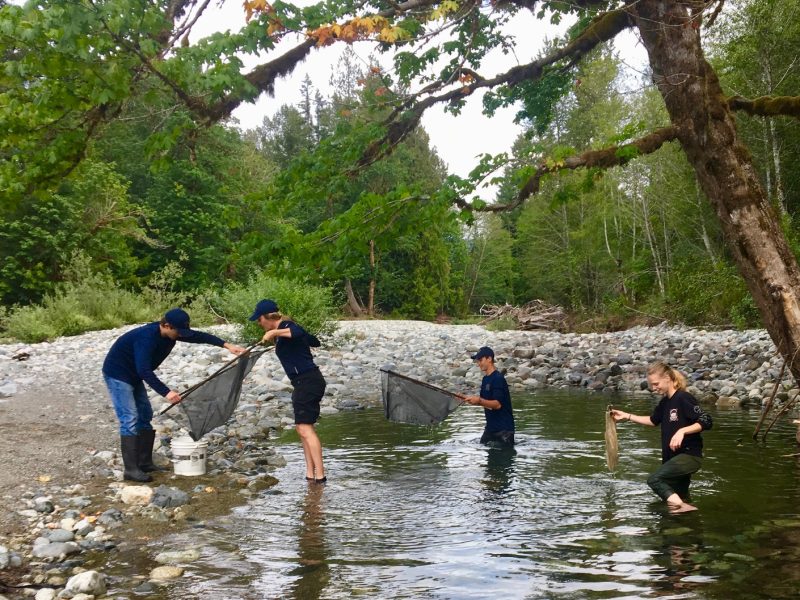
Officials say Cowichan Valley residents should call experts to move salmon in isolated pools because of risks associated with relocation.
How is The Discourse’s journalism funded?
And what does it cost to produce The Discourse’s in-depth, independent journalism?
Behind the backlash to the Cowichan Valley’s comprehensive zoning bylaw
The campaign against Bylaw 4710 was fuelled, in part, by misinformation and an organized group of advocates. What could this mean for the future of local politics?