
Comox Valley camping: where to go and what to know
BC Parks reservations for May long weekend open Jan. 16. The Comox Valley boasts access to many north and central-Island camping spots, but reservations go fast.
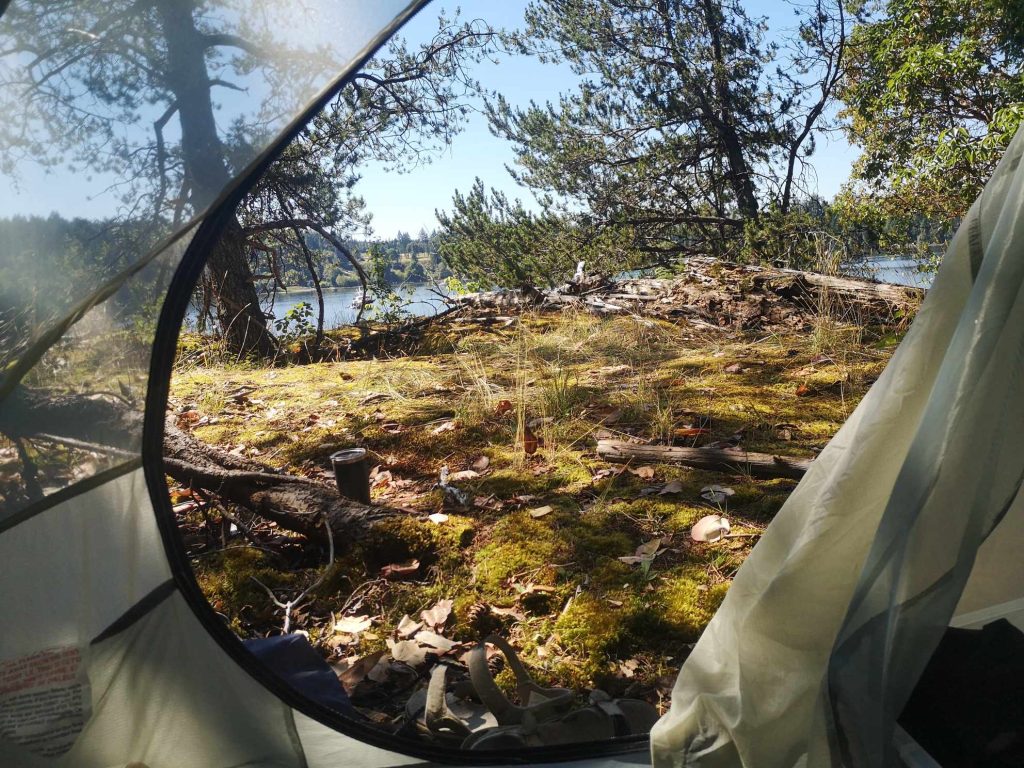
Planning to go camping this May long weekend? It may only be January, but reservations open soon for BC Parks’ busiest long weekend, which runs from May 16 to 20 this year.
Provincial campsites can be booked within a four-month rolling window, which will open for most May long weekend reservations starting Jan. 16 at 7 a.m. After reservations open, sites will continue to become available following the four-month window. For example, bookings for the weekend of May 23 will be available Jan. 23, and so on.
BC Parks is reminding campers that long weekend reservations require a booking of three nights minimum for front country camping, which includes Friday, Saturday and Sunday nights.
“Only book for dates that you intend to use. Access to reservations should be fair and equal for everyone. It prevents people unfairly securing reservations for popular dates by booking more nights than they intend to use,” BC Parks said in an email sent out on Jan. 7.
Some campers might be bracing themselves for the reservation race, but luckily, the Comox Valley has many camping options available.
A note on history and place names
These campsites are on traditional territories that span the lands of the K’ómoks, Tla’amin, Qualicum, Wei Wai Kai, Wei Wai Kum, Hupacasath and Tseshaht First Nations.
Many larger parks span shared territories and include culturally important places for Indigenous Peoples. Queneesh (K’ómoks Glacier), for example, is a part of K’ómoks First Nation’s origin story, and it is within the current boundaries of Strathcona Park.
Another popular area that has had its ties to Indigenous culture left out in most colonial history books is Xa’xɛ’əm (Miracle Beach). According to Wedłidi Speck — head chief of Gixsam namima (clan) of the Kwagul tribe with cultural connections to the Kwakwaka’wakw, Nuuchanulth and K’ómoks — the name Xa’xɛ’əm has roots to words such as sacred, holy and miracle, hence the name Miracle Beach. To read more about Kwakwaka’wakw and North Vancouver Island Coast Salish place names, check out Speck’s article in Gigame’dzikas.
There are many ways to learn about the land you’re occupying. To start, check out the First Peoples’ Map of B.C. or https://native-land.ca/.
You can also learn how to camp and visit provincial parks responsibly on the BC Parks website.
Overnight camping
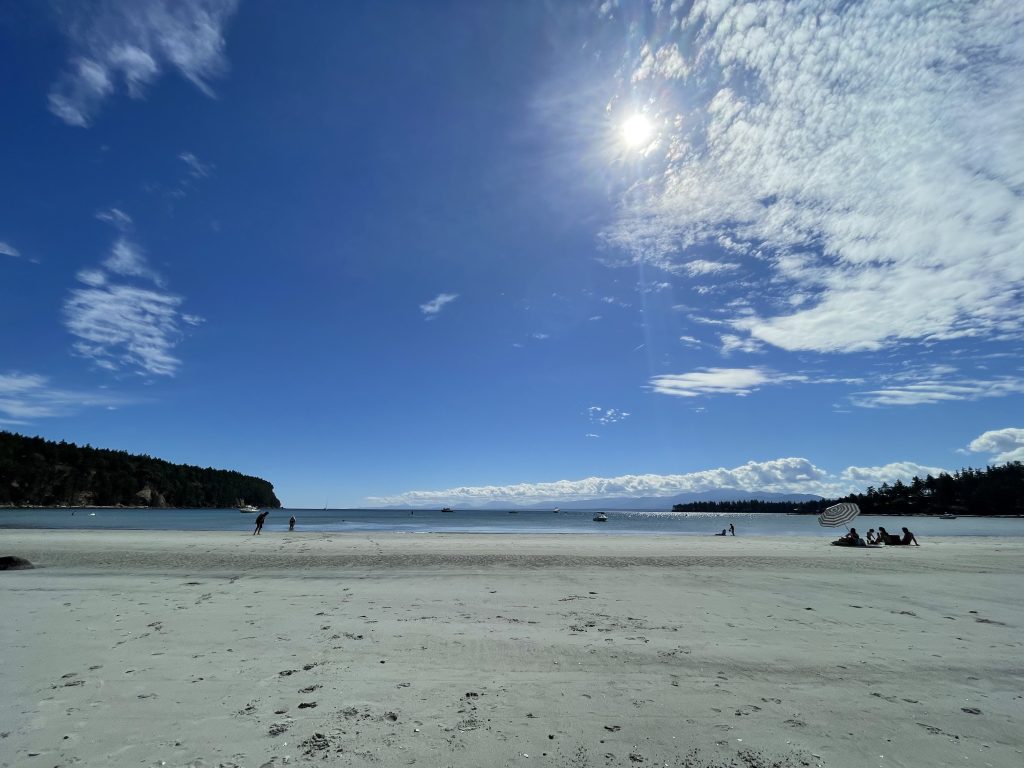
Tribune Bay Provincial Park
Located on Ch’átaýich (Hornby Island), Tribune Bay is another very popular destination for boaters. It was also voted by Destination BC as one of B.C.’s top 12 beaches for its soft sand and temperate shallow waters.
Jáji7em and Kw’ulh Marine Park ( known as Sandy Island Marine Park)
Known as Tree Island by many locals, Jáji7em and Kw’ulh Marine Park is a popular spot in the late spring and summer. Right next to Denman Island, this small island is sometimes walkable from Denman during low tide of 2.4 metres or less. BC Parks also warns visitors of the sensitive ecosystem of the small island and asks visitors to be respectful and minimize any damage to the ground cover and plants and animals. Fires are not allowed at this park.
Fillongley Provincial Park
Located on Taystay’ich (Denman Island) this park offers 10 vehicle-accessible campsites next to the beach. Note that a boil water advisory is currently in effect. The campsite is small and often full on weekends, so make sure to book soon to get a spot!
Xa’xɛ’əm (Miracle Beach Provincial Park)
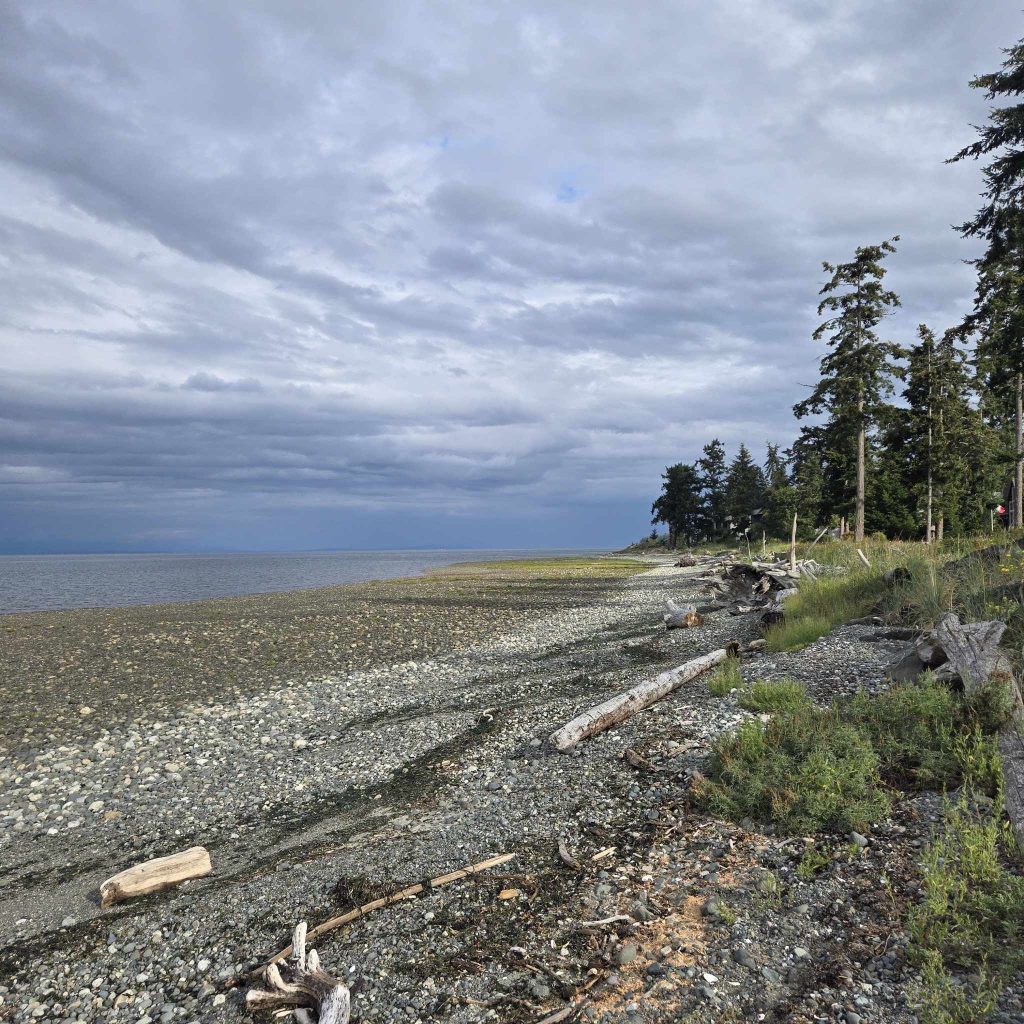
Between Campbell River and the Comox Valley, this campground is easily accessible for many north and central-islanders and boasts nearby accessibility to the beach. The beach’s large sandy beach is popular with families, and the campground has private campsites, hot showers, nearby trails and a large picnic area.
Kitty Coleman Provincial Park
Just outside of Courtenay, Kitty Coleman offers oceanfront camping near a rocky beach among a section of mature forest of Western hemlock, Western red cedar and Douglas fir. The park is also home to a very old Douglas fir tree — estimated to be about 500 years old.
Kitty Coleman was a member of Wei Wai Kai First Nation who left her community to marry a white man who was later jailed. According to BC Geographical Names, she lived alone selling fish and berries on the beach after her husband was jailed, hence the name of the beach.
Kin Beach Provincial Park
Kin Beach offers 18 vehicle-accessible campsites near the beach as well as a day-use area with picnic facilities and a playground. The beach contains many tidal pools and rock formations to explore.
Strathcona Provincial Park
The largest provincial park on Vancouver Island and the oldest provincial park in Canada, Strathcona hosts mostly back country camping and recreation, though front country camping is available at Buttle Lake and Ralph River Campgrounds. This park is also home to the Vancouver Island Marmot!
Day-use areas
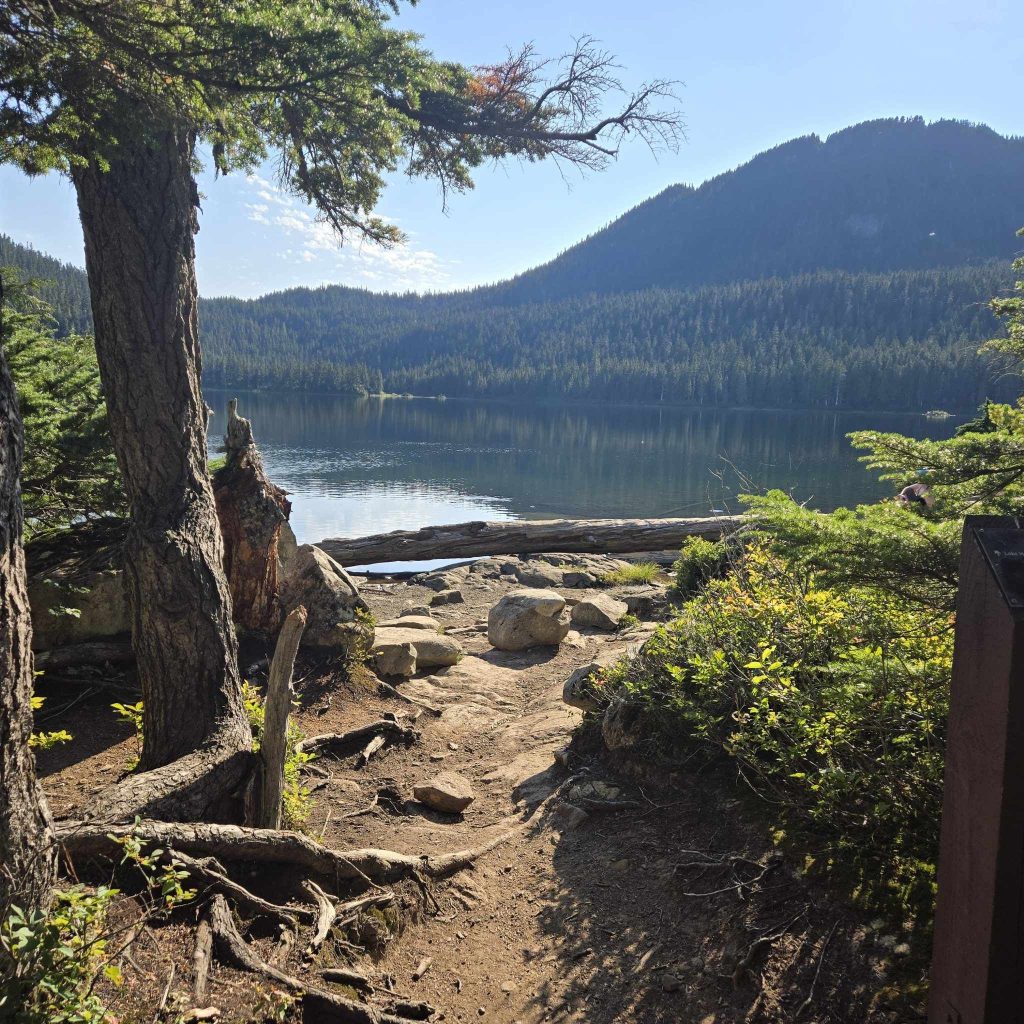
Don’t want the fuss of organizing a camping trip? Many day-use areas offer trails and picnic areas to get away for a day trip. Some, such as Helliwell and Boyle Point, are near overnight camping spots, so campers can also visit the parks.
Helliwell Provincial Park
Around the corner from Tribune Bay on Ch’átaýich (Hornby Island), Helliwell Provincial Park sits among a stand of old-growth Douglas Fir trees. This park is for day-use only, so no need to worry about reservations. According to the province, the best time to visit is late April and early May, due to the colourful wildflowers carpeting the hillside along the cliffs. But make sure to stay on the designated trails to protect the area and stay safe.
Rosewall Creek Provincial Park
Another day-use only park located near Fanny Bay, Rosewall Creek Provincial Park offers a riverside trail and picnic area.
Boyle Point Provincial Park and Protected Area
On the southern point of Taystay’ich (Denman Island), this day-use park offers a forested trail leading through a second-growth forest. Another 52 hectares were added to the park in 2013, containing some of Denman Island’s oldest conifers.
Mount Geoffrey Escarpment Provincial Park
On the southwest side of Ch’átaýich (Hornby Island), this park offers areas to mountain bike and hike throughout the three main trails. BC Parks asks visitors to remember the area’s sensitive and dry ecosystem and stay on the trails and use designated parking areas.
Looking for more options?
The Comox Valley also has many other areas to camp that are not provincial parks. This includes Puntledge RV Campground, Bates Beach Oceanfront Resort, Cape Lazo RV Park, Cumberland Lake Park, and Seal Bay RV Park and Campground. These sites have their own rules and guidelines regarding reservations — make sure to check their websites for more information.
What did you think of this story?
Your feedback after we publish a story helps ensure we're always improving our reporting to better serve you
Author

Related Articles
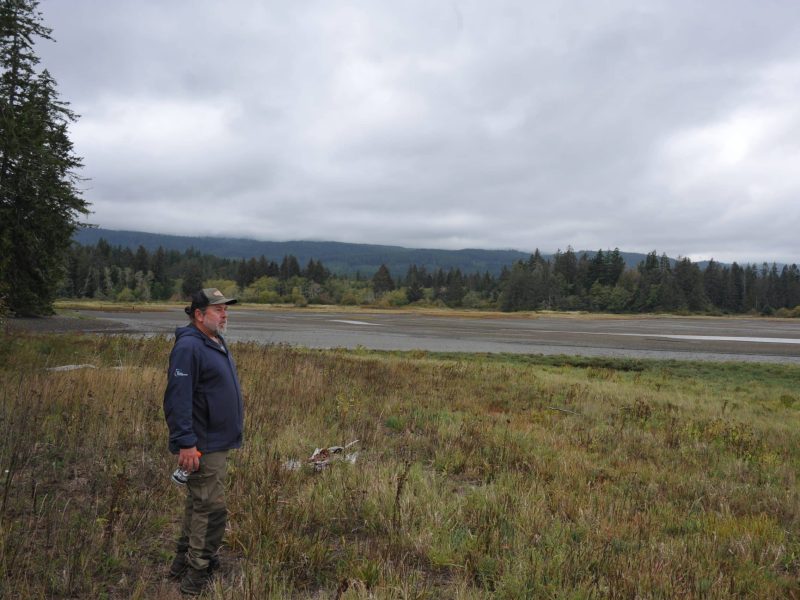
Comox Valley, Nanaimo land trusts raising funds to support Deep Bay land conservation purchase
In a partnership with the Comox Valley and Nanaimo Area land trusts, BC Parks Foundation is fundraising to protect 50 hectares of pristine shoreline in Deep Bay and make it accessible to the public.
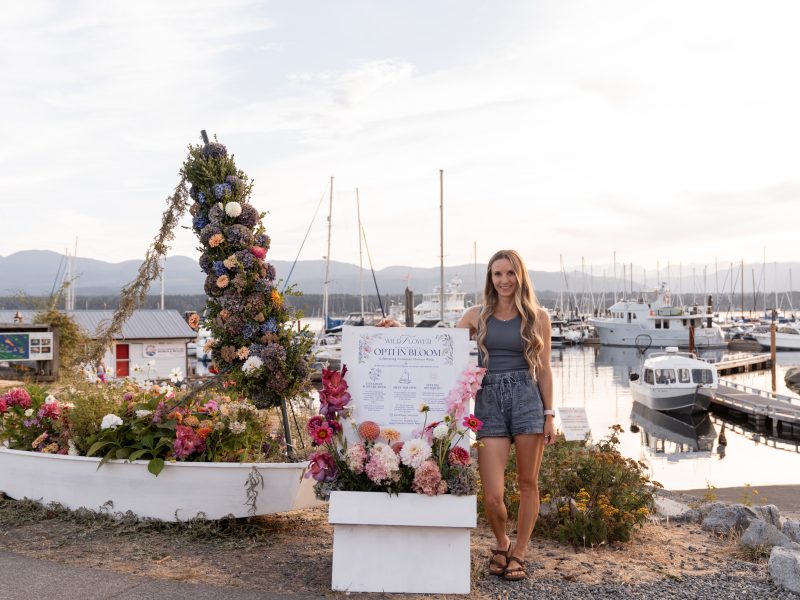
Community collaboration gives second chance to beloved dinghy in Comox
In a race against time to bring a public flower installation to life, Emily Yewchuk leans on support from Comox Valley’s Project Inclusion to make it a reality.
How is The Discourse’s journalism funded?
And what does it cost to produce The Discourse’s in-depth, independent journalism?