
Comox Valley group calls on locals to support fundraising efforts for Gaza
Comox Valley Fundraising Community has raised $17,000 for families in Gaza amidst hunger crisis.
When Courtenay resident Yaffa Ibrahim used to share that she was Palestinian-Canadian, many people didn’t understand what she meant.
“They would either not know what I was talking about, bring up Israel or say ‘Palestine is not real,’” she said.
Since then, she’s seen growth in support of Palestine — particularly in recent years as media coverage of the ongoing conflict in the region has increased. After losing 27 family members at the end of March, she said this swell in support couldn’t have come at a more important time for her.
“We are being very quickly erased, and the world can’t be silent and complicit,” she said.
More recently, locals in the Comox Valley have stepped up to donate to those facing starvation in Gaza.
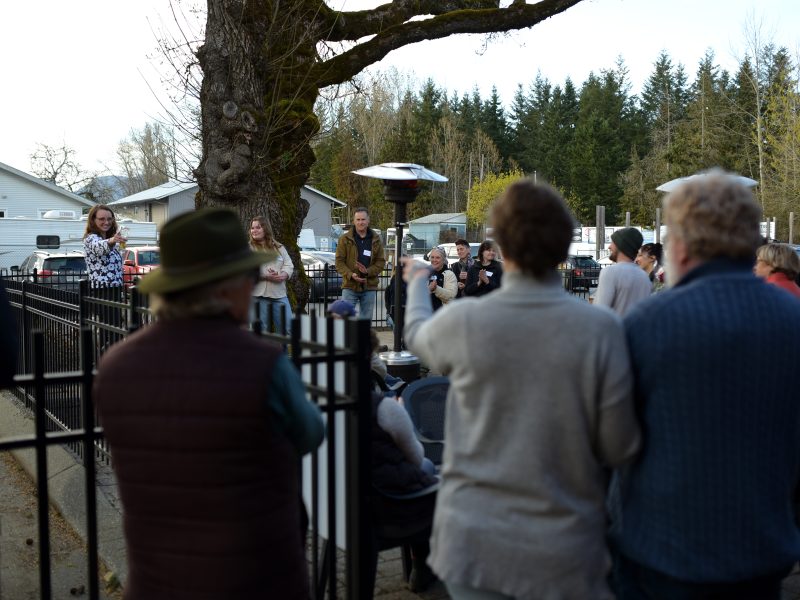
A group called Comox Valley Fundraising Community, raised nearly $1,800 at a fundraising barbecue on July 24. Since then, the group has seen more donations pour in, amounting to $6,850 as of July 31 including the funds from the barbecue.
Before that, the group had already raised $10,000 to send to families in Gaza between March and July. But with starvation worsening, they are still sending pleas to fellow community members to donate.
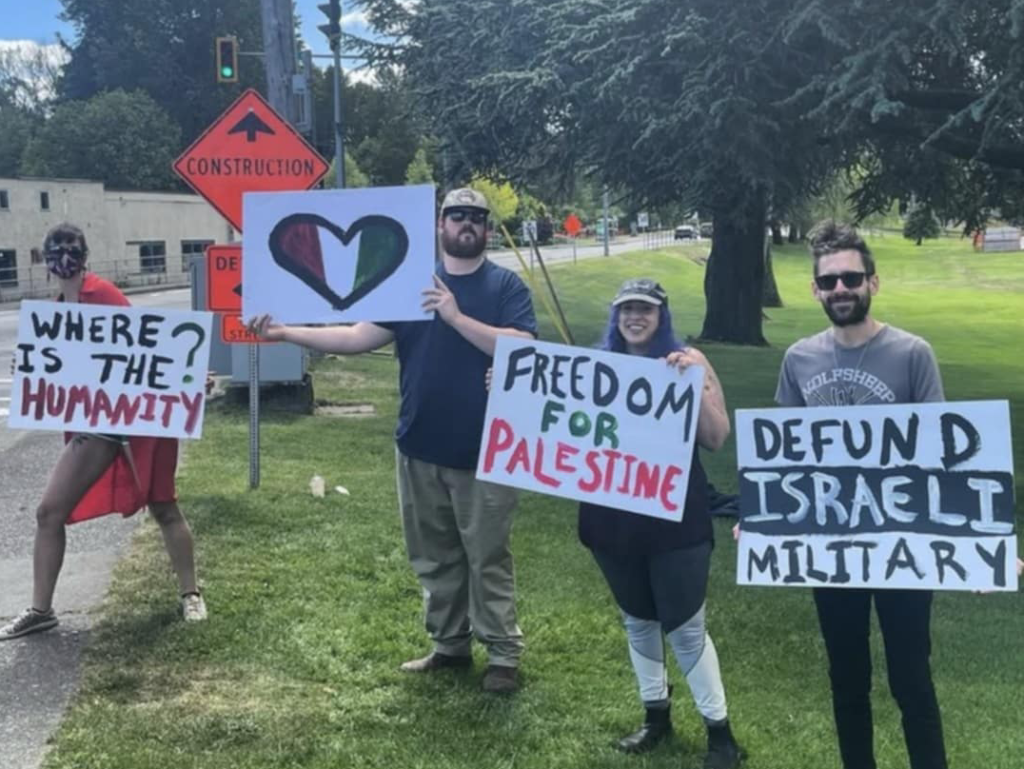
‘One of the world’s worst hunger crises’
“What happened on Oct. 7 — people dying — is inexcusable. However, [how] it has been since then, people can really see what is going on,” Ibrahim said.
A decades-long conflict between Israel and Palestine was brought to the forefront after the Oct. 7, 2023 attacks on Israel by Hamas — a militant Palestinian and Islamic group that was formed to resist Israeli occupation in Palestine. The attacks were followed by an unrelenting Israeli siege that continues to this day and has displaced around 90 per cent of the population in Gaza — or 1.9 million people — creating a humanitarian crisis that has been deemed a genocide by multiple human rights groups.
Most Palestinians who are still in Palestine live in the Gaza Strip, a small area of Palestinian land that is bordered by the Mediterranean Sea, Israel and Egypt. It is surrounded by walls and fences erected by Israel.
More than two million people reside in the Gaza Strip and most of them are Palestinian refugees, according to the United Nations Relief and Works Agency.
Before the war, The Gaza Strip had already been blockaded by Israel and Egypt for years, restricting movement of people and goods in and out of the area. The majority of the residents had already been living in poverty and access to clean water and electricity has been at “crisis levels,” according to UNRWA.
More recently, access to water and food has worsened, and UN agencies have recently stated that key indicators currently exceed famine thresholds.
Since the Oct. 7 attacks, and as of July 29, 2025, more than 60,000 Palestinians have been killed, with over 145,000 wounded according to Gaza’s health ministry. Around 30 per cent of those deaths are children under the age of 18.
According to Reuters, the Palestinian Health Ministry figures do not share which deaths are civilians and which are combatants, but Israel stated in January 2025 that it killed nearly 20,000 Hamas combatants.
In the occupied West Bank, a Palestinian territory that has been under Israeli occupation since 1967, 1,000 Palestinians have been killed according to Al Jazeera.
In Israel, around 1,139 people have been reported dead as of February, with 8,730 people injured.
During a war, it is difficult to get an accurate count of numbers and it is likely current reports are an undercount.
Though already food insecure, the current starvation in Gaza has been ramping up since early March when a two-and-a-half month blockade was imposed by Israel on the region. Food, medicine and fuel were among the goods that were not allowed to enter. Around the same time, Israel also ended a ceasefire and began to seize large areas of Gaza in what it said was an attempt aimed at pressuring Hamas to release more Israeli hostages.
“Israel eased the blockade in May, but U.N. agencies say it hasn’t allowed nearly enough aid to enter and that they have struggled to deliver it because of Israeli restrictions and the breakdown of law and order,” a PBS News report says.
A news release sent out by the World Health Organization (WHO) on May 12 stated that Gaza’s entire 2.1 million population is facing long-term food shortages, “with nearly half a million people in a catastrophic situation of hunger, acute malnutrition, starvation, illness and death.”
The news release continues to say that “this is one of the world’s worst hunger crises, unfolding in real time.”
More recently, WHO stated that of the 74 malnutrition-related deaths in the Gaza strip in 2025, 63 occurred in July and over “5,000 children under five have been admitted for outpatient malnutrition in just the first two weeks.”
The statement also says nearly one in five children in Gaza City is acutely malnourished and the percentage of children aged four and under suffering from acute malnutrition has tripled since June. In other areas of the Gaza Strip, malnutrition rates have doubled in less than a month.
In addition to hunger, more than 1,060 people have been killed and 7,200 injured by the Israeli military in Gaza while trying to access food from aid trucks and resources since May 27.
Some large organizations, such as the United Nations Relief and Works agency, have not been able to bring in any humanitarian aid, including medicine, since March.
Comox Valley steps up through direct aid
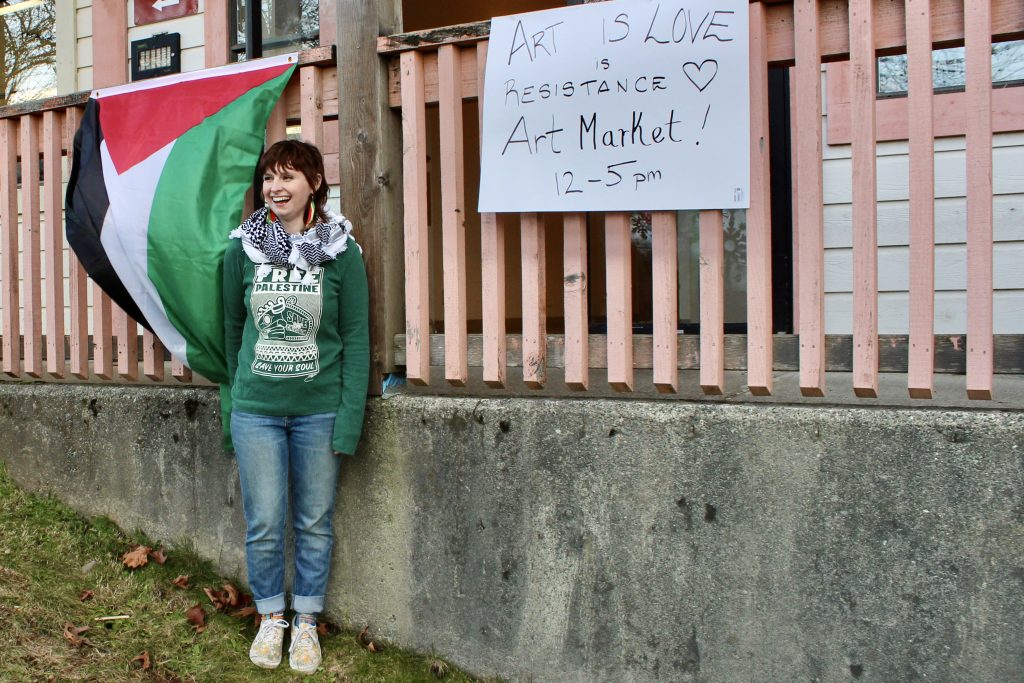
Stephanie Abbat-Slater, a local business owner and one of the organizers behind the fundraiser, is currently supporting three different Palestinian families through direct donations.
She told The Discourse that lately, she has noticed their messages are becoming more desperate.
“They went from, ‘hi how are you, how’s your family? This is what we’re going through, today wasn’t so bad,’ to, ‘my husband will die in the next week if I can’t get him food.’”
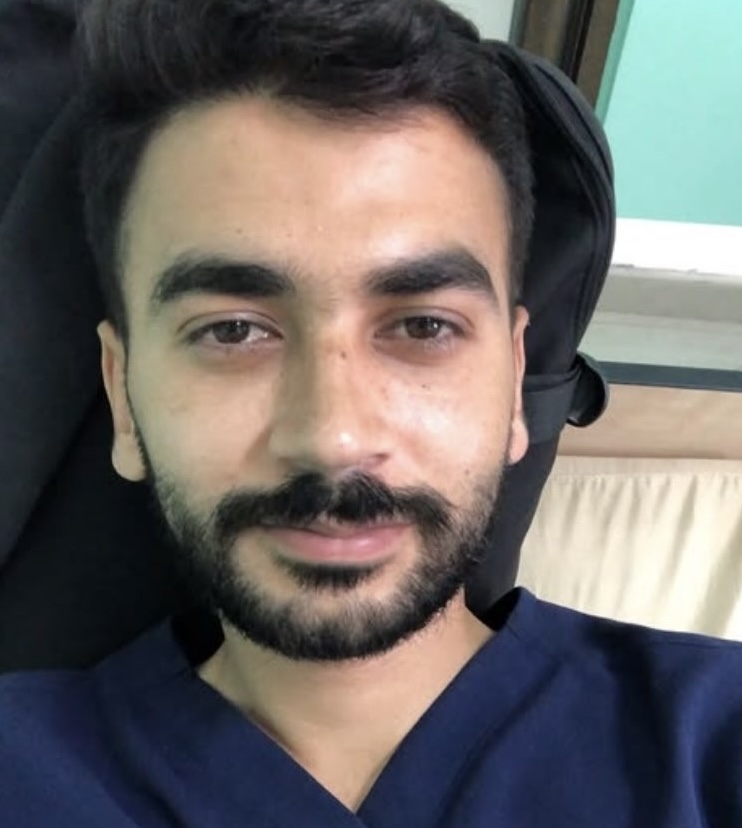
Ahmed Shabat, one of the Palestinians who Abbat-Slater supports, is an emergency doctor from the Gaza strip.
Abbat-Slater said he has watched her two children grow up for the last year and a half.
“I speak to [Shabat] every single day when the network is good enough,” Abbat-Slater said, adding that he and some of the other people in Gaza who they’ve made connections with have become like family.
In a press release sent out on July 23 by Comox Valley Fundraising Community, Shabat shared that after finishing medical school in 2022, he dreamed of continuing his education in England, but his dreams were changed due to the war.
“We are forced every day to fill drinking water and undrinkable water from a distance. We live without electricity all the time, but the worst thing we suffer from is the famine. Every day we light a fire in order to cook food — if we have food. We have been adopting the one-meal system for at least six months. The amount of food is very small, and its price is very expensive,” Shabat said in the press release.
Abbat-Slater said the fundraising group has faced many challenges in trying to get food to Shabat and other Palestinians in Gaza.
“There are so many blockades and barriers when it comes to getting money into Palestine,” she said.
Much of the aid from larger organizations that is being sent to Gaza is being withheld by the Israeli military, which manages its entry and distribution.
Because of this, donations being sent through larger organizations are unable to get into Gaza.
“So it’s one of those cases where direct aid is the only way,” Abbat-Slater said.
Direct aid refers to sending money straight to someone’s bank account in Palestine, as opposed to going through a larger organization. Those who donate to the Comox Valley Fundraising Community will have the group send their money directly to the families and individuals.
Sending money through PayPal is sometimes possible, but difficult, because PayPal has a history of denying Palestinians access to its services. There are ways to circumvent the ban depending on the person’s bank account, but donating remains difficult and risky. Abbat-Slater said she has also used Bitcoin successfully to transfer money.
Nearly every bank branch and ATM in Gaza is inoperable. This means people in Gaza wanting to take money out of their bank account for daily expenses — such as food and medicine — have to rely on cash brokers who take commissions of up to 40 per cent, according to news reports.
“That’s across the board, so any money we send to Gaza is an automatic 40 per cent loss,” Abbat-Slater said.
“So we always try to spend more than needed if we can.”
Despite the barriers, Abbat-Slater said the group has managed to get the money in the hands of people in Gaza no matter what. Despite the thousands sent, Abbat-Slater said it’s still “drop in the bucket” in comparison to the amount of people in Gaza who need money for food.
“This press release is a call out to express the severity of the situation … there are a lot of people who want to help, but don’t know how,” she said.
Those looking to learn more about how to help can send an email to Comox Valley Fundraising Community at cvfundcomm@proton.me.
‘Happening since 1948’
Ibrahim said she’s grateful to the Comox Valley community for coming together to fundraise for something that she’s been aware about her whole life.
“This has been happening since 1948,” she said, pointing to the year of what is referred to as the Nakba — which means catastrophe in Arabic — where a mass displacement and dispossession of Palestinians occurred.
Many Palestinians remain displaced. According to the United Nations, as of 2024, there were nearly 6 million Palestinian refugees under the United Nations Relief and Works Agency (UNRWA) mandate.
Both of Ibrahim’s parents were born in a Palestinian refugee camp in Zarqa, Jordan. Her family had to leave Palestine after her grandparents had their farm taken from them.
“A large portion of my family are Palestinian refugees,” Ibrahim said, adding that she is the first of her family to be born in Canada.
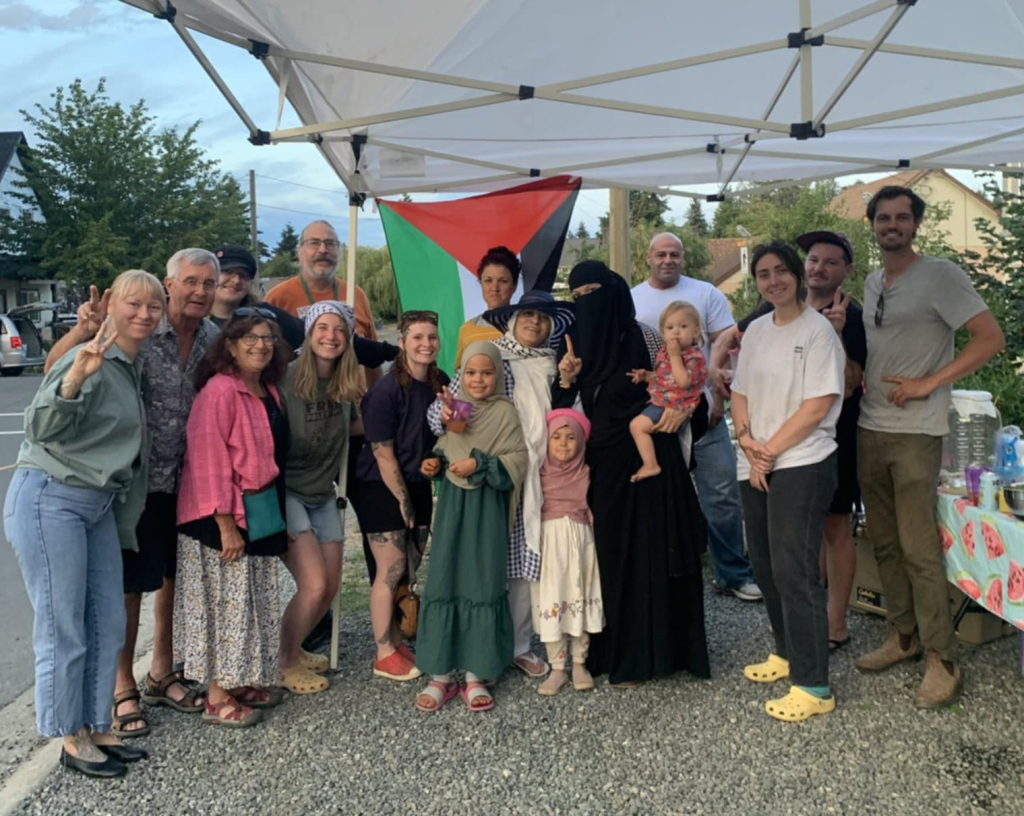
On Dec. 29, 2023 South Africa brought Israel before the International Court of Justice (ICJ) with charges of genocide. While the ICJ ruling could take years, “the Court emphasizes that the State of Israel remains bound to fully comply with its obligations under the Genocide Convention and with the said Order, including by ensuring the safety and security of the Palestinians in the Gaza Strip.
”Since then, multiple human rights groups — such as Amnesty international, as well as two from Israel, have argued that Israel is committing genocide against Palestinians in Gaza.
Communities from different walks of life
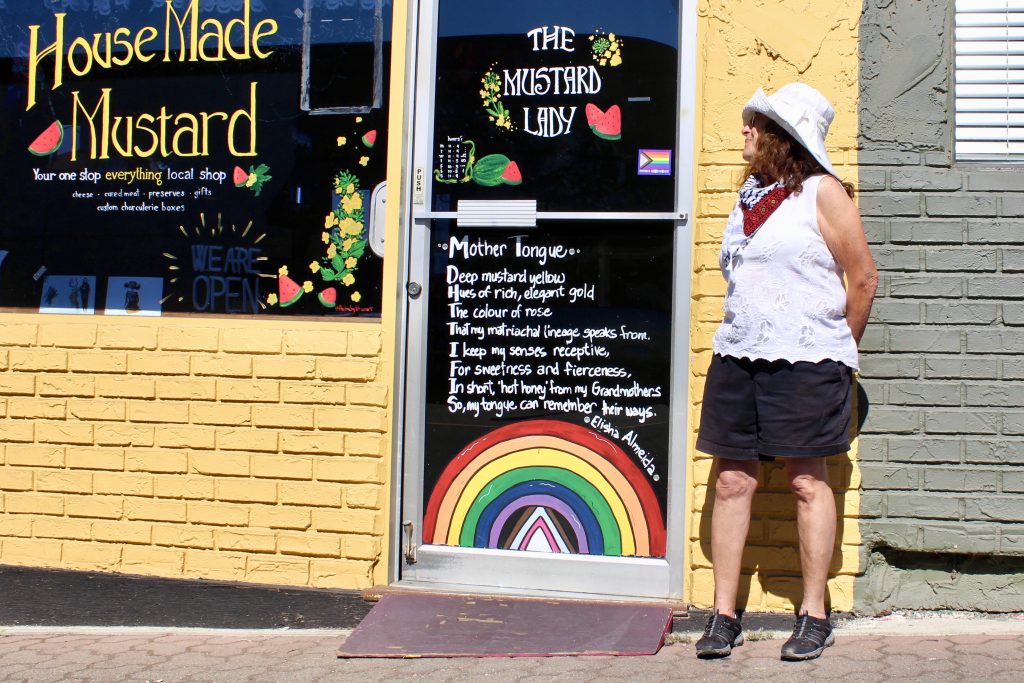
One of the Comox Valley locals supporting Gazans comes from a very different background than Ibrahim. Her name is Judy Goldschmidt and she is a 72-year-old Jewish woman from Philadelphia who now lives in the Comox Valley.
She was raised in a conservative Jewish family and attended Hebrew school two afternoons a week as well as weekend religious services. Goldschmidt was raised Zionist, which refers to a type of Jewish nationalism that pushes for the establishment of a Jewish nation — what is now Israel.
Goldschmidt has been to Israel three separate times and said she used to misunderstand the history of Palestine. It wasn’t until later that she learned more details about Palestine from a rabbi — named Rabbi Brian Walt — and grew more critical of Israel’s actions.
Walt partakes in a form of Judaism called Reconstructionist Judaism and its college was near Goldschmidt’s neighbourhood in Philadelphia.
She said that while Walt had a love of Israel, he knew his fellow neighbours did not know the truth about Palestine.
So, in his congregation in the suburb of Philadelphia, Goldschmidt said that Walt chose one of the holiest days of the year to give a sermon about the Palestinians.
As a result of this, his congregation told him it was parting ways with him.
“That was in 1986,” she said. “It’s been half my life.”
“My father was a Holocaust survivor from Germany. We were raised [to say] ‘never again,’” she said, referring to the slogan that came to light after the Holocaust and the death of six million Jewish people by the Nazis. But Goldschmidt said she believes never again stands for anyone — not just Jewish people.
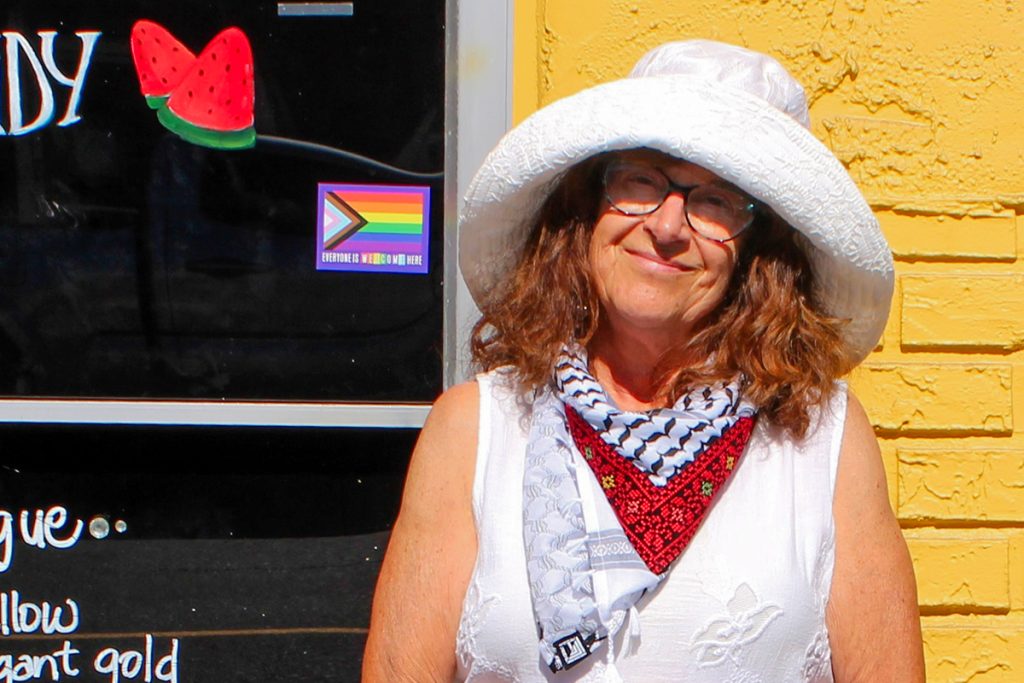
Three-and-a-half years ago, Goldschmidt got in touch with a woman in Gaza named Maysaa Shbeer through another reconstructionist rabbi named Rabbi David Mivasair.
In April 2024, she was able to raise $15,000 to help get Shbeer and her two daughters from Gaza into Cairo.
“Since then, she’s been living in Cairo. She has not seen her family,” Goldschmidt said. “She suffers greatly because of it.”
But, Goldschmidt said that because of the donations, Shbeer does not need to worry about getting shot while buying food or her children starving.
‘We can’t let this happen’
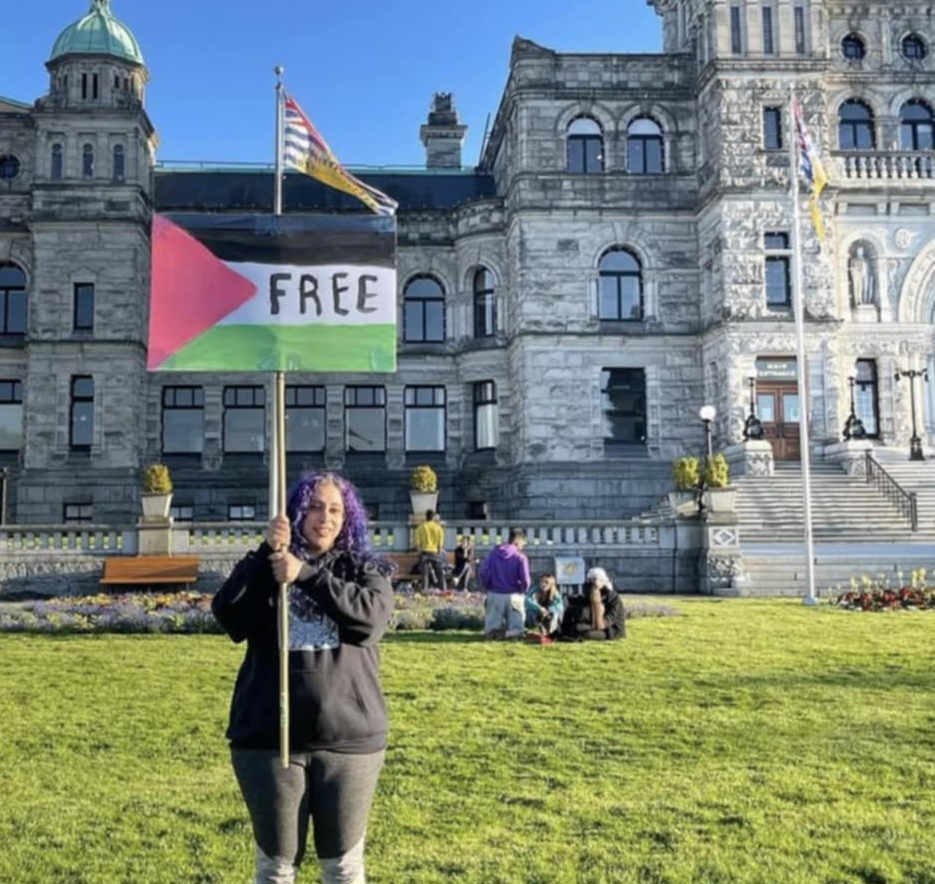
Ibrahim said she couldn’t have fathomed the amount of support that is happening right now for Palestine.
“I never thought I could see the day that my community and so many people from so many different walks of like are like ‘no, this is a genocide’,” she said. “It’s escalating and we need to help. [I] see people’s humanity and compassion in my community, [but] there is still big work to be done.”
Ibrahim said now is the time to be vocal, supportive and to share information, especially as the starvation in Gaza continues.
“The only difference between us and the people of Palestine and Gaza is privilege, and we all know how quickly privilege can change,” Ibrahim said. “Just because we are here doesn’t mean we are impervious. Absolutely not. We need to be the voices of the future who tell the truth and do good and keep people safe.”
What did you think of this story?
Your feedback after we publish a story helps ensure we're always improving our reporting to better serve you
Author

Related Articles
Comox Valley, Nanaimo land trusts raising funds to support Deep Bay land conservation purchase
In a partnership with the Comox Valley and Nanaimo Area land trusts, BC Parks Foundation is fundraising to protect 50 hectares of pristine shoreline in Deep Bay and make it accessible to the public.

Community collaboration gives second chance to beloved dinghy in Comox
In a race against time to bring a public flower installation to life, Emily Yewchuk leans on support from Comox Valley’s Project Inclusion to make it a reality.
How is The Discourse’s journalism funded?
And what does it cost to produce The Discourse’s in-depth, independent journalism?