
How a Comox Valley fossil discovery forever changed paleontology in B.C.
The untold story behind Mike and Heather Trask’s fossil discovery and ‘the incredible importance of curiosity.’
In late autumn 1988, Richard Hebda — then head of botany at the Royal BC Museum — stepped into the living room of a man named Mike Trask following a report of an interesting fossil find on the Puntledge River.
According to Hebda, when he shook hands with the amateur fossil hunter, he was not expecting much. Before this, the paleobotanist had a call about dinosaur ribs in a dry creek bed near Chemainus that turned out to be dirtbike tracks.
But this stop at the Courtenay resident’s home would be different.
Trask’s Comox Valley-based discovery would forever change paleontology in B.C. and would inspire a flood of amateur paleontologists, many of whom would go on to make hundreds of new discoveries in the field. His findings would even inspire the first paleontological society in the province, with more than 100 members on Vancouver Island.
“It opened a door, not only into a room, but into another gigantic world,” Hebda said in a 2026 interview with The Discourse.
A first of its kind specimen
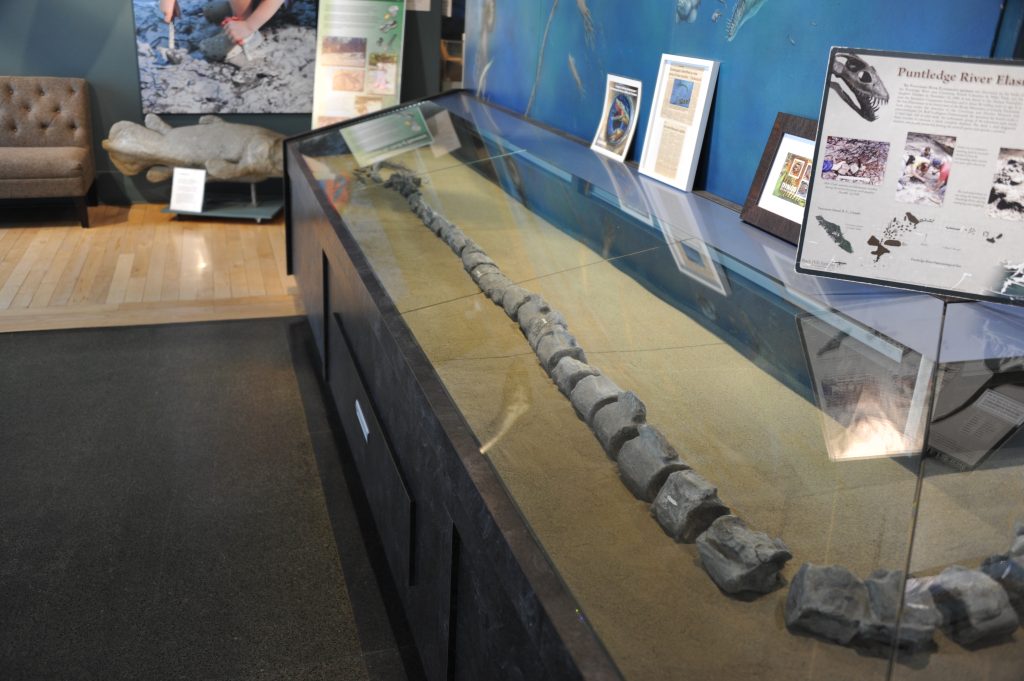
While in Trask’s living room, Hebda said he carefully looked over a string of grey tubular rocks that Trask had placed on newspapers in front of his glowing fireplace.
He confirmed Trask’s suspicions — these were fossil vertebrae from a large animal of some kind or another.
Hebda said Trask explained how he’d found the vertebrae when fossil hunting with his 13-year-old daughter, Heather, on the Puntledge River.
At that time, Hebda said, he was aware of no significant vertebrates — animals with backbones and an internal skeleton — being found on Vancouver Island.
Before leaving, Hebda took some fossil bones to pass along to Betsy Nicholls, a paleontologist at the Royal Tyrell Museum and expert on marine reptiles.According to a 1998 interview with Trask in Issue 20 of the British Columbia Paleontological Alliance Newsletter, Nicholls recognized them immediately as belonging to an elasmosaur.
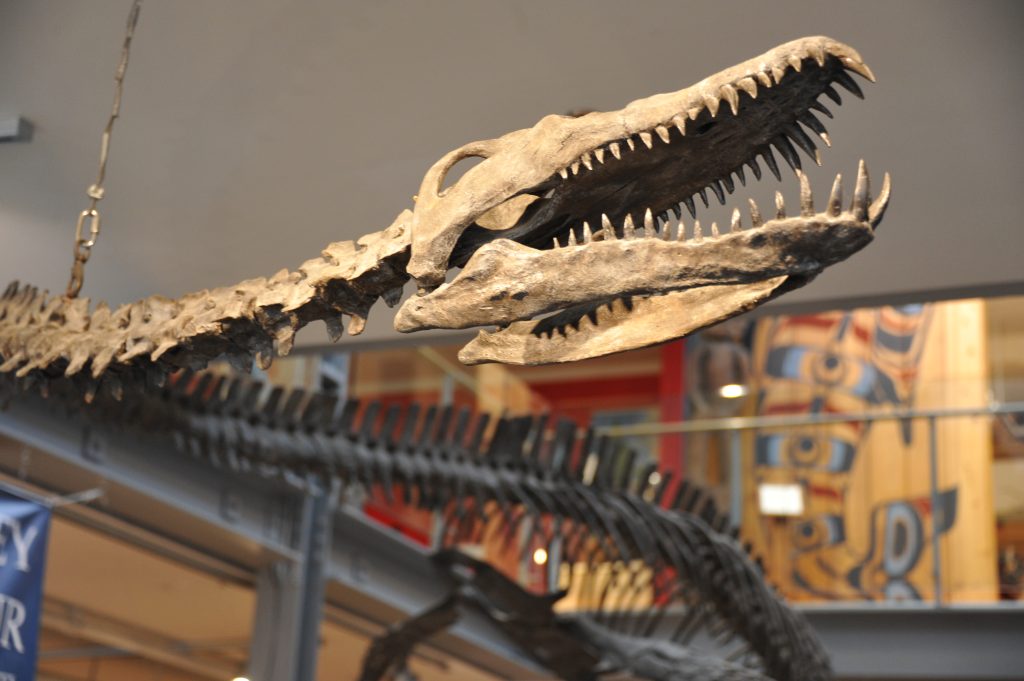
This marine reptile swam in the oceans of the late Cretaceous period, around 85-million years ago, and resembled the Loch Ness monster, with a small head and a neck as long as its bulbous body.
The specimen was the first of its kind found west of the Canadian Rocky Mountains.
Trask figured a paleontologist would describe this creature eventually, according to the 1998 interview with him. To accurately study the fossil, they would need all the existing bones, and he said “it wouldn’t be fair to have more of the specimen appear afterwards.”
With the help of an invertebrate paleontologist, Rolf Ludvigson, who’d recently moved to Denman Island from Toronto, the two of them made a plan.
Two years later, in 1991, the Courtenay and District Museum placed an advertisement in the newspaper that read: “Looking for 20 volunteers for paleontological excavation.” Ludvigson oversaw the excavation project, while Trask managed the technical notes and site plans.
On the first day of the dig in March, the relentless rain bounced off the shale riverbed, threatening to turn to snow at just above zero degrees. Despite the weather, more than 50 volunteers showed up.
Every weekend over a three-month period, the team excavated and shoveled about 100 cubic metres of earth, the equivalent of filling three 20-foot shipping containers, from the site along the Puntledge River.
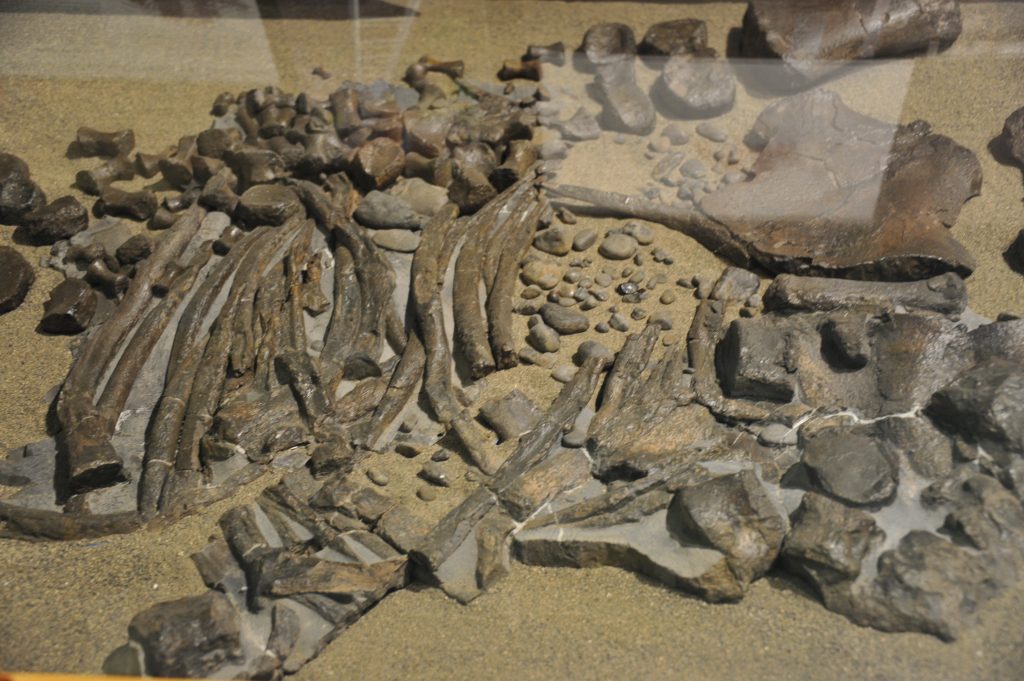
Underneath all this dirt and shale rock they found the rest of the specimen, which was nearly complete.
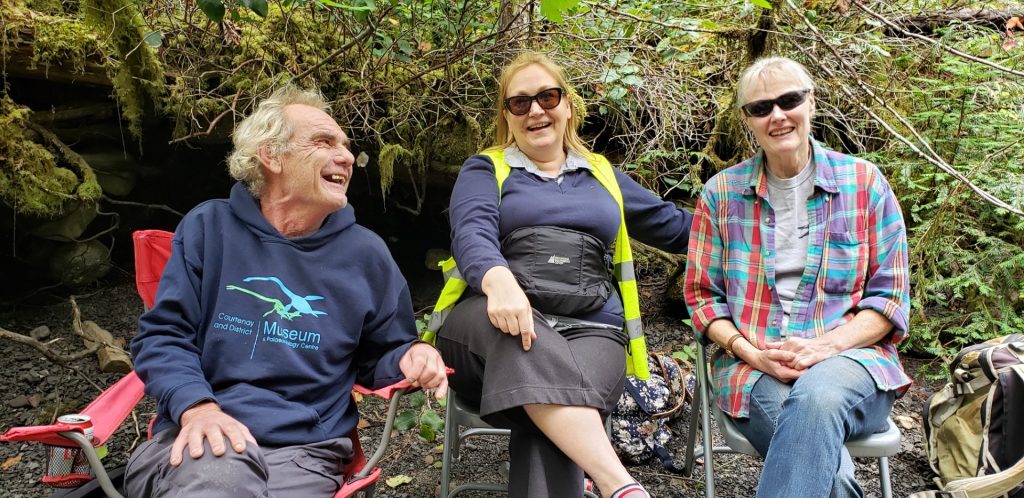

Local fossil enthusiasts find more than just a skeleton
Because of the strong interest from volunteers, Trask began teaching a course on local paleontology and geology at North Island College.
While his professional background was not in paleontology, he’d been collecting since he was a kid in Rock Glen, Ont. and had a strong grasp in geology as an engineering surveyor for the Ministry of Highways, Trask explained in a 2023 conversation with Discourse freelance reporter Dave Flawse.
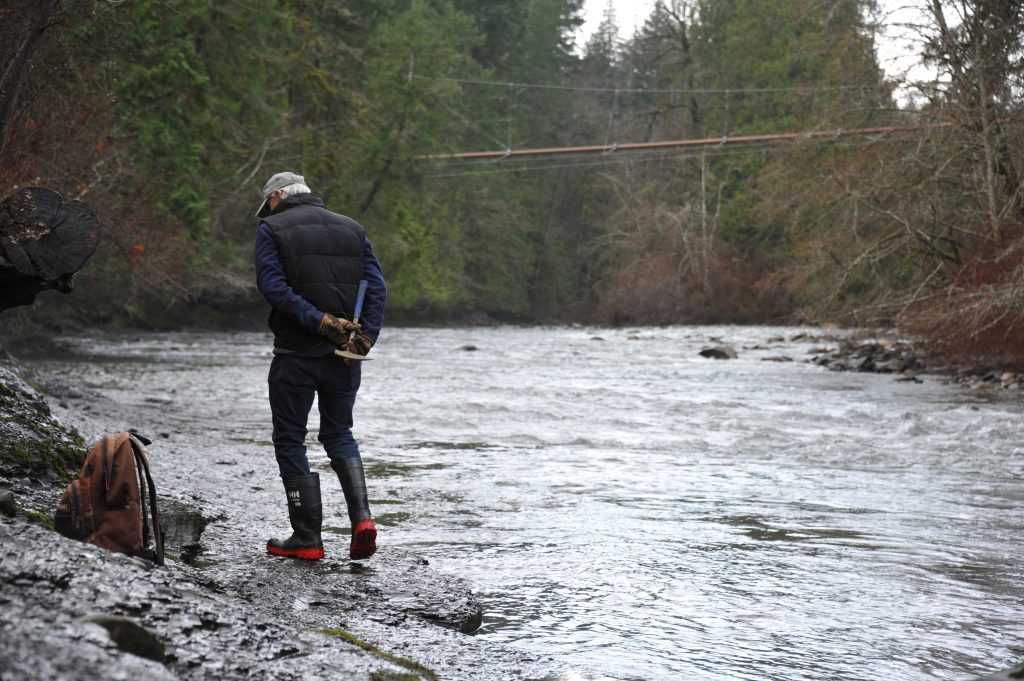
In 1991, Trask led his students on their first fossil field trip to the Puntledge River. One of the participants, a radiologist named Joe Zanbilowicz, found a small vertebra embedded in the shale cliff, then another.
Soon they found more bones that seemed to be yet another marine reptile. On a second field trip, the group found more vertebrae and numerous other fossils.
Given the finds, “the class just didn’t want to quit,” Trask said. The group of 30 to 50 Comox Valley residents began meeting informally, outside of class.
After three months, they decided to formalize these meetings and created the Vancouver Island Paleontological Society in 1992 and became the first paleontological society in the province.
Soon, the group grew to 80 local members, plus another 80 who lived outside the Comox Valley.
To better service those elsewhere, the society’s board decided to encourage a regional approach, and similar societies sprung up in Victoria, Vancouver and Qualicum Beach.
But how would the now separate groups share information and news about discoveries?
“That’s when the British Columbia Paleontological Alliance was formed,” said Dan Bowen in an interview with The Discourse. Bowen is a founding member, former chair and current vice chair of the alliance.
The British Columbia Paleontological Alliance became an umbrella organization, Bowen explained, that brought together professional paleontologists at the Royal BC Museum and Jim Haggart, a research scientist with the Geological Survey of Canada, with amateur collectors (citizen scientists) to collaborate in the best interest of paleontology.
One of the first initiatives the newly formed alliance undertook was the development of policy and regulations on fossil collecting, including a code of ethics.
One important policy drafted was to stop the commercial sale of B.C. fossils.
In the past, commercial fossil collectors operated in B.C. in the Tumbler Ridge area, “taking out large slabs of fossil fish,” Bowen said.
“The value of these fossils was to such a degree that they could afford a helicopter to remove them.”
At that time in B.C., commercial collectors could legally remove and sell fossils from the province.
It’s something Trask could have done with the elasmosaur. But he understood the importance of science, which was fostered in him from a young age.
“There was no science club,” Trask explained in 2023. “So my geography and biology teachers both took me under their wings.”
Trask knew that when fossils leave the province illegally, paleontologists can no longer study them and determine their significance to science.
A fossil management framework
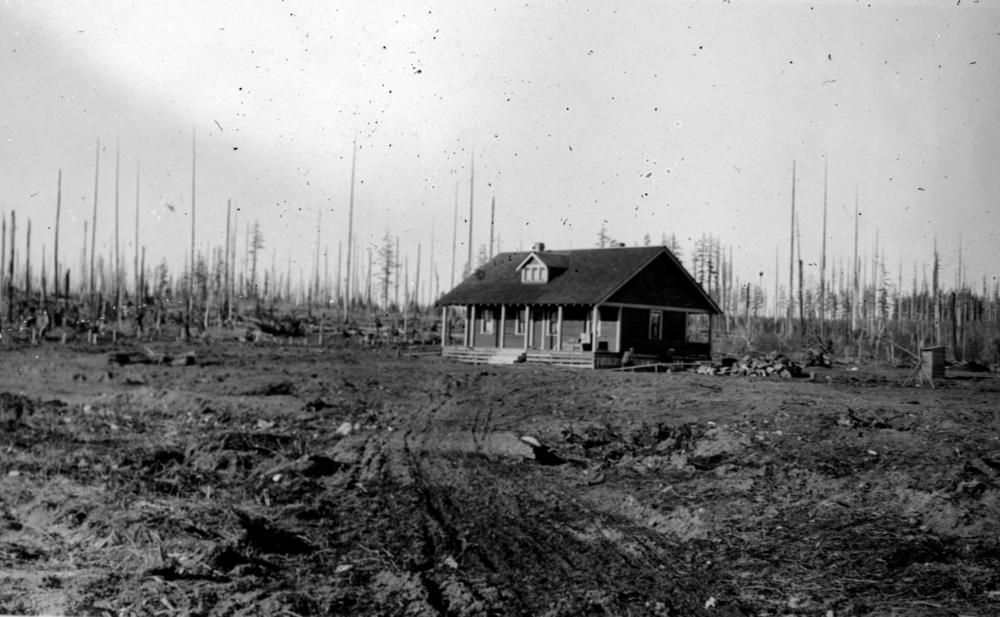
In the early 2000s, the British Columbia Paleontological Alliance began discussions with the province to implement a provincial fossil management framework, according to Bowen.
Over a 20-year period, the alliance worked to improve management of fossils in the province.
In 2022, the province adopted fossil management policies that, among other things, prohibited the removal and sale of fossils from B.C.
Fossil collectors can keep their finds, “as caretakers, not owners, of the fossil,” according to the B.C. fossil management website.
The alliance’s efforts have transformed B.C. from a paleontological backwater into a place where paleontologists cannot keep up with the number of new discoveries to science.
Over the years since Mike Trask’s discovery of the elasmosaur, fossil collectors have found new genera and species to science across the province, numbering in the hundreds.
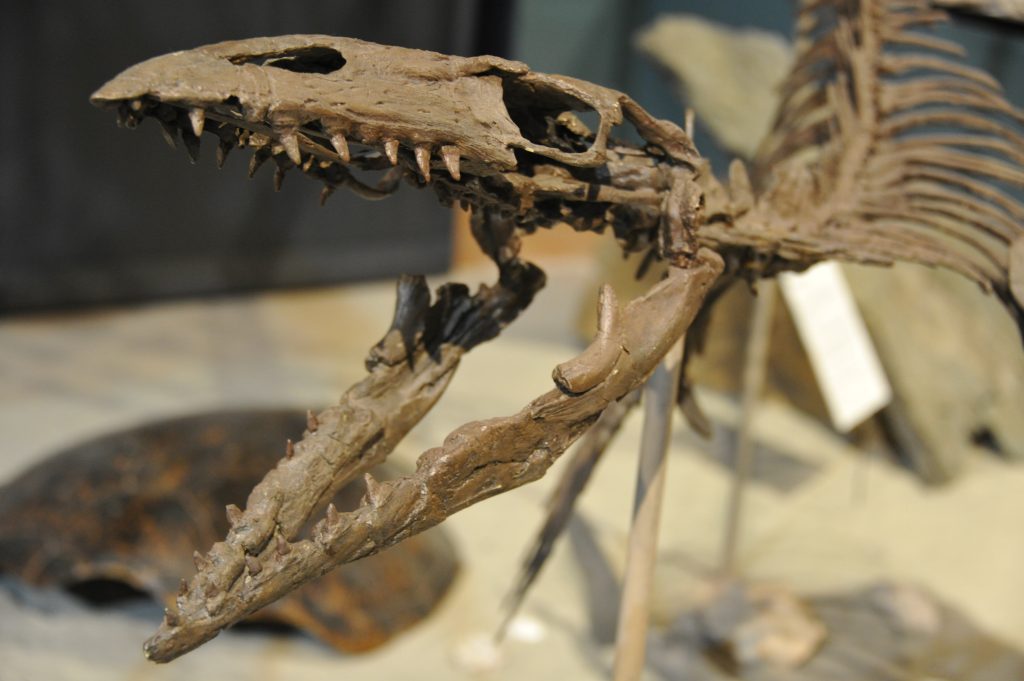
This includes the marine reptile found by Zanbilowicz on that first field trip. Betsy Nicholls, the same paleontologist who helped describe the elasmosaur specimen with Trask, described the reptile as a mosasaur, named Kourisodon puntledgensis.
The mosasaur was a new genus and species and the name means “razor tooth from the Puntledge River.” It is like no other mosasaur found on the planet with its unique razor-blade-like teeth.
A number of Comox Valley fossil hunters have fossil taxa named for them as the discoverers. Following Bowen’s discovery of a crab, the species Cretalamoha boweni was named in his honour.
In 2023, through a decades-long initiative by the British Columbia Paleontological Alliance, the province adopted Trask’s elasmosaur as the provincial fossil, alongside six other symbols, including the Pacific dogwood and spirit bear.
Despite decades of paleontologists describing new species, none could describe Trask’s elasmosaur because of its poor preservation, notes paleontologist Robin O’Keefe in a 2025 paper about the specimen.
It took more than 30 years for another elasmosaur specimen to be found, this one by Trask’s twin brother, Pat Trask. With this new material, O’Keefe, who works from Marshall University in West Virginia, could name a new genus and species.
In spring 2025, O’Keefe named it Traskasaura sandrae. The genus name honours Mike, Heather and Pat Trask.
Pat Trask travelled to his brother’s home to tell him the news. “At that point,” Pat Trask said in an interview with the Discourse, “he was on oxygen. He wasn’t leaving his house much.”
Two weeks after hearing of the honour, on May 15, 2025, Mike Trask passed away peacefully in his home, shortly before the results of the paper could be made public.
Trask’s legacy
Trask epitomized the citizen scientist in the fossil hunting world, Hebda said, “and the importance, incredible importance, of curiosity and where curiosity leads — from within the community, not from a formal institution.”
From early on, the vision of the British Columbia Paleontological Alliance, “was citizen scientists working together with professional paleontologists for the betterment of paleontology in B.C.,” Bowen explained. This was the plan by Rolf Ludvigsen and Mike Trask, two of the founding members.
“The huge contributions to the science of paleontology have been well documented over the past 30 years by the 15 paleontological symposiums hosted by the British Columbia Paleontological Alliance. As well as the 150 members and many institutions who support the Alliance,” Bowen said.
“The Mike Trask legacy will live on and be remembered as what the contribution of a citizen scientist can accomplish.”
What did you think of this story?
Your feedback after we publish a story helps ensure we're always improving our reporting to better serve you
Related Articles
Comox Valley, Nanaimo land trusts raising funds to support Deep Bay land conservation purchase
In a partnership with the Comox Valley and Nanaimo Area land trusts, BC Parks Foundation is fundraising to protect 50 hectares of pristine shoreline in Deep Bay and make it accessible to the public.

Community collaboration gives second chance to beloved dinghy in Comox
In a race against time to bring a public flower installation to life, Emily Yewchuk leans on support from Comox Valley’s Project Inclusion to make it a reality.
How is The Discourse’s journalism funded?
And what does it cost to produce The Discourse’s in-depth, independent journalism?