
Courtenay organization turns to community after losing funding for programs
Lake Trail Community Education Society hopes the Courtenay community can help raise $50k to support its programming for all ages.
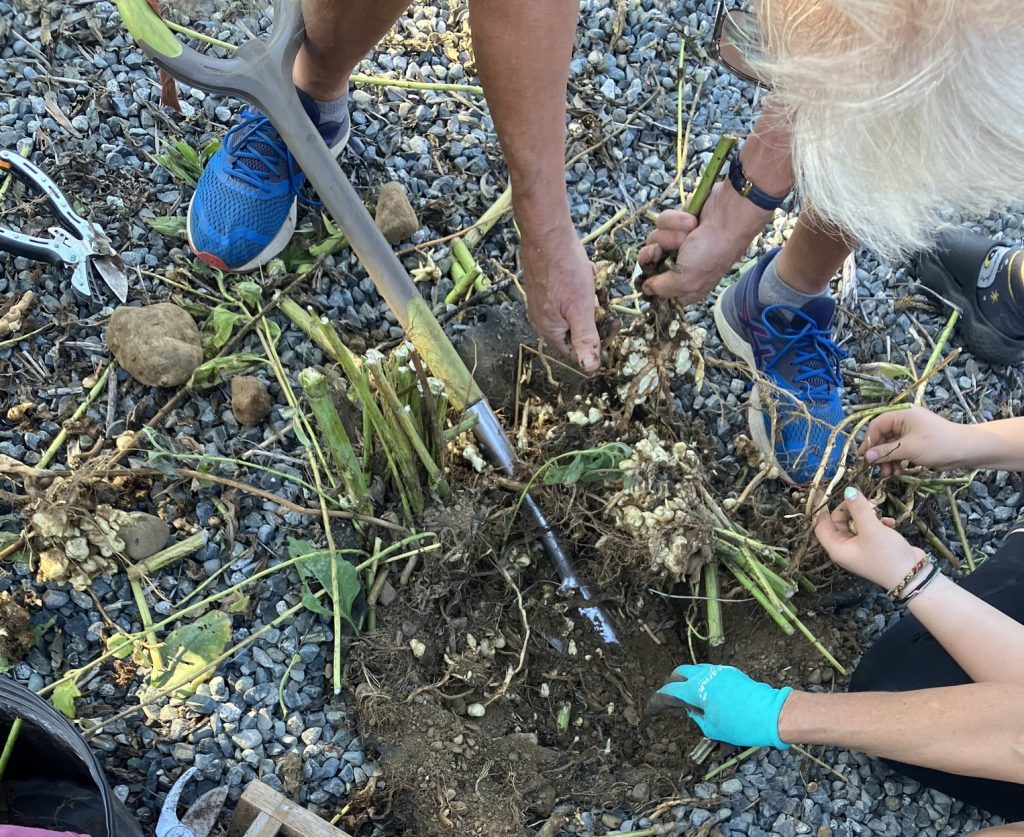
An organization in Courtenay is hoping to raise $50,000 before the school year begins after a loss of funding could mean a reduction in programs that support youth and community empowerment, connection, resilience and food security.
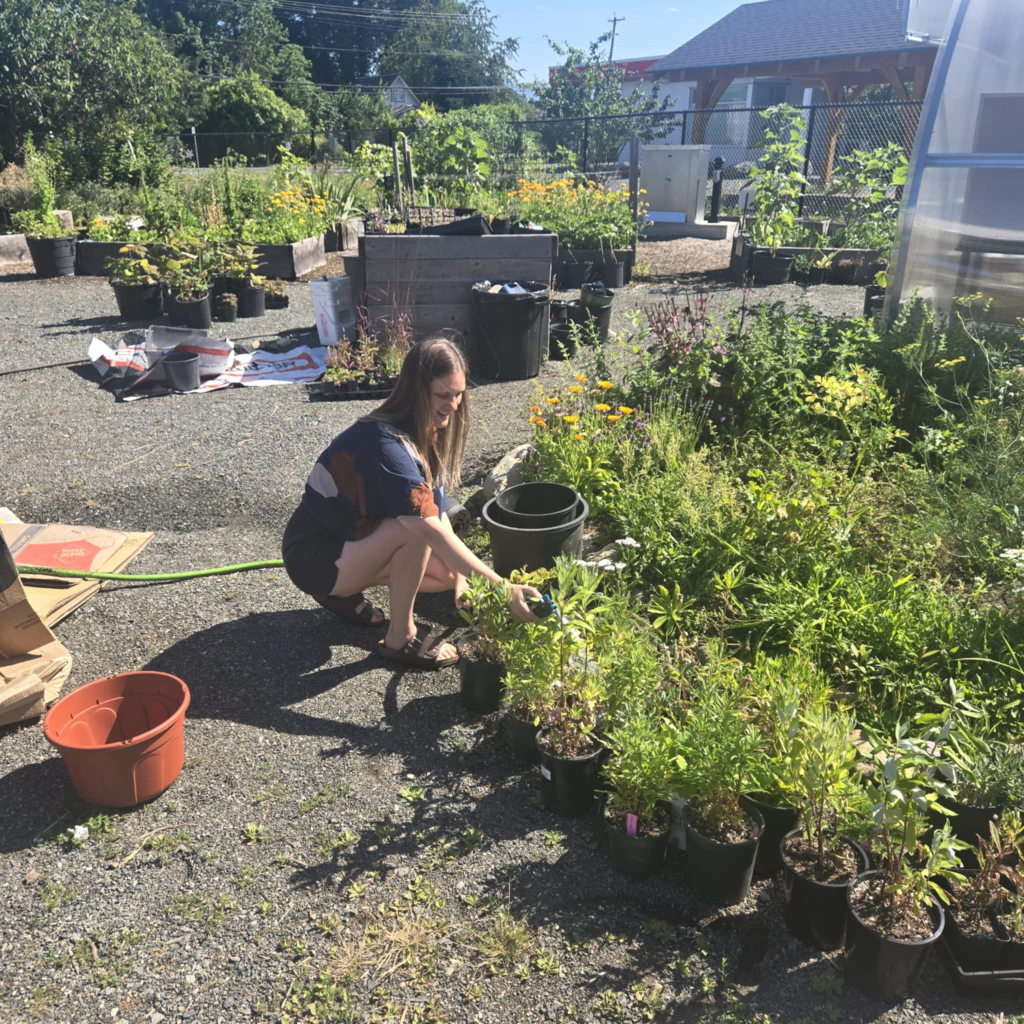
Lake Trail Community Education Society offers free after-school programs including cooking, forest exploration, stop-motion animation and sewing. It also hosts food security initiatives such as a weekly salad bar for youth, a free food pantry and a community garden on the Lake Trail Community school grounds. People of all ages join in on the programming, allowing for intergenerational connection as well.
Year-round events and services such as the Repair Cafe, Community Connections Day and an Earth Day free store are also organized and hosted by the society.
Anna Rambow, executive director of the Lake Trail Community Education Society, said she is worried that some of these programs may be cut after losing a core source of its funding last year.
Several factors, including organizational growth and transitions, combined around the time the organization was hoping to receive much-needed grant funding from two different sources. Despite the volunteer board doing “everything they could,” they were unsuccessful and lost funds that would have supported a large portion of the society’s annual operating budget.
“It was like, everything all at once,” Rambow said.
Now, Rambow said they are back on track from an organizational standpoint, but are looking to the community for funding support to keep programs going.
A tough year for Lake Trail Community Education Society
Lake Trail Community Education Society was founded in 2010 with a goal to empower residents to strengthen their neighbourhood with the local school, then called Lake Trail Middle School, as its hub. The school changed its name in 2019 to Lake Trail Community School and was officially designated as a Community School.
These are public schools that go beyond addressing the needs of school-aged kids and extend to provide opportunities for residents of all ages and walks of life to participate in local events., They remain open outside of typical school hours for activities.
In a statement, the society said it has become a lifeline for the community.
Last year proved to be a difficult one for the society and for Rambow, personally. Her husband was going through cancer treatment in 2024, leading to Rambow taking time off to support him. The society continued operating but also saw some internal changes and growth, such as hiring a youth worker and food and garden coordinator.
“My husband is in remission, we’re moving both feet ahead, but we have this $50,000 loss that we need to get through until we are in the next cycle again,” Rambow said.
The society is looking back to its community for funds to continue to run. The organization launched an emergency fundraising campaign online and as of July 17, it had raised $2,375 of its $50,000 goal. The goal of the funds is to sustain the programming until grants can be secured again in 2026.
“We need to know by the end of the summer if we’re gaining enough traction to be able to keep all of our programs running at the same level or if we need to make some decisions about what to reduce,” Rambow said.
‘The last thing we would cut is programs for youth’
Rambow said it’s not easy to think about which programs may need to be cut, especially since the programs have been growing in more recent years.
“We’ve been able to hire an incredible youth worker and fantastic food and garden coordinator, and both of them are out there building relationships with young people and community members,” Rambow said.
“The thought of reducing their hours — that directly translates to the community losing capacity in their ability to form and maintain healthy relationships with one another.”
Rambow said the youth programs the society offers are important to provide them with spaces to develop safe and supportive relationships with peers, adults and seniors in the community.
“The last thing that we would cut is programs for youth,” she said.
The society runs a free salad bar each week for the youth in school, with many community members joining in. Many locals, including retirees, come in and work with the food coordinator to create the salad bar and serve it to the school.
Without the funds, it may be the food security initiatives or the salad bar programs which would need to go, Rambow said.
The cancellation of programs could also have long-term impacts on the society and the community. In 2024, MyComoxValleyNow reported that the Comox Valley Food Bank had seen a 250 per cent increase in use the last two years.
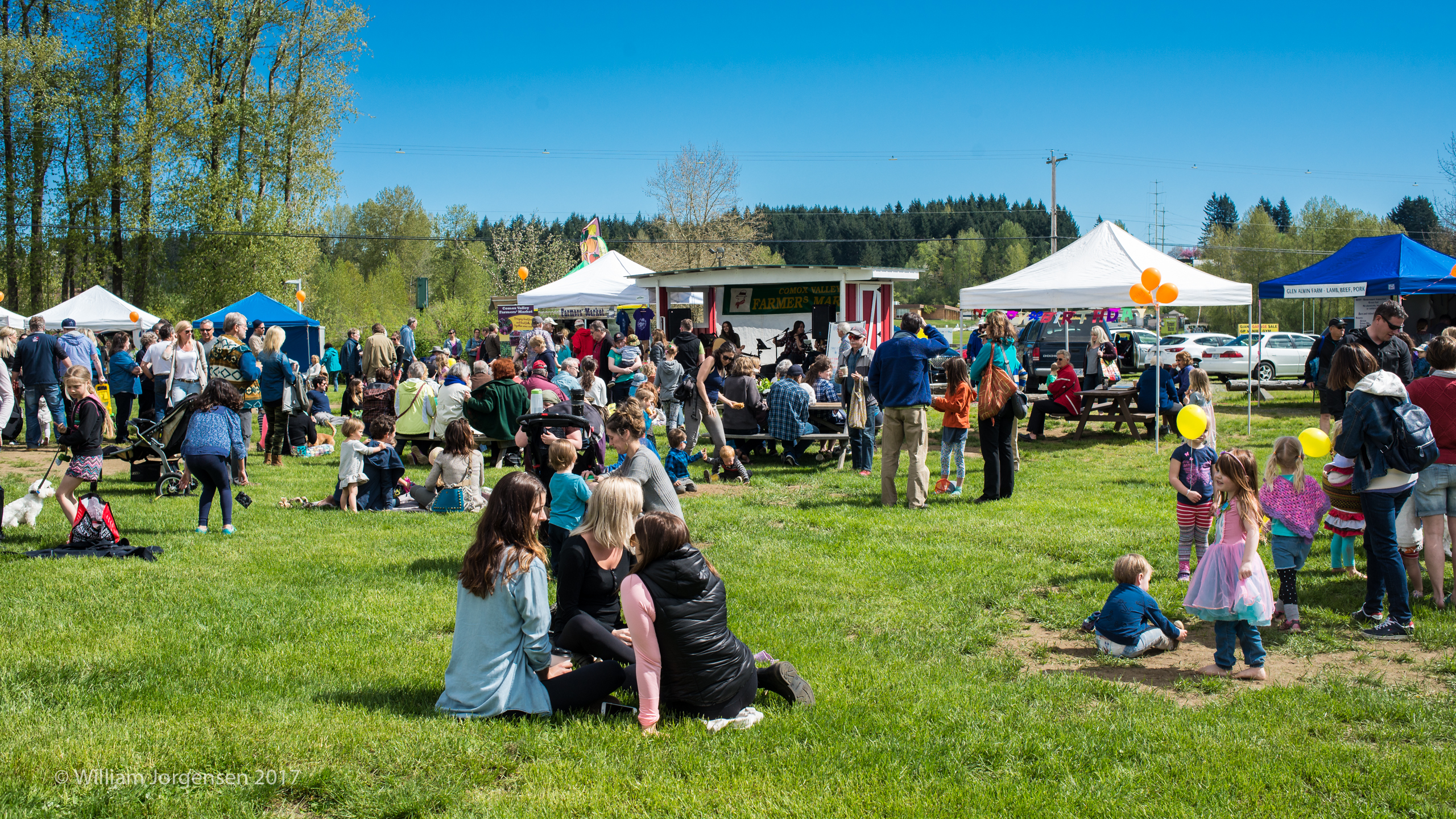
“Inclusive community events, gardening and food initiatives and intergenerational gatherings may be reduced or paused. The ripple effects of this funding loss could last well beyond this year, threatening the momentum we’ve built over time,” a statement from the society said.

A third place
Rambow said that despite the adversity, she thinks the organization stepped up during a difficult time. She said the staff jumped in to keep things moving when she had to take time off and that while administrative challenges were happening behind the scenes, programs continued to grow.
“Beautiful things were happening,” Rambow said.
“It just feels like that sort of momentum is really inspiring. Because oftentimes when you are faced with adversity it can translate to the whole organization having a tricky time, but that wasn’t really the case. I think it’s a testimony to what the programs mean to the community.”
Rambow said she loves how the programs are a grassroots reflection of the community itself.
One example is the Thursday potluck hosted in the community garden, where people from different walks of life come together to connect with each other. Participants range from families, young children, retirees and older youth, Rambow said.
“When I think of those third places, those free spaces where people can come together, there really aren’t that many of them anymore,” she said.
The term third place was coined in 1980 by sociologist Ray Oldenburg. It refers to a space that is not at home or at work. Third places are areas where a community goes to connect and are typically free, such as parks or libraries.
“You know, there’s libraries, there’s outdoor spaces like parks, but most places you have to pay to be in there now,” Rambow said. She added that “it would be a real shame” to have to draw back at a point in time when the community is saying “we need more of this.”
Lake Trail Community Education Society partners with the school district, using school facilities and outdoor spaces to host its programming. This means money donated to its emergency fundraising campaign will not go towards overhead costs and will be directed to staff and programs instead. In a statement, the society said funds from the campaign would support programming into 2026, until grants can be resecured.
“This kind of loss would be hard for any small organization to absorb but we are resilient,” Rambow said in a statement. “Students and families know we are always going to be here for them. However, given the challenges we face this year, we appreciate any level of support to help us keep investing in the health and well-being of our community.”
What did you think of this story?
Your feedback after we publish a story helps ensure we're always improving our reporting to better serve you
Author

Related Articles
How is The Discourse’s journalism funded?
And what does it cost to produce The Discourse’s in-depth, independent journalism?
How do Comox Valley governments and public organizations use AI?
The Discourse reached out to Comox Valley governments and organizations to find out how they are handling the use of AI.
What to do and where to go during extreme heat events in Nanaimo, the Comox Valley and the Cowichan Valley
A guide to prepare for extreme heat events on Vancouver Island