
Community project honours 84,000 fish that died in Cowichan River
Project 84,000 brings together community and art ‘for the love of water and fish.’

When Jennifer Shepherd heard that at least 84,000 trout died in the Quw’utsun Sta’lo’ (Cowichan River) last summer due to environmental factors, she felt moved to do something.
Shepherd, a community researcher with the Xwulqw’selu Connections project, considers the fish to be her relations, her kin — a teaching that is prevalent among Quw’utsun Mustimuhw (Cowichan People) — and her work with the land, water and community has helped reinforce her relationship to the living beings around her. She’s not the only one who feels this connection.
She began to speak with community members at events, meetings and while out and about and gathered a sense of collective grief and loss — not only over the thousands of fish that died last summer, but also over the deeply impactful changes that are taking place due to human activity and human-caused climate change.
To create space to honour these changes and loss, and memorialize the fish that died, Shepherd turned to art. And with support and collaboration from the community came Project 84,000 — a community art project that is “for the love of water and fish.”
“Arts really have a way to move us through emotion in ways that factual communications can’t,” Shepherd said.
An opening to process loss in the Cowichan River
The more Shepherd spoke with community members about their feelings regarding the fish die-off and changes in local watersheds, the more she realized people were opening up in ways they may not have done so in everyday conversations.
“I really felt there was an opening and a readiness for us to begin to really process these losses in the community,” Shepherd said.
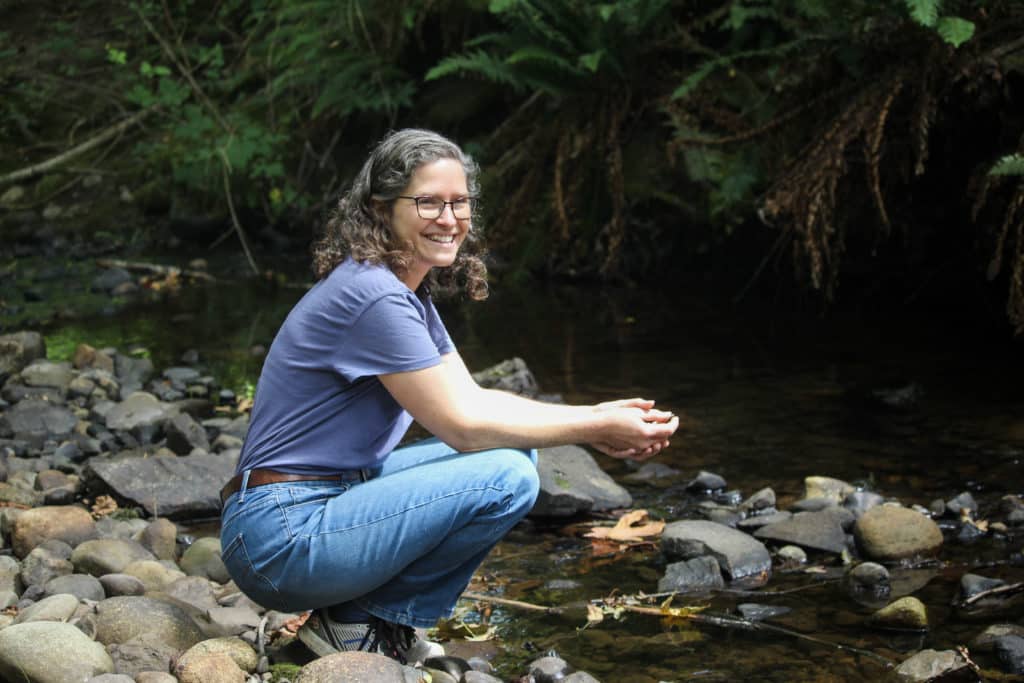
She reached out to Judy Brayden, who is vice president of the Cowichan Lake and River Stewardship Society and is deeply connected to the arts in the community. Brayden came up with the idea of creating collagraph prints to visualize what 84,000 fish looks like and help people comprehend the enormity of this loss.
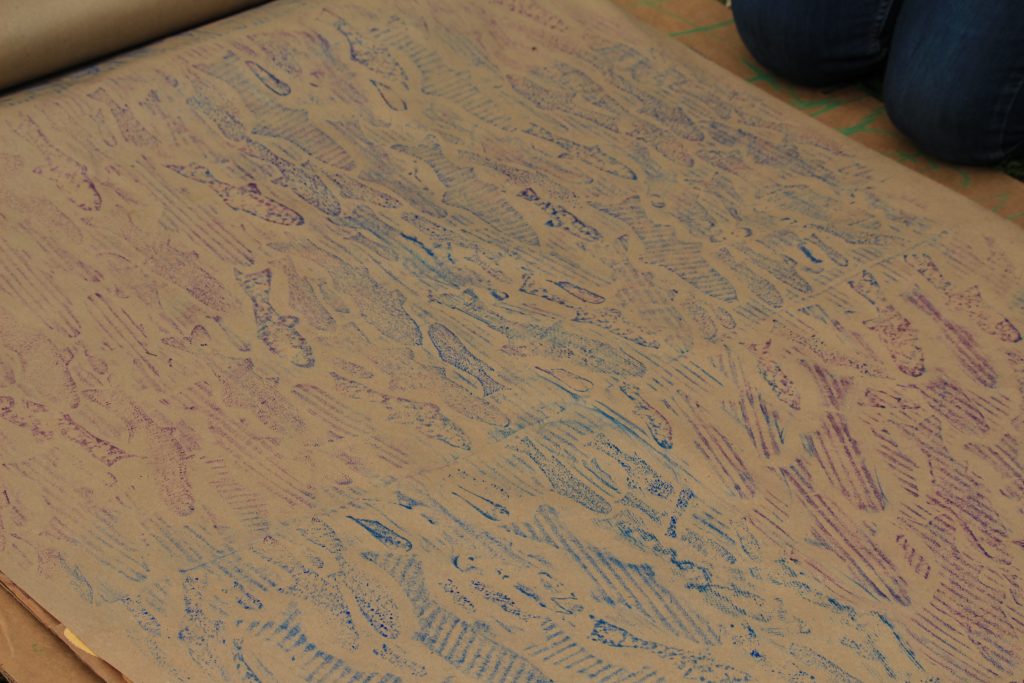
The collagraph prints are created by gluing cut-out fish shapes to cardboard, laying long rolls of brown paper over the shapes and rubbing wax crayons in the paper to reveal imprints of the fish.
Several community members and groups came together to create the templates with the fish and cardboard, and the project made its debut at Stth’lhnamut sqw’ulum (the First Salmon Ceremony) that took place earlier in April along the banks of the Xwulqw’selu Sta’lo’. The ceremony, led by Quw’utsun Elders, brought community members and youth together to welcome salmon back to the river.
Adults and youth took turns participating in Project 84,000 after the ceremony. They kneeled in groups around a long roll of brown paper that was laid on the ground with wax crayons in hand and rubbed the crayons on the paper to reveal fish imprints in hues of blue and green.
“It was really important to me that we chose a moment to honour the work, honour the fish and place,” Shepherd said. “So on the shores of the Xwulqw’selu Sta’lo’ (Koksilah River), which flows into the Quw’utsun Sta’lo’, was really a beautiful place for this first rubbing event, and certainly the children being involved in those first rubbings was even more special.”
Read also: First Salmon Ceremony brings community together for the river, land and fish
A project with intentions
While the project is very tactile and action-oriented, it carries five main intentions with it as well.
The final project will serve as a visualization of 84,000 fish and support community members in beginning to comprehend the immense loss of life that took place in the Quw’utsun Sta’lo’ last summer.

The number 84,000 is the best estimate of steelhead trout fry that were killed in the upper stretch of the Cowichan River. Mike McCulloch, an anadromous fisheries specialist with the province’s Ministry of Water, Land and Resource Stewardship presented on last summer’s fish mortality event to the Cowichan Watershed Board earlier this year. Environmental factors such as warm temperatures, algal growth and poor water quality contributed to the fish deaths. Low water flows in the river also increased the concentration of effluent that was discharged in the river from the Town of Lake Cowichan’s sewage-treatment facility, according to reporting from Sixmountains.ca.
Other species of fish that were impacted include brown trout and cutthroat trout, and while 84,000 steelhead fry were accounted for as killed, the magnitude of fish loss and impacts on other species and life-stages could be even greater, according to the presentation from McCulloch.
Read also: Cowichan weir funding announcement celebrates collaboration and partnership
Shepherd acknowledged that the loss of life in the river could be much greater, but said the number 84,000 gives community members something tangible to anchor to, to make this mass event “more real.”
“We thought visualizing that number would help us to actually really see and appreciate what the size is of losing 84,000 fish, because we can’t always see what’s under the surface of the water,” Shepherd said.
Another project intention is to support people in growing their skills to stay present in themselves when feelings of grief come up. By collaborating on a project together, or creating art together, bonds of connection and healing are formed within the community, Shepherd said. This allows people to hold space for each other as we continue to live in a changing world.
The third intention of Project 84,000 is to give people an opportunity to express and honour the love they have for the natural world and their place in it.
“Some folks might not be ready to go that deep or be that vulnerable with one another, but they’re sure able to get in there and do something very tactile … feel that physical relationship between the crayon and the paper and the fish underneath,” Shepherd said.

The project also creates space for community members to learn about the factors that contributed to this fish die-off, Shepherd said, which is another intention of the project. It allows folks to connect and relate on a factual level.
And finally, the project is meant to encourage dialogue amongst the community as well as other forms of stewardship actions that people can take on as individuals or collectively.
Collaboration and community come together to move through grief
The goal is to make 30 collagraph plates that people can use to make the fish rubbings for the project, Shepherd said, and the community has really come together to make this happen. The plates will then be taken to various community events and spaces so people can participate in creating the rubbings for the project.
Shepherd said teachings that she has received speak to the importance of witnessing others in grief as a community.
“Often [grief] is something that is a private practice and that can feel very lonely and isolated,” Shepherd said. “But when we connect with others and really see and appreciate that we’re not alone, that we do share this collective grief, then that can help to be seen and nourish those bonds of belonging and connection with one another and help grief to move through us.”
Art practices are one way for community members to come together and move through grief, Shepherd said. Even without speaking, the act of rubbing the wax crayons on the paper can create a space for rest and play and relieve some fatigue while being present with oneself.
From April to September, community members will be able to participate in Project 84,000 at various events around the Cowichan Valley. Activity kits can also be requested for classrooms or events that community members want to hold.
On Sept. 22, the rubbings will be part of an outdoor ceremony at Quw’utsun Sta’lo’ Skweyul (Cowichan River Day). Following that, they will be on display between Sept. 27 and Oct. 19 at the Cowichan Valley Arts Council Gallery where Shepherd said witnessing circles and other chances to be present with the work will be available.
A list of events where people can participate in the project can be found on the Project 84,000 website.
What did you think of this story?
Your feedback after we publish a story helps ensure we're always improving our reporting to better serve you
Author

Related Articles
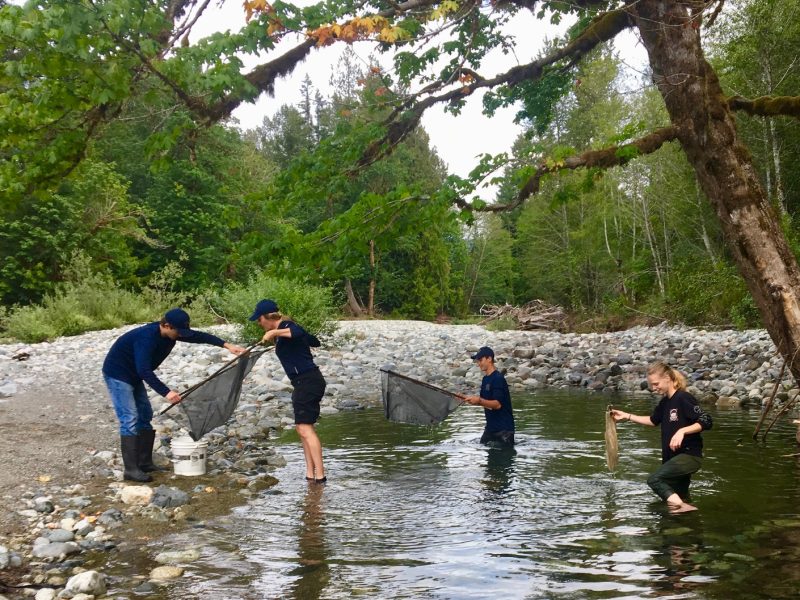
What to do and who to call when juvenile salmon are in danger
Officials say Cowichan Valley residents should call experts to move salmon in isolated pools because of risks associated with relocation.
How is The Discourse’s journalism funded?
And what does it cost to produce The Discourse’s in-depth, independent journalism?
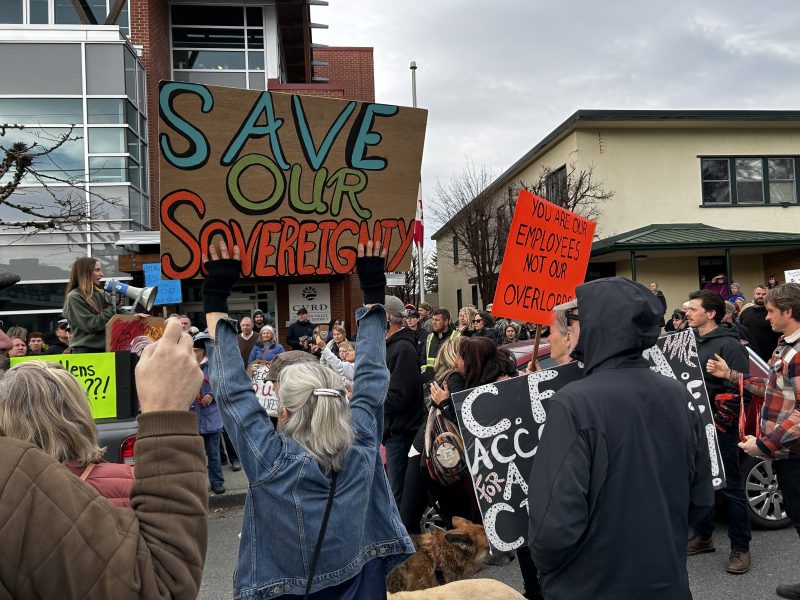
Behind the backlash to the Cowichan Valley’s comprehensive zoning bylaw
The campaign against Bylaw 4710 was fuelled, in part, by misinformation and an organized group of advocates. What could this mean for the future of local politics?