
‘No one in our community is disposable’: Island Health and community call on North Cowichan to rethink sheltering sites
Designated overnight sheltering sites in Somenos marsh are ‘increasingly dangerous’, outreach groups say.
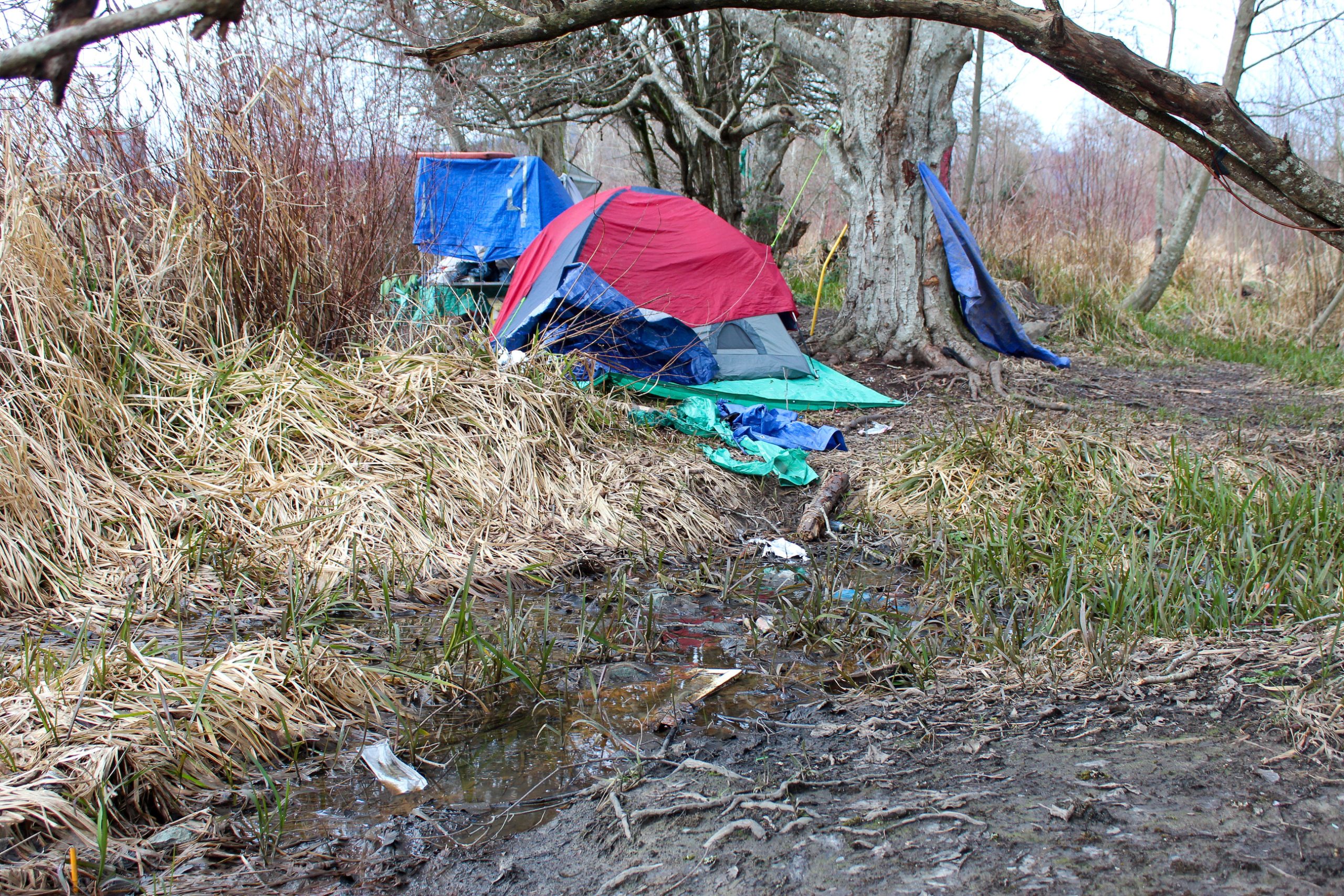
Island Health and several community organizations are urging North Cowichan council to reconsider its recently-designated shelter sites for people who are unhoused. The groups warn that the new locations pose overdose risks, limit access to care and expose residents to environmental hazards.
A letter from Island Health’s regional medical health officer, Dr. Melissa Wan, and one that was cosigned by representatives from the Cowichan Coalition to end Homelessness, Canadian Mental Health Association – Cowichan Valley Branch, Cowichan Tribes and United Way Central and North Vancouver Island were received at North Cowichan’s Feb. 4 regular council meeting. They said conditions at designated shelter sites in Somenos Marsh have deteriorated since a November decampment on Lewis Street, and called for safer, more accessible alternatives developed in consultation with people experiencing homelessness.
On Nov. 17, 2025, North Cowichan bylaw, aided by RCMP, dismantled an encampment on Lewis Street — home to around 75 people — and transitioned residents to other sites around the municipality citing public safety concerns.
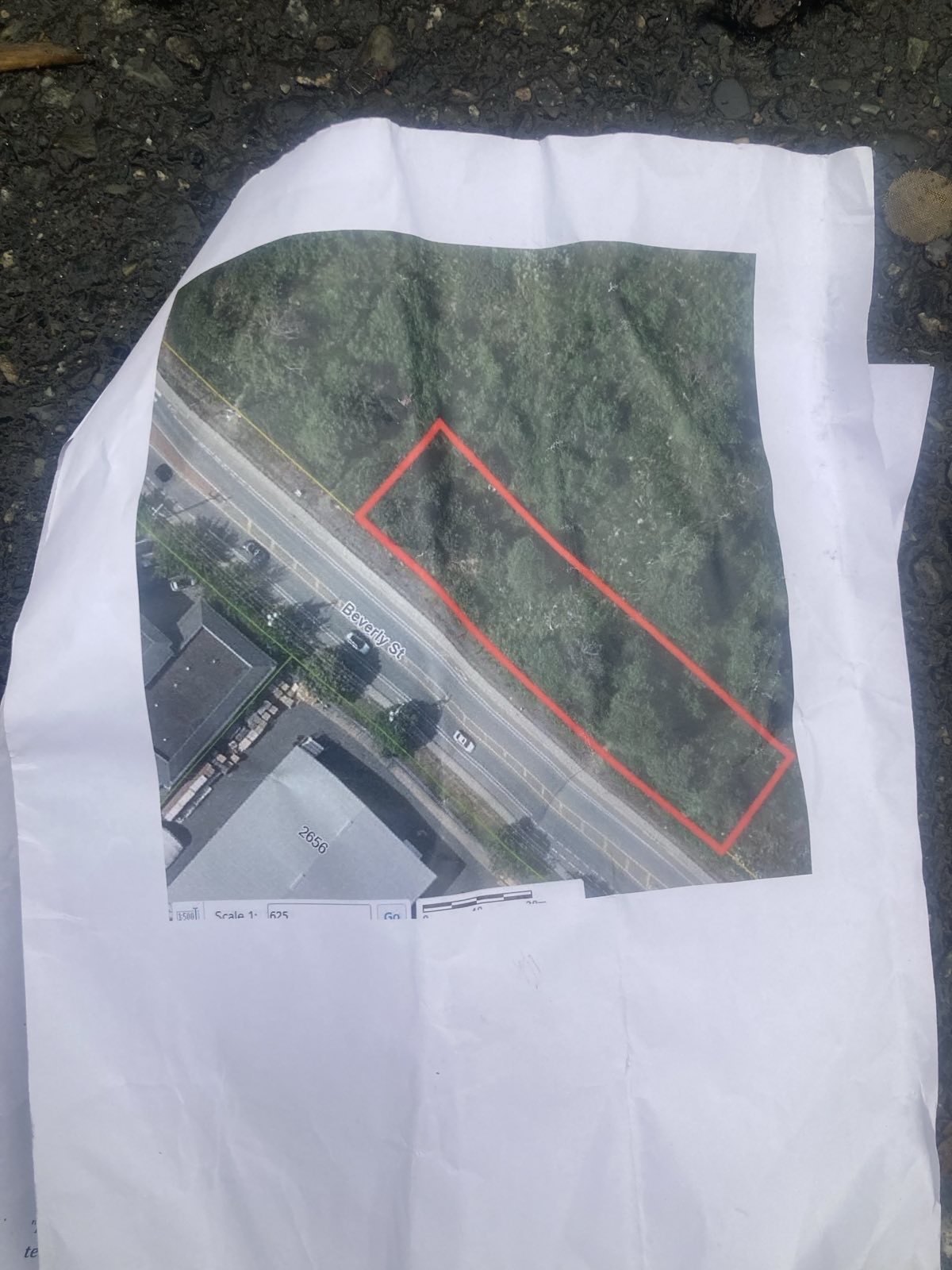
Residents were told to relocate to the three other sites around the municipality, one at Paddle Road, one on the dyke pathway at the end of York Road and one on a strip of land near Beverly Street in Somenos Marsh.
The days following the dismantling also saw a record-breaking 80 overdoses in the region. Those overdoses were not officially linked to the decampment, but community members, including people from the Cowichan Community Care Network, raised the alarm and noted that street sweeps are being increasingly linked to an increase in overdoses.
Wan’s letter highlights the “preventable health impacts” following the displacement of those living on Lewis Street and asks the municipality to review the current sheltering options in the regions.
“Our partners have identified concerns regarding individuals’ access to health care and some of the preventable health harms that are associated with the current sheltering locations,” Wan told The Discourse.
The concerns include environmental hazards at the site in Somenos Marsh and limited access to outreach programs and emergency health services.
The joint letter echoes Wan’s concerns, describing the sites as “uninhabitable” because of flooding, rainfall and tidal conditions. Since Nov. 17, a working group of service providers and community partners have been meeting weekly to address the issues that have arisen following the decampment.
“We are writing with urgency to request that Mayor and Council reconsider the sanctioned sites currently designated for displaced residents. The locations along and within the Somenos Marsh have become uninhabitable due to rainfall, flooding and tidal conditions,” the letter reads.
Dianne Hinton, from the Cowichan Coalition to end Homelessness, said she hopes council will consider a different site outside of the marsh and, if another decampment is required, consult the people affected before any move.
“What we would want is a coordinated, cooperative, compassionate response that we would build together. And that that response would be guided with input from the folks who were being displaced,” she said.
Corey Ranger, a local registered nurse with experience in street outreach, harm reduction and community health, also recently wrote to council urging the municipality to take responsibility for the “harms” which followed the displacement of unhoused residents who were displaced from Lewis Street.
In the letter, which was provided to The Discourse, he called on council to immediately designate a safe and accessible alternative for sheltering, halt all further encampment sweeps and forced displacements and allocate additional funding to local outreach and support teams.
Ranger disputed a claim made by John Horn, manager of social and protective services for the municipality, at the council meeting on Feb. 4 that there was no correlation between the decampment and the spike in overdoses which occurred shortly after. Horn also alluded that these sites were the best available options based on requirements voiced by outreach organizations.
“The absence of accountability does not equate to the absence of responsibility — particularly when the harms were foreseeable, observable and well documented,” he wrote. “To suggest that council’s hands were tied, or that identifying alternative sheltering options would have taken too long, reflects a form of weaponized incompetence rather than genuine constraint.”
Cascading issues following Lewis Street decampment
Finding people immediately after the decampment was a challenge, Hinton said.
Those requiring daily care were the most vulnerable because many service providers could not locate their clients once residents were dispersed to the sanctioned sites or elsewhere.
Dispersing people also compounded the risk and harm of overdoses, she said.
“When folks were sheltering in close proximity, neighbors could look out for one another and also share resources,” she said. The decampment made it more difficult for displaced people to access opioid agonist treatment, which is used to prevent withdrawal symptoms and cravings for opioid drugs.
Hinton echoed the municipality’s assertion that there isn’t a causal link between the overdoses and the decampment, but said the move created conditions where the harms of overdose were amplified by dispersing people.
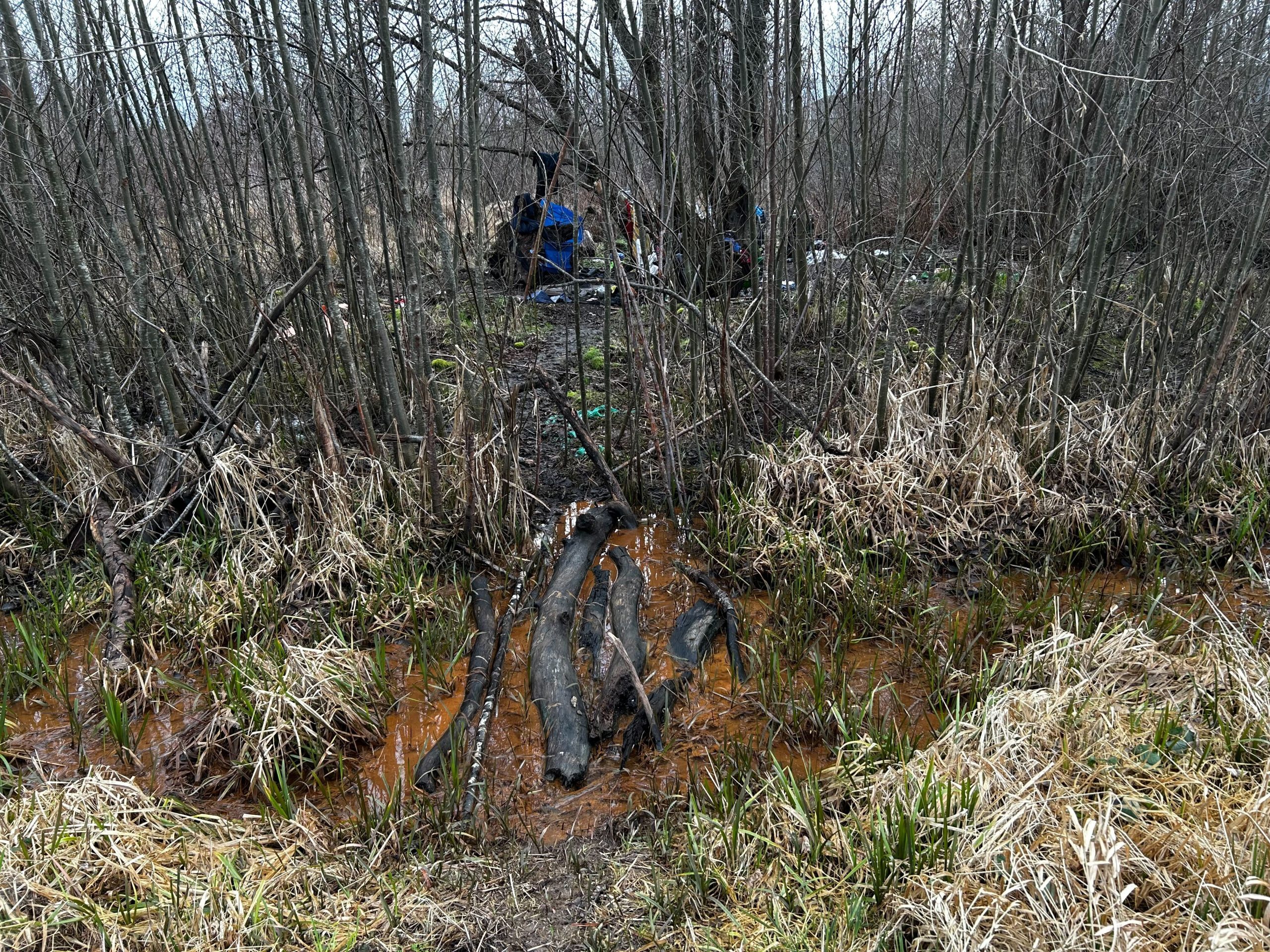
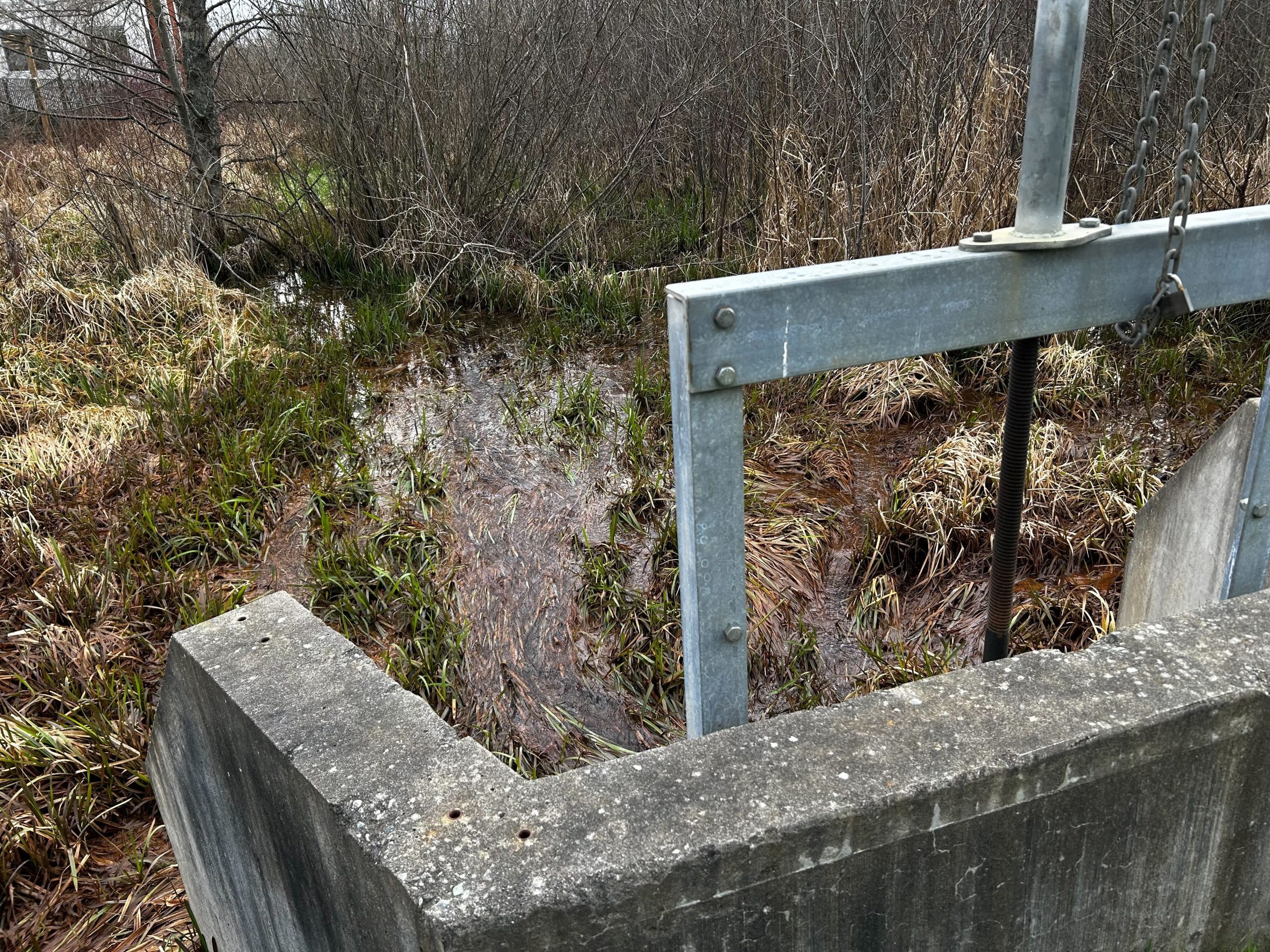
Adding to those concerns is the unpredictable terrain of the site located in Somenos Marsh. Much of it is underwater this time of year — often knee-height pools — leaving people unable to keep themselves or their belongings dry, while emergency services cannot safely reach deeper parts of the marsh, Hinton said.
She said the municipality has been a good partner to work with, but the coalition felt it needed to elevate its concerns to mayor and council as the situation became increasingly dangerous.
“The good work that people were doing wasn’t enough. The issues with that location, being underwater, is too insurmountable and no matter how good the effort, that location is just not okay,” she said.
What brought the risks into sharp focus for the coalition was the evacuation order issued for homes near the Chemainus River on Jan. 12, according to Hinton.
“That was the day we all just went, what are we doing here? So we just sort of stepped back a little and recognized that our efforts, in spite of being the best that people could do, just were not enough, and we had to take a different approach,” she said.
Ideally, Hinton said the municipality and service providers would have sat down in advance to create a plan for the decampment, taking into account the time of day, access to care providers and the wishes of residents being displaced. Hinton suggested that service providers and the people impacted need more time, agency and involvement in the process.
“If we get an opportunity to develop a coordinated response, even if it’s fairly general, we can keep it in our back pocket the next time,” she said.
North Cowichan asserts no fault in decampment strategy
At the Feb. 4 council meeting, Horn said the shelter sites were selected based on feedback from outreach providers that they be located close to the Overdose Prevention Site on York Road and Warmland Shelter.
“I would say we have done what they were seeking. We certainly did not request folks go deep into the marsh into the swampy areas. That was not any of the sanctioned sites, none of those fit that description.”
According to reports from the community, the coalition and a site visit by The Discourse, the sites appear to be surrounded by pooling water and there is evidence that other sections were at one time impacted by rainfall.
Horn added that he and municipal staff would be willing to discuss options for the sites with Island Health and outreach providers.
“We will continue to dialogue, and we’ll continue to be probably the least popular guys in the room, but we’ll carry on,” Horn said.
“There were many considerations and not a lot of good choices. So I think all of us sitting around this council table are, of course, very concerned with the welfare of the displaced residents,” said Coun. Christopher Justice at the meeting.
Mayor Rob Douglas told council he spoke with Island Health’s Dr. Melissa Wan before the meeting and agreed to meet with her in the coming days to discuss the municipality’s position on the issue.
When asked about the correlation between the decampment and the subsequent overdoses, Horn said service providers were clear “this was a bad batch of substances provided to members of the community who then overdosed on it.”
“There is no question that there is any fault in terms of what we did or how we did it,” Horn said.
Ranger took issue with the statement, writing to council that the “assertion is inaccurate and deeply troubling, particularly given the well-established evidence linking involuntary displacement to overdose risk.”
A recent study published in the journal Public Health — authored by researchers from Simon Fraser University, the B.C. Centre on Substance Use, Pivot Legal Society and others — found that street sweeps and confiscation of belongings in Vancouver was correlated with an increased risk of violence and overdose among unhoused individuals for up to six months afterward.
“The statistically significant association between non-fatal overdose and the confiscation of belongings among those reporting homelessness is of significant concern,” the study says.
A finding in the study also suggests that those whose belongings are confiscated from street sweeps could be forced into withdrawal or turn to different drug markets to replenish what was confiscated — markets where they may not have access to safer supply.
“To attribute the subsequent surge in poisonings solely to a ‘bad batch’ of drugs is both reductive and irresponsible. Forced displacement amplifies risk,” Ranger wrote.
The group that co-signed the letter asked council to consider using the parking lot of the Chesterfield Track located at the corner of Beverly Street and Lakes Road as an alternative sheltering location, but that idea was quickly shut down by council due to concerns it would create conflict with neighbours.
“It’s a quiet residential neighborhood, and I know those people in that surrounding area are going to be up in arms if this is suggested as a spot for a more permanent encampment,” Mayor Douglas said.
The Cowichan Sportsplex said in a Facebook post it has existing commitments for the parking lot and that it will be home to a future bike pump track.
Preventable health impacts
“Since the displacement, individuals formerly sheltering on Lewis Street have dispersed across multiple locations in North Cowichan with varying degrees of accessibility and infrastructure,” Wan’s letter to council reads.
The letter cites toxic drug poisonings as a major point of concern, pointing to the record number of overdoses in the days following the decampment. Risks remain high as residents are far away from outreach teams and harm reduction services and the response time for emergency responders to these individuals is also increased, the letter says.
A study published in the Journal of the American Medical Association in 2023 sought to understand the long-term health effects of involuntary displacement on people who are unhoused who inject drugs in U.S. cities. The study suggests that repeatedly forcing them to move makes overdoses and hospitalization much more likely and makes it harder for people to access addiction treatment, leading to a significant amount of preventable deaths.
Researchers estimated that between 16 per cent and 24 per cent of deaths among people who are unsheltered who use drugs in the U.S. over the next decade could be linked to involuntary displacement.
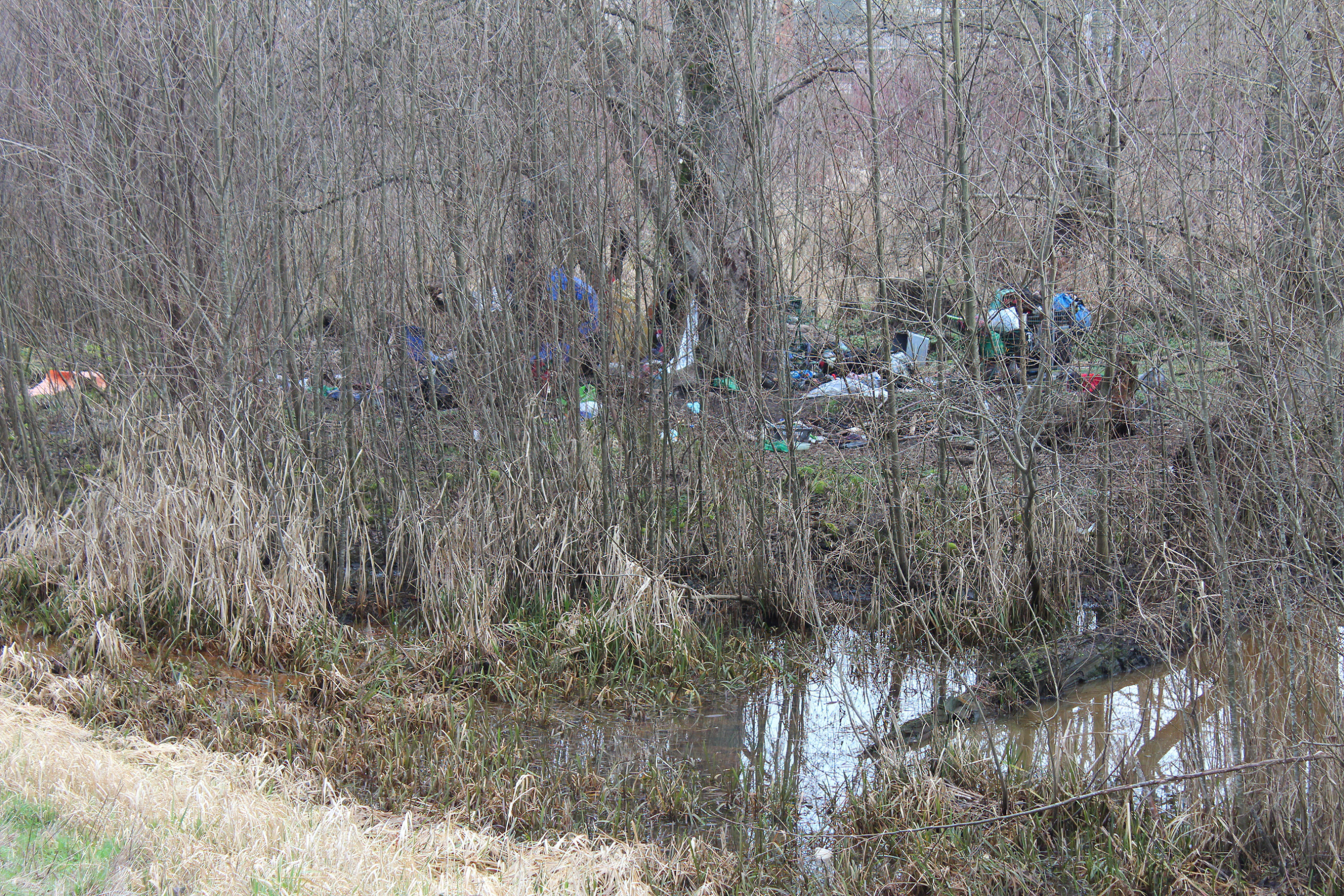
Wan said local outreach partners are facing difficulties physically accessing some of the shelter sites in North Cowichan due to flooding and difficult terrain. The letter also said environmental exposure is an ongoing risk as the sites have standing water which, when combined with cold temperature, can lead to trench foot, hypothermia and skin and soft tissue infections.
The isolated locations also make it difficult to provide services such as wound care, antibiotics and prescribed opioid agonist therapy.
Wan wrote that the geographic dispersal of sites complicates the monitoring of multidrug-resistant Shigella, which has been prevalent amongst people who have unstable housing and could have impacts on the broader community.
“Ensuring individuals can reliably reach for emergency health services, clinical follow-up and harm reduction support would help reduce foreseeable health impacts in our region,” she wrote.
When asked what prompted the letter from Island Health, Wan said the aim was to ask council to put a review of sheltering options back on the agenda and to work together to move things forward.
She added that “it’s not only North Cowichan, it’s all the municipalities surrounding that need to work together to evaluate what we can do for our community members in this setting.”
Displacement perpetuating harm
Ranger’s letter to council reiterates the connection between displacement and poor health outcomes for the people who are displaced.
“When people are pushed into harder-to-reach locations, disconnected from health and outreach services and stripped of community supports, the resulting harms are not accidental. They are the predictable outcomes of policy decisions. This is structural violence,” Ranger wrote.
He said the bare minimum would be to designate safe alternative sheltering and camping options, allocate more funding to outreach and support teams and cease any further sweeps.
In the long-term, Ranger calls for more low-barrier indoor shelter options, continued advocacy for income supports and rent supplements, rental market controls and investment in permanent housing solutions and modular homes. He said continued displacement will perpetuate harm and make this crisis worse.
“No one in our community is disposable,” he wrote.
“Safety and shelter for some doesn’t have to take away safety for others. That is a false binary that’s often employed by politicians, and we can create communities where everybody’s safety is prioritized,” Ranger said in an interview with The Discourse.
In that same interview, Ranger said he would like to see the municipality convene a meeting to consult residents who were displaced about what their needs are.
“Meet people at least halfway and acknowledge their [North Cowichan’s] role in the current situation and understand the context and challenges that are being experienced by folks living on the streets,” he said.
“While council may attempt to absolve itself of responsibility for the harms many of us have witnessed, absolution does not equal innocence. Safety is a right that extends to everyone, including those deprived of housing.”
What did you think of this story?
Your feedback after we publish a story helps ensure we're always improving our reporting to better serve you
Author

Related Articles
What to do and who to call when juvenile salmon are in danger
Officials say Cowichan Valley residents should call experts to move salmon in isolated pools because of risks associated with relocation.

How is The Discourse’s journalism funded?
And what does it cost to produce The Discourse’s in-depth, independent journalism?
Behind the backlash to the Cowichan Valley’s comprehensive zoning bylaw
The campaign against Bylaw 4710 was fuelled, in part, by misinformation and an organized group of advocates. What could this mean for the future of local politics?