
In photos: Cowichan Valley Pride Walk 2024
Downtown Duncan came alive with Pride as hundreds turned out to celebrate 2SLGBTQQIA+ rights and the community.

Last Sunday, Duncan was awash with colour and cheer, as the 2SLGBTQQIA+ community and its supporters came out to celebrate inclusion, visibility and human rights at the 2024 Cowichan Valley Pride Walk and Festival.
The atmosphere was joyous for the hundreds of people who walked together from the parking lot of Vancouver Island University, down Duncan Street and into City Square to enjoy entertainment, food and market shopping in the afternoon.
The day was also a sombre reminder of the uphill battle the 2SLGBTQQIA+ community faces today. Community members at Pride showed support of family, friends and peers who have faced violence, discrimination and harm.

“It’s really important to come together to feel the support of your peers, and also of the larger community so you don’t feel alone,” said Cowichan Pride Society President, Teresa Stebbing. “To see yourself reflected — it’s the antidote to the shame that so many people have to encounter in their lives.”
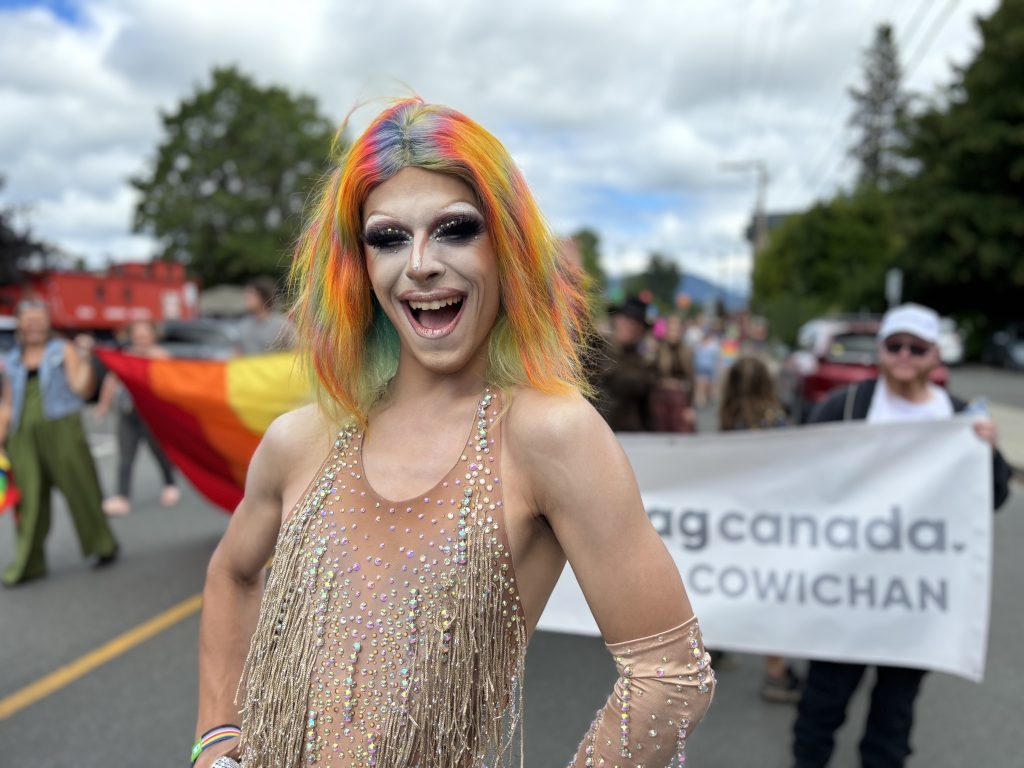
At the event, drag performer Jerriana said Pride is a celebration of life.
“That’s what life is about — just coming together, even though we’re all different.”
Related Story: 2024 Nanaimo Pride in photos
Pride dates back to the year following the 1969 New York Stonewall riots, where outraged queer citizens rallied against police raids on their gathering spaces.
In B.C., Vancouver Pride events surfaced in the early 1970s, and the first official Vancouver Pride parade was held in 1981.
The Cowichan Pride Society, by contrast, formed just two years ago, and this year marks the society’s second Pride Walk and Festival. Taking into account a 2019 parade organized by Cowichan Valley Youth Services after a decade without any Pride celebrations in Duncan, the city has hosted only a handful of Pride parades over the last 15 years.
“When I came to the Cowichan Valley and couldn’t even find a [Pride] t-shirt to buy, I was shocked,” Stebbing said. “So that’s where a small group of us got together last year and put on the first event.”

James Chamberlain is the President of Island Queers and Allies Who Care, an organization that helped fund this year’s Cowichan Pride Society Walk and Festival. He sees events like Sunday’s as a crucial counter to hate-based acts in the area.
“What we’re seeing across Canada is the transphobic people becoming more and more scared and intolerant, and through that process they’re becoming more shrill and more vitriolic,” Chamberlain said. “It’s really important that we stand up together in the face of hate and we say that love is love. People can have their own relationships. It’s nobody else’s business.”

While the walk radiated a sense of playfulness, Pride parades like Cowichan’s are also rooted in protest, as 2SLGBTQQIA+ march to be seen and heard and to push back against historic and ongoing harms against the community.
Michael Finley, one participant in this year’s walk, told The Discourse that since coming out as queer, he finds protesting a way to inspire younger peers to be proud.
“It’s very important for me now that I’m a little bit older to be visual, or to give some support,” he said. “And hopefully it’s a ripple effect that started a long time ago when I was young. I saw lots of people protesting, I saw a lot of work being done so that we can even do this.”
Read more: Reporter’s Notebook: ‘Pride is a protest’ as queerphobia rises on Vancouver Island

Drag performer Jerriana expressed the importance of Pride inclusivity, even if a parade comes around only once a year.
“I grew up in a small town. This is exactly what I needed,” Jerriana said. “I moved to Vancouver to see more vibrant color and joy, and to now be right here in Duncan in a smaller place — there’s just beautiful people, smiles, joy, laughter.”
Finley added that Duncan is a complicated place to live as a queer person. He said there’s sometimes comfort in retreating and not interacting with others unless needed.
“So today being the parade, I’ve gone the opposite. I want to be seen.”
And while the Pride Walk and Festival takes place on one specific day, Stebbing noted the values associated with it should be carried throughout the year.
“Pride is certainly a very important day on the calendar — but it’s not the only day on the calendar,” Stebbing said. “I would like the ideas of inclusivity and celebration to just become a part of everyday life. And that we carry this in our hearts every day.”

What did you think of this story?
Your feedback after we publish a story helps ensure we're always improving our reporting to better serve you
Author

Related Articles
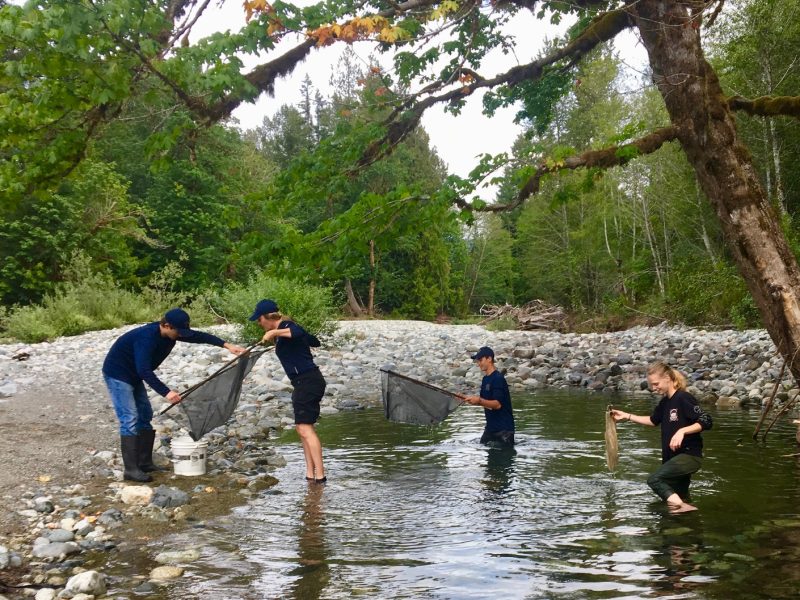
What to do and who to call when juvenile salmon are in danger
Officials say Cowichan Valley residents should call experts to move salmon in isolated pools because of risks associated with relocation.
How is The Discourse’s journalism funded?
And what does it cost to produce The Discourse’s in-depth, independent journalism?
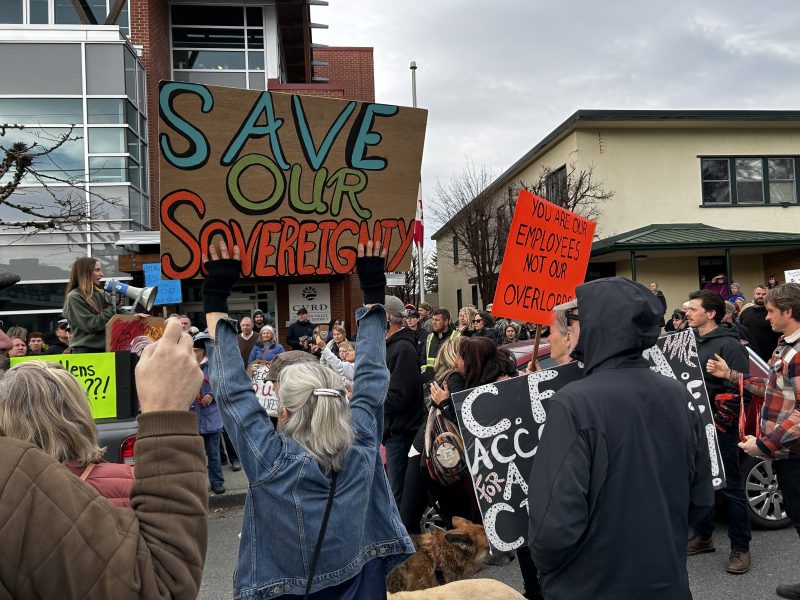
Behind the backlash to the Cowichan Valley’s comprehensive zoning bylaw
The campaign against Bylaw 4710 was fuelled, in part, by misinformation and an organized group of advocates. What could this mean for the future of local politics?