
Sprawling suburbs are the biggest threat to raptors in the Cowichan Valley, experts say
‘They don’t want human activity.’: Birds of prey are losing ground to human development in the Cowichan Valley, leading to habitat fragmentation and isolated populations.
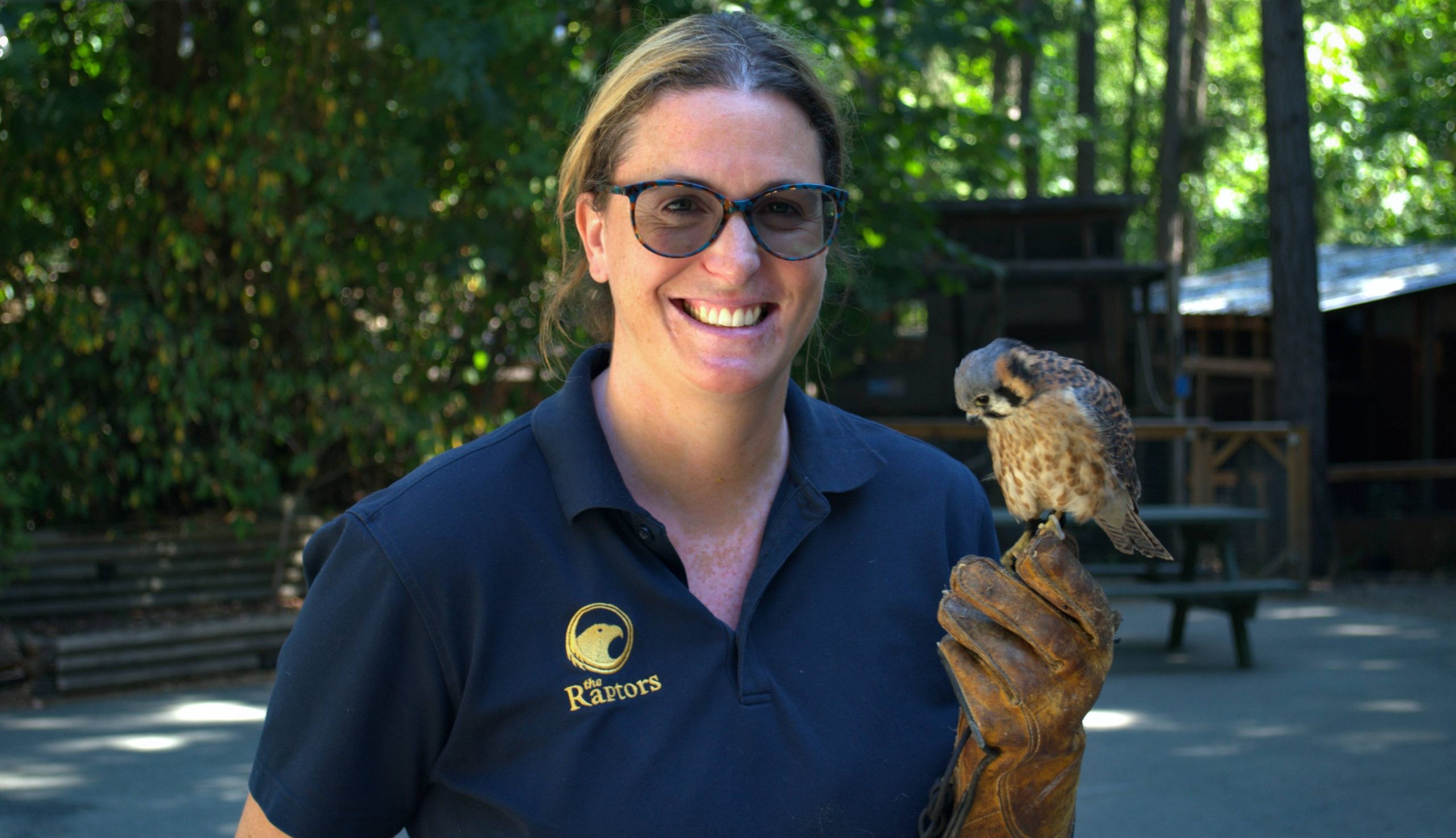
Bird experts say human expansion is the biggest threat to raptors in the Cowichan Valley as habitat fragmentation splits bird populations and favours species that are better adapted to living alongside people. But a local organization, as well as municipal governments, are working to ensure these birds are safe in the face of human activity.
“Even though we see them as these fierce top predators, they’re extremely vulnerable to environmental pressures,” said Robyn Radcliffe, director of The Raptors, a conservation and advocacy group based in North Cowichan that focuses on education about birds of prey.
Despite their status as apex predators, raptors occupy a fragile place in the food chain. Declines in prey species and toxins accumulating in the environment can have harmful downstream effects on their populations.
In the Cowichan Valley, Radcliffe said human activity — from logging and suburban development to recreational mountain biking — is putting pressure on the birds that live near urban areas.
“Say you put in a subdivision — they’re not going to fly from one side to the other because it’s too far for them. So now you’ve made two separate populations, and you’re going to see huge issues with that,” she said.
Some raptors still face declining populations
A raptor is typically defined as a carnivorous bird with three main characteristics: sharp talons, a hooked beak and keen eyesight.
Though often thought of as apex predators, raptors are extremely vulnerable to environmental pressures. They act as a kind of “barometer species,” meaning researchers can assess ecosystem health by studying raptors, according to Radcliffe.
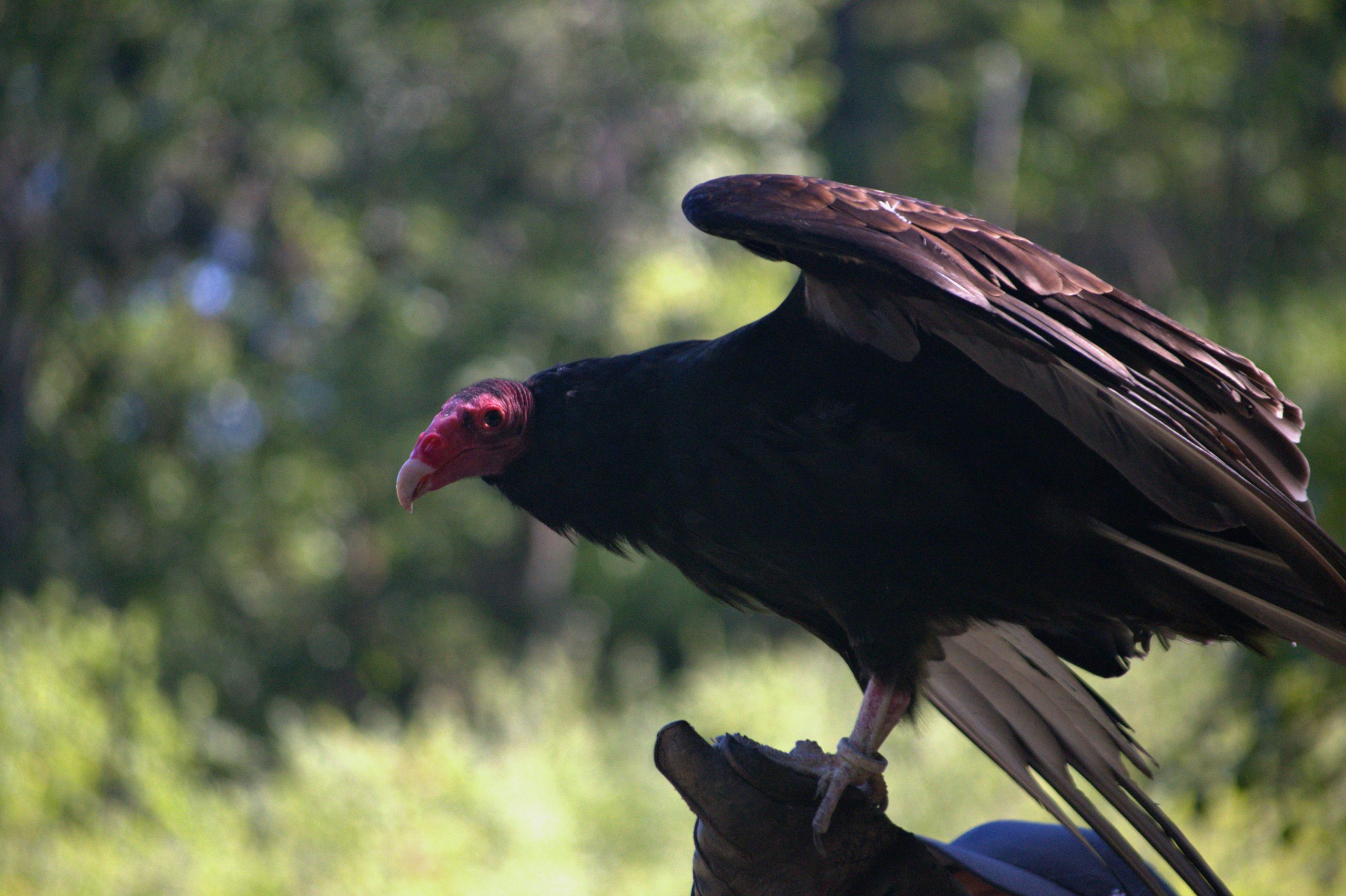
“They can often show us what’s happening in the environment before we understand what’s happening lower down on the food chain,” she said.
Radcliffe told The Discourse that bald eagles and peregrine falcons were nearly wiped out in the 1950s and 1960s after the pesticide DDT (dichloro-diphenyl-trichloroethane) caused widespread egg failure. The pesticide led to female bald eagles laying eggs with thin shells that would break with gentle pressure. In the United States, the bald eagle population dropped to just 487 breeding pairs by 1963.
In the same time period, peregrine falcon populations in the eastern United States were wiped out, and by the mid-1970s, the population in the western United States declined by up to 90 per cent, according to The Nature Conservancy. By 1975, the population reduced to 324 nesting pairs from an estimated 3,875 prior to the 1940s.
Both species have since recovered — due in part to the banning of the pesticide and successful breeding programs — and are no longer listed as endangered in North America.
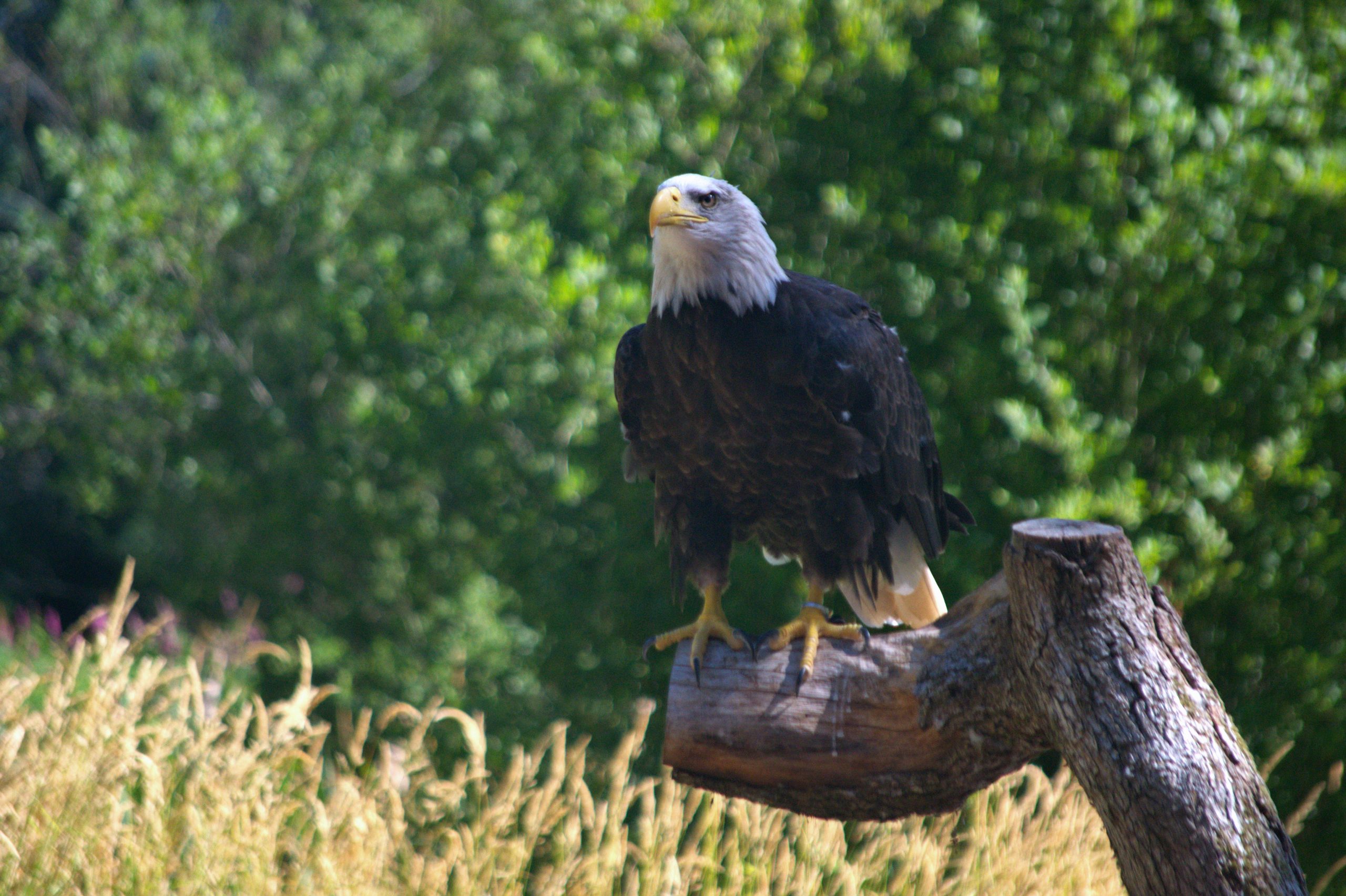
“That’s a great story, because it is one of recovery. But we didn’t notice that the pesticide was causing issues lower down on the food chain. We noticed it when it was in those top predators that we see that are very visible,” she said.
Other raptors, however, are not fairing as well. The American kestrel, found on Vancouver Island and throughout coastal and interior B.C., is experiencing population declines across much of North America and researchers aren’t entirely sure why.
“It’s likely due to insect decline driven by pesticide use and changing farming practices,” Radcliffe said. “There’s not a lot of evidence that shows this yet, unfortunately. It’s hard, because science often doesn’t show you what’s happening until it’s almost too late.”
In the Cowichan Valley, Radcliffe said the biggest threat to raptors is urbanization and human expansion, mirroring trends elsewhere in the world. But a less obvious — and often overlooked — pressure is habitat fragmentation. Raptors require large territories to hunt and find mates, but when their habitat is broken up due to human activity, they lose that much-needed space.
Radcliffe pointed to a subspecies of the western screech-owl, which nests in riparian areas of second-growth forests and is listed as threatened on the Species at Risk Act. Logging and development in areas around second-growth forests creates “edge effects,” which isolates populations and shrinks their hunting territories.
“If you have a huge gap between two forests that they used to nest in, they’re not going to fly across a huge gap,” she said.
Research has shown that habitat loss and fragmentation can increase physiological stress, reduce how effective the owls are at foraging for food and impact their reproduction. Fragmented populations also lead to a reduction of genetic diversity in the species.
As a birder, Radcliffe said she has personally noticed fewer owls nesting on Mount Tzouhalem in recent years — likely the result of humans pushing into their territory.
“Most birds don’t want to be around disturbances. They don’t want human activity,” she said.
Overlapping laws and regulations
Federally, most species of birds are regulated under the Migratory Birds Convention Act, but this legislation excludes birds from raptor families such as eagles, falcons and owls. Instead, raptors fall under provincial laws, like the Wildlife Act in B.C., and the federal Species at Risk Act.
The Wildlife Act includes specific provisions for birds and protects the nests of certain species — including eagles, peregrine falcons, gyrfalcons, ospreys, herons and burrowing owls — from removal or destruction year round, even when they are empty. Removal of a nest of one of these species requires permission and a written permit from the provincial government.
The province can also designate a wildlife habitat area to protect critical ecosystems necessary for the survival of a species. On Vancouver Island, some of these areas have been designated to restrict logging in habitats necessary for raptor species such as northern goshawks.
At the local level, municipalities can establish development permit areas, which require developers to conduct environmental studies before construction begins. Ultimately, it is the municipality’s responsibility to make sure developers comply with both federal and provincial regulations.
North Cowichan, for example, has a development permit area that specifically applies to any work within 25 metres of a raptor nest tree.
The City of Duncan has designated natural environment and hazard land development permit areas that include protections for riparian areas and raptor habitats. It also adopted an Urban Forest Strategy in 2010, which sets out goals and guidelines for maintaining the city’s trees and green spaces. One of the strategy’s key objectives is to “maintain healthy, viable populations of wildlife species in natural areas.”
“There’s often a double accounting there in which we’re going to be protecting environments in areas that are beneficial to birds, and our municipal bylaws specifically call out nest trees,” said Dave Preikshot, a senior environmental specialist with North Cowichan.
Preikshot’s department is in charge of making sure developers follow environmental bylaws and guidelines. Staff conduct site visits to verify environmental reports, he said.
If a development project is found to have disturbed the environment in violation of federal or provincial regulations, the municipality can require a developer to repair that damage before work can continue.
Beyond being the gatekeepers of development permits, the municipality has a service agreement with the Somenos Marsh Wildlife Society to conduct riparian restoration and removal of the invasive parrot’s feather weed — efforts that make wetlands more hospitable to birds, Preikshot said.
As part of its storm water management, North Cowichan maintains a detention pond at the corner of Beverly Street and the Trans-Canada Highway. Once a farm field, it now provides habitat for small raptors and other birds.
“Wetland restoration like that goes a long way at helping bird habitat,” Preikshot said.
Who looks out for the raptors?
Raptor conservation work is handled by a few different organizations on the Island. The Raptors operates out of North Cowichan servicing the South Island and Lower Mainland.
The Raptors has multiple “wings” of its operations, Radcliffe told The Discourse. The most public facing is its visitor centre on Herd Road, where it educates the public on raptors through hands-on experiences, close encounters with birds and live demonstrations. Radcliffe said the work there includes talking to the public about raptor biology and raptor conservation.
Another wing of The Raptors focuses on wildlife management at industrial sites and airports, like Nanaimo Airport, to deter birds off the runway and reduce the risk of bird strikes.
“We want to minimize that negative human-wildlife interaction as best we can,” Radcliffe said.
The Raptors also does wildlife assessments for the public to ensure that birds of all types are protected when human activities require habitat removal, such as cutting down trees.
“You can’t just cut down trees anytime between March and August because birds are nesting. And if you have any birds nesting, you cannot remove them,” Radcliffe said.
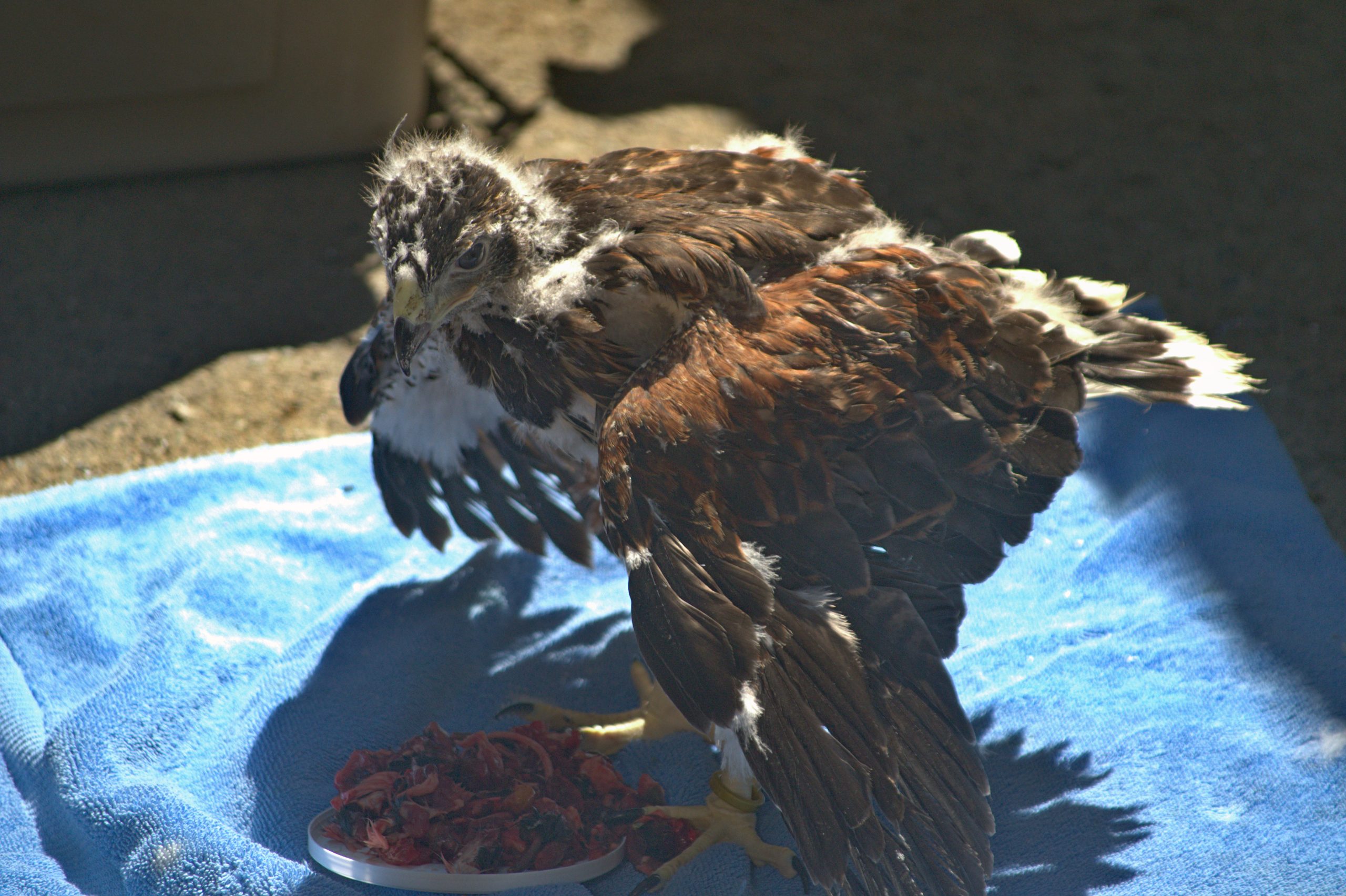
Interacting with the public during wildlife assessments presents another opportunity for education. Radcliffe said the organization will often offer homeowners advice on how to attract birds and tailor their outdoor environments to help birds thrive.
“Through all of the consulting and the wildlife management work that we do, we get the opportunity to show people how wildlife is interacting with humans and it’s actually kind of amazing to see the impact we can have even if we’re just talking to one person,” she said.
What can you do to help?
Since raptors are regulated under the provincial government, the public can report illegal nest destruction, destruction of wildlife habitat or illegal poaching of raptors to the Report All Poachers and Polluters hotline.
Sick or injured raptors can be reported to The Raptor Rescue Society, a Cowichan Valley-based non-profit organization that specializes in raptors.
According to their website: “No matter the species, do not take your eyes off the bird or leave the scene. The bird’s chances of being rescued decrease if left on their own.” The organization advises people to call them as soon as possible after spotting a sick or injured raptor at (778) 936-0732.
What did you think of this story?
Your feedback after we publish a story helps ensure we're always improving our reporting to better serve you
Author

Related Articles
What to do and who to call when juvenile salmon are in danger
Officials say Cowichan Valley residents should call experts to move salmon in isolated pools because of risks associated with relocation.

How is The Discourse’s journalism funded?
And what does it cost to produce The Discourse’s in-depth, independent journalism?

Behind the backlash to the Cowichan Valley’s comprehensive zoning bylaw
The campaign against Bylaw 4710 was fuelled, in part, by misinformation and an organized group of advocates. What could this mean for the future of local politics?