
One man’s trash: Could garbage solve Nigeria’s energy crisis?
Why an innovative project to turn food waste into power has been abandoned, leaving millions of Nigerians in the dark.
Two billion people lack reliable access to electricity. That means one fifth of the world’s schools, hospitals and homes are often in the dark. How can everyone get access to clean energy without hastening climate change? These are issues that our energy reporting explored.
We’re no longer actively reporting on this topic. To follow what we’re working on, sign up for The Discourse newsletter here.

Why an innovative project to turn food waste into power has been abandoned, leaving millions of Nigerians in the dark.
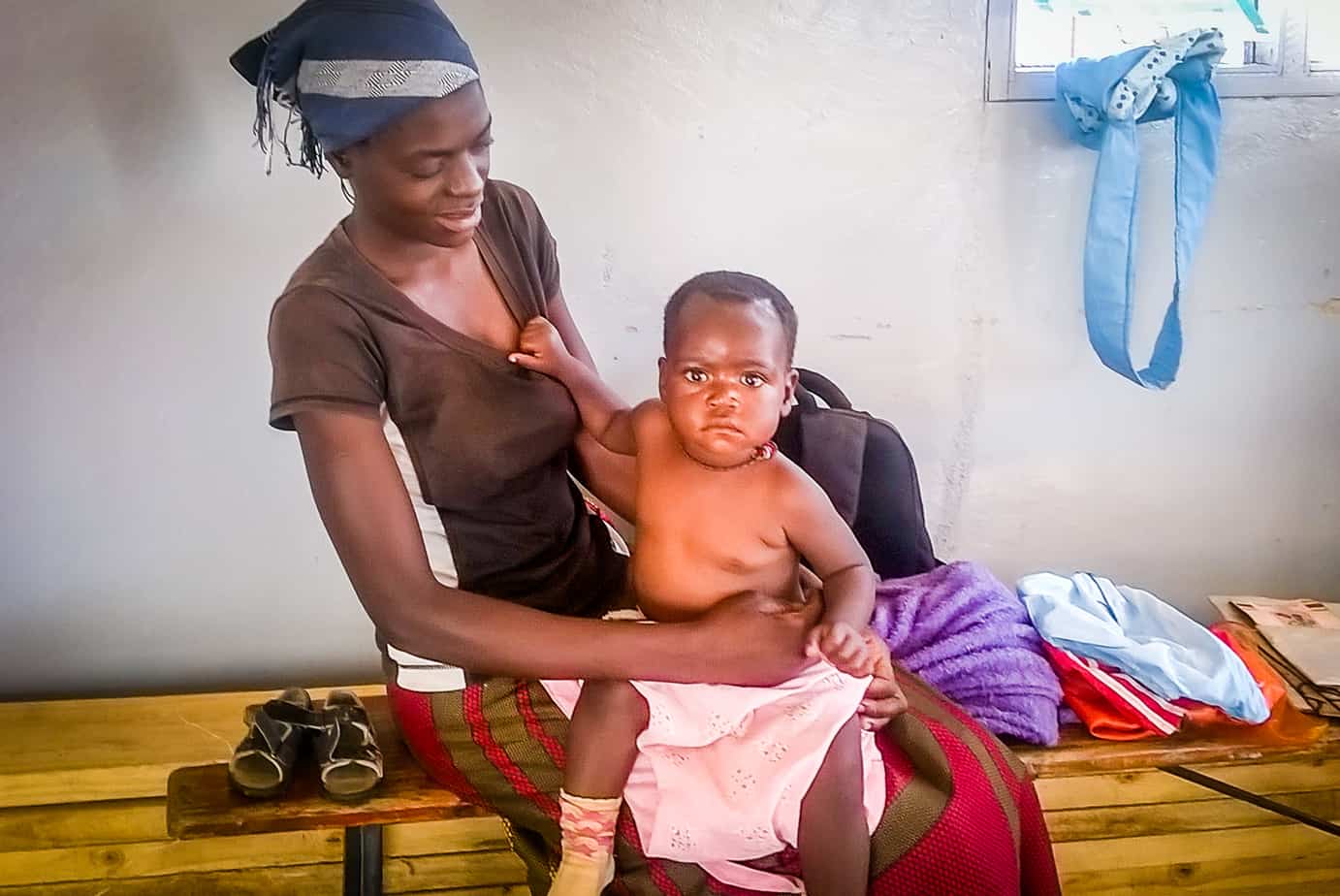
Solar power installed at the Mazuru clinic in Zimbabwe is making childbirth safer and less expensive for women.
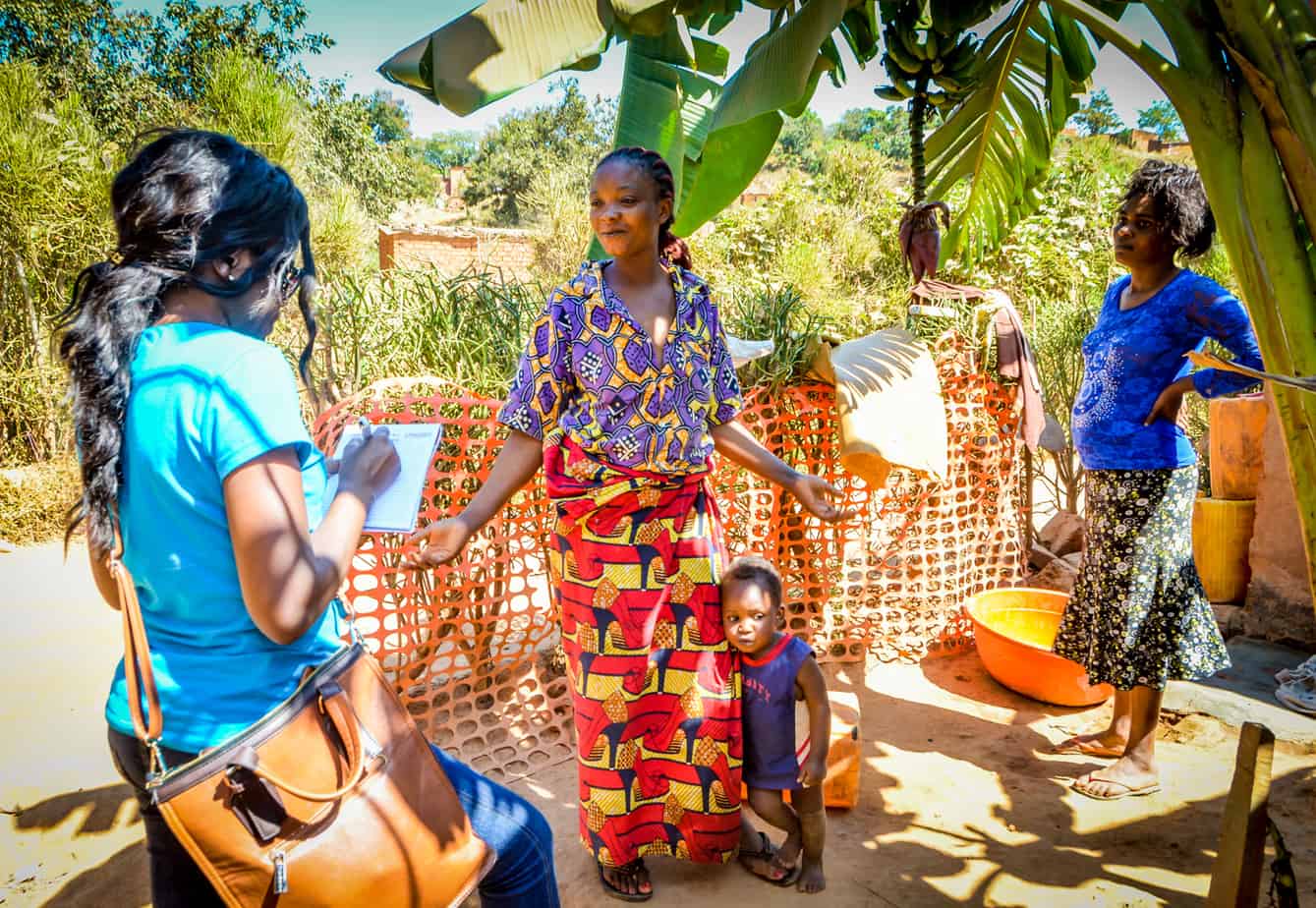
Two-thirds of the people living in the region don’t have access to electricity. This reporting series explores what’s being done to try to change that.
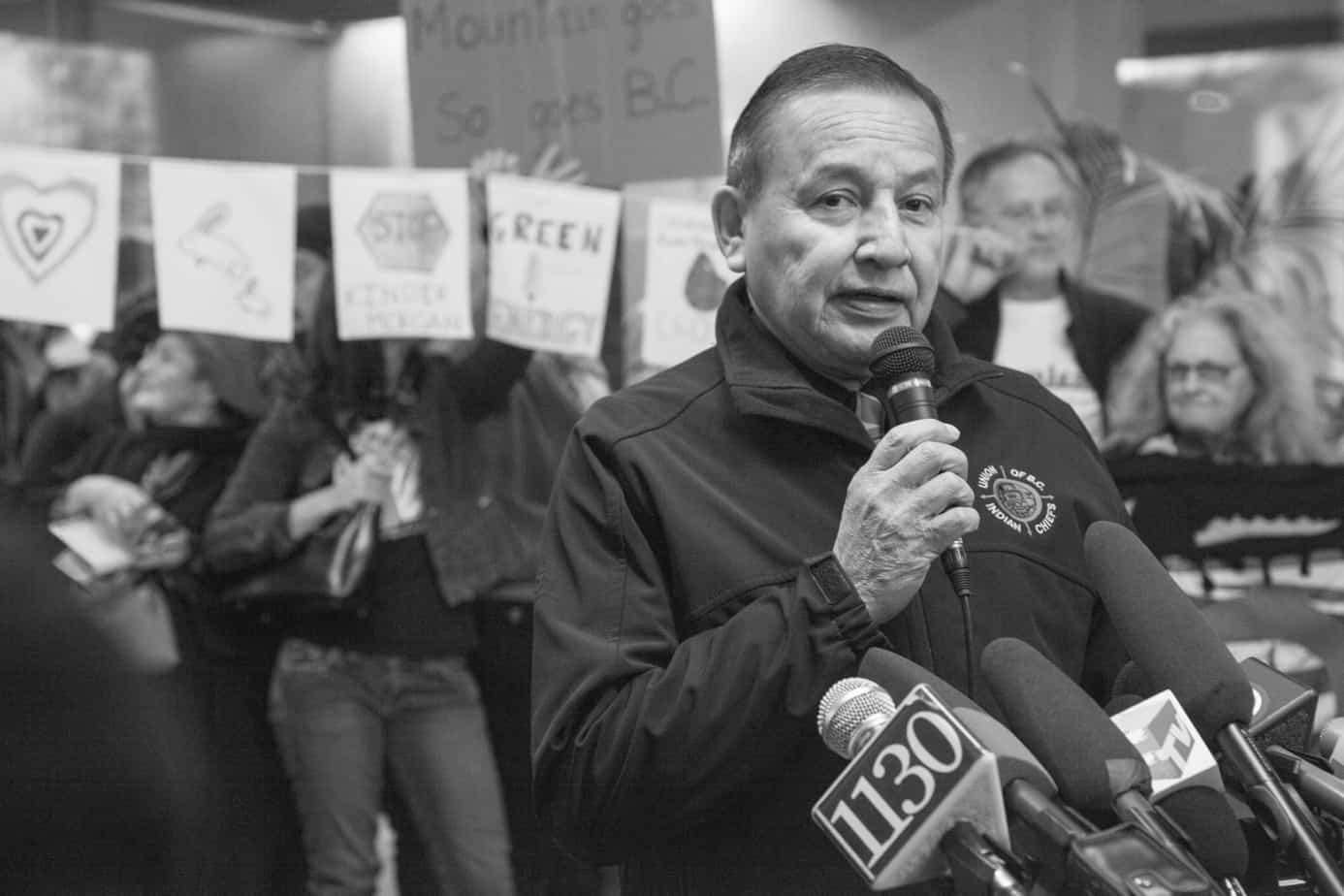
Grand Chief Stewart Phillip worries the new committee gives the perception that proper consultation with First Nations has happened when it hasn’t.

For some who opposed the PNW LNG project in British Columbia, the fight’s still not over.
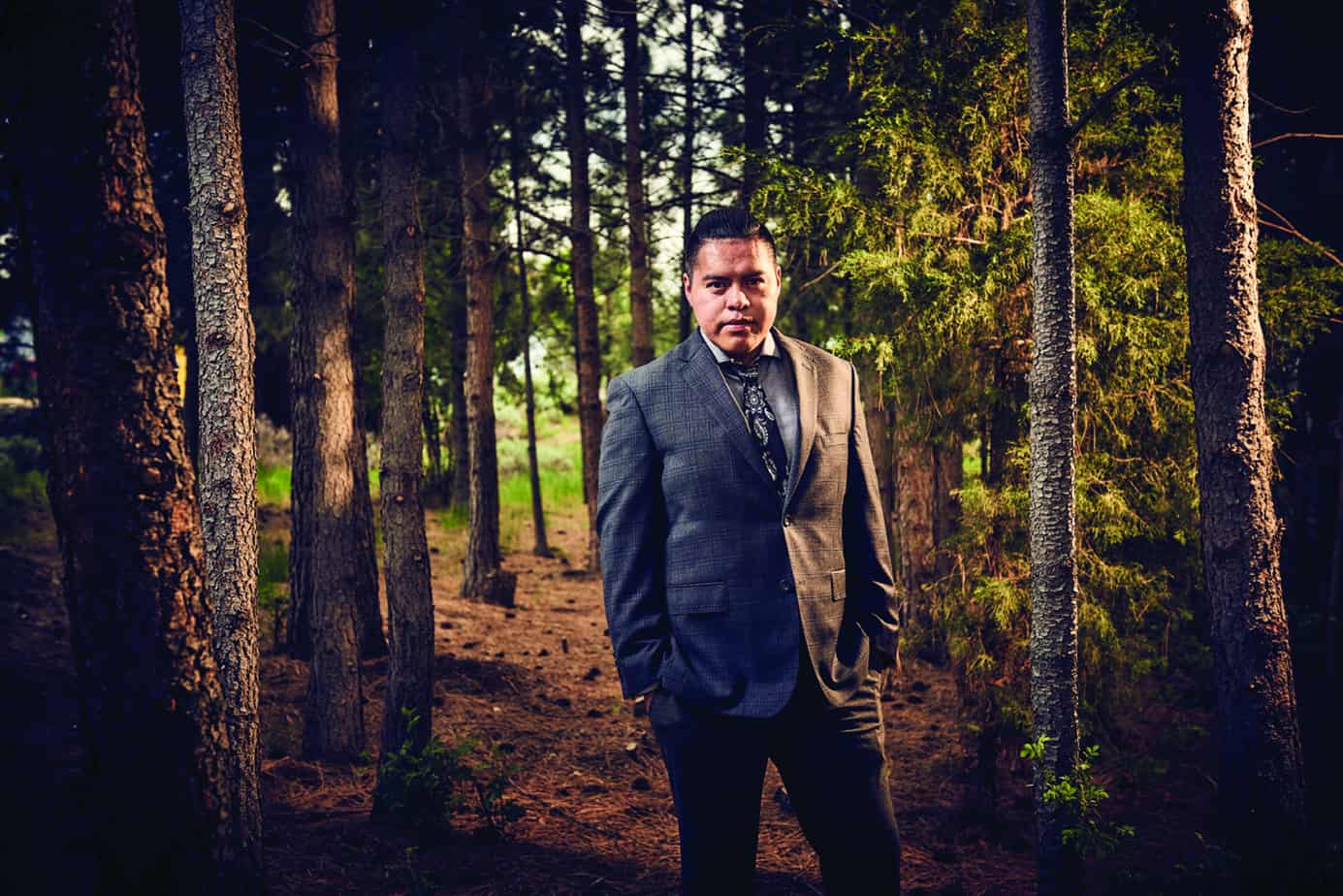
Why consent from the entire community is crucial when it comes to getting First Nations' approval for resource projects

Interpreting Indigenous law in a western court system is like 'trying to put a circle in a square,' says the Gitwilgyoots Tribe, one of two governing systems for the Coast Tsimshian people.
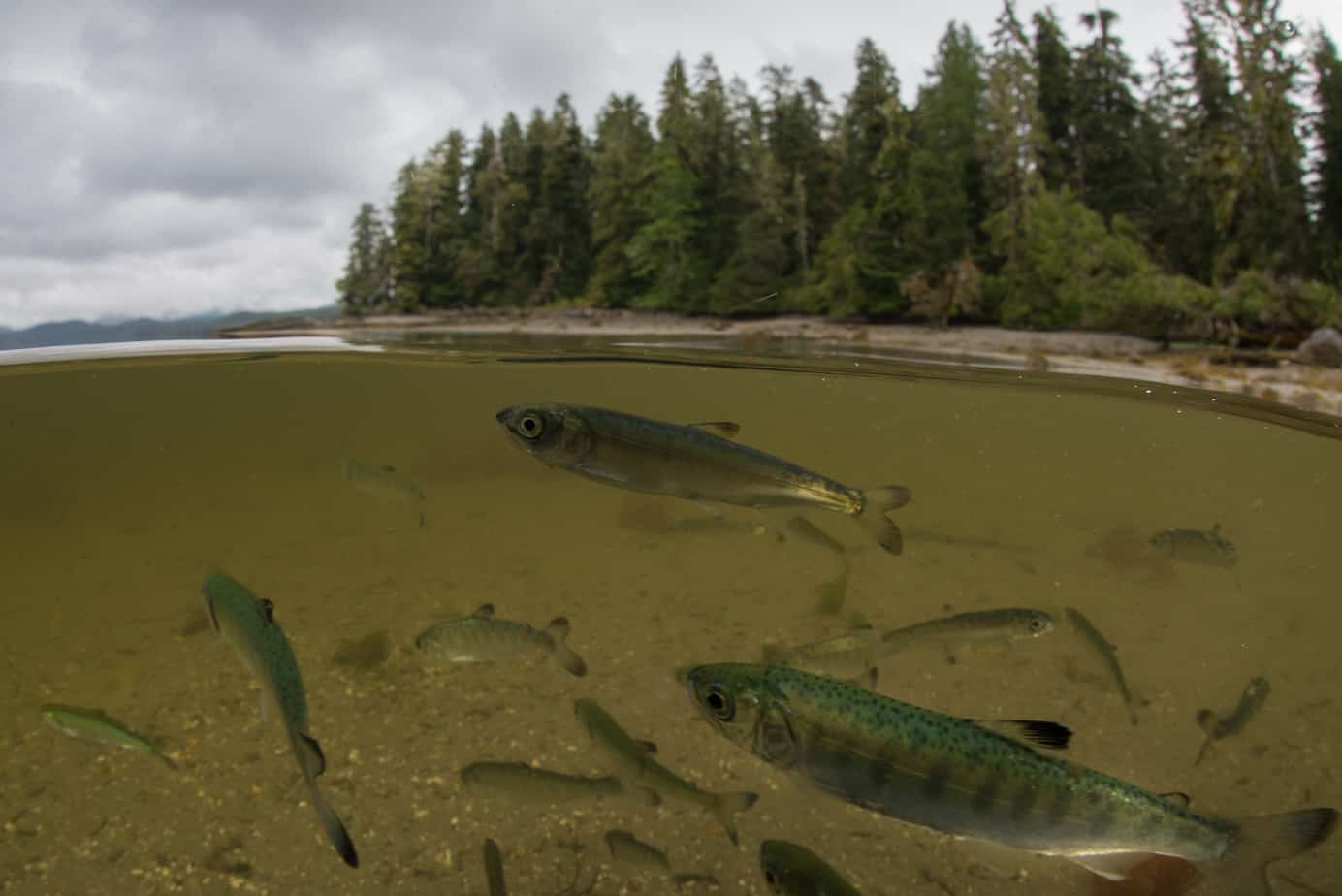
The Lax Kw'alaams band council shielded a report warning of the dangers of northern B.C.'s liquified natural gas project from its members, court documents reveal.
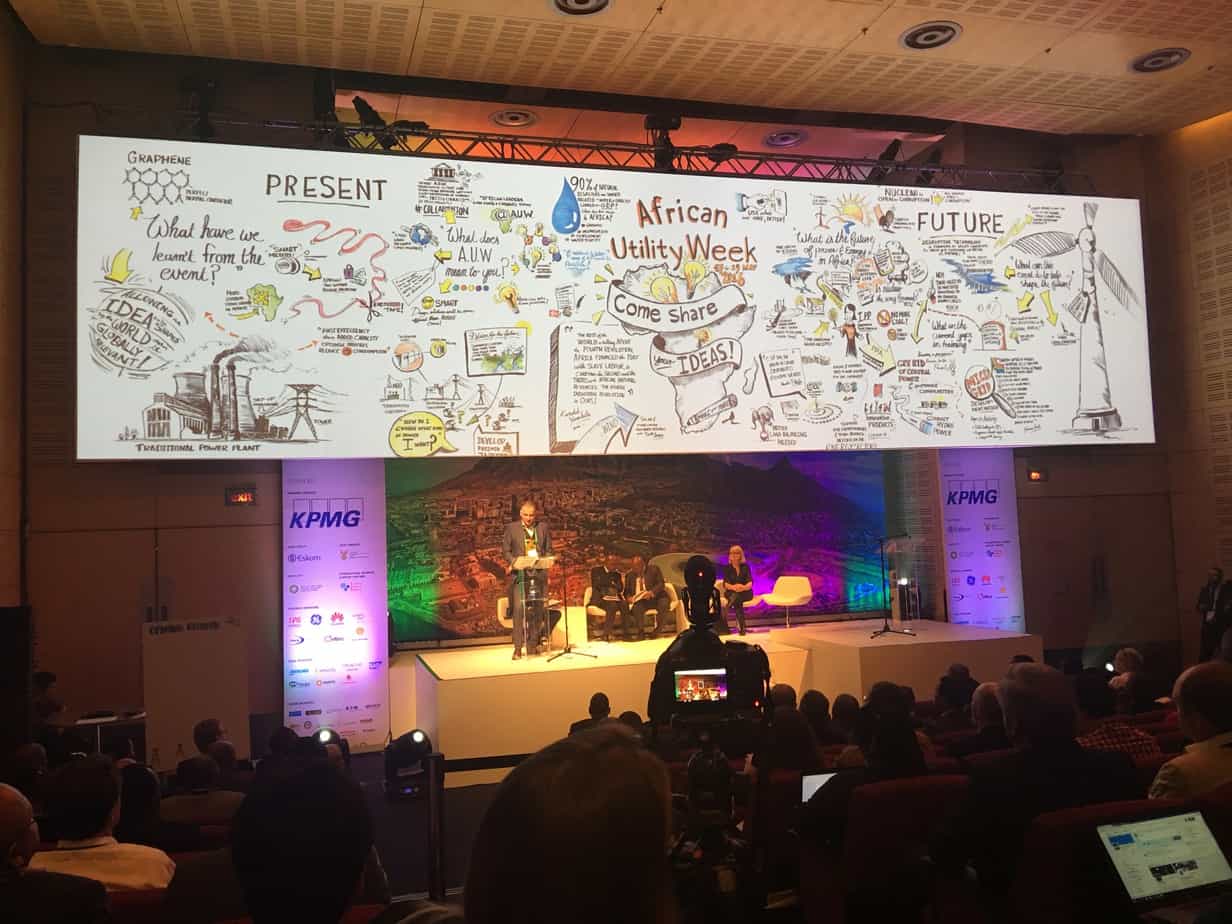
Reporter Richard Poplak checked out African Utility Week to explore Canada's connection on the continent.
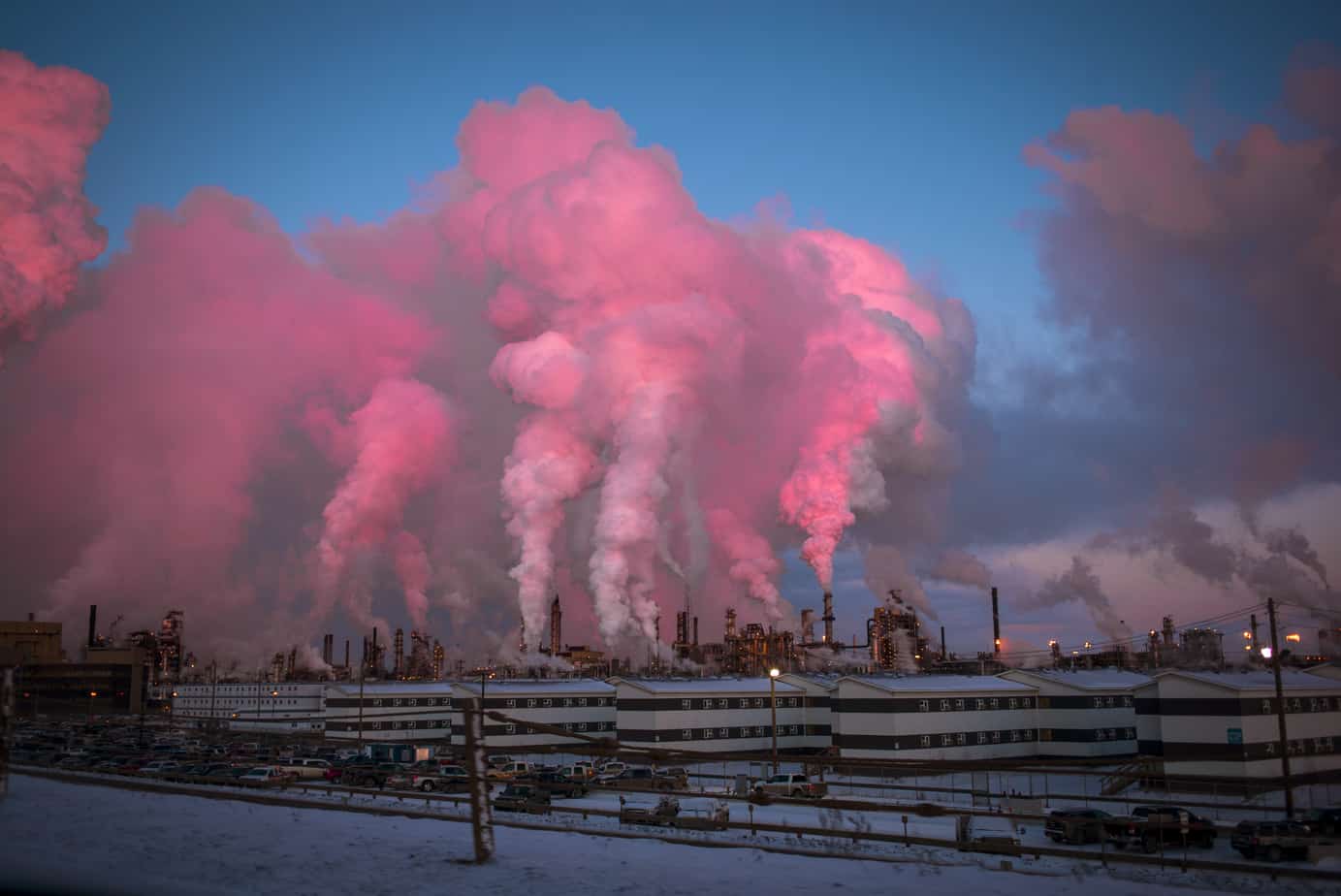
A new pipeline pits Canada's thirst for oil against its commitment to First Nations.