
Nanaimo’s toxic drug emergency at 10 years
Three residents share their stories about how the toxic drug crisis has impacted them.
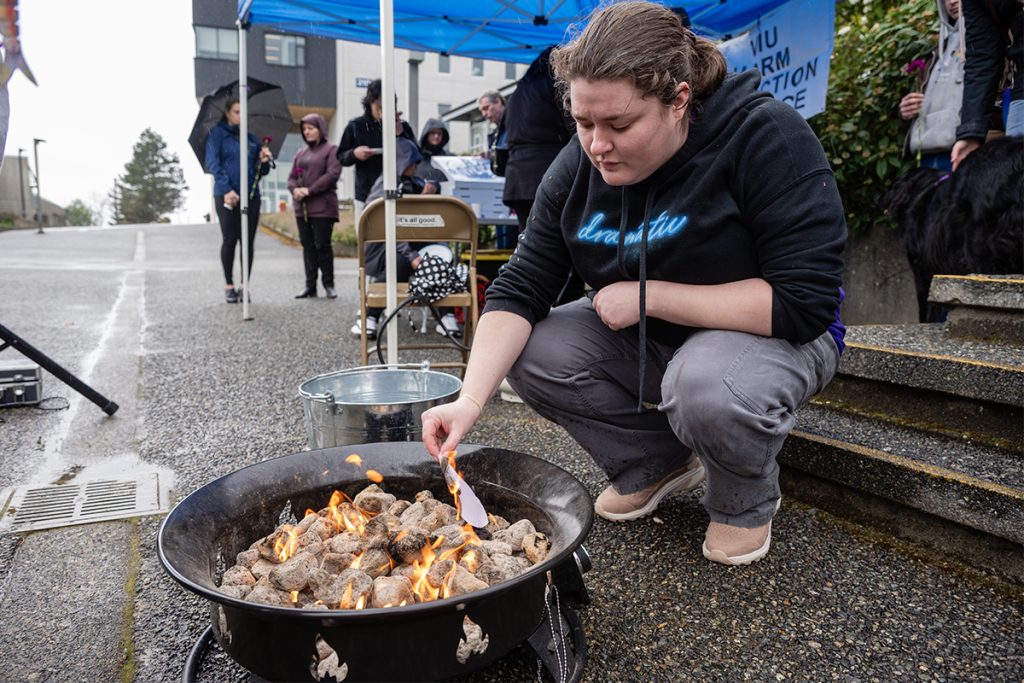
Ten years ago, on April 14, 2016, B.C.’s public health officer declared a public health emergency in the province following consecutive years of rising fatalities from illicit drugs.
Since then, drug policy in B.C. has mostly been under the purview of the New Democrats, who have made major policy changes such as the decriminalization of illegal drugs and the introduction of what is colloquially termed safer supply.
But those changes haven’t been without controversy. The same government has rolled back both of those changes after political pushback, a move that has been criticized by many in the province.
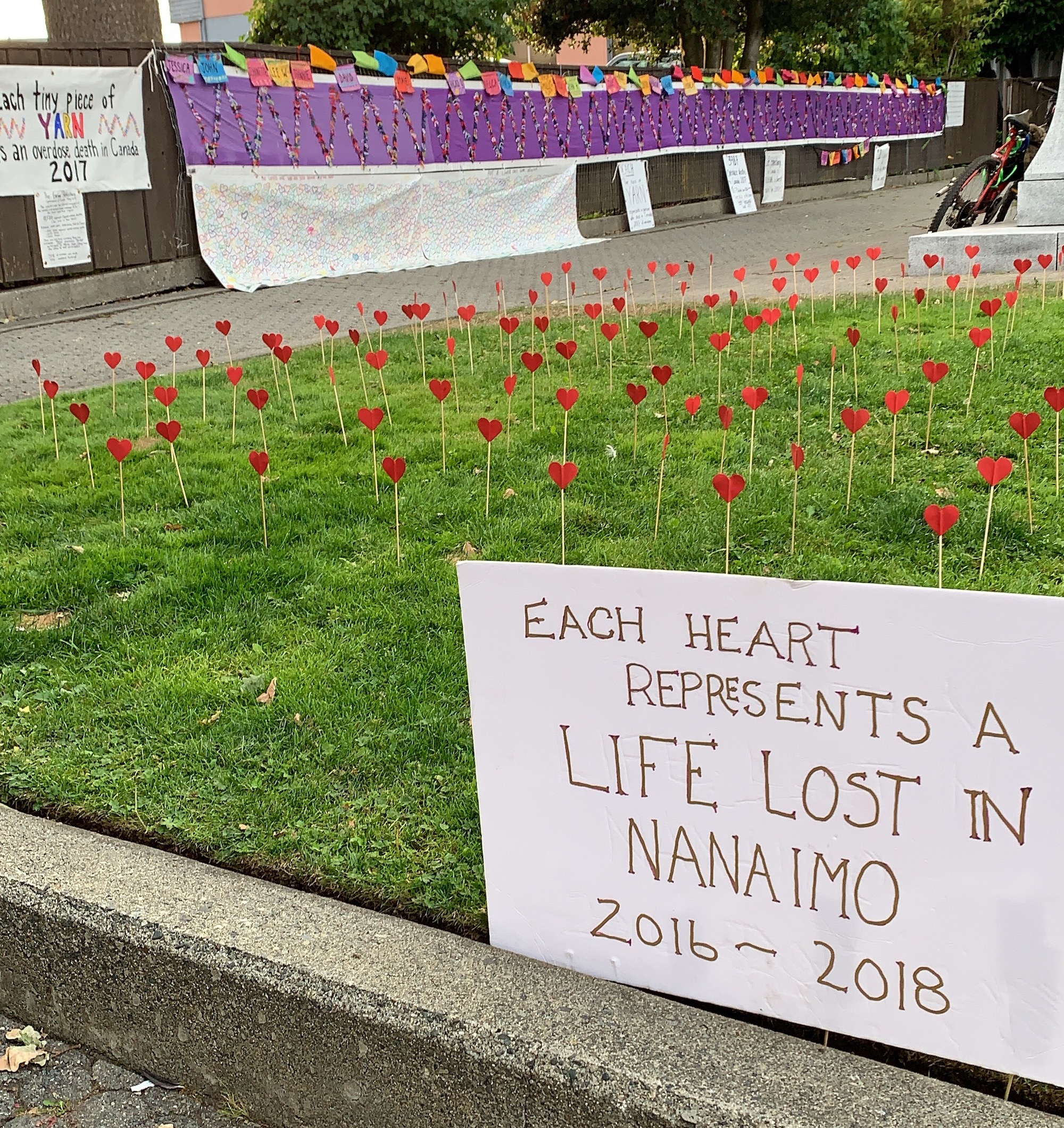
In Nanaimo, a total of 634 people have died from unregulated drugs since 2015 according to the BC Coroner’s Service. But the impacts of the unregulated, toxic drug supply in the province is far-reaching, touching communities and individuals in different ways for more than a decade.
As B.C.’s toxic drug emergency marks its 10th deadly year, The Discourse Nanaimo sat down with three local residents who have been deeply impacted by the crisis.
Qui Sepulveda, Harm reduction worker
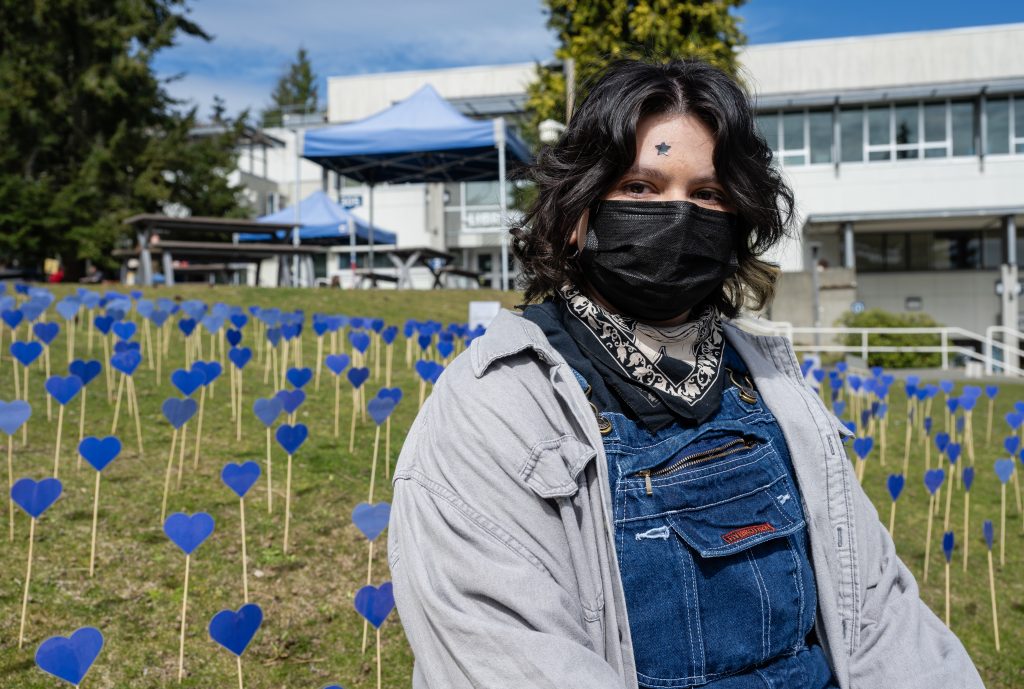
Qui Sepulveda describes themselves as a “foolhardy and stubborn at times queer, anarchist, harm reductionist” who has worked on the front lines of the toxic drug crisis as an outreach and youth worker, community organizer and a person with lived experience.
While still in elementary school, Sepulveda started to feel like their body didn’t feel right to them and they didn’t act like they were supposed to for the gender roles they were assigned at birth. By middle school, they were starting to use drugs.
“I naturally looked for ways to soothe myself, and I was pretty quick to find drugs,” they said.
“That first rush, that feeling immediately, the warmth around me of what felt like being wrapped in a warm light, a lot like being love, more than being loved,” they told The Discourse.
“And that feeling, [I was] chasing it time and time again, because society didn’t give me that.”
“For me, it was truly suicide prevention.”
Sepulveda said they are grateful for the friends who helped them through those tough years.
They now fear for the safety of the youth they work with.
“By the time I got involved in drug use it was already a toxic drug crisis. Whether it had been declared one or not, it was, and people were dying,” they said.
Sepulveda has seen people who use drugs and allies push for policy changes such as overdose prevention sites, decriminalization and safer supply, but now sees the backlash against those same policies.
They are worried that the falling number of deaths is reminiscent of the heroin crisis in the 1990s, and that the public health emergency will be declared over after it has killed the most vulnerable.
“Just because the number [of deaths] are going down, doesn’t mean we ended the toxic drug crisis,” Sepulveda said. “It means the policies that were put in place have pushed people to the point of death and that we only have left the people that can survive under these circumstances, and we only have those people for so long.”
In their time working with people who use drugs under the province’s prescribed alternatives program, Sepulveda has seen the government change policy from a model where people could take home their prescribed drugs to one where patients have to show up to a pharmacy to be witnessed taking the drugs.
They are worried that the next step will be to eliminate the program entirely.
Last year, the Conservative Party of B.C. released a leaked presentation by the Ministry of Health report stating that “a significant portion” of the opioids being prescribed were not used by the intended recipients and are being “trafficked provincially, nationally and internationally.”
The province cracking down on the safer supply program has led to Sepulveda watching people they love move from being on a safe supply of drugs while “weaning themselves off harder substances,” to not being able to access regulated drugs. In some cases, some of these people have died, Sepulveda said..
“It’s like a bad horror movie,” Sepulveda said. “You know where it’s going and it’s still not something you can prevent.”
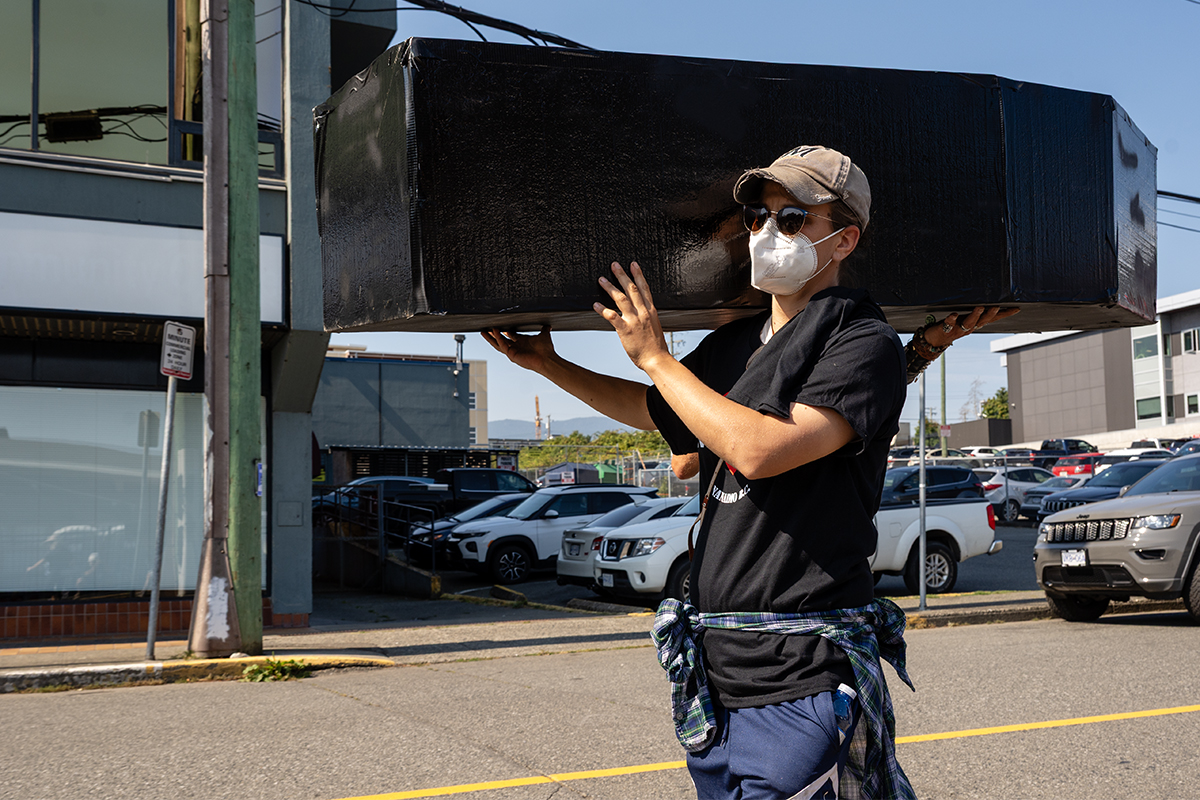
As a Mapuche person from Chile, Sepulveda’s father fled the dictatorship of Agusto Pinochet and came to Canada to build a better life for his family, but carried the trauma of that experience.
Sepulveda said the Mapuche culture has shaped their values and that they view people as not just individuals, but part of a community.
“It has been hard because of the toll that policy decisions of our government has had on me, on my family. Intergenerational trauma and addiction is something that gets handed down,” they said.
The people in Sepulveda’s community who have been most important to them are the people who have struggled to survive the toxic drug crisis together, they said.
“The toxic drug crisis has killed so many, has destroyed lives past what numbers can really describe,” Sepulveda said. “At the same time, it’s also created a community of people that care about each other, that looks out for each other, that risks so much for each other.”
Wanda LeBlanc, Moms Stop the Harm
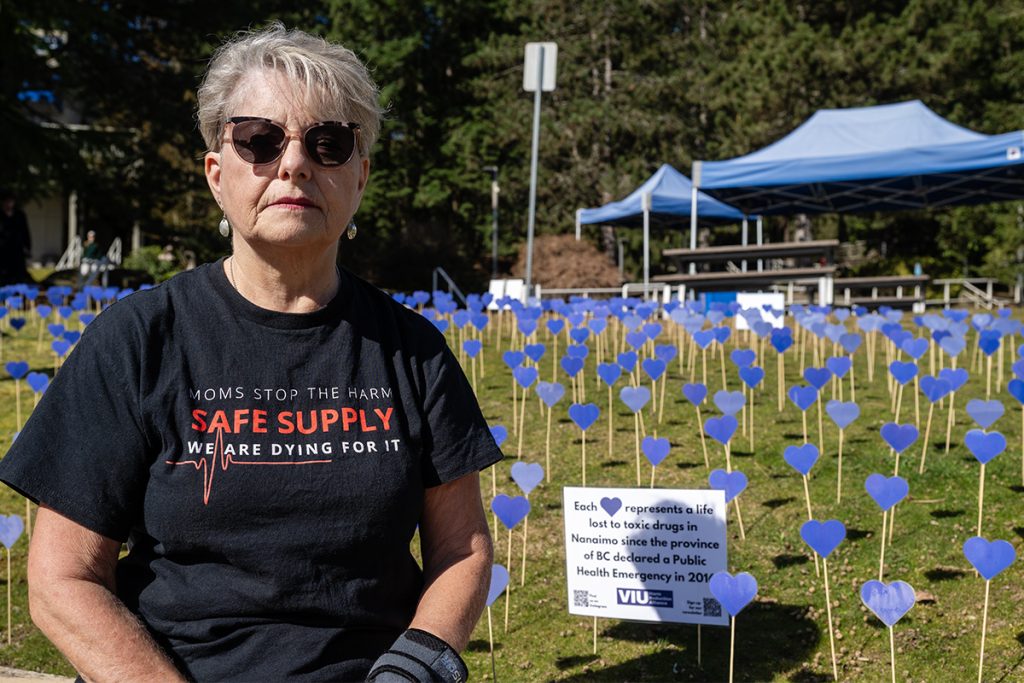
Wanda LeBlanc is a mother with a 37-year-old son who she says was a “great dad” with two little boys and a job with the school district. Then, COVID-19 happened. He was laid off, his marriage ended and he didn’t have daily contact with his children anymore.
“He spiraled into depression and has been using substances much more in the last six years,” LeBlanc told The Discourse.
About a year-and-a-half ago, Leblanc’s son told her that he wanted to start the recovery process, but LeBlanc said he wasn’t able to get one of the few publicly funded detox beds at Clearview Community Medical Detox Centre.
LeBlanc and her son checked into a motel room and she helped him through his withdrawal symptoms as he continued to call Clearview twice a day. He eventually got a bed and spent 10 days in medically supervised detox.
LeBlanc allowed her son to stay with her for a short period of time, and was eventually able to get him into temporary housing. However, the only housing that was available was “a community where he was surrounded by substance users, so he very quickly relapsed.”
LeBlanc said her son is currently in a recovery program in Victoria and is looking to return to Nanaimo. He has permission to return to the housing site where he lived before but is concerned about relapsing again.
“Nanaimo has no housing for people who wish to stay in recovery, where there’s harm reduction, support and resources,” LeBlanc said. “It’s very challenging.”
LeBlanc said she’s frustrated with the political rhetoric around involuntary care for people who use drugs.
“They’re talking about involuntary care, and we have no voluntary care,” she said.
LeBlanc said that since her son entered treatment he’s gained weight, has a clear complexion and is thinking more clearly. She recently had a three-hour conversation with him.
“I saw my son again,” she said. “That’s all it takes. It’s just so necessary to have those basic needs and not have to sleep under a tarp in the pouring rain and worry about whether or not you’re going to eat.”
She said she would like the government to provide recovery-based housing and supports, as well as harm reduction.
“What’s happened in the last 10 years is not working. Can we try something different?” she said.
Sarah Lovegrove, nursing professor
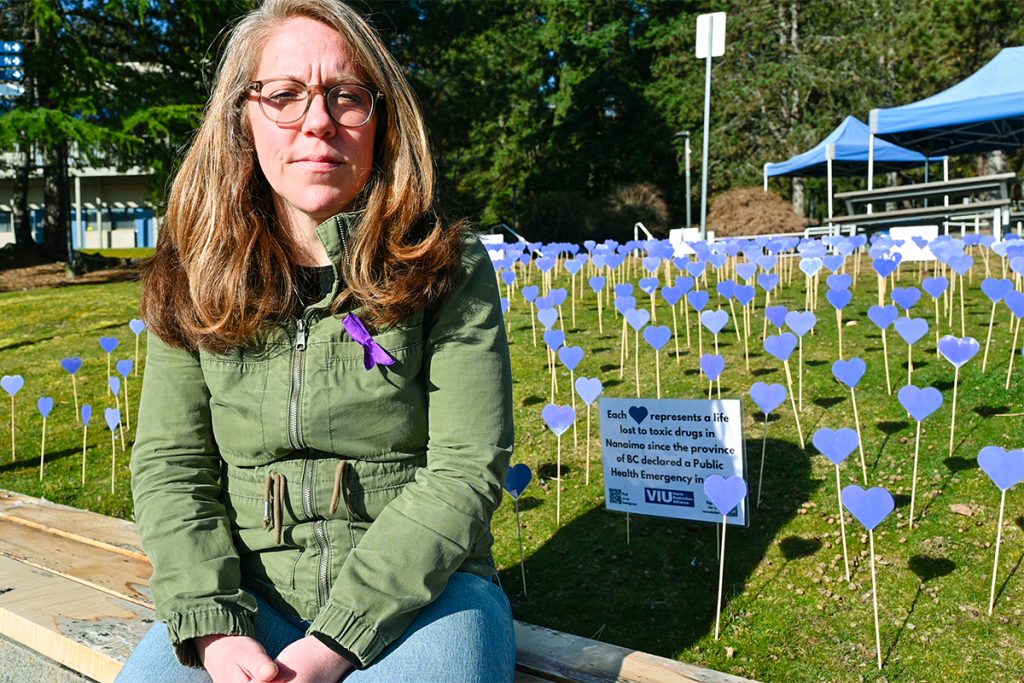
Sarah Lovegrove is a professor of nursing at Vancouver Island University and has been an advocate and health-care provider for people who use drugs in Nanaimo since 2018.
She said the political backlash against progressive drug policy in B.C. — that has seen decriminalization abandoned and a shift to a witnessed consumption model for safer supply — has left her feeling despondent.
“It’s becoming less and less compassionate towards the people who are dying and the people who are most impacted by this crisis,” she said. “It’s been demoralizing, it’s been distressing. It’s left me a different human than I was when I started this work.”
Lovegrove said the stress of responding to the toxic drug crisis caught up with her this year, triggering post-traumatic stress that she suffered from working in the emergency department of the Nanaimo hospital.
She has recently decided to step away from a front-line nursing position and from her role in the Harm Reduction Nurses Association.
“The weight of this work just keeps getting heavier and heavier,” she said. “The people who I’ve worked alongside in advocacy over the years, the majority of them, have moved away from this work. They’ve decided to care for themselves.”
She said other people doing this work have been lost to overdoses and suicide.
“There are casualties beyond the toxic drug crisis and the war on drugs,” she said.
Lovegrove estimates that she has reversed more than 100 overdoses in the past eight years and that those are “traumatic experiences for everyone involved.” As a health-care provider, she said she experiences “an incredible amount of moral distress [when] not being able to help people and provide them with the services and care that they need.”
Furthermore, she said it feels like politicians respond to her advocacy work with criticism, or that people dismiss people who use drugs as moral failures.
“To be frank, that has broken my soul,” she said.
“I’ve lost all hope in politicians, in our world, and I don’t believe that they’re actually here to help us.”
While Lovegrove is stepping back from advocacy work, she said she is grateful to be able to work with students who are the “next generation of people who want to do advocacy work and who have the stamina and passion to do it.”
Further reading
Deep Dive: Vancouver Island’s overdose emergency
A collection of stories from The Discourse covering the toxic drug crisis on Vancouver Island.
BC’s Toxic Drug Crisis Hits a Grim 10-Year Anniversary (The Tyee).
B.C. declared toxic drugs a public health emergency 10 years ago. Has it made a difference? (CBC).
What did you think of this story?
Your feedback after we publish a story helps ensure we're always improving our reporting to better serve you
Author

Related Articles
Nanaimo mayoral candidates address the homelessness crisis
Homelessness is a key election issue but what can the City of Nanaimo do about it?
How Nanaimo candidates would pay for rising infrastructure costs
City of Nanaimo’s 2026 candidates share how they’d manage the budget to cover rising infrastructure and repair costs without overburdening taxpayers.

Nanaimo candidates on how the city can cut emissions
City of Nanaimo’s 2026 candidates share two actions within city jurisdiction they’d prioritize to reduce emissions, and how they’d know if they were working.