
Sudden changes to safer supply program a ‘huge mistake,’ says Nanaimo patient
Patients must use prescribed safer supply drugs in front of medical professionals under new rules by province, but health experts say a regulated supply is still an urgent life-saving measure.
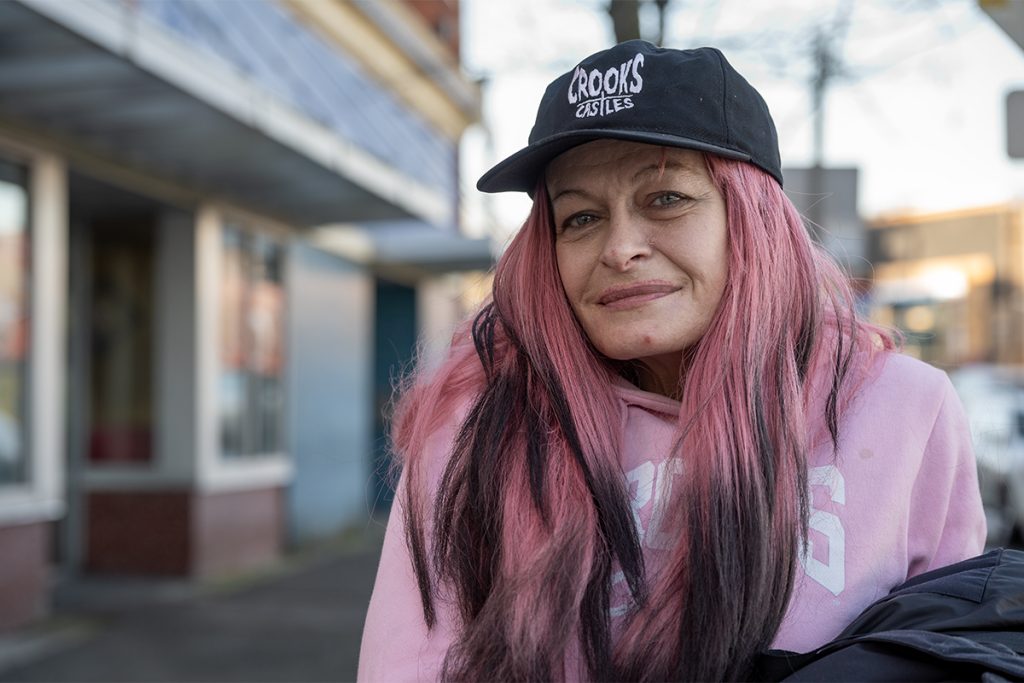
Dee R., who asked that her full name not be used, is a volunteer doing outreach and helping run pop-up overdose prevention sites with the Nanaimo Area Network of Drug Users (NANDU).
She is also using the province’s program for pharmaceutical alternatives to unregulated drugs, often called prescribed safer supply.
But the program she relies on was suddenly changed by the province on Wednesday to a witnessed consumption model.
Dee is prescribed 800 mg of Kadian and 14 pills of hydromorphone a day.
She said she had earned the trust of her doctor and didn’t need to be witnessed taking it at a pharmacy.
“I take that each day and I go day by day, I don’t crave, I don’t use, and it’s great.”
Kadian and hydromorphone are often used in Opioid Agonist Therapy (OAT), a form of treatment that provides a daily prescription medicine for people addicted to opioids including fentanyl. All OATs are used to reduce withdrawal symptoms and cravings and stabilize patients.
Under the new rules announced by the province on Wednesday that came into immediate effect, Dee and 3,900 other people in B.C. will now have to travel to a pharmacy multiple times a day to take their doses under the supervision of a health-care professional.
When Dee found out about the changes on Wednesday night, she was working at an episodic overdose prevention site set up by NANDU.
“My heart went into my throat for a minute,” she said. “It is absolutely a form of treatment. It keeps people from dying. In order to continue to keep people from dying, we need to have safer supply and doctors on board with medications that prevent you from using street drugs, because the street drugs are killing people.”
Dee says that the new rules are going to put people like her at risk of relapsing and returning to using toxic unregulated drugs on the streets.
“It’s going to have a huge impact on my life,” she said, explaining how she will now have to wake her three kids up and drive them to a pharmacy in the morning to get her medication before starting her day.
“It’s going to be very hard for me,” she said.
Minister of Health Jose Osborne said in a statement that requiring people to use their prescription in front of a healthcare professional “will remove the risk of these medications from ending up in the hands of gangs and organized crime.”
The province said in a statement that it will be working with doctors to transition existing patients like Dee to witnessed consumption “as soon as possible, while ensuring continuity of care.”
The province is also making changes to the fee structure for pharmacies that provide safer supply in response to reporting that some pharmacies were providing cash kickbacks to encourage new patients to fill their safer supply prescriptions there so these pharmacies could bill the province’s medical plan.
Since last year, the Ministry of Health has been investigating pharmacies suspected of offering incentives to attract patients, the statement adds.
These changes come weeks after the Conservative Party of B.C. released a leaked presentation by the Ministry of Health report stating that “a significant portion” of the opioids being prescribed were not used by the intended recipients and are being “trafficked provincially, nationally and internationally.”
“While corrupt pharmacies need to be held accountable, diversion and rampant trafficking of ‘safe supply’ would not exist without radical NDP drug policy,” Conservative Public Safety and Solicitor General critic Elenore Sturko wrote on social media. “David Eby must launch a public inquiry to hold accountable everyone responsible for unleashing this nightmare on British Columbians.”
The BC Green Party’s interim leader Jeremy Valeriote said he was disappointed by the decision to move to a witnessed consumption model.
“For people trying to maintain employment, care for their families, or simply live their lives, the requirement to visit a pharmacy multiple times a day is untenable,” he said in a statement.
“Instead of maintaining access to life-saving medication, this change risks pushing individuals back to the illicit supply chain, increasing overdose risks, and worsening the crisis the BC NDP is trying to address.”

Speaking to The Discourse days before the announcement, Dee said that ending the safer supply program would be a “huge mistake.”
“I have three children and a partner, and if they took that away from me that would make me very ill,” she said. “I want to live my life the way I’m living it.”
Dee said she doesn’t want to stop using drugs entirely.
“I need to have something because of trauma that I haven’t dealt with,” she said. “Getting to deal with that trauma now is also very hard because there’s nobody out there to help you through it.”
The changes that the program has made in Dee’s life include having a home and being stable.
“I feel good when I wake up in the morning. I feel like a productive member of society. I feel like I’m living my best life right now and who is anybody to judge how I live that life?”
Moms Stop The Harm slammed the decision calling it “devastating news.”
The organization of mothers who have lost children to unregulated toxic drugs said that people often take more than one dose a day and that having to travel to a pharmacy or clinic three or four times a day will make it impossible for people to work, look after children, or travel.
“This program has saved and stabilized the lives of many people, who will now be at risk of dying,’ the statement said. “Witnessed options aren’t possible in almost every jurisdiction, especially those who live in rural and remote, including Indigenous communities.”
Health Canada’s website defines safer supply as providing medications in a “less clinical and more flexible way” to reach people at risk of dying from unregulated drugs “for whom currently available care options have been ineffective or inappropriate.”
Evidence shows that restrictions on OAT programs like methadone can lead to lower uptake and retention. Patients have described the medical supervision restrictions as “liquid handcuffs.”
Dee acknowledges that some people do sell their prescribed medications but is firmly against the practice.
“When people get pills from the doctor, they need to ingest them,” she said. “Because if they’re selling them, that gives the government ammo to take it away.”

Chief Medical Health Officer says safer supply was limited to ‘tiny pilots’
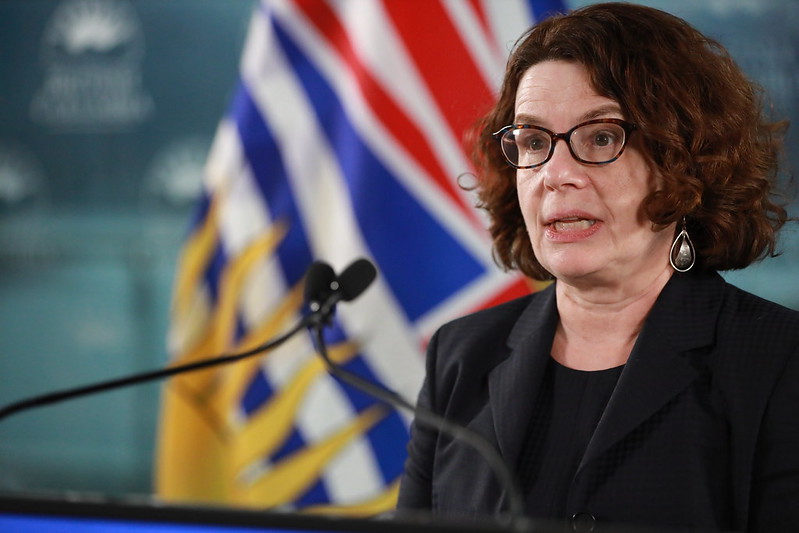
Speaking to The Discourse last week, Island Health’s chief medical health officer Dr. Réka Gustafson said that the safer supply program was limited to “tiny pilots.”
“We really did not roll out a safe supply program in British Columbia on any scale to have an effect,” she said.
While overdose deaths across the province fell by 13 per cent in 2024 according to the BC Coroners Service, the agency writes that the number of apparent opioid toxicity deaths “may continue to decrease through to June 2025, but not to levels seen before 2020.”
Experts are not sure why there has been a decrease or if the drop is part of a larger more sustained downward trend, the Vancouver Sun reports.
Gustafson said that any safer supply program would have a risk of diversion, as all regular prescriptions do.
She said that the system does need to monitor that risk but “we also need to recognize that people are currently dying from an illegal toxic supply and the reason that it is toxic is because it’s illegal.”
The BC Coroner’s Service reported in 2023 that there was no evidence prescribed safer supply was contributing to unregulated drug deaths. The 2024 unregulated drug death report does not mention safer supply.
Gustafson said that she’s not advocating for the safer supply program to be scaled up but evidence shows that when substances, such as tobacco and alcohol, are legally available to the public but not strictly regulated they are going to cause harm.
“If you make something legal and don’t regulate it sufficiently, there’s going to be large numbers of people who are addicted, and that does harm,” she said. “If it’s illegal and you don’t regulate it, it can turn toxic and that’s how it’s going to harm the population. What we really need in the big picture is to move towards a very strictly regulated but legal supply.”
Under the Public Health Act medical health officers are responsible for making recommendations on how to address health issues and reports to provincial health officer Bonnie Henry who provides advice to ministers in the government.
For Dee, having access to take-home safer supply changed her life.
“I can only speak from my experience, but I know that my quality of life, due to the safer supply has improved enormously, it’s a complete 360.”
What did you think of this story?
Your feedback after we publish a story helps ensure we're always improving our reporting to better serve you
Author

Related Articles
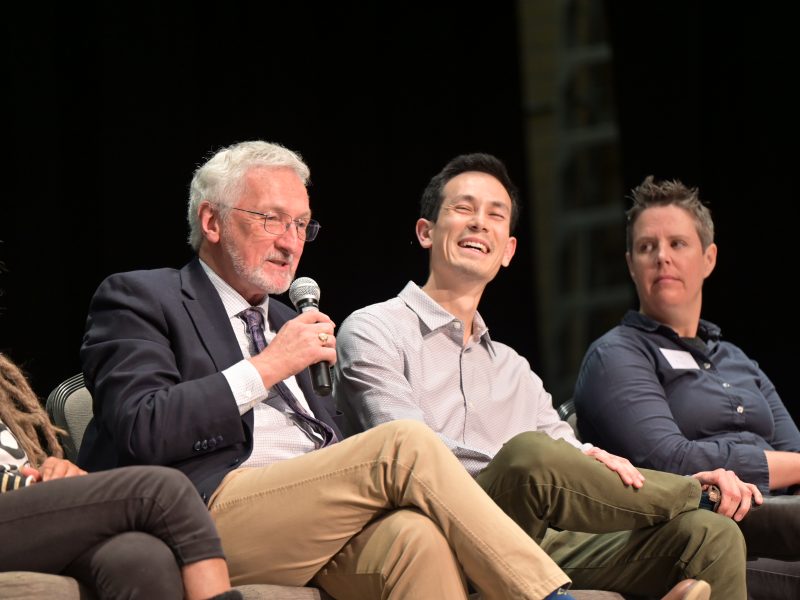
What are Nanaimo election candidates saying about the climate emergency?
All-candidates forum puts climate questions to Nanaimo election candidates.
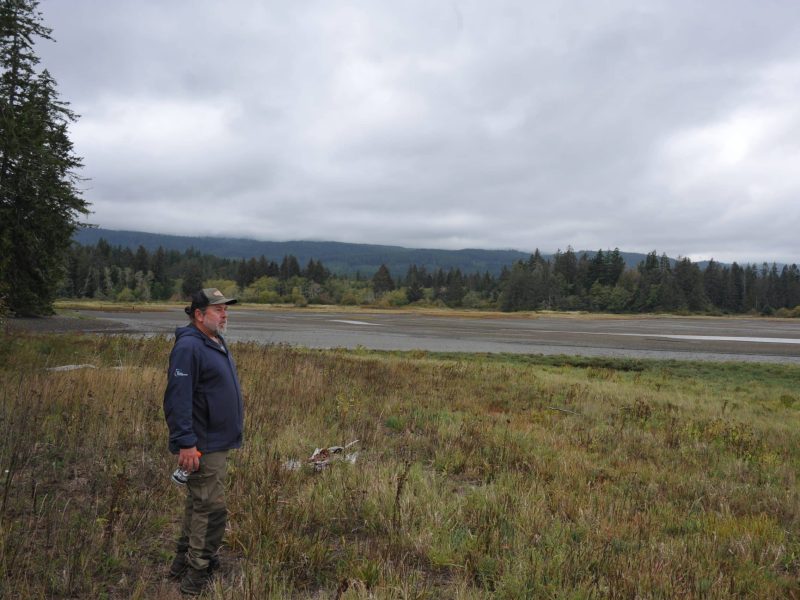
Comox Valley, Nanaimo land trusts raising funds to support Deep Bay land conservation purchase
In a partnership with the Comox Valley and Nanaimo Area land trusts, BC Parks Foundation is fundraising to protect 50 hectares of pristine shoreline in Deep Bay and make it accessible to the public.

Nanaimo Jazz Festival celebrates 10 years with more than a dozen shows in September
Local and international artists to perform on multiple stages in the city at this year’s Nanaimo Jazz Festival.