Urban Nation

As part of our on-going commitment to reconciliation, reporters Wawmeesh Hamilton and Brielle Morgan piloted Urban Nation to explore how to serve the urban Indigenous population of Greater Vancouver. The Discourse Urban Nation is now on hiatus.

👉🏽 Explore The Discourse Urban Nation stories below.

👉🏽 Learn more about The Discourse.

👉🏽 Email us to chat.

Investigation finds no vote occurred in Lax Kw’alaams First Nation supporting Petronas deal, despite B.C. premier’s claim

Six-week investigation found no evidence of meeting in First Nation where B.C. government claims community voted 244 to three in favour of LNG development proposal, and raises questions about whether legal obligation to “free, prior and informed consent”
Latest in Urban Nation
How can journalism support reconciliation with Indigenous peoples?
Can 21st-century journalism solve Canada’s 21st-century problems?
Healing the Canadian justice system

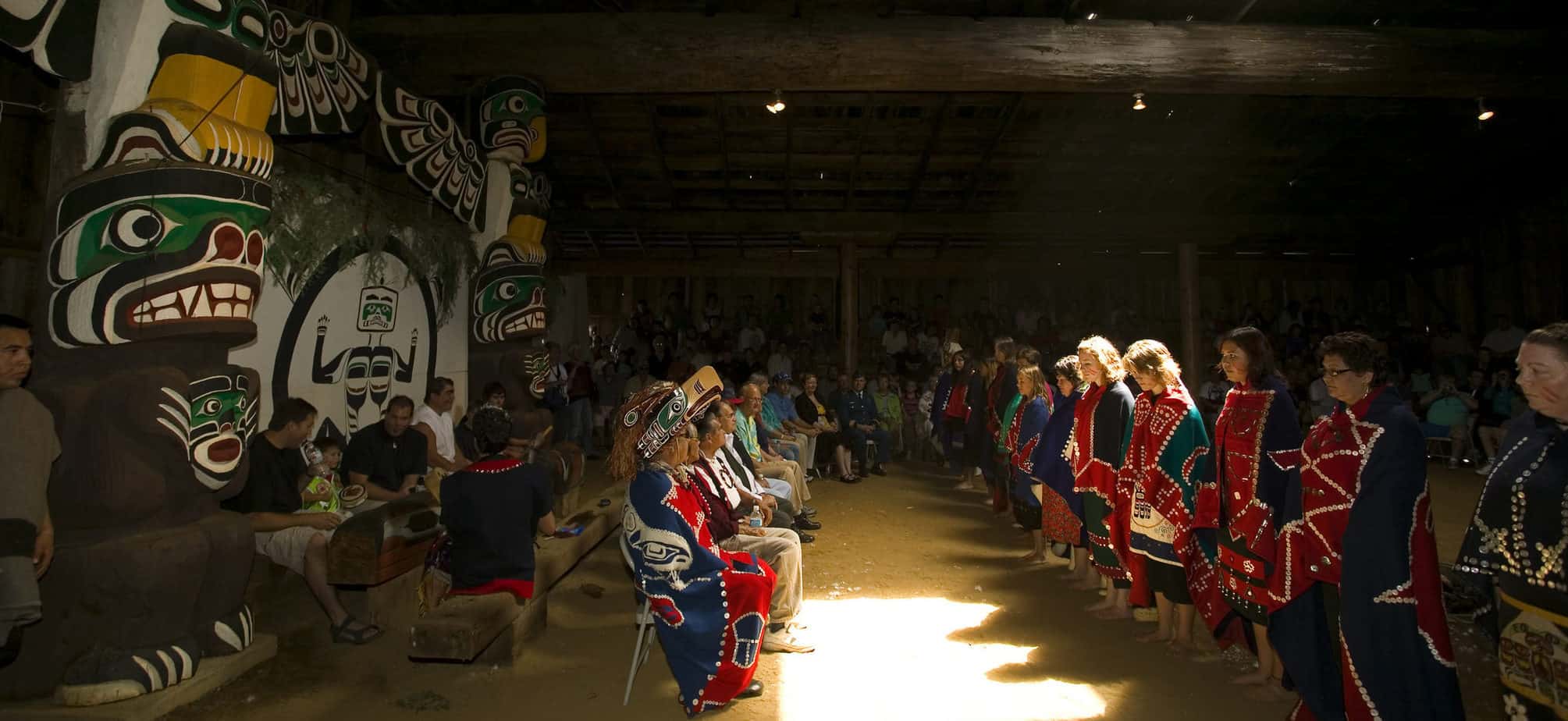
First Nations, Inuit and Métis people are disproportionately represented in the Canadian criminal justice system. As an attempt at a solution, Indigenous legal traditions have been introduced in some parts of Canada.

Reconciling journalism

One year ago, the Truth and Reconciliation Commission called on the journalism industry to confront its contribution to the Canadian public’s ignorance and misconceptions of Indigenous peoples and issues. Toward Reconciliation is our response to that chal

A difficult search for “the truth” in northern B.C.

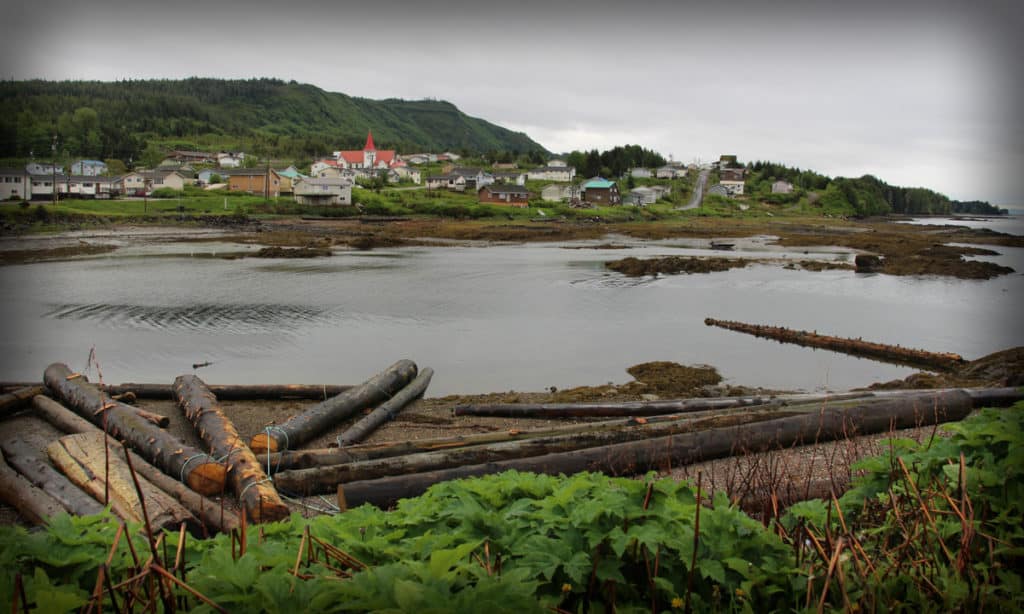
On assignment to investigate the impact of a proposed LNG project on a First Nations community, one reporter ended up challenged by some fundamental questions about her professional identity and duty to "the truth".

Calling partners and collaborators: Help us in reconciling journalism

We need your help to continue a national collaborative journalism effort that contributes to a fundamental shift in how Canadians think about and discuss difficult issues surrounding reconciliation.

Technical Summary

Students' perceptions of police in the Prairies

Indigenous distrust of police persists

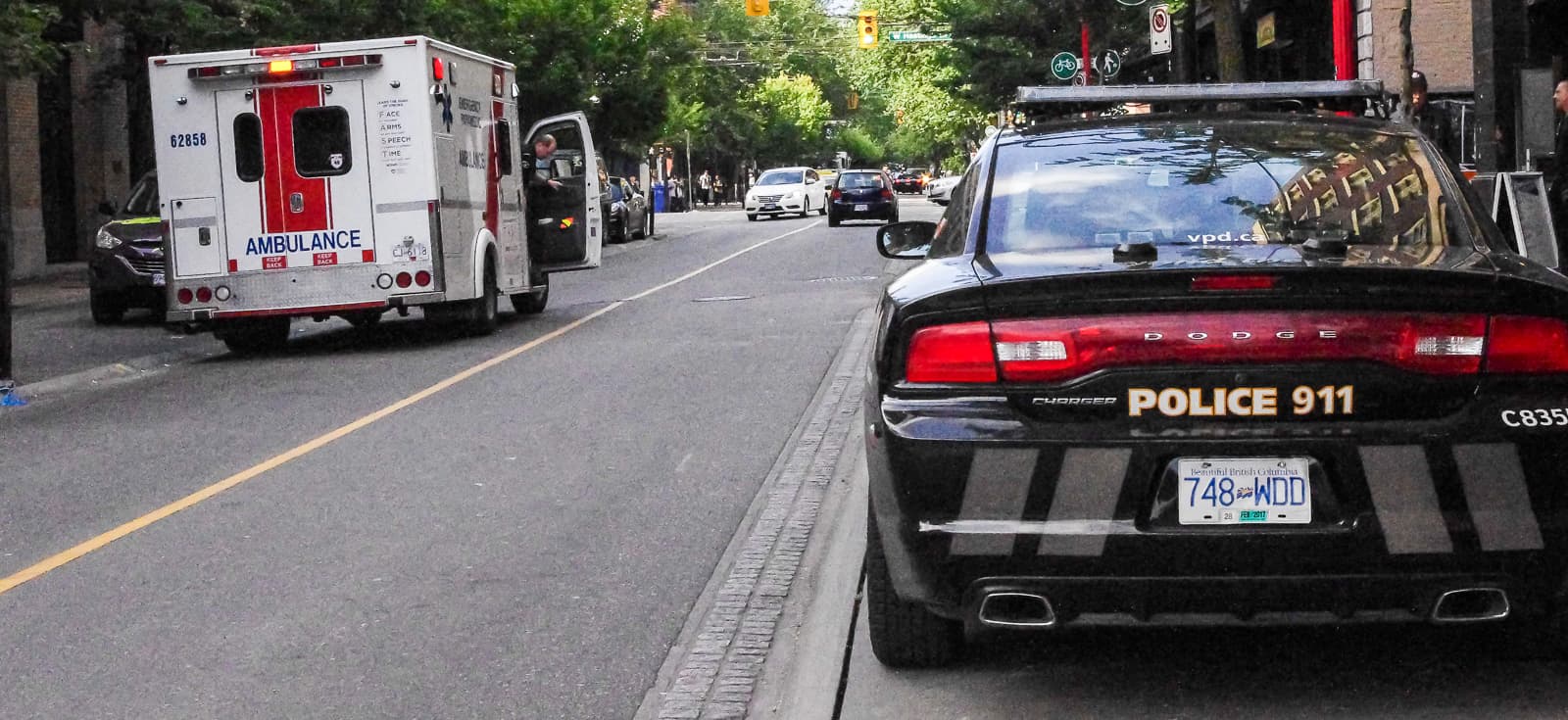
Surveys show that Indigenous people are less likely to trust and more likely to fear police than non-Indigenous people. But advocates suggest a solution to breaching the invisible wall dividing both sides might be as simple as bringing them together.

How long are Indigenous people staying in school?

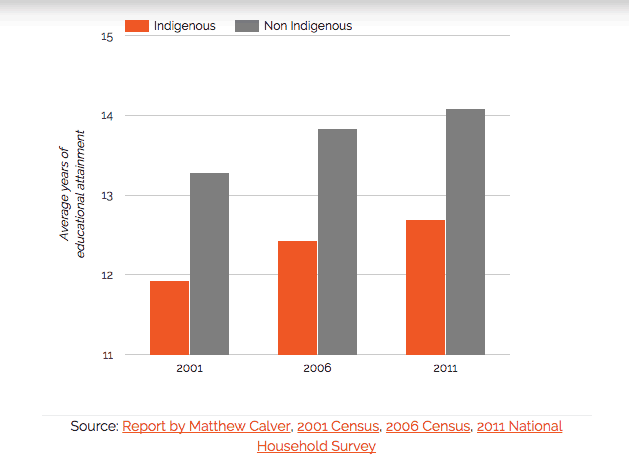
Indigenous people leave the education system earlier than non-Indigenous people. This is most prevalent in western provinces and territories.