
‘It’s about our right to fundamentally exist’: Local bodybuilder takes his fight to BC Human Rights Tribunal
Jules Sherred shares his thoughts on modern Pride, the struggles of transmasculine people in sports and why he continues to fight for the rights of all trans people.
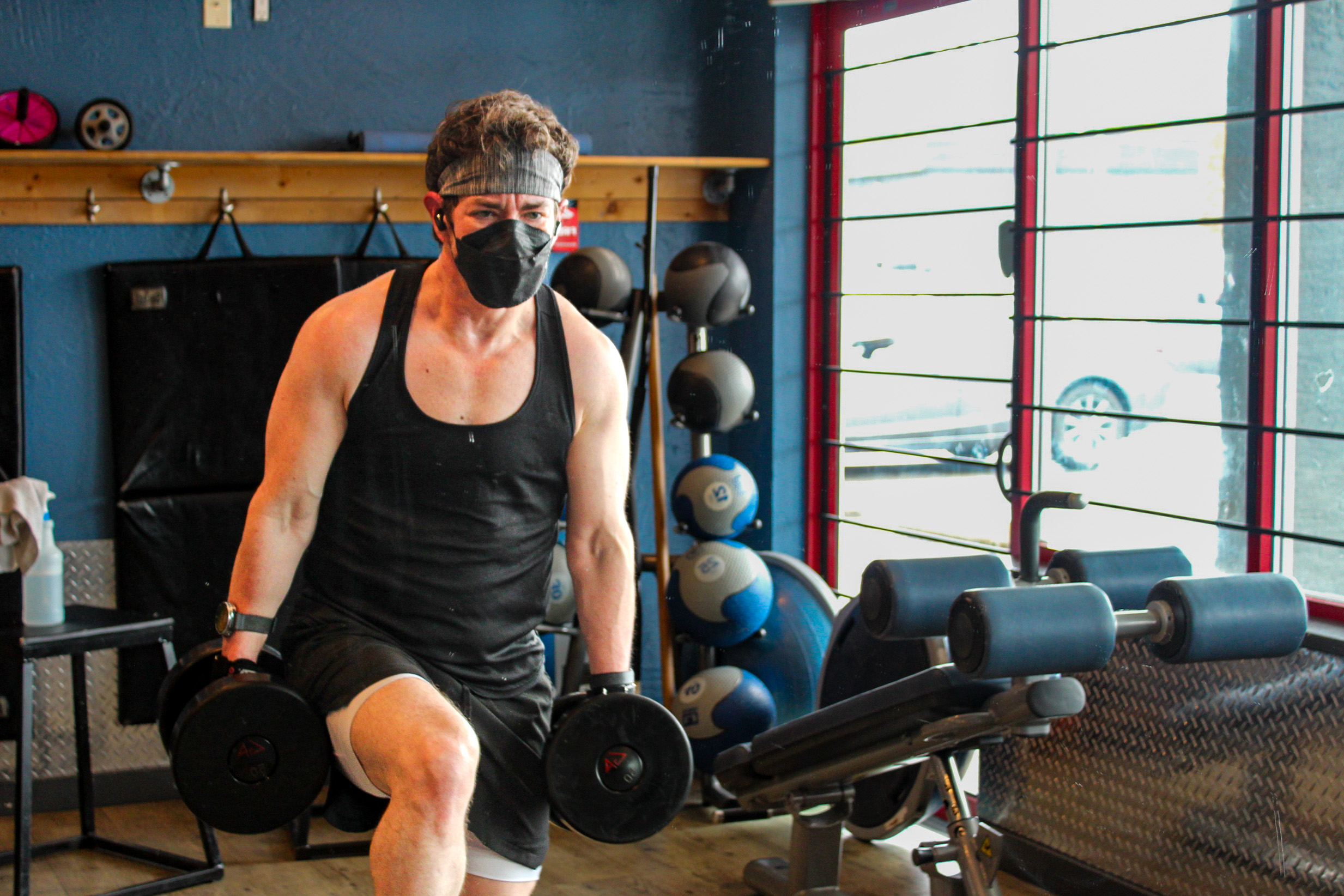
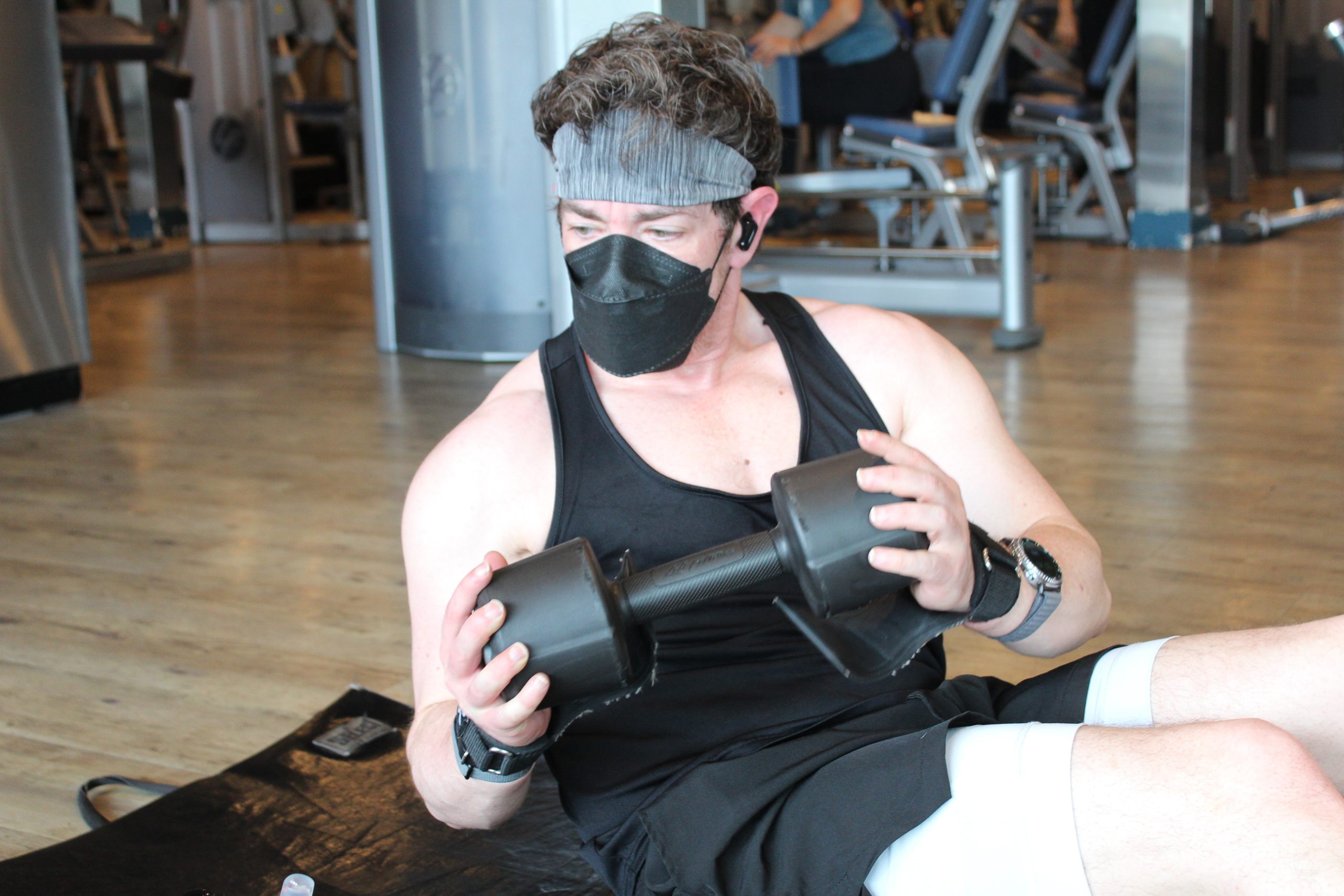
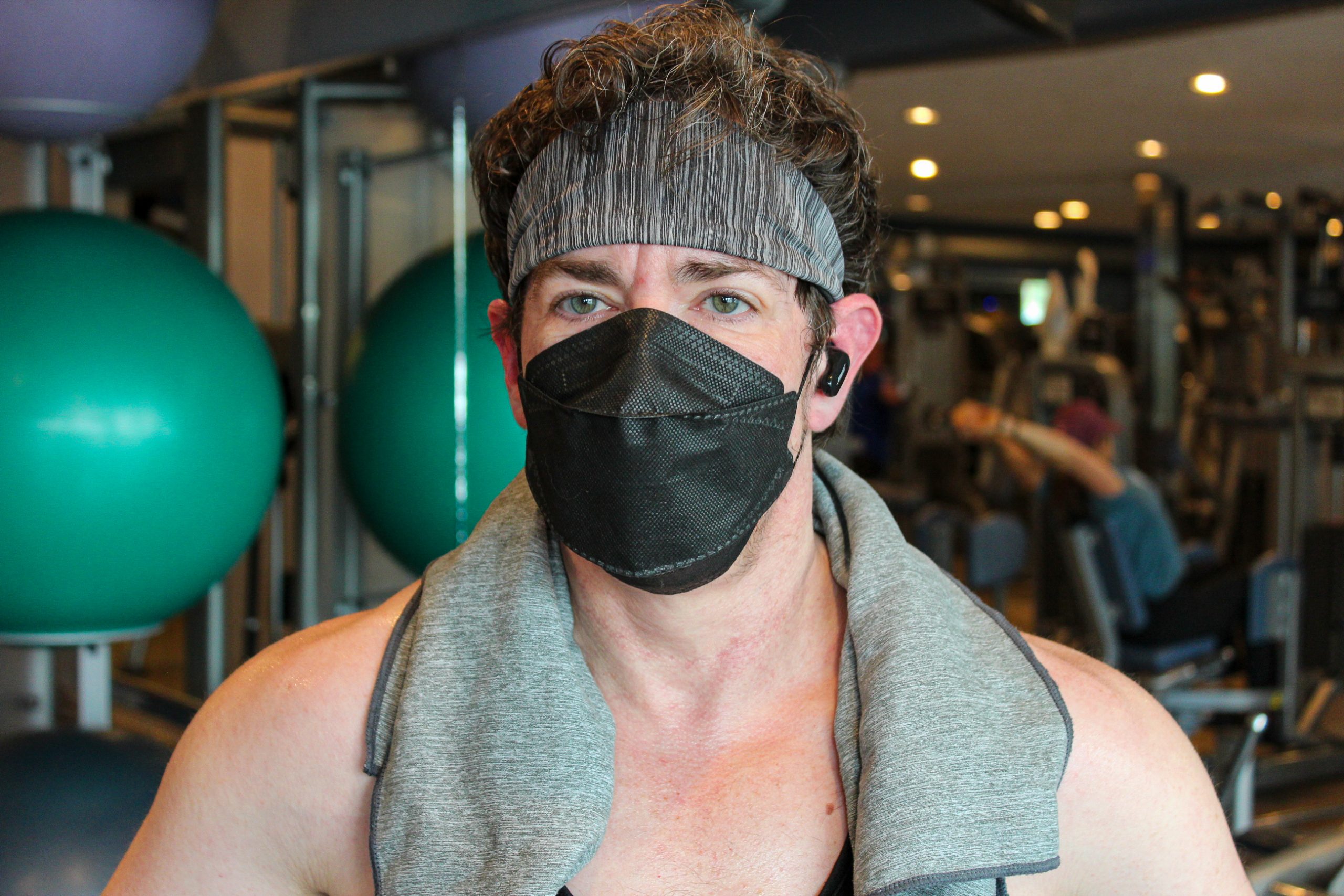
Bodybuilding is everything to Jules Sherred. Every day, he wakes up with the singular goal of training to compete, and it’s as automatic as breathing.
“A lot of people think it’s just sport, not understanding that those of us who compete and train at the level that we do, for us it’s not just sports,” he said in an interview with The Discourse.
But when his ability to compete was under threat, he knew that his usual strategy of quiet advocacy needed to change.
In October 2025 Sherred was told by the Canadian Physique Alliance, which regulates bodybuilding in Canada, that he could not compete under new rules because he was using gender-affirming hormone therapy. Sherred is a trans man who takes a therapeutic dose of testosterone as part of hormone therapy under the supervision of an endocrinologist.
Previously, he was allowed to compete with something called a temporary-use exemption — and close monitoring of his dosage — but he was told that would not be the case going forward. In response to his ban from competing, Sherred filed a formal discrimination complaint against the Canadian Physique Alliance with the BC Human Rights Tribunal.
The Canadian Physique Alliance told the Tyee that it had aligned its policies to match those of the United States-based IFBB guidelines, which does not allow athletes using hormone replacement therapy (HRT) or testosterone replacement therapy (TRT) to compete.
Sherred said gender-affirming hormone therapy is being incorrectly conflated with testosterone replacement therapy (TRT), which has never been a valid reason for a therapeutic use exemption.
“They have different effects on the body,” he said, adding that when used in doping, “[testosterone] doses are five to 10 times higher than what transmasculine people get.”
“We need to establish that the doping doses are not at all a therapeutic dose. A lot of people think they’re the same,” he said.
According to a report prepared for the National College Association of Athletics by researchers from the University of Washington, there is no evidence that testosterone therapy creates a competitive advantage in sports for trans men when compared to cis men.
The World Anti-doping Agency has a guideline for physicians that defines the criteria for granting therapeutic use exemptions and sets out the recommended dosages and frequency of treatment.
To get a therapeutic use exemption, athletes are required to hand over extensive records of their medical history dating back to when they were first diagnosed with gender dysphoria, according to Sherred.
Bans on transgender athletes are becoming increasingly common in other sports as organizations change their regulations and governments legislate anti-trans policies, according to Sherred.
The Alberta government recently passed the Fairness and Safety in Sport Act which requires schools and sports organizations to ban transgender women and girls from competing in female only amateur sports divisions. Under the act, those wanting to participate in women and girls’ sports must provide documentation to verify their sex assigned at birth. The act is also complaint-based, so if a participant’s eligibility is questioned by someone they can lodge a challenge against the participant.
Human rights organization Egale Canada said the ban risks outing trans and gender diverse youth and is rooted in disinformation about trans athletes.
“This means that all girls and young women playing sports in Alberta will be subject to scrutiny of their bodies by adults, in a grotesque violation of their privacy and dignity,” a statement from Egale Canada says.
Sherred’s case with the BC Human Rights Tribunal is still ongoing and could take up to three years to receive a ruling, but he said he hopes a ruling in his favour will set a precedent for other trans athletes facing discrimination.
The Discourse sat down with Sherred to learn more about how he views his fight against the Canadian Physique Alliance in the broader context of Pride month, and what he hopes will come of the case if the tribunal rules in his favour.
Eric Richards, The Discourse: A lot of modern Pride coverage is sanitized and corporate. But your situation feels like a reminder of Pride’s more radical roots. How do you view your fight against the Canadian Physique Alliance (CPA) not just as a sporting dispute, but as a direct continuation of Pride as a protest?
Jules Sherred: I think the big part of that is people think that because trans people are recognized under the law as protected, that it’s done, it’s over, not understanding that every single day we still face discrimination in health-care settings. I can’t count the number of times I’ve had to file complaints with [Island Health] because of doctors outright refusing to treat me, as one example.
Then, we have the suspension of trans rights in both Saskatchewan and Alberta. And then we have trans people being disallowed from playing in sports, and you hear most about trans women. But people don’t know about the fact that by default, transmasculine people who are on testosterone are banned from sport. We have to earn our way into being allowed to compete in a way that is very dehumanizing and not backed by science.
What is happening now to transmasculine people in sport is that those of us who were once approved got a therapeutic use exemption [to take testosterone]. All of a sudden, those same sporting agencies are no longer granting them once they expire. They’re playing games.
People just think that there is nothing outright in the rules saying transmasculine people can’t compete, but people don’t understand what it means that anti-doping laws apply.
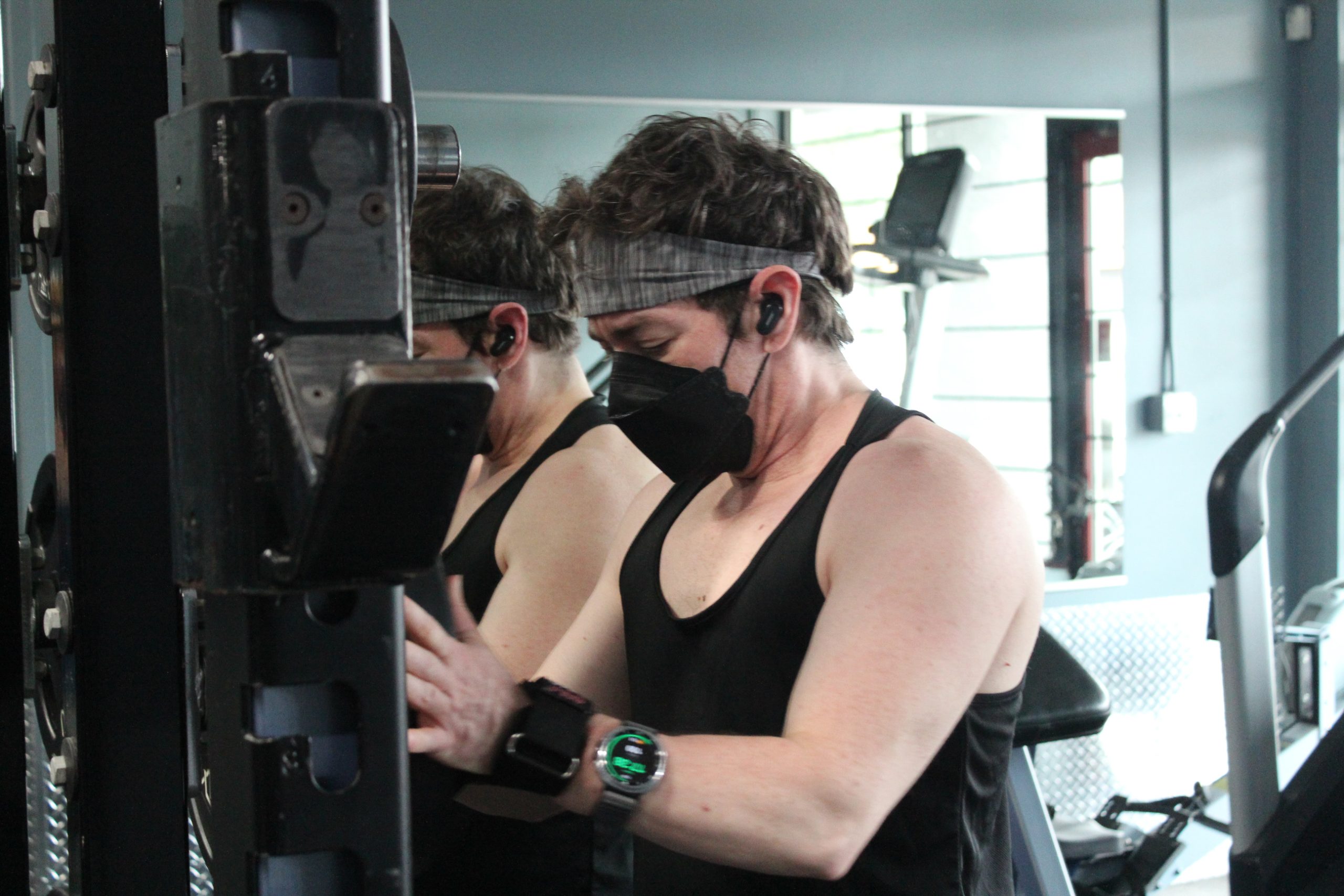
Can you explain what a therapeutic use exemption is?
There is a whole list of medications that you are not allowed to take if you are in a drug tested sport. There is everything from insulin, to your inhalers, to a whole bunch of medications because they can enhance performance. Testosterone is one of those medications that is often used in doping, but at doses that are five to 10 times higher than what transmasculine people get. We need to establish that the doping doses are not at all a therapeutic dose. A lot of people think they’re the same, but they’re not.
The World Anti-Doping [Agency] has a whole set of guidelines about testosterone use in transmasculine people, all these great scientifically backed things that say transmasculine people on testosterone should be allowed to compete. But to be able to compete in a fair way, we have to get this thing called a therapeutic use exemption that basically says this person is allowed to compete while on this specific dose of testosterone. To get that, we have to give our complete medical history, including when we were dead named [calling a transgender person by their birth name] and our wrong gender going all the way back since diagnosis. I had to give 15 years of the entire thing — all my blood work and my diagnosis from the psychiatrist who diagnosed me with gender dysphoria way back in the day. I had to give them all of my medical records.
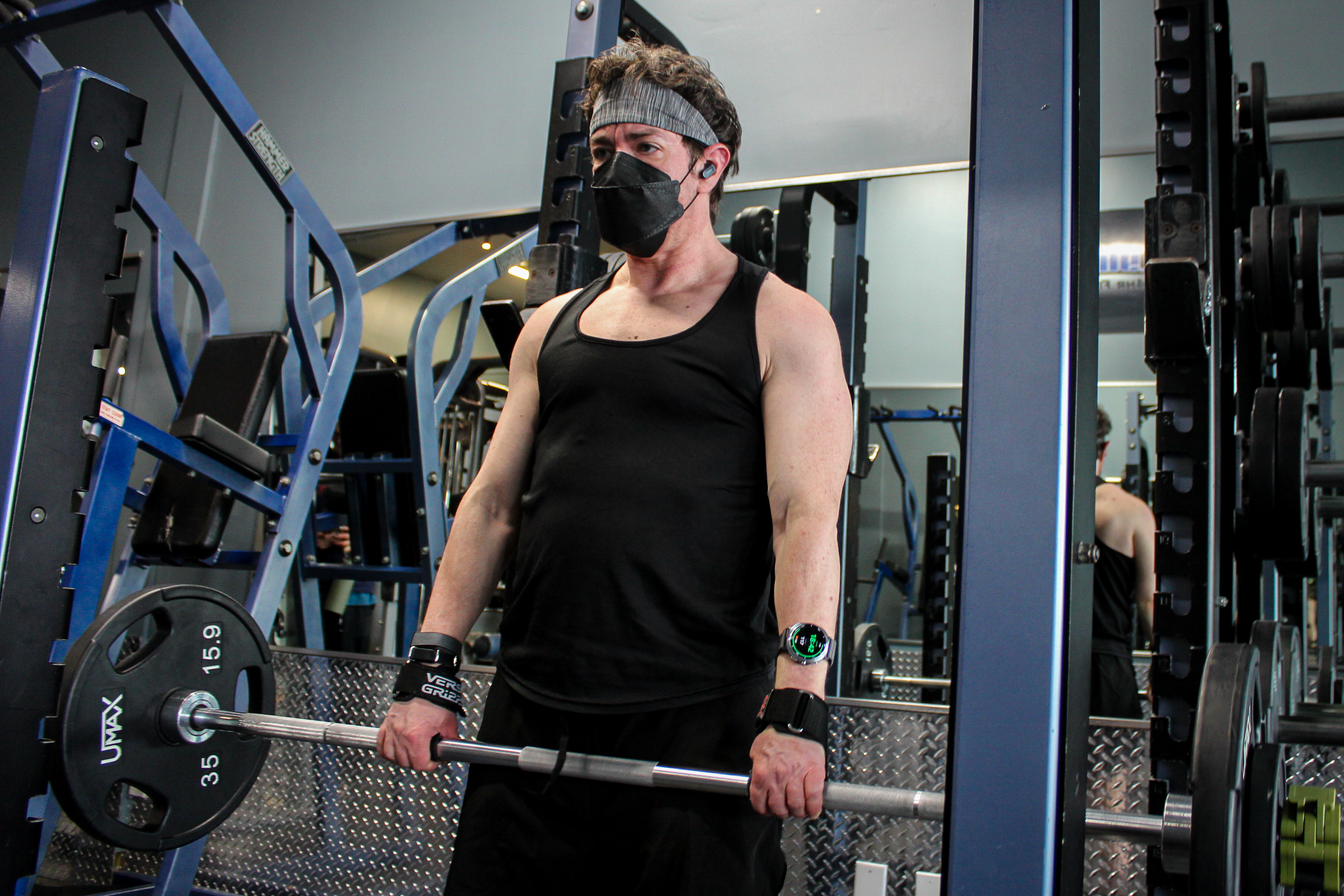
The sense I’m getting is that Pride is definitely still a radical protest for transmasculine athletes because you are having to fight for your literal existence to be in these sports.
And why it’s a protest for me more than anything is when you are doing a human rights tribunal case, they want you to go in and try to get it done through mediation. The problem with mediation is that any judgment that happens in mediation, any agreement, it’s only applicable to me. So I will win. There’s no doubt that it will be found in my favour. But if I go through mediation, then I’m the only one who benefits from it and it wouldn’t benefit any other transmasculine people in sports. And my endocrinologist, he’s told me all of his trans athletes are pretty much all being denied now. None of them are getting approved for temporary use exemptions, and he wished me good luck when I went in for my first approval.
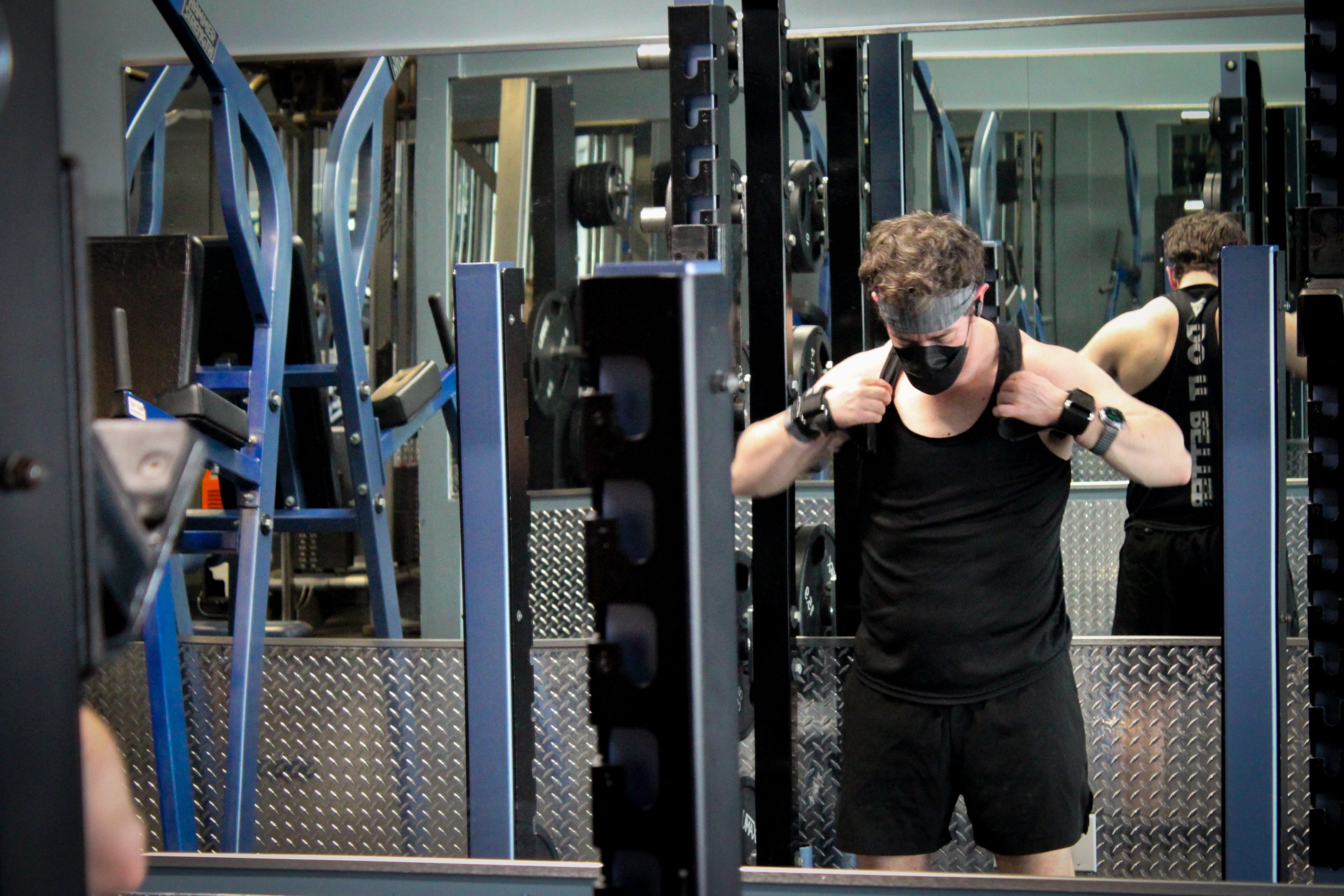
The BC Human Rights Tribunal process could drag on for years and be very draining. I am curious how you maintain the energy to keep up that fight.
The fact that I don’t want kids to go through what I went through. It’s awful. I don’t want people to go through the hell that has been my life as a trans person in Canada. I know what it’s like to experience suicidal ideation and try to take my life. All the stuff that goes on when you live in a society that constantly tells you that they don’t want you to be alive, they don’t want you to exist and they don’t want you to participate in the things that are fundamental to your soul.
The first thing I think about in the morning is training. My whole entire day is structured around having enough energy to be able to train. I eat, live and breathe fitness and I always have. And that’s how it is with athletes. It’s like asking us to give up air. Taking that away is soul crushing.
I got the sense you were very frustrated with queer media kind of looking away from this issue. I want to understand why you think 2SLGBTQQIA+ outlets are reluctant to report on these barriers that are facing transmasculine athletes.
There is a lot of anti-transmasculine sentiment out there that has been going on ever since second wave feminism [like] ‘transmasculine people are the undoing of womanhood, trans men are trying to take away from women’s conversations and women’s rights’ and all this other stuff. [This is] despite the fact that we experience the highest rates of intimate partner violence, the highest rates of discrimination in medical settings and experience the highest rates of violence and discrimination from law enforcement. We are shut out of sport. There are all these disparities that go on.
People, I think, are worried that if they focus on transmasculine people it will seem like they’re trying to shift the conversation away from trans women, instead of understanding that we can talk about both and talking about them does not take away from the other. I think people are afraid that if they cover it, it will be taken away from trans women when that’s not the case.
We’re taught as masculine people to be quiet and shut up and to defer to other people from the time we’re born and that continues on as we’re masculine. Even some masculine reporters themselves perpetuate some of the anti-transmasculine rhetoric that’s out there, not understanding that it is anti-transmasculine rhetoric that they’ve internalized and accepted as fact.
What does Pride and Pride month mean to you?
It’s still a protest and it’s still a riot until trans people cannot have their Charter rights suspended, until we have the new leader of the [B.C.] Conservative Party. [The current leader] is saying that if they get elected as premier, they’re going to make it so that trans youth can’t have any type of gender affirming care. But until all of that stuff goes away, we’re not done.
We cannot fear that our rights can be taken away just because of one election, and we’re always one election away in Canada. So until we’re no longer one election away from our rights being suspended, then it’s a riot and it’s a protest. It’s about our right to fundamentally exist. That’s it.
Can you tell me about your upcoming documentary, Fabulous Body of Mine, and when people will get the chance to watch it?
Filming wrapped in October of last year, so we’re now in post production and I haven’t seen the rough cut yet. I can’t wait. But it will be released on CBC Gem on March 1 of next year. I was 100 per cent myself in it, and I was honest. It covered both the joys and the lows of my life as a trans person in Canada and my work as an activist in both trans and disability spaces. I’m excited for it to come out, and a little bit scared just because of the backlash it could incur.
Duncan is not always the most accepting place for trans people. I’m happy it’s going to be coming out, and it’s going to give kids a positive role model. I hate that ‘it gets better‘ thing that came out with Pride because for some people, it doesn’t. But you learn to deal with it more, and you find your community and it gets more manageable. And you can walk with it and be proud of yourself while still acknowledging the stuff that’s still happening. The reason why I agreed to do it, and at the risk of more violence and exclusion in my community, is that hopefully younger people, trans youth, will see it and be like, ‘OK, I have a future, and that future can be happy and have good things in it.’
Further reading:
transathlete.com: A website started by Chris Mosier, the first trans man to compete against men in a world championship race. Contains resources for trans athletes and advocates.
A 2022 study by the department of justice of Canada documenting the negative experiences of trans, Two-Spirit and non-binary people in Canada interacting with the justice system.
viaSport BC is a provincial organization that works to make sports more inclusive and has guidelines for building inclusive programs for 2SLGBTQQIA+ athletes.
A meta analysis of research published by the American Public Health Association on intimate partner violence in gender diverse people.
What did you think of this story?
Your feedback after we publish a story helps ensure we're always improving our reporting to better serve you
Author

Related Articles
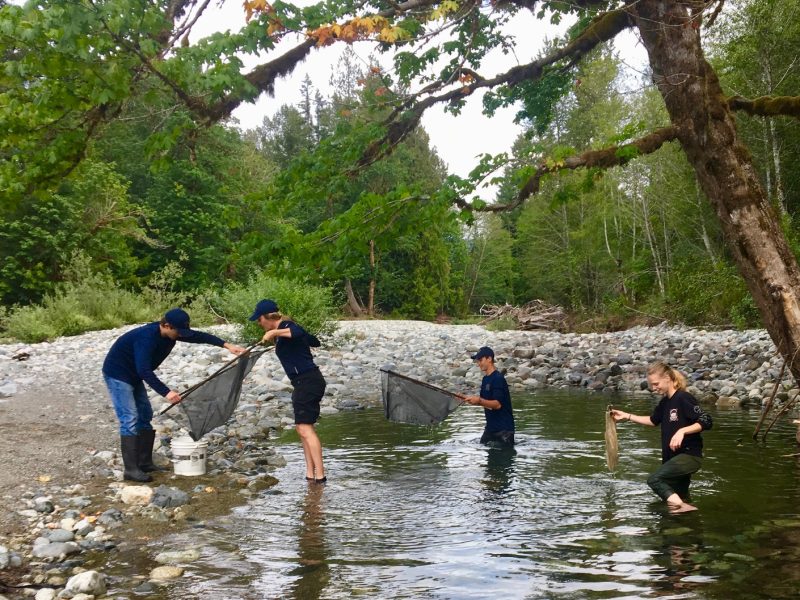
What to do and who to call when juvenile salmon are in danger
Officials say Cowichan Valley residents should call experts to move salmon in isolated pools because of risks associated with relocation.
How is The Discourse’s journalism funded?
And what does it cost to produce The Discourse’s in-depth, independent journalism?
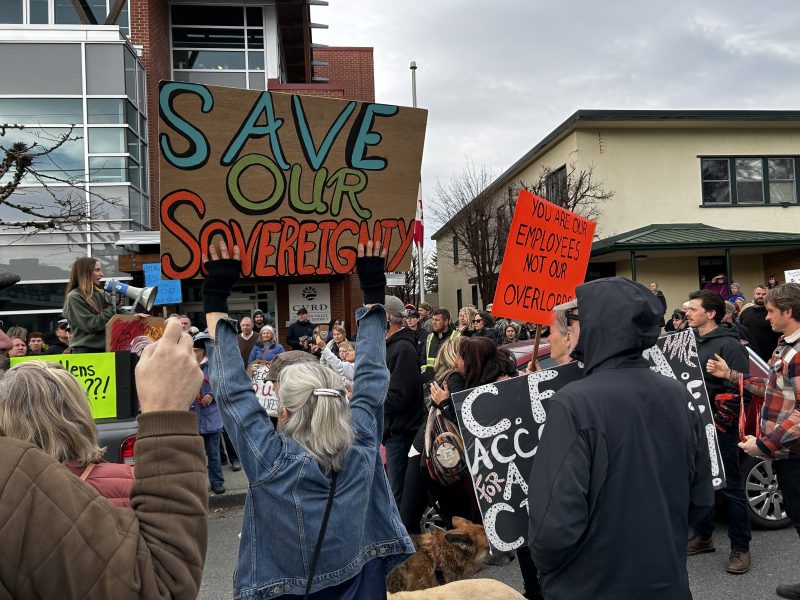
Behind the backlash to the Cowichan Valley’s comprehensive zoning bylaw
The campaign against Bylaw 4710 was fuelled, in part, by misinformation and an organized group of advocates. What could this mean for the future of local politics?