
None Came Back: Documenting the untold stories of the Japanese community in Chemainus
New exhibit at Chemainus Valley Museum aims to highlight and give voice to the Japanese Canadian community that once lived in Chemainus.
Today, a thrift store sits on the corner of Oak and Maple streets in Chemainus. But back in 1940, it was home to the Crystal Fish Market owned by the Kawahara Family.
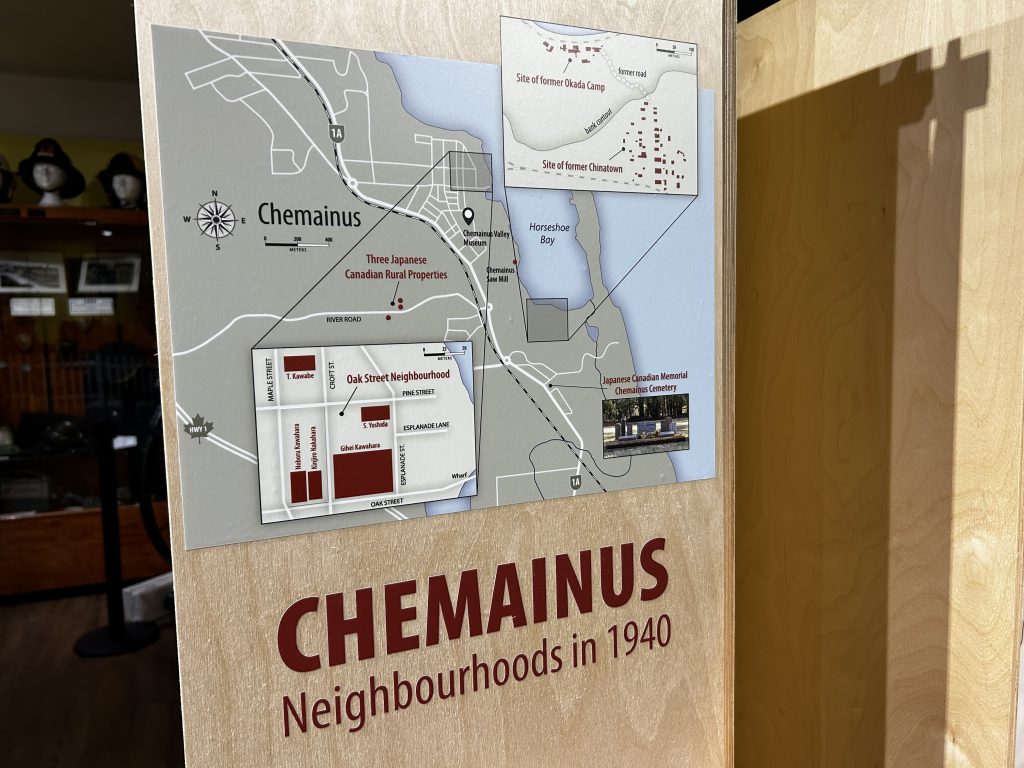
The market was just one part of a thriving Japanese Canadian community that called the Oak Street neighbourhood in Chemainus home.
The pride of the neighbourhood was a community hall built by residents which hosted Judo practices, weddings, gatherings of the Buddhist congregation and other celebrations. Now it’s a private home and one of the few remaining pieces of evidence that the community of around 300 residents existed at all.
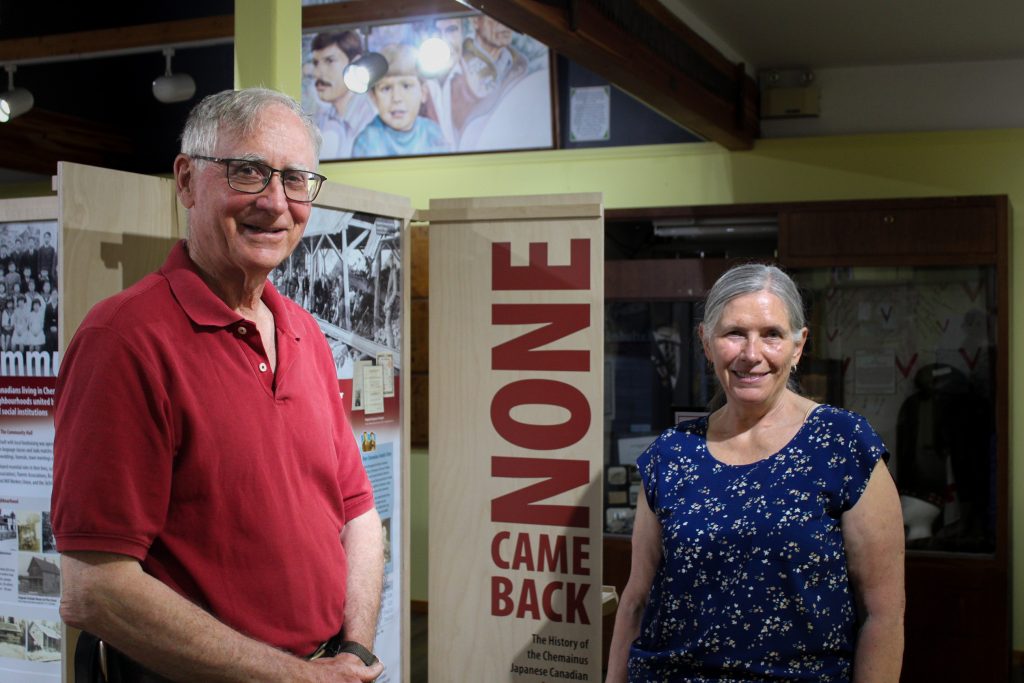
These sites are part of a new walking tour created by the Chemainus Valley Museum as part of its new exhibit, None Came Back, which aims to shed light on the Japanese Canadian community that lived in Chemainus before the Second World War using archival documents, photos and artifacts.
“We wanted to give the public a better understanding of the deep history of the community and that it wasn’t white settlers who built the community,” museum volunteer Hiram Beaubier said.
The displays of None Came Back are arranged in a timeline, starting with the first arrival of Japanese men who sought employment at the Mt. Sicker mines to the rising discrimination they faced amid global tensions and their internment and dispossession.
Each display is accompanied by a panel that tells the impacts of discrimination, exclusion and internment through the eyes of the Kawahara family.
And while the exhibit shares stories of the past, it ties into the present as descendents of the Kawahara family will return to Chemainus to celebrate the exhibit’s opening on July 11.
“It gives meaning to all of this beyond photos and artifacts,” Beaubier said. “Their story is integral to the history of the community. If you only understand the community from one dynamic, you’re missing a huge amount.”
Japanese community faced prejudice before internment
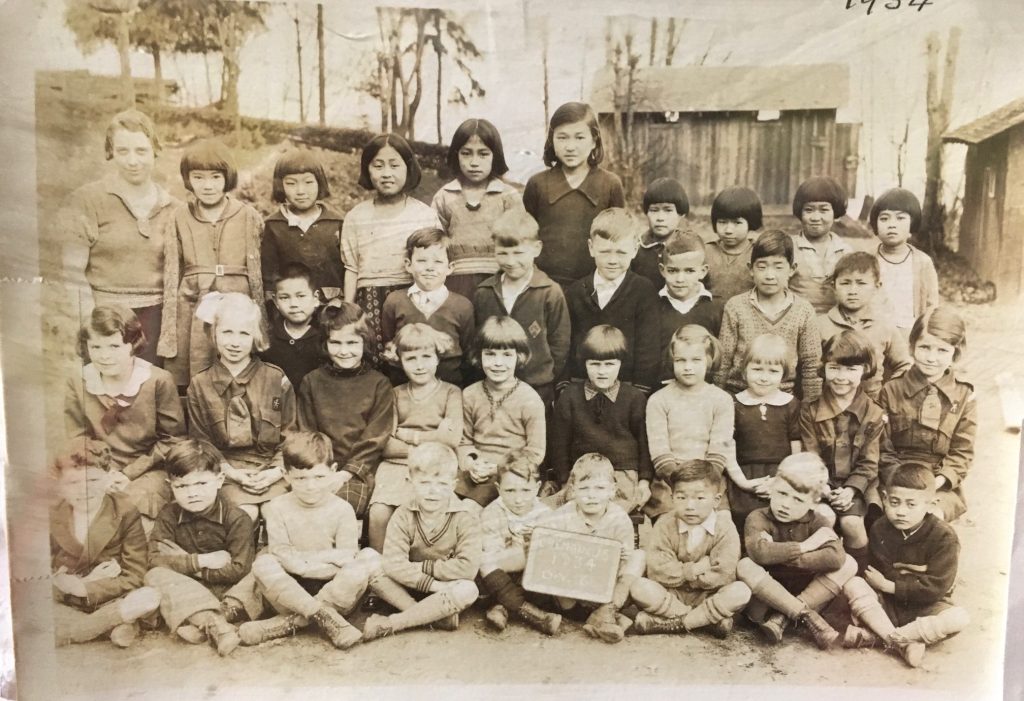
By the 1930’s, one in five people living in Chemainus were of Japanese descent. They lived mostly in the Oak Street neighbourhood and in small settlements called “Okada Camp” and “Chinatown,” built on mill lands around Horseshoe Bay (Chemainus Bay) for Japanese mill workers.
In January 1942, following the Japanese attack on the U.S. Pearl Harbour naval base in Hawaii, the Canadian government passed an order calling for the removal of Japanese Canadian people from any area within 150 kilometres of the coast.
Those who were removed could only take a single suitcase with them to internment camps in the interior of B.C., leaving behind their homes and belongings.
This followed decades of prejudice and exclusion from the white community in Chemainus, museum volunteer Lorraine Boros said.
One display at the exhibit focuses on Edward Shige Yoshida, who after being excluded from joining the local troop, founded the first all-Japanese Boy Scout troop in Chemainus.
At the time, Japanese people were not allowed to vote and were barred from holding public office and working in certain professions.
Low wages paid to Japanese workers fuelled animosity between Japanese immigrants and white workers while newspaper editorials and political speeches declared B.C. for “whites only,” one display at the exhibit reads.
A thriving community erased
In between the exhibit displays at the museum are quotes from past Chemainus residents.
“Here’s a quote from North Cowichan’s mayor at the time saying ‘we should get them out of here,’” Beaubier said, pointing to one of the displays.
That quote and others from local voices were included to highlight that reaction to the internment and expulsion of Japanese Canadians in Chemainus was based on already existing prejudices, amplified by fear of the war and echoed by political voices of the time, he added.
“There’s a tendency to step back from the immediacy of local events, thinking, ‘that happened over there. It was government policy that did this.’ Government policy is driven by other elements, and we document some of those voices that added momentum to the policy,” Boros said.
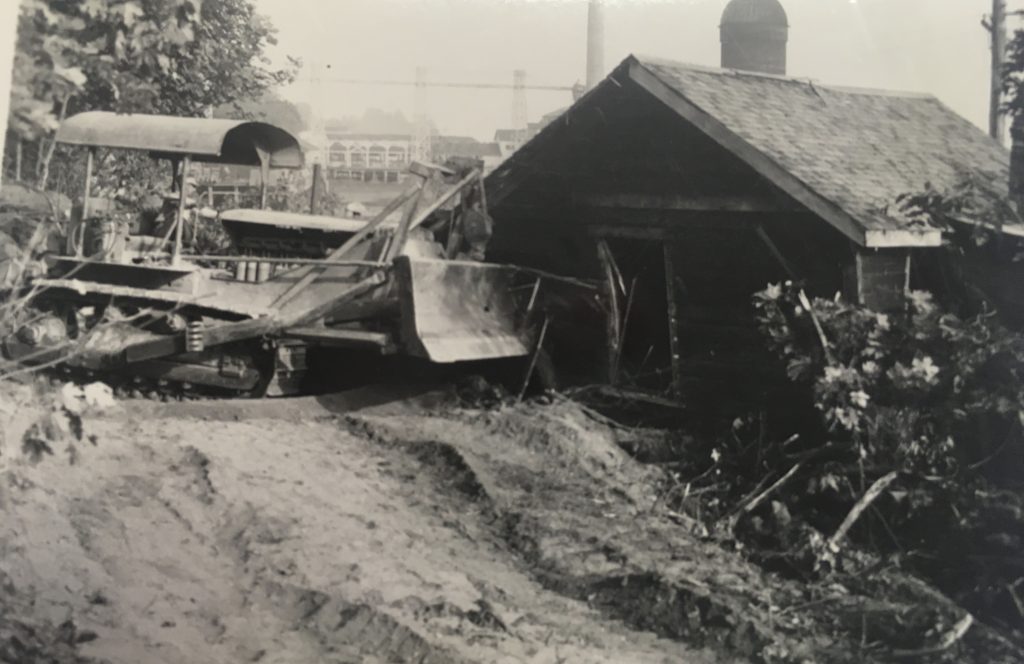
Homes that were part of the Okada Camp were destroyed and the families that lived there did not receive compensation.
Some artifacts from this settlement are still being found today, such as fragments of Japanese pottery found in the garden of the home that used to be the community hall.
Telling the whole story of Chemainus
Boros said this exhibit is a first step in a larger effort to tell the entire story of Chemainus, as the museum moves away from a purely white settler history to explore the diverse communities that shaped the town.
“There’s still room for other stories to be told,” she said.
According to Beaubier, it was important to the museum that the exhibit prompts people to reflect on belonging and exclusion and connect past attitudes to the present.
“The dynamics of prejudice and amplified fear are an important element of the story and you see that play out very clearly even today,” Beaubier said.
The exhibit will run until November 2026, with the museum planning a permanent display afterward.
An opening ceremony for the exhibit is scheduled for July 11, 2026 at 1 p.m. at the Chemainus Valley Museum.
What did you think of this story?
Your feedback after we publish a story helps ensure we're always improving our reporting to better serve you
Author
Related Articles
What to do and who to call when juvenile salmon are in danger
Officials say Cowichan Valley residents should call experts to move salmon in isolated pools because of risks associated with relocation.
How is The Discourse’s journalism funded?
And what does it cost to produce The Discourse’s in-depth, independent journalism?
Behind the backlash to the Cowichan Valley’s comprehensive zoning bylaw
The campaign against Bylaw 4710 was fuelled, in part, by misinformation and an organized group of advocates. What could this mean for the future of local politics?