
Wildwood Ecoforest gains nearly 9 hectares of ‘untouched’ land
Success of fundraising campaign brings the famed demonstration forest back to more than two-thirds of its original size.
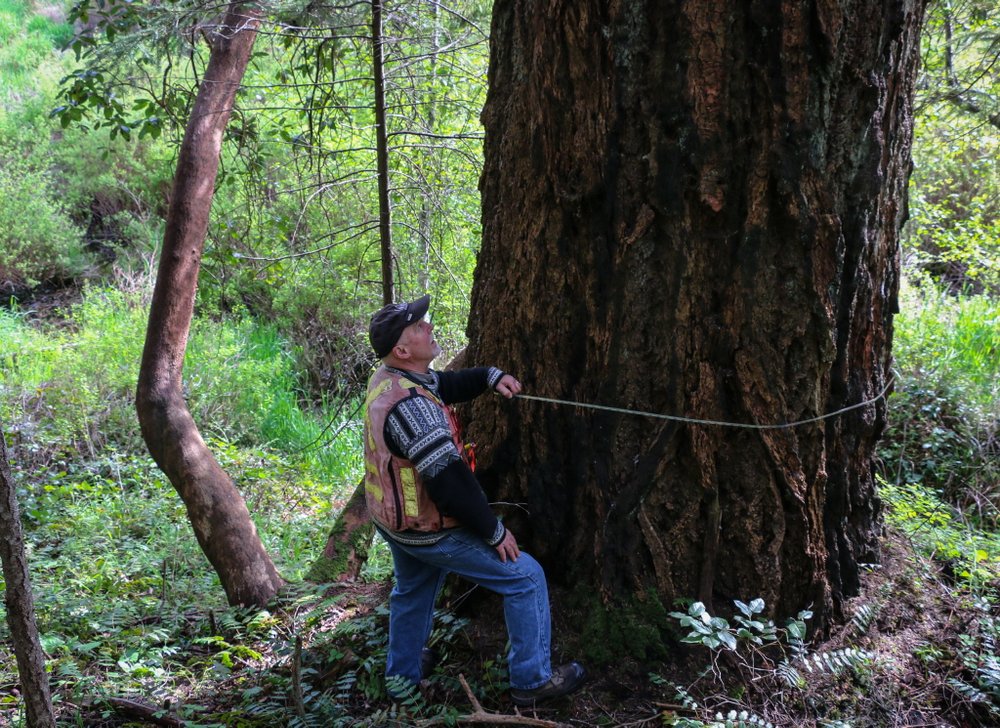
Last week, the Wildwood Ecoforest, located in Yellow Point just north of Ladysmith, got considerably closer to its original size. A successful campaign to raise $850,000 has allowed the Ecoforestry Institute Society (EIS) to purchase 8.5 hectares of land and reunite it with the famed demonstration ecoforest.
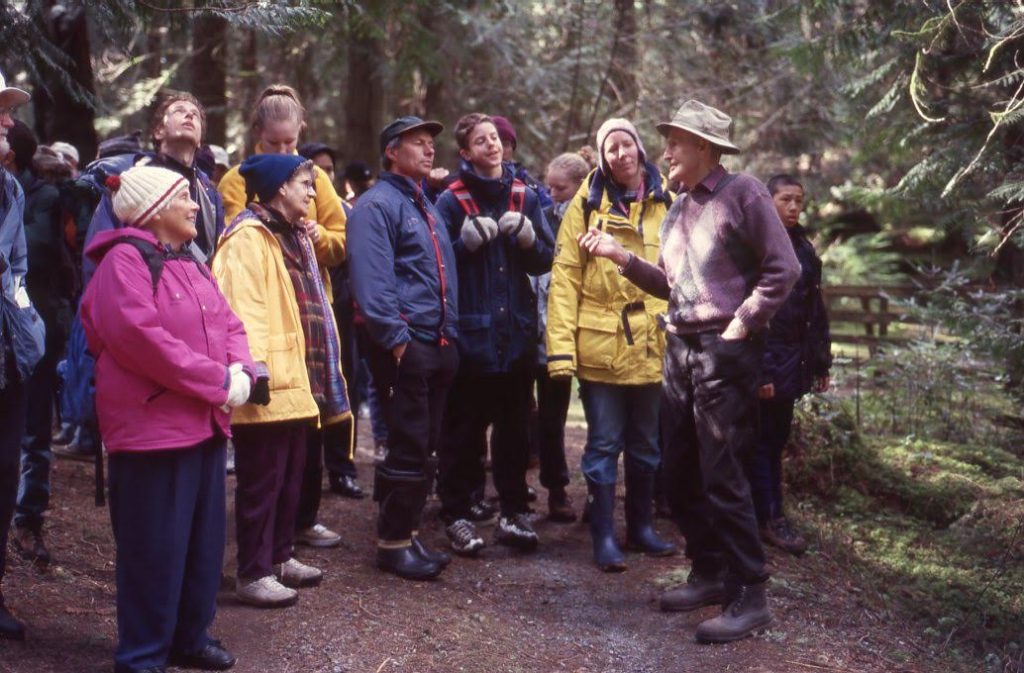
The Wildwood Ecoforest, established by Merv Wilkinson in the 1940s, has long served as an educational counterexample to modern logging practices. Ecoforestry is a type of sustainable forestry where trees are selectively harvested in such a way that the forest’s ecological integrity is kept intact.
The parcel being added to the forest features meadows, a stone escarpment and a section of rare old-growth coastal Douglas fir. It has been “kept untouched” by the previous owners of the parcel, according to the Ecoforestry Institute Society’s chair Kathy Code. She says the parcel will be used by the society — which owns and manages Wildwood — for research and education as well as ecotours, and will be kept intact in the name of wildlife habitat, biodiversity, hydrology and health.
The purchase of the 8.5 hectares took a collective effort, with contributions from hundreds of donors, Code says. It means the ecoforest now stands at about 42 hectares, out of the original 60 hectares purchased in 1938 by Wilkinson.
“It’s an incredible story of community support and love for Wildwood,” Code says.
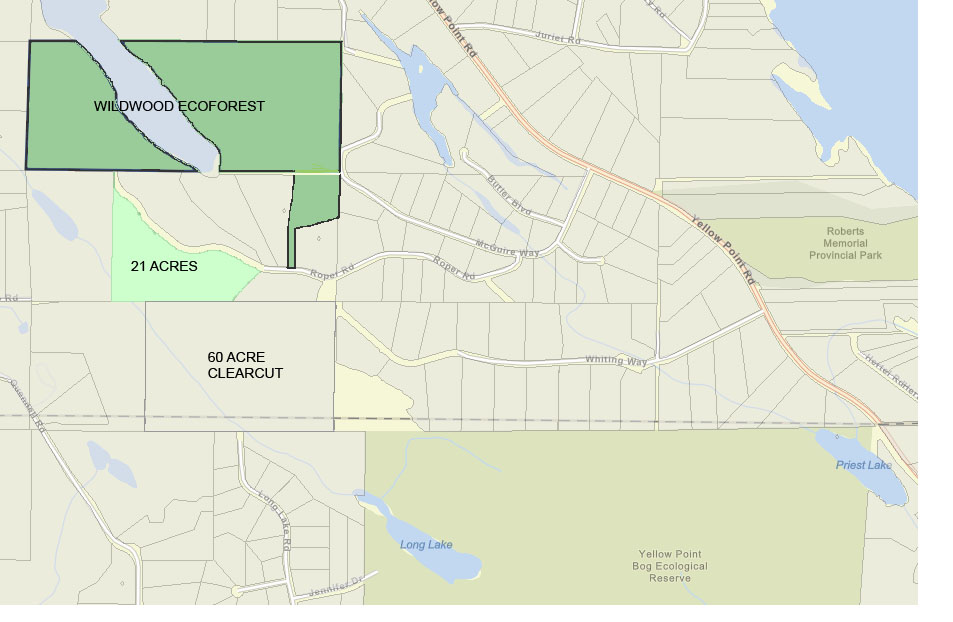
Wildwood Ecoforest land parcel will be in the public domain in perpetuity
The campaign to buy the land parcel was galvanized by an anonymous benefactor who offered a $100,000 matching grant, Code says. The most recent owners of the 8.5 hectare parcel had bought the land a few years ago for $850,000 on behalf of EIS and were holding it until the organization could raise enough funds to buy it at the price the owners had paid, Code explains.
The land will be placed under the Wildwood Trust, created in 2016 when the B.C. Supreme Court approved a bid by the Ecoforestry Institute Society to become Wildwood’s trustees and stewards in perpetuity and honour Wilkinson’s legacy by keeping the property in the public domain.
After buying Wildwood in 1938 with the intention of farming the land, Wilkinson shifted his plan to ecoforestry in 1945 and began selectively harvesting the forests on his property. He eschewed pesticides and fertilizers, and for many decades managed his forests based on a sustained yield theory that went against common forestry practices. Wildwood was heralded by the environmental movement as an example of responsible forestry, and Wilkinson was awarded the Order of Canada and Order of British Columbia for his work.
Wildwood consisted of two parcels of land and Wilkinson, who died in 2011 at age 97, gave the parcel that is about 28 hectares to his son Dennis in the 1970s. That land was later divided into several parcels, and in 2022, the Ecoforestry Institute Society was able to purchase a “pretty pristine” 2.4 hectare parcel of that, Code says.
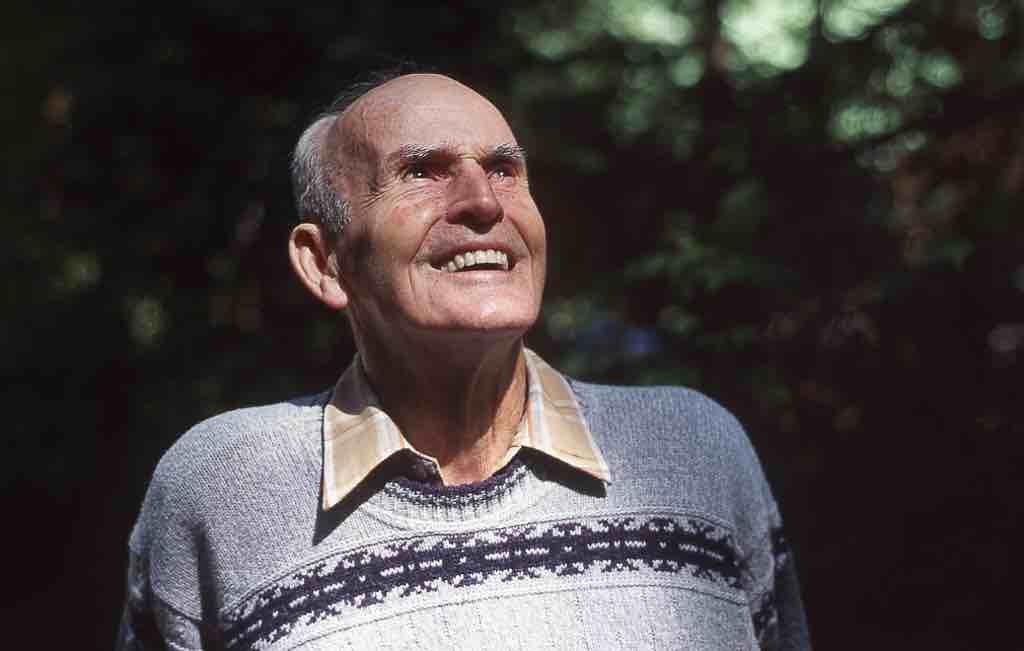
In 2000, Wilkinson sold the core 31-hectare parcel of Wildwood to the Land Conservancy of BC. In 2016, the Land Conservancy transferred ownership to the Ecoforestry Institute Society in exchange for an $800,000 contribution.
To afford this, the society had to get a $450,000 mortgage. Code says while it’s a lot harder to fundraise in the name of paying down a mortgage than it is to raise money to buy property, the organization never considered logging part of Wildwood to pay down the debt.
“We do not feel that we have the right to go into the forest and cut down the trees that we would need to satisfy the debt because that would be going against the principles of ecoforestry,” she says. “We practice ecoforestry for the benefit and health of the forest, not necessarily for our human purposes and goals.”
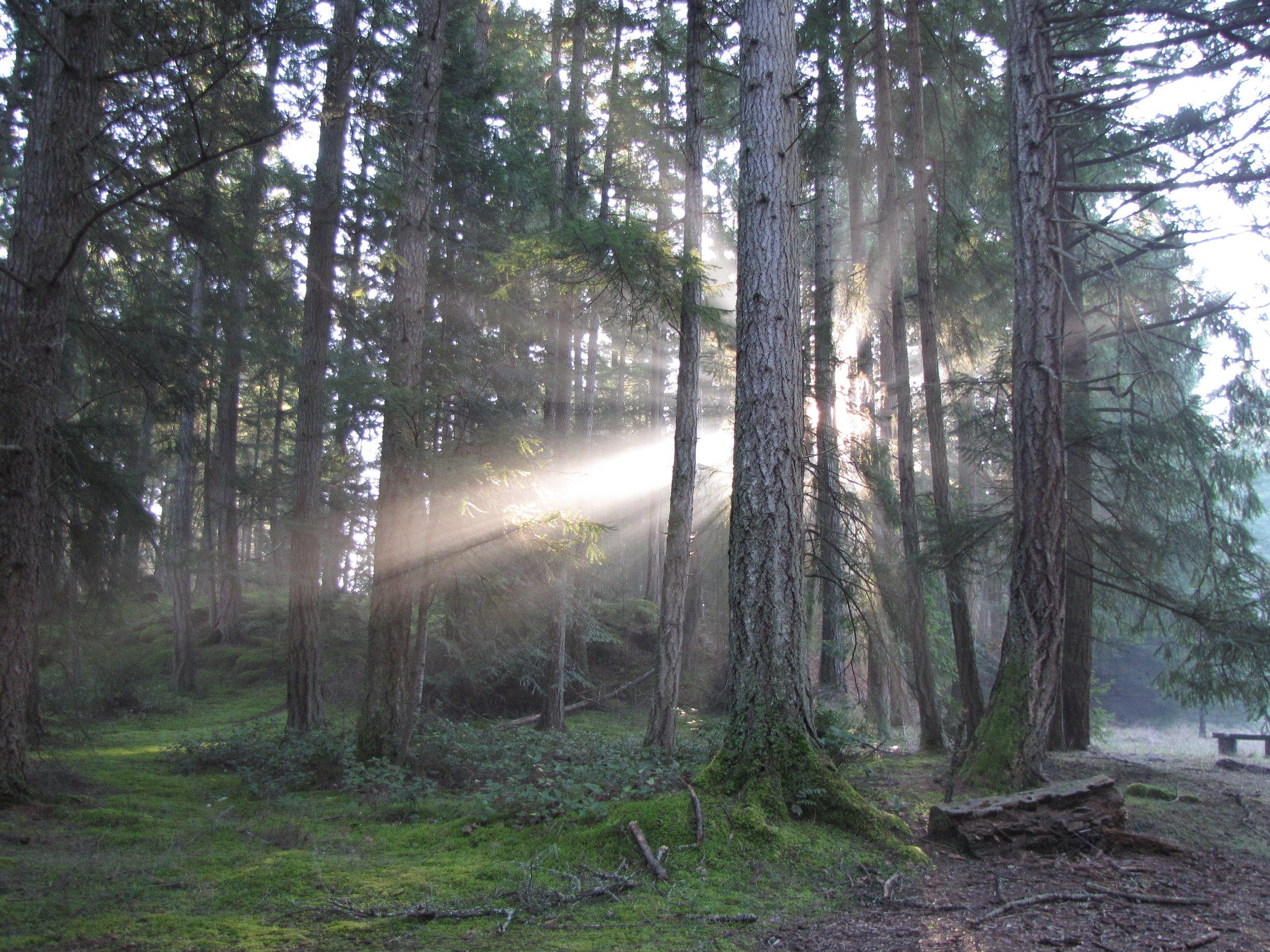
90-year-old woman who spent five decades at Wildwood celebrates its latest acquisition
Among those celebrating the news about the acquisition of the 8.5 hectares is 90-year-old Grace Richard, the second of Wilkinson’s three wives, who says she lived at Wildwood for 50 years. She is excited that the portion being added has never been logged and contains many mature trees.
“It’s part of the original B.C. we’ve lost so much of,” Richard says. “I think the public is happy [about the acquisition of the additional 8.5 hectares] because we know we’re losing old growth. Once you lose it, it never, ever comes back.”
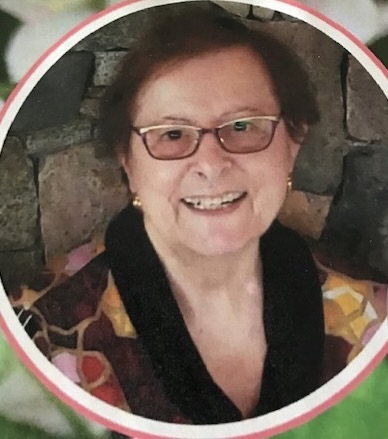
Richard started visiting Wildwood regularly when she was 10 years old and she says Wilkinson’s first wife, Katherine Mary Carpenter, “was like a foster mother” to her. In 1953, after Carpenter’s death, Richard and Wilkinson married and together they raised eight foster children during a 30-year marriage.
“It was such a great place to live, a great place to raise children. If we didn’t grow it, we didn’t need it,” says Richard, who designed the Wildwood homestead. “It was an old-fashioned-but-really-nice way of life.”
She recalls how every summer, log buyers would come around and “lecture us on how stupid we were not to be harvesting these trees.” Instead, at Wildwood they selectively logged the forest every few years, says Richard, who also supported Wilkinson’s ecoforestry vision with money from her family inheritance.
For a long time, Richard hardly went back to Wildwood because it was too painful, she says. She now lives in Parksville and has started coming back to Wildwood more frequently in recent years.
“When I go down there, I always feel like I’m going home again,” Richard says. “I like going and stumbling in there when there’s people because they ask such interesting questions because I lived there for so many decades. It’s interesting to know the kinds of things people want to know about it, like how did you get the kids to school? What did you do when it snowed? What kind of animals did you see?”
An invitation to North Cowichan councillors to visit Wildwood
The three-bedroom log cabin homestead that Richard designed has been restored and, according to Code, is Wildwood’s biggest revenue generator as a popular getaway accommodation.
She says there is hope that more of the original 60-hectare ecoforest will someday be reunited with Wildwood. A 4.4-hectare parcel that was once part of Wildwood recently came up for sale, but the Ecoforestry Institute Society only had a few weeks to come up with the $1.25 million asking price, which wasn’t enough time, Code explains. She adds that fortunately, the outstanding 18 or so hectares haven’t been clearcut and have been stewarded very well.
However, Code is dismayed by the recent decision by North Cowichan council to make logging in its Municipal Forest Reserve a strategic priority. She encourages the councillors who have never been to Wildwood to come see what they’re doing and understand that there are other ways to bring in revenue from a forest.
“For them to think that the only use for their forests is to clearcut them so they can get some money from it is incredibly short-sighted.”
For her, the success of the campaign to reunite the 8.5-hectare parcel with Wildwood is proof that “the community is concerned about the preservation of our forests, old growth and the biodiverse ecosystems that Wildwood represents and that they have faith in the way that we are managing the property through ecoforestry, our educational programs and the management of the homestead.”
The public can register for tours of Wildwood that happen the third Sunday of each month. Private tours can also be arranged, Code says.
What did you think of this story?
Your feedback after we publish a story helps ensure we're always improving our reporting to better serve you
Author

Related Articles
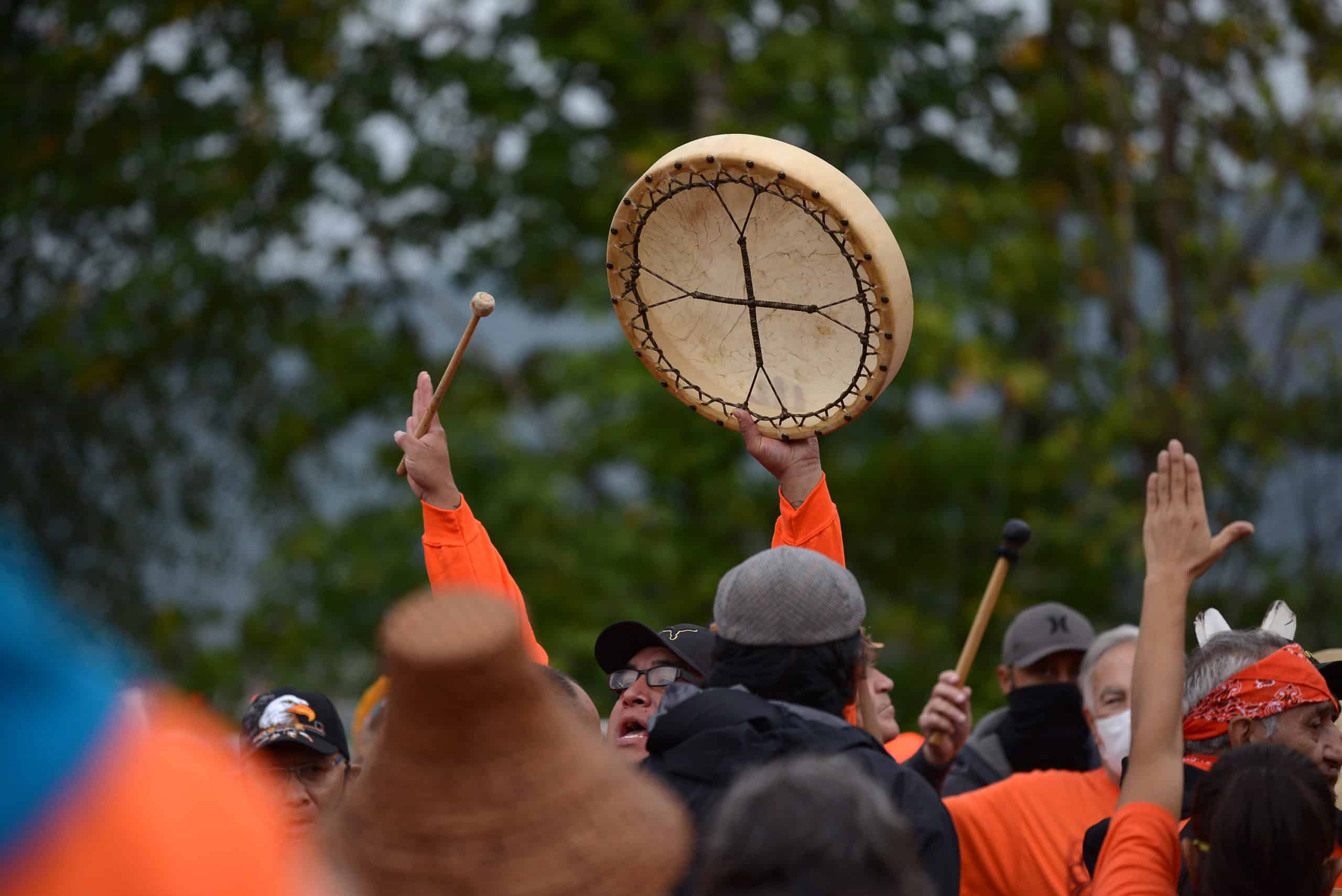
DRIPA debated in B.C. election on Vancouver Island
The Conservative party of B.C. is promising to repeal the Declaration on the Rights of Indigenous Peoples Act (DRIPA), while other parties argue that would set back relations with First Nations and create economic uncertainty.
Where Cowichan region MLA candidates stand on water, old growth and reconciliation
MLA candidates in the three ridings that cover the Cowichan region answered questions from Discourse readers ahead of the Oct. 24 B.C. election.
Cowichan Valley’s guide to the 2026 B.C. election
What riding am I in? Who are the candidates? When do I vote? The B.C. election basics for Cowichan Valley residents.