One of local DJ Peter Poole earliest memories is the Christmas morning when he was four years old and received a Fisher Price turntable and some records. His family had just immigrated to Canada from New Zealand, where Poole was born, but had been forced to leave because his mother and brother, who were from Fiji, did not have the proper immigration papers.
Of the records he received that Christmas, one that stood out was Tijuana Taxi by Herb Alpert and the Tijuana Brass. It’s still “imprinted” in his memory, says Poole, who recalls playing it non-stop.
However it was Herbie Hancock’s pivotal performance of “Rockit” at the 1984 Grammy Awards that inspired eight-year-old Poole to want to become a DJ and learn the art of turntabling, which is the act of physically manipulating or “scratching” vinyl records and the mixer like an instrument, to make new sounds.
The innovation was first developed by Black artists like Rock and Roll Hall of Fame inductee-Grandmaster Flash and Grand Wizzard Theodore, forming one of the core elements of hip hop and inspiring much of the most popular genres of music played today.
“The DJ is the pinnacle of [that] song. That Grammy show made a lot of kids want to learn how to scratch,” he says. “I used to move my zipper up and down on my coat to make scratch noises after that, like an air guitar.”
The years of practice and perseverance paid off, and on Dec. 2, Poole — also known as DJ All Good — earned a fourth-place win at the International DJ Association’s (IDA) world championships in Krakow, Poland.
“Made lots of friends, had a great performance overall. Fourth in the world is great,” says Poole. “One of the judges said he was a fan of the beatbox juggle I did in the 2020 [Canadian] DMC competition and I was like, ‘Whoa, you know who I am?’”
Performing a six-minute segment for the competition’s show category, Poole described it as a sort of “thesis statement” of his current skills, which includes beat juggling, scratching, looping and fading.
“Scratching is actually a lot like playing the violin, it’s moving the record back and forth using the hand just like a bow on the string of a violin. If you’re moving slowly, you’re gonna get a lower sound, if you’re going fast, you’re gonna get higher pitch,” he says.
“There’s also single turntable drumming, where I might have a kick and a snare on one record and instead of just putting on a record and letting it play, I’m actively manipulating that kick and snare to make a new beat.”
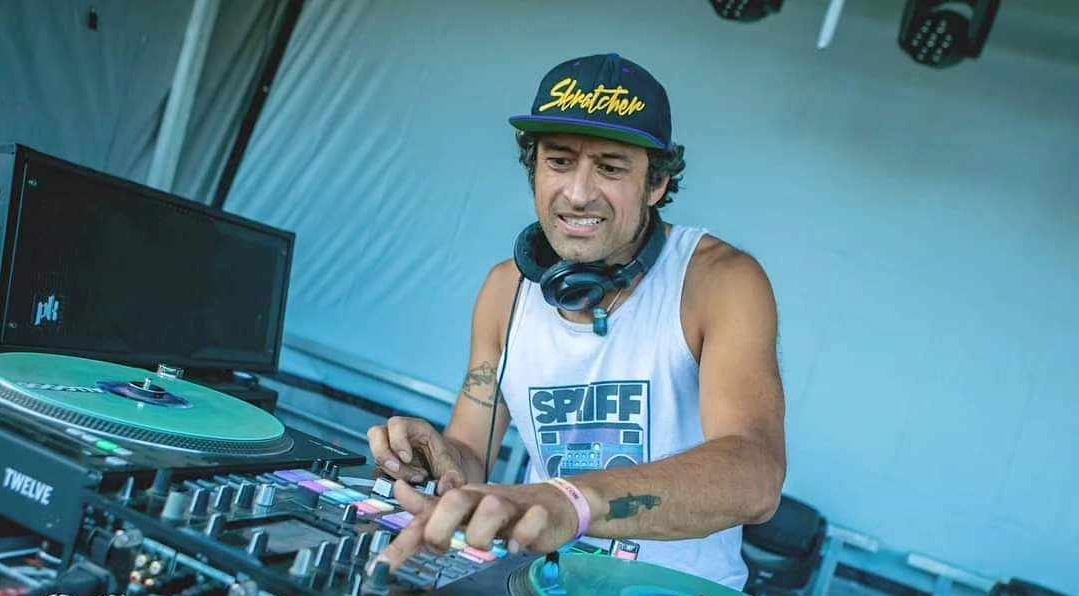
Beat juggling is often done with two copies of the same record, where the beat is isolated and then prolonged or manipulated by going back and forth with a cross-fader to create a new beat.
“This is based on the original, traditional idea of hip hop breakbeat juggling, where you find the hypest part of the song — the breakbeat — and then you just isolate that part. So maybe, like, a good example would be Good Times by Chic, having that one part on the one side, and then lining it up on the other side so it seems like the breakbeat ends up being a continuous beat, if that makes sense … so it’s not just basic looping, it’s changing the timing and manipulating two copies of the record so it sounds like a whole new song.”
Traditional vinyl turntablism peaked around the late 1990s as DJ battle culture also began to wane, says Poole, which is why he’s been doing his part to keep the “language” of turntablism alive.
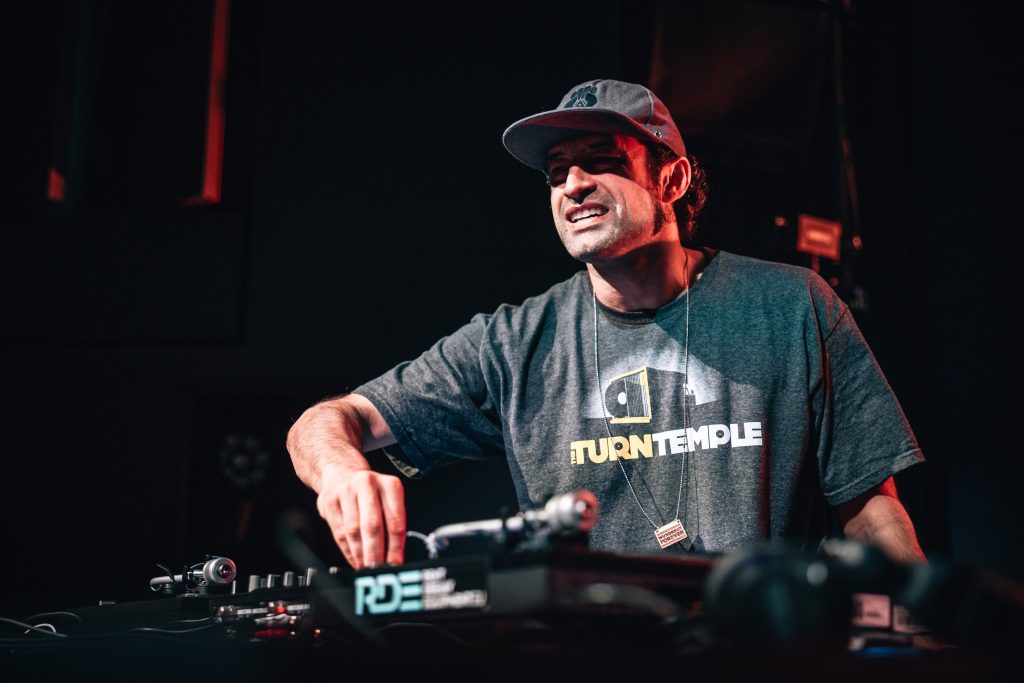
In 2014, Poole bought a 26-foot U-Haul truck he fitted out with turntables and a portable DJ studio.
Dubbed The Turntemple, he hit the road to attend music festivals and shows where he does professional development for established and aspiring DJs, as well as workshops and outreach for at-risk youth.
Travelling to Krakow for the championship was particularly meaningful for Poole, who after competing in DJ battles and competitions since his first in 1998, managed to win first place in the Canadian DMC DJ championships in 2020. However he wasn’t able to travel to compete in the world finals in person due to the COVID-19 pandemic.

“When the IDA thing came up, I was super excited and just exploding with joy,” he says.
“John Coltrane had this album, A Love Supreme, and it was his testament to God, he was asking the Creator humbly for the gift to make people happy with his music. It was a spiritual connection. It’s always on my mind, this sort of idea.
“But then this year, more so than ever, I just felt this heavy spiritual connection to what I’m doing. I love what I’m doing, I love DJing and I’m happiest when I’m doing it, and it’s an authentic way of sharing what’s in my heart. And I feel this connection, for lack of a better word, with God. Doing it makes me want to be not just a better DJ but to be a better human.”
What did you think of this story?
Your feedback after we publish a story helps ensure we're always improving our reporting to better serve you