
City imposes water restrictions on future data centre in Nanaimo
Development permit for data centre in Nanaimo approved, but with conditions.
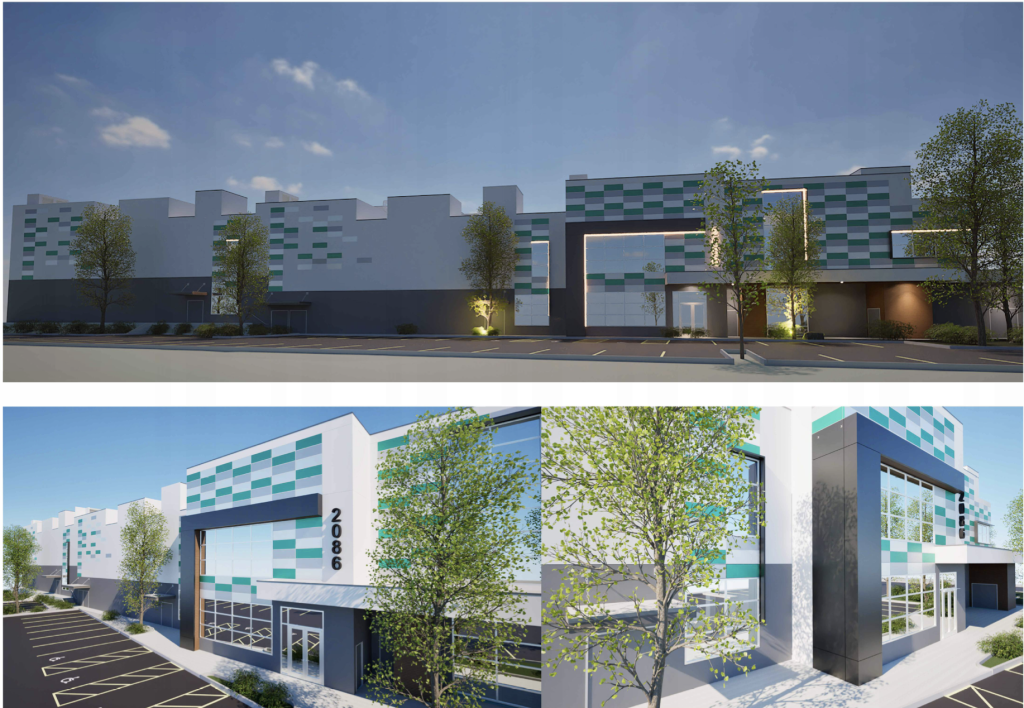
A development permit for a controversial data centre in Nanaimo has been approved, but comes with limitations on water use. However, these new limitations aren’t enough for community advocates who are opposed to the project.
“My final word is, I don’t want one in Nanaimo,” said retired Vancouver Island University English and gender studies professor and local resident Kathryn Barnwell, who has advocated against the project for years. “I think of myself as among those people who consider their own piece of the planet. I can’t rest unless I think that I’ve done my damnedest to stop it being built.”
The City of Nanaimo and the numbered company that plans to build a data storage centre on East Wellington Road have come to an agreement on the amount of water it will be permitted to use.
A Water Usage Covenant sets the maximum amount of water a year at 0.8 litres per second, with a maximum of 6.5 litres per second over any one-minute period.
That translates to 25.2 million litres a year, just over the estimate of 25 million that city staff gave at a city council meeting in the fall.
Water used for firefighting on the property is exempt from the limit.
The company will also pay the City of Nanaimo $60,000 a year if the water usage exceeds the agreed limits.
The covenant will be registered on the title of the land and apply to any future owners of the property. However, the City of Nanaimo is not required to enforce the covenant terms, according to a clause written into it.
In an interview with The Discourse, Barnwell said she is worried the clause will mean that citizens won’t have a mechanism to hold the data centre to account.
“That’s pretty weaselly,” she said. “It’s saying the city has no obligation to enforce this covenant and they’ll just do a tut-tut and pay us $60,0000, which is peanuts.”
City planner Caleb Horn told The Discourse that the non-enforcement clause is standard language that is included in every agreement to reduce liability for the city.
Water for data centre will be one per cent of current commercial and industrial use
The construction of the data centre has been controversial since the rezoning of the land from rural resource to high-tech industrial during the final meeting of the previous city council in 2022.
At the time, residents were concerned about potential water usage in the hot, dry, summer months which often see drought conditions and water restrictions.
In fall 2025, the data centre was raised at council again by delegations of residents who wanted answers about how much water the centre will use. This came after CBC News reported about how much water data centres use, especially in relation to AI chatbots.
A City of Nanaimo statement says that according to Townsite Planning Inc., which is managing the construction of the data centre for the numbered company, the data centre will use between 55,000 and 69,000 litres of water per day at full build-out. This water would be used for cooling and domestic purposes.
“To put this in perspective, this represents approximately 0.19 per cent of the city’s total daily water use and about one per cent of all commercial and industrial water consumption,” the statement says.
Bill Sims, general manager of public works for the City of Nanaimo, said this is equivalent to about 200 people’s average water use in a city where 2,000 to 2,500 people a year are being added to the city’s population.
The 25.2 million liters per year will have a “negligible impact on the storage at Jump Lake, which holds in the order of 17 billion litres,” Sims told The Discourse in an email.
Barnwell said she is concerned about the likelihood of drought in the coming summer and the lack of snowpack contributing to possible water shortages.
“While that reservoir may be good now, it’s going to be under the most stress in the summer when we’re all going to be on water regulations. [That] is going to be when the data center is going to use the most water,” Barnwell said.
Mike Squire, The City of Nanaimo’s manager of water resources, said that while there was below-average snowpack this winter, the city proactively closed the spillway gates to the Jump Creek Reservoir and its current levels are 0.2 metres higher than the same time last year and 0.9 metres higher than the 10-year average.
Sims said the reservoir gets large amounts of rainwater over the winter months and the city plans to have a full reservoir by the start of May, but it is often at capacity by April.
“Like Gandalf, the reservoir level has arrived precisely where it needs to be,” Sims said, referencing a popular Lord of the Rings character.
An online petition against “Nanaimo City from building AI data centres” gathered almost 40,000 signatures. However, the city clarified the data centre will be used for data storage and not artificial intelligence.
Provincial energy rules prevent electricity connections for cryptocurrency mining and regulations limit energy use for AI to 300 megawatts of new electricity capacity and 100 megawatts for conventional data centres, available every two years provincewide.
Water discharged will be clean and without added substances, technical report says
A memo from Avalon Mechanical for Townsite Planning says the waste heat from the servers will be cooled by an “air to water chiller system.” The water will be in a closed-loop cooling system which recirculates heated water in sealed coils located on the roof, a process that can reduce freshwater use by up to 70 per cent, according to the Florida Water & Pollution Control Operators Association.
The memo says during cooler months, the process will not use any water. Once temperatures rise, a water spray is used to speed up the transfer of heat across the coils. The water used then evaporates and only a “limited amount” is discharged into the city’s sanitary sewer system at a maximum temperature of 35 C.
No substances are added to the water as part of the process and “the water is expected to be clean and clear, with no sources of contamination,” according to the report.
When the water is discharged, it will go to the Greater Nanaimo Pollution Control Centre to be treated before being released into the Strait of Georgia, two kilometres offshore at a depth of 70 metres along with an estimated 12 billion litres of treated wastewater a year.
The development permit requires the rooftop chiller units to be screened and ensure they meet predicted noise levels. The emergency generator will also be enclosed and fitted with an exhaust muffler.
Once the first phase of the building is complete and operational, testing must be done to confirm actual noise levels and any further mitigation must be completed before a building permit is granted for subsequent phases.
While those designs will help mitigate water use and noise, Barnwell said she thinks a broader look at how society uses and stores data is needed.
“I think that there should be a complete look at how we’re going to deal with data in the future, if it’s this important to us personally,” she said. “I think it’s really important to Mark Zuckerberg and Jeff Bezos, but I don’t think it’s important to me, and those guys are making obscene fortunes off data.”
What did you think of this story?
Your feedback after we publish a story helps ensure we're always improving our reporting to better serve you
Author

Related Articles
Voting in the 2026 Nanaimo-area local elections? Here’s what you need to know
Where, when and how to cast your ballot in Nanaimo and the Regional District of Nanaimo for the 2026 local elections.
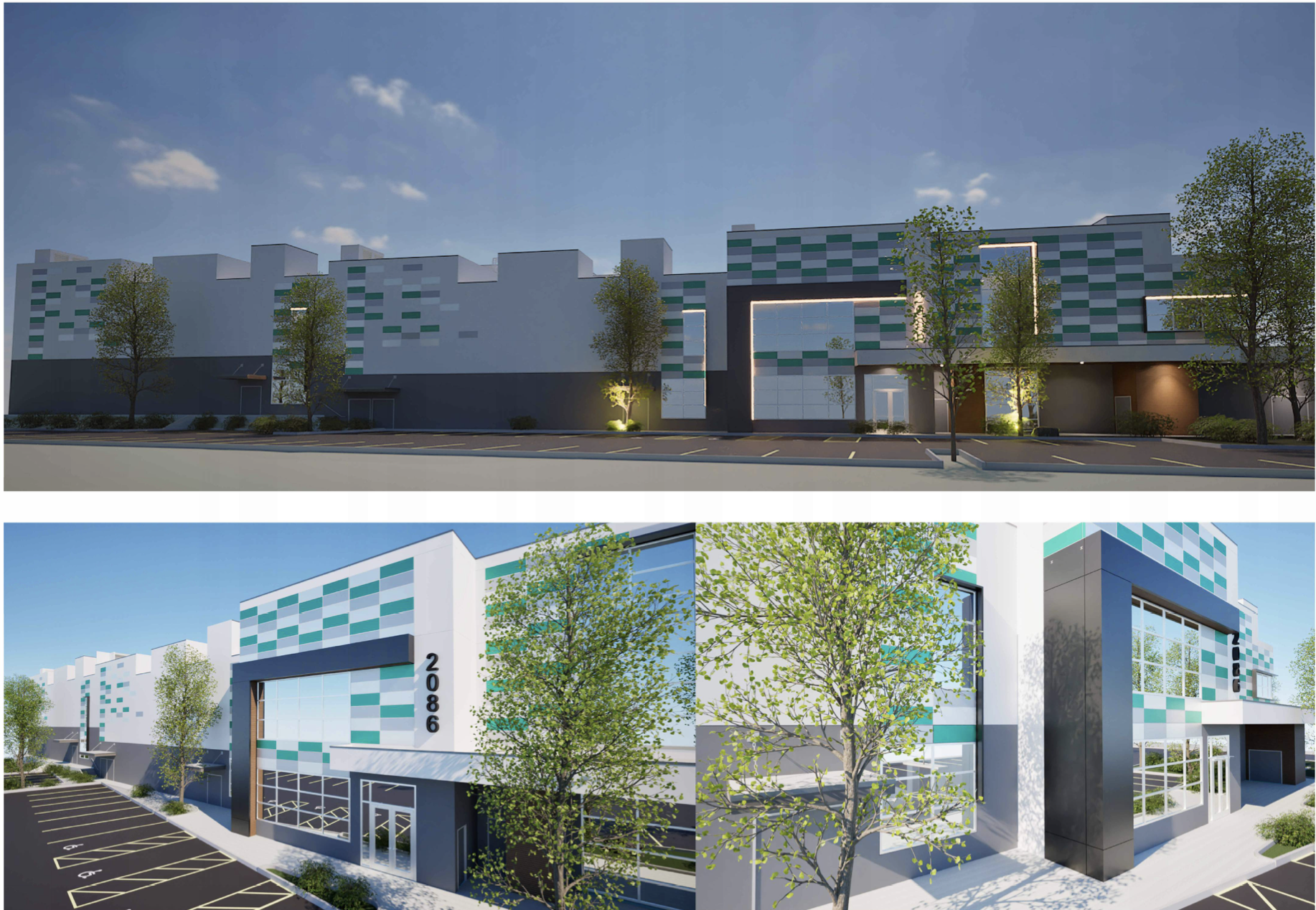
Here’s what Nanaimo local election candidates have to say about data centres
City of Nanaimo’s 2026 candidates share their position on allowing data centres in the region

Here’s how Nanaimo local election candidates will respond to homelessness and mental health crises
City of Nanaimo’s 2026 candidates share how they’d respond to issues related to homelessness, mental health and addiction.