
Vintage film offers a glimpse into the dreamy world of 1960s Nanaimo
After finding a trove of his father’s 8mm films, Paul Wende made it his mission to give them new life.

After finding a trove of old 8mm films shot by his father Walter Wende from 1965 into the early 1970s, Paul Wende noticed that in between the footage of family members were snippets of Nanaimo events and history that locals might find interesting.
For years Paul had intended to digitize the rolls of footage, and when things slowed down at his job during the early months of COVID-19 pandemic, he decided to build his own telecine machine to convert them.
“It was a pretty nice camera, all mechanical, spring-wound with three lenses. It was nothing like the point-and-shoot cameras today,” says Paul. “Each little roll was three and a half minutes, and you’d usually have a projector, and that’s how you’d watch them on the screen.”
The telecine machine was built to capture each individual frame as a photo file, approximately 17,000 per roll, which he then colour-corrected and cleaned up before stitching them all back together into a digital file.
After digitizing the footage, Paul debuted it at a large family gathering in Kamloops in 2020, where his parents Walter and Fern now live. Since then, he’s been pulling out other snippets and posting them in an online forum called Old Nanaimo Pictures.
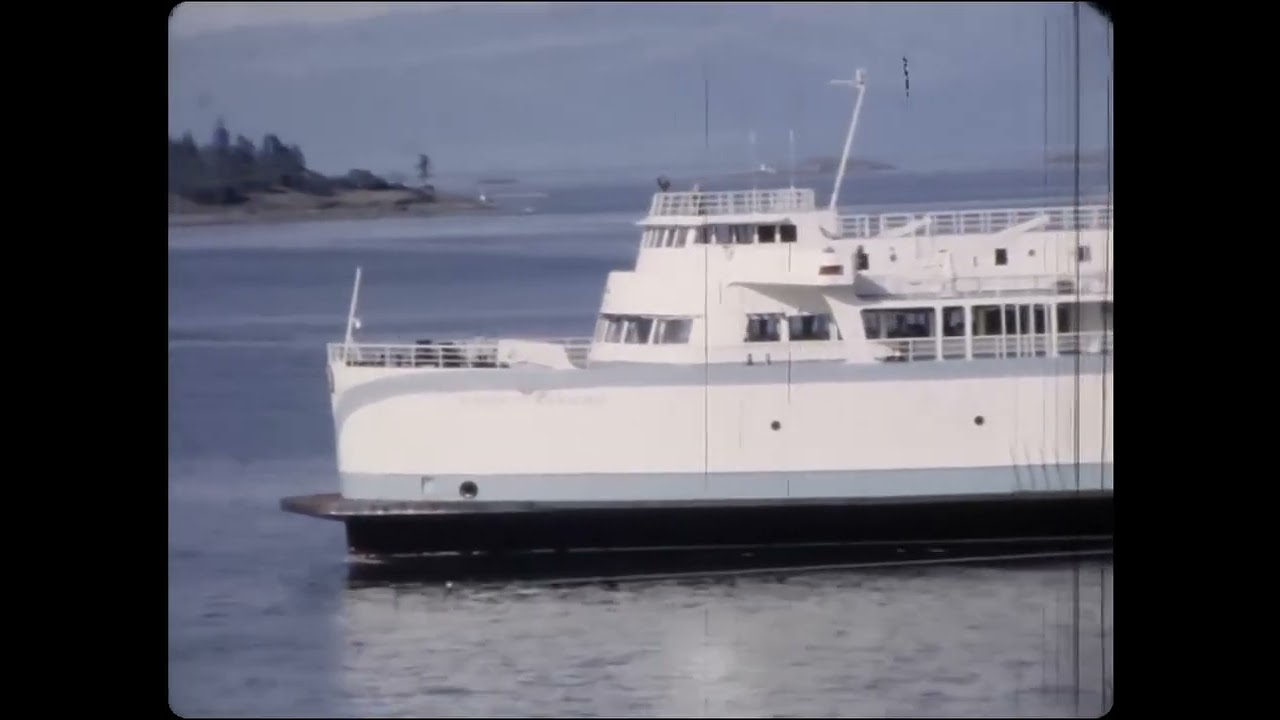
“Wouldn’t you know it, the very first thing he filmed was the BC Ferries, not me, his two-year-old son,” Paul joked in an online post. “Well, we lived on Beach Drive, right above the Departure Bay ferry terminal so it was a natural target. We were about five or six houses away from Frank Ney’s family.”
Though BC Ferries began operations in 1960, it didn’t take over the Departure Bay to Horseshoe Bay route until November of 1961, when it acquired the Black Ball Line and took over its service, which had run since 1951.
The film shows the Queen of Nanaimo ferry pulling into port at Departure Bay, and a line of what would now be considered vintage cars and camper trailers waiting to get on while others drive off.
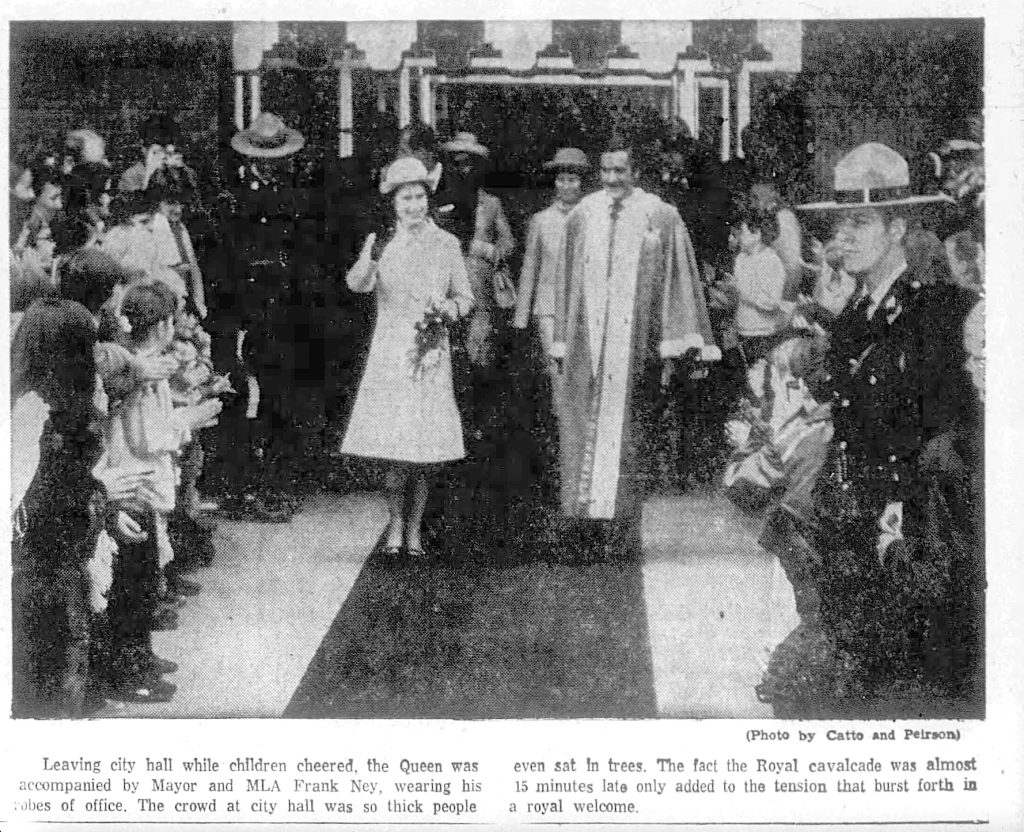
In addition to filming his two young sons, Walter recorded a variety of events around Nanaimo like the 1971 visit from Queen Elizabeth and Prince Philip, which features a glimpse of then-Mayor Frank Ney in his mayoral robes.
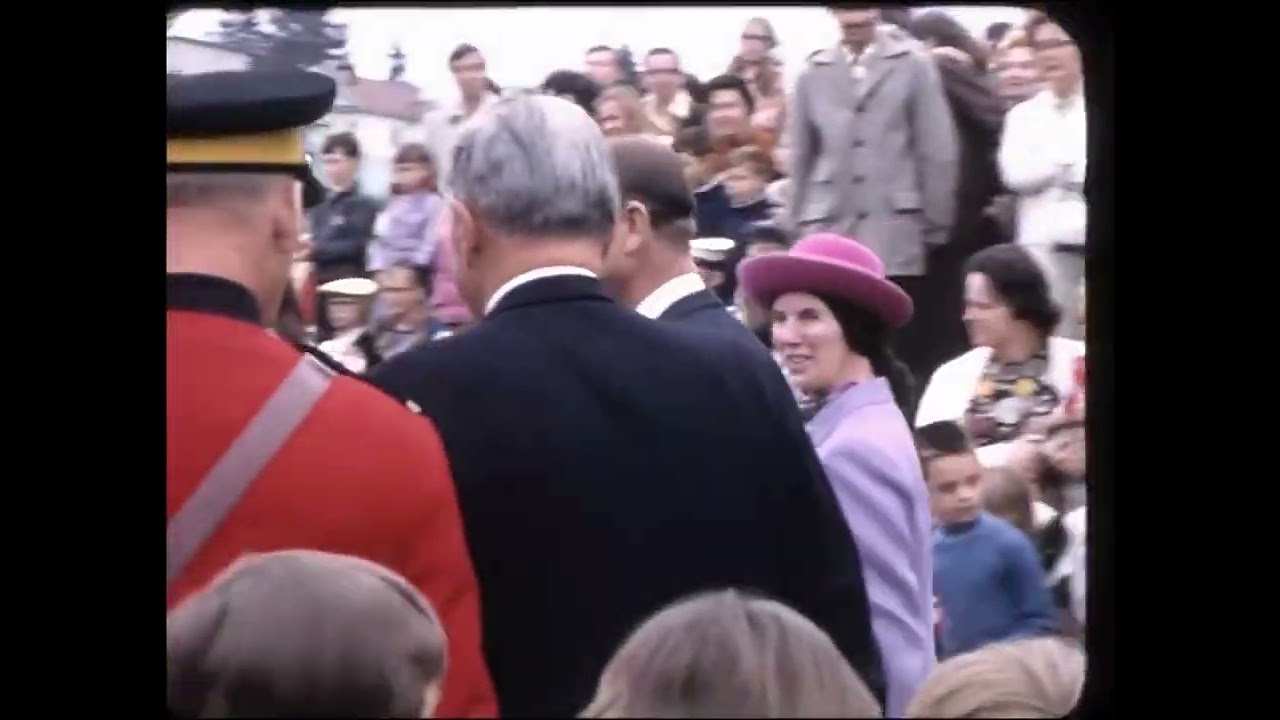
The visit marked the province’s 1971 centennial celebration, and the two visited Ladysmith, Duncan and Nanaimo, where they watched a preview of the city’s upcoming bathtub races.
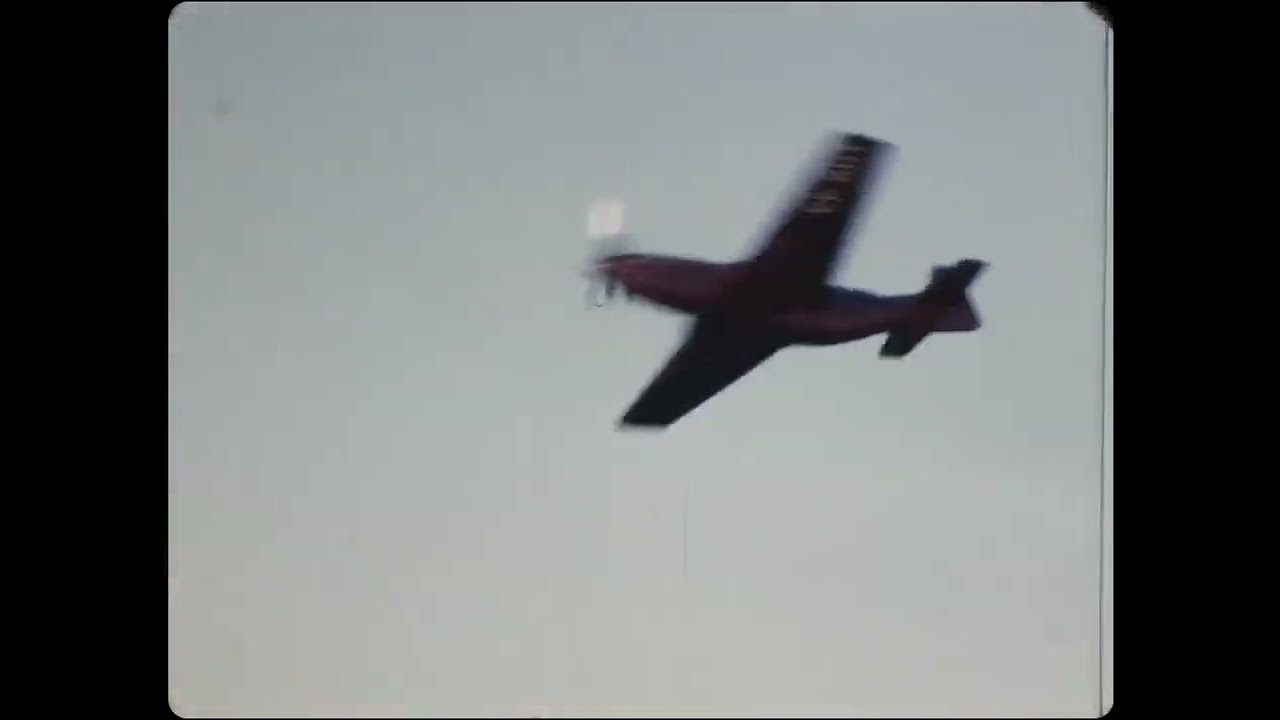
Walter caught some footage of Nanaimo’s first bathtub race, which began in 1967 during Canada’s centennial year. The film shows a float plane coming in low and landing in a harbour full of boats, as well as clips of a P-51 Mustang called CF-RUT that was co-owned by locals Don McGillivray and Stan Budd, flying along with a World War II-era Harvard fighter-trainer piloted by Phil Kalnin.
Of note, near the end of the clip is a red amphibious car that belonged to Mayor Frank Ney, who Paul says was a family friend.
That summer, Walter built his own bathtub boat in his friend Lloyd Blanco’s backyard with another friend Denis Trembley, which they tested out and then raced in 1968.
Their boat was sponsored by Dalby’s Service in Ladysmith, where Trembley had worked as a boy.
“We tested the tub and everything in the water, we’d done all of that. But the night before the race we had a party downtown in a hall, and everybody was there. The race went from Nanaimo to Vancouver, of course,” says Walter with a chuckle.
“There was alcohol and everything else and we didn’t get home until three in the morning. We partied. There was dancing and music and everything. So this was how the race started, and Denis wasn’t feeling very good the next morning.”
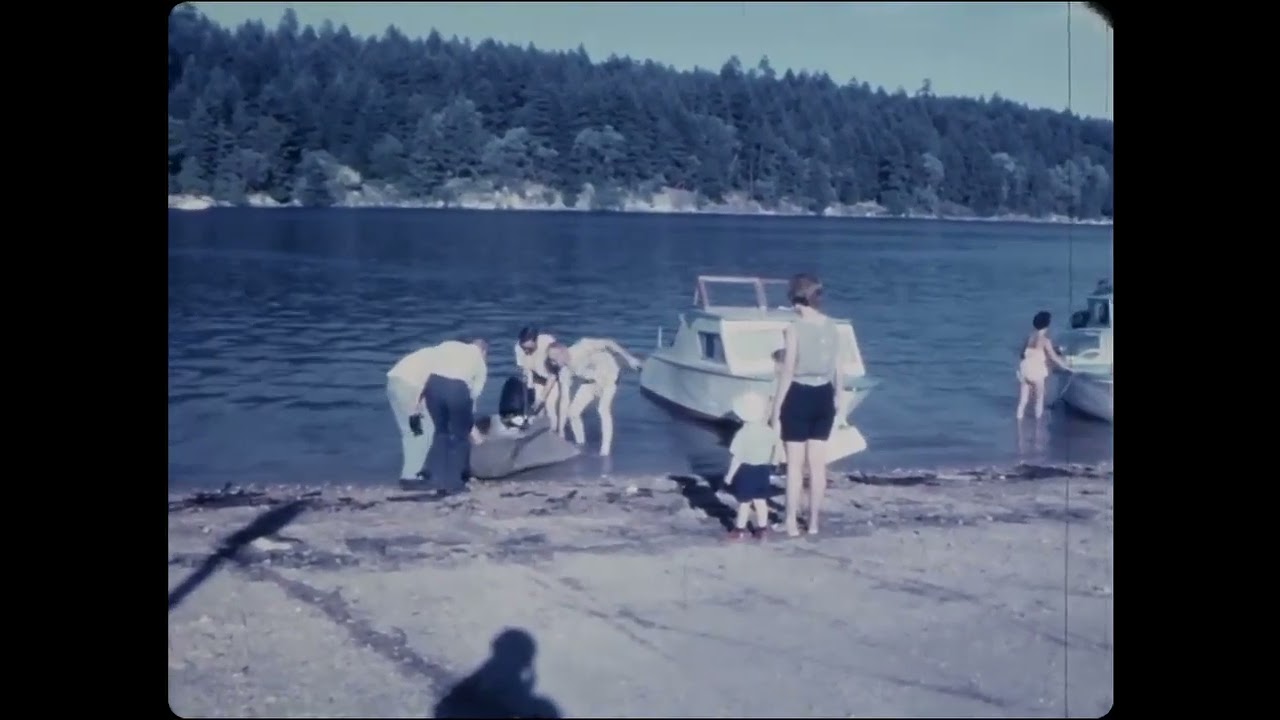
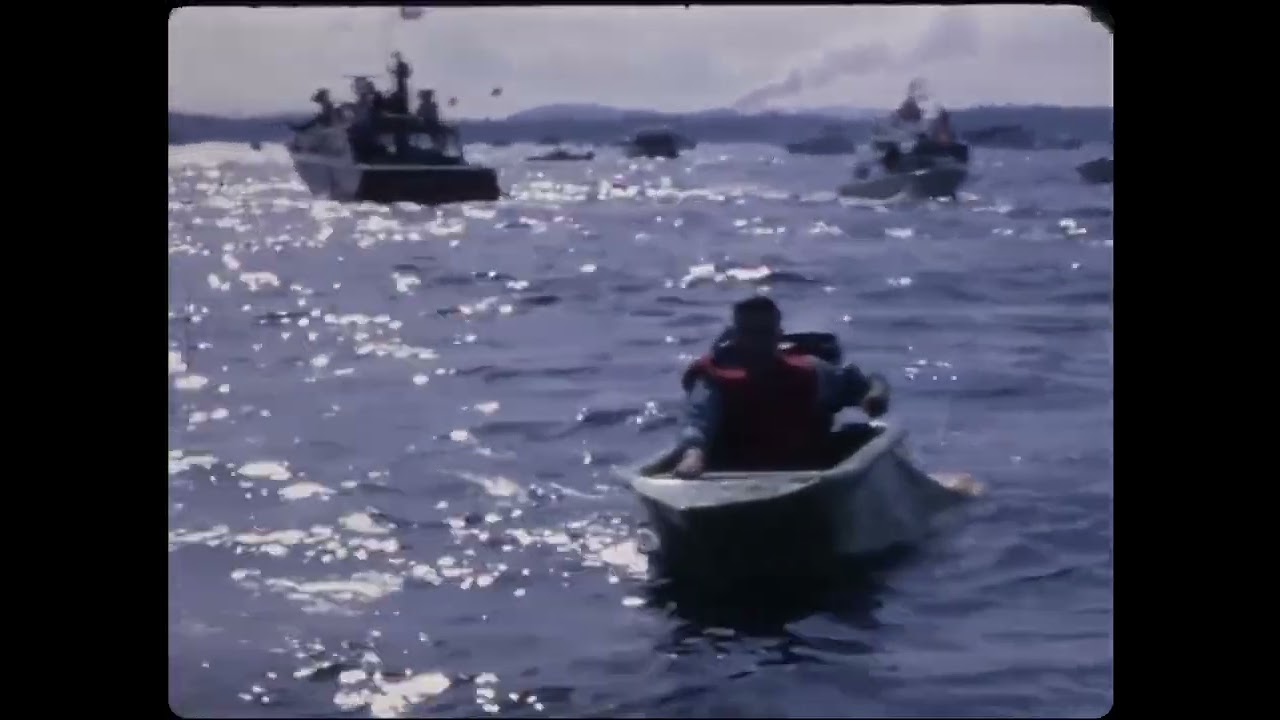
Hundreds of boats streamed out of the Nanaimo harbour in a chaotic whirlwind, recalls Walter — who was in an escort boat. Stuck in the back, they got a late start, and as they passed Protection Island, Trembley waved them over to say he was too sick to continue in the bathtub.
“Lloyd and I were passing lifejackets between each other, trying to decide who was going to go in the boat, because Trembley was going to be the pilot of that boat,” he says. He quickly began to pass other boats, as some people had simply plopped bathtubs into the water and were going fairly slow.
According to a report in the Nanaimo Daily Free Press from 1968, one racer named Barry Clark used a homemade paddle wheel bathtub and arrived in Vancouver after he spent 32 hours and 45 minutes crossing the Strait of Georgia, which marked the slowest entry in the race.

Walter started to gain speed as he figured out how to plane above the waves in his bathtub, but noticed the boat kept filling up with water.
“You can’t stop and bail. I mean this is a race. So what I did was shout to the [escort] boat, ‘Give me a hammer’ and took it and broke open the back of the boat. I punched a hole in the fibreglass so the water could drain out. It would sink if you were level, but while you were going it would let the water out,” he says with a laugh.
Walter, who is now 86, moved to Nanaimo in the summer of 1949 when he was 12 years old. His parents bought the old Dunsmuir estate along Jingle Pot Road, a 13-room house that they fixed up and lived in until 1953. At that time Walter attended Nanaimo District Secondary School, which was brand new.
Walter started filming when he and his wife Fern moved to Beach Drive andhe bought the camera in 1965 as an amateur hobbyist.
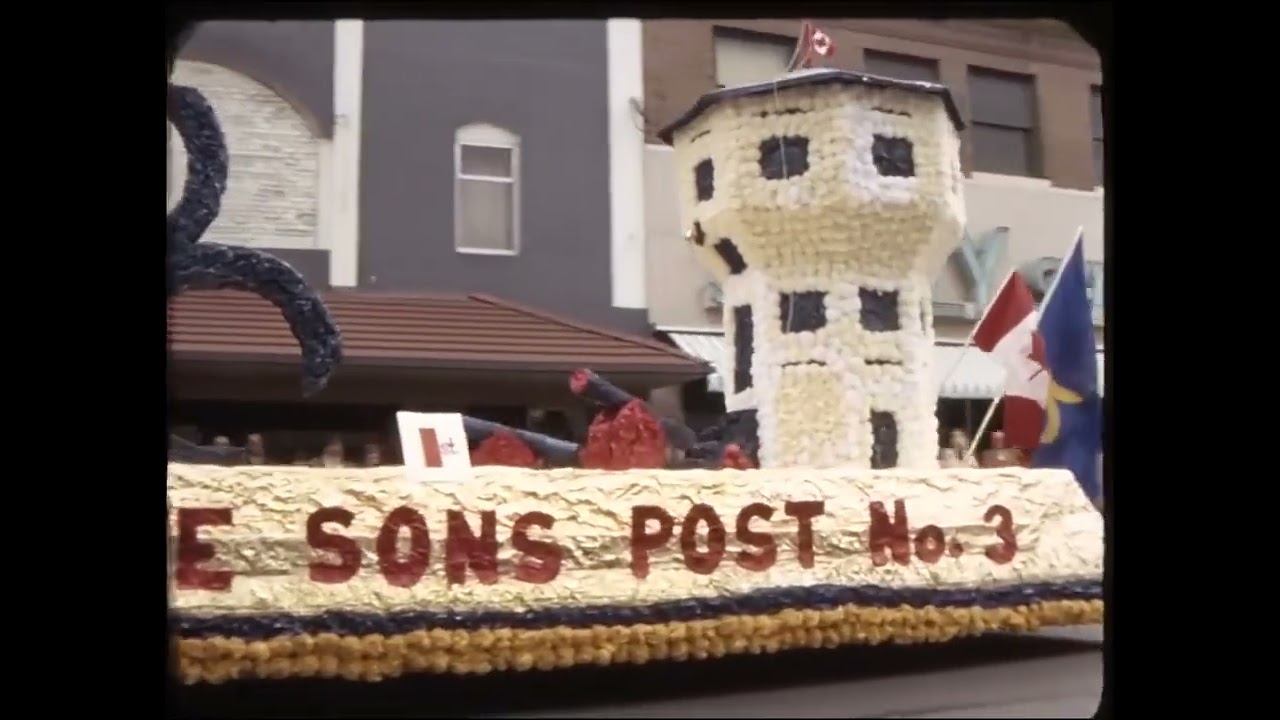
When Paul was eight years old, he drove a go-cart in the 1971 Victoria Day parade down Commercial Street. Emblazoned on the side was Blaser’s Driving School, the name of his grandfather Kasper Blaser’s company. Blaser also ran a service station on the corner of Wallace and Bastion Streets.


“We put that go-cart together. I bought the frame and it had no motor on it, we put a lawn mower engine in it,” he says with a laugh. “It wasn’t a fast car but it was fun, the kids could ride around on it.”
Walter captured the moment on his camera: a blur of marching bands, classic cars and glittering parade floats, over a backdrop of the Jean Burns building — now burned down and soon to be the site of a transit hub — and the Woolworth’s shop, among others.
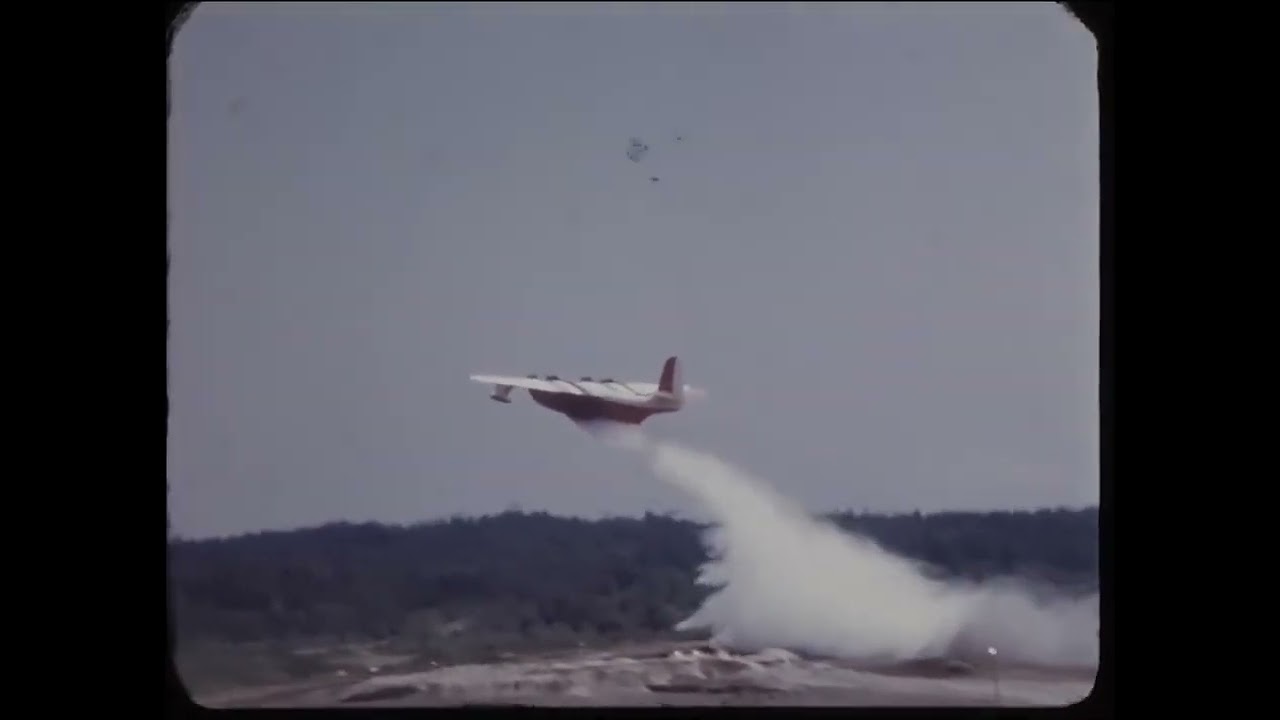
One of the last films Walter shot before the family moved to Kitimat in 1973 and then finally settled in Kamloops was footage of a Martin Mars water bomber making a demonstration drop at Harmac for some visiting dignitaries in 1972. Walter stood on top of the mill’s Kamyr digester — a reactor that removes lignin from wood chips to create pulp — about 200 feet off the ground to film it, says Paul.
Though he hasn’t visited Nanaimo in nine years, Walter remembers the city fondly.
“I’m sure there are a lot of changes… when we moved to Nanaimo the population was 12,000, but that didn’t count Wellington, Quarterway, Northfield or any of those places,” he says. “Nanaimo was a fun place back then. You knew everybody.”
What did you think of this story?
Your feedback after we publish a story helps ensure we're always improving our reporting to better serve you
Author

Related Articles
Comox Valley, Nanaimo land trusts raising funds to support Deep Bay land conservation purchase
In a partnership with the Comox Valley and Nanaimo Area land trusts, BC Parks Foundation is fundraising to protect 50 hectares of pristine shoreline in Deep Bay and make it accessible to the public.

Nanaimo Jazz Festival celebrates 10 years with more than a dozen shows in September
Local and international artists to perform on multiple stages in the city at this year’s Nanaimo Jazz Festival.

Snuneymuxw Elder C’tasi:a shares traditional plant knowledge in new book
‘Plant Teachings from my Auntie’ by Snuneymuxw Elder C’tasi:a and ethnobotanist Nancy Turner delves into traditional plants and plant medicine.