
Advocates call for wraparound care and community health centre for women in Cowichan
A community event brought together advocates and local politicians to discuss women’s health solutions in the Cowichan Valley.
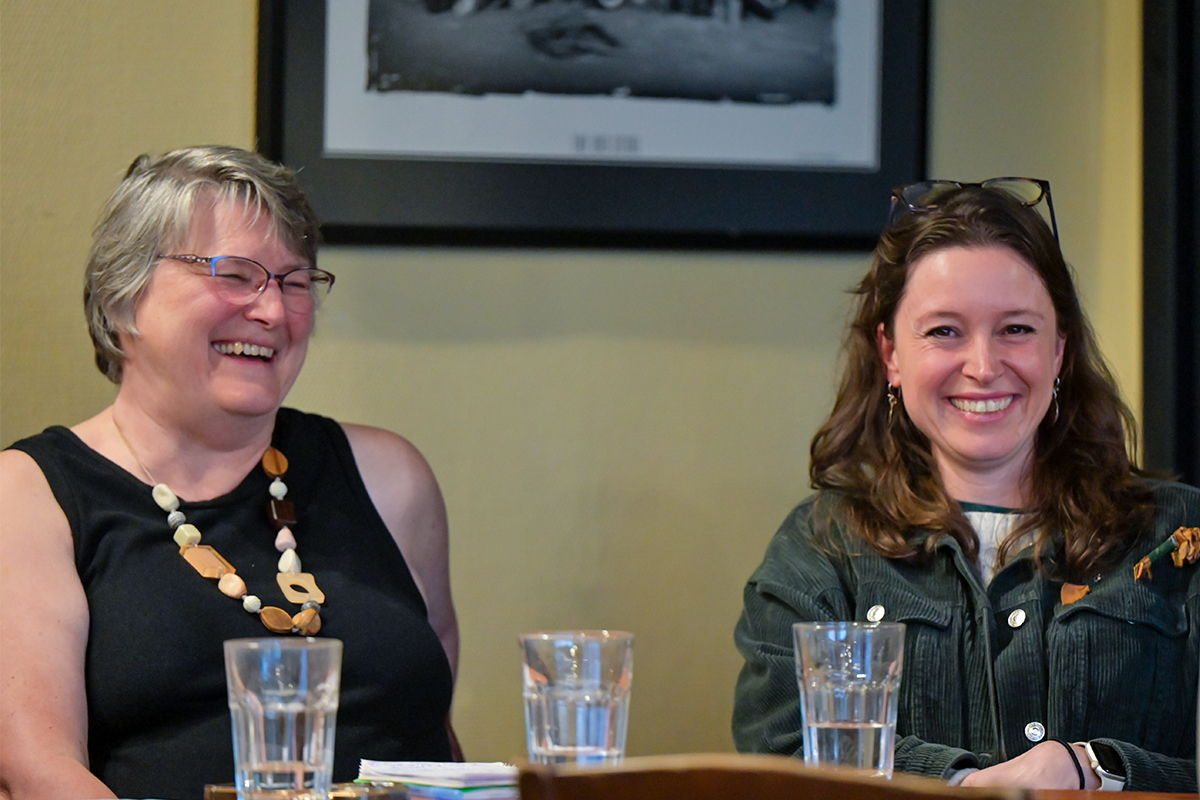
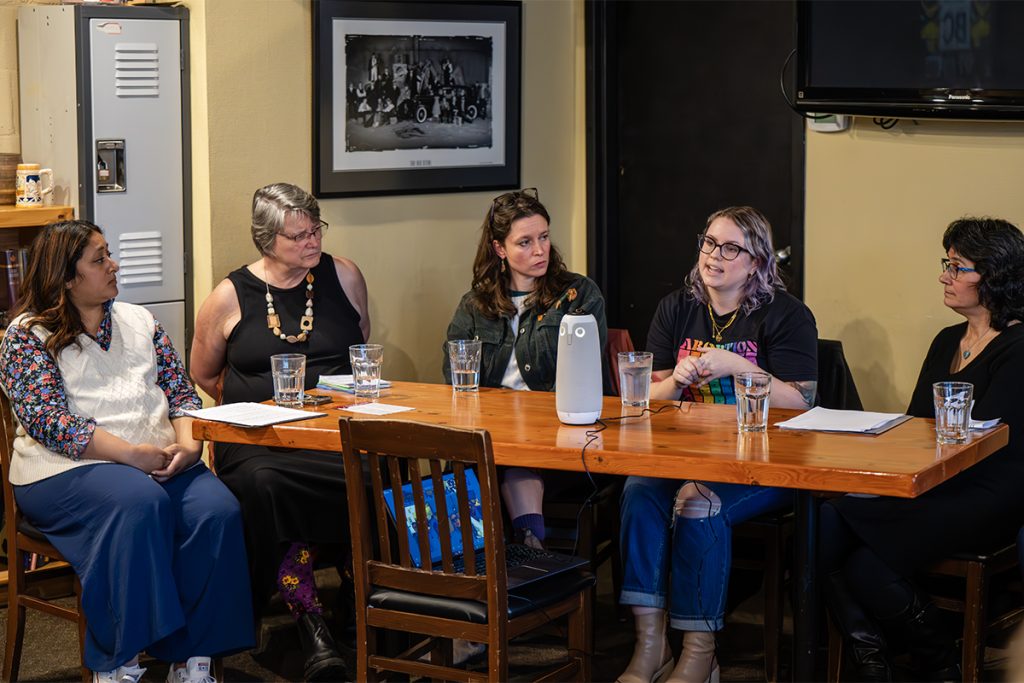
This International Women’s Day, The Discourse and Cowichan IWD collaborated to host a panel discussion titled Building a Circle of Care for Vancouver Island. The event brought together community members and five panellists to discuss the question: What supports are required to help women make empowered and informed decisions, whatever those decisions are? The event, which had a health care focus, was live-streamed via Zoom and archived on The Discourse’s YouTube channel.
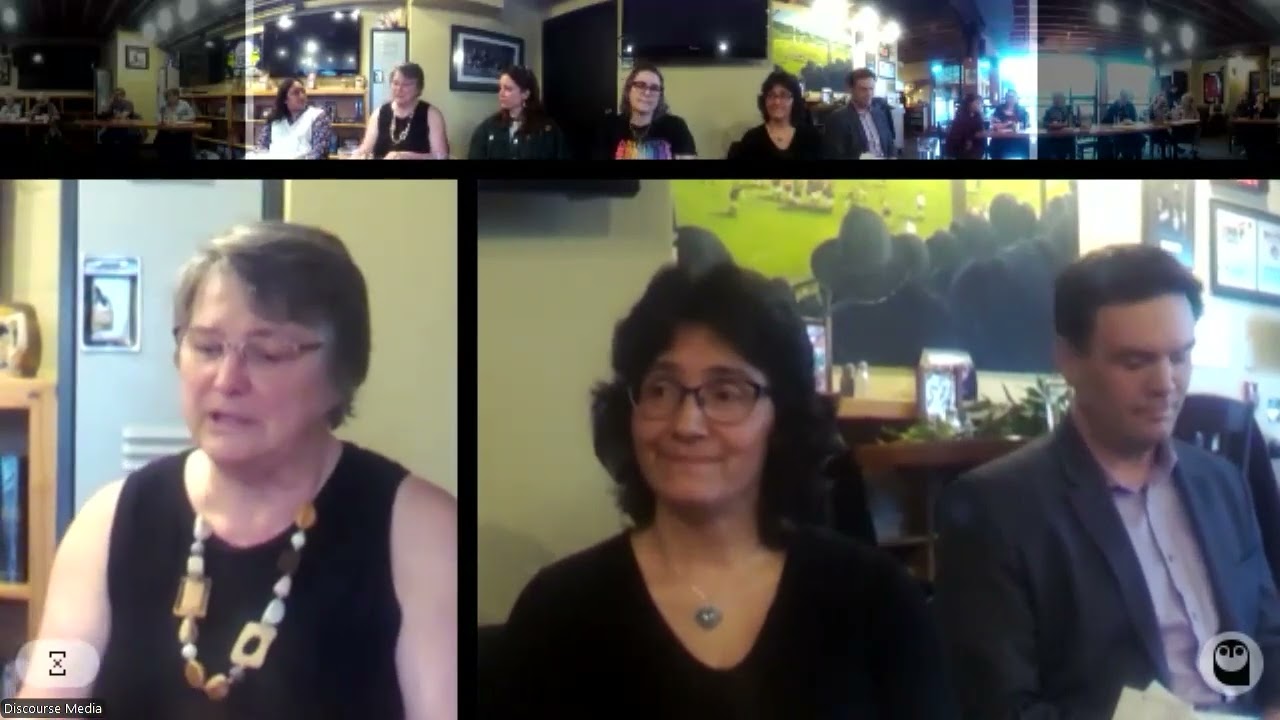
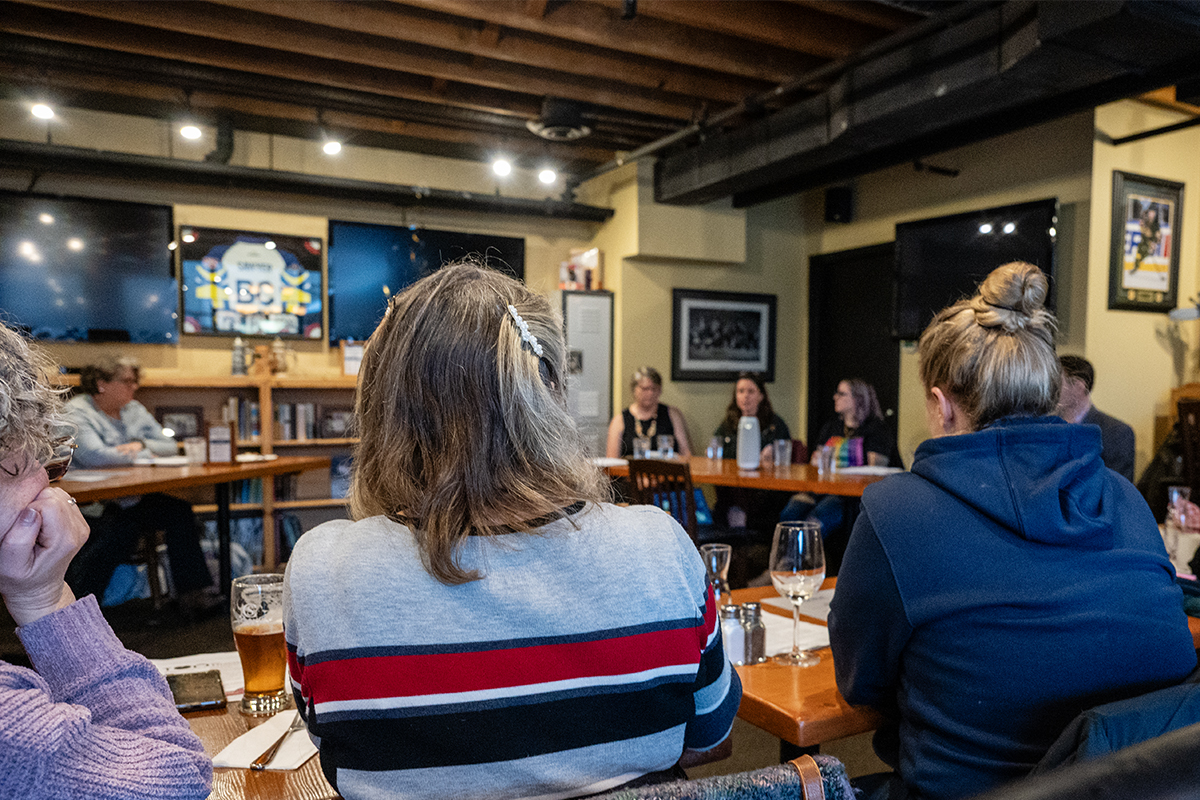
Community members gathered at Craig Street Brew Pub to hear from Cowichan Valley NDP MLA and Provincial Secretary for Rural Health Debra Toporowski (Qwulti’stunaat), NDP MP for Cowichan-Malahat-Langford Alistair MacGregor, Cowichan Women’s Health Collective executive director Beverly Suderman, Lelum ‘u tu S’tsa –ehl teyt-en (House of Honourable Mothers) manager Laura Interlandi and Vancouver Island Women’s Clinic’s Dr. Emily Stuart.
Attendees learned about the need for accessible and culturally safe health care, the importance of addressing food insecurity and housing and the importance of trauma-informed care to empower women’s health decisions. They spoke of the need for a community health centre in the Cowichan Valley and more collaboration between medical practitioners and service providers as well as a health care system in the province that is equitable for all women, regardless of where they live.
Defining women’s health care is complicated
“We want women to be thriving, not just surviving,” Suderman said in response to a question about what women’s health care encompasses.
To address the issues surrounding women’s health care in general, Suderman said communities need to make sure fundamental things such as having a stable income, nutritious food to eat and safe housing are all available. She said ensuring those “social determinants” are met is just one way to address complex health care gaps and issues.
Suderman said she has been advocating for women’s health — and the creation of a women’s health centre in the Cowichan Valley — because her granddaughters aren’t receiving the same quality of health care that Suderman received when she was a teenager.
Topowroski emphasized the challenges women living in rural areas face when it comes to accessing health care, such as lack of transportation options and the cost of travelling long distances to receive health care. She said in her work as parliamentary secretary for rural health, she has met with local stakeholders to “ensure that [women] have access to a diverse range of affordable, equitable and culturally safe health-care services.”
MacGregor said his work has dealt with issues ranging from intimate partner violence and online harms to food security, all of which disproportionately affect women’s health. He said food security is an essential part of improving the overall quality of life for women who are struggling to feed their families.
“When you’re having that kind of stress on the family, it can lead to really poor health outcomes,” he said.
Interlandi added that there needs to be an acknowledgement of the discrimination that takes place in health care, especially towards Indigenous people, and that practices need to change. She said accessing health care can be a traumatic experience for people who have been — or have family members who have been — abused and harmed by the medical system, and this is a reality for many women.
“People deserve support while going to doctors appointments, particularly if they are likely or possibly going to be discriminated against,” she said.
Stuart agreed that there has been systemic racism in medicine — especially in obstetrics and gynecology — throughout history, and it still exists. She said having an advocate present in the room for women during doctor appointments can be a huge help.
One reason why Stuart said she chose to work in women’s health as a doctor is the “clear examples of how women weren’t listened to with painful procedures and pregnant people were given disinformation.”
Suderman pointed to the Cedar Branches Shelter, operated by Cowichan Women Against Violence Society, as a successful example of how combining access to health-care workers with low-barrier housing for women results in better health outcomes.
The need for wraparound care
Speakers at the event highlighted the need for cross-disciplinary collaboration to keep women informed of what services exist in their community. Interlandi said she tries her best to get out of her “practice silo” to ensure she knows what different local groups offer in terms of care and support.
“How do I get them great care, and how do we make sure that there are fewer and fewer gaps?” she said. “Because the more gaps, this is where the harm happens.”
She said hospitals need to feel like centres of healing, where there is access to all types of support in one place and a friendly environment where people can feel comfortable asking questions.
MacGregor spoke on how the number of supports or options for health care available to a person depends greatly on how wealthy they are.
“We need to find ways where we are lifting people up so that they have that economic empowerment, where their day-to-day lives are not just scraping by,” he said.
Topowroski said there is a big push for the government to bring mental health and addictions back under the jurisdiction of the Ministry of Health in order to build better mental health and addiction care. She sees this as a positive development that could increase access to health care. She drew on her own experience as a woman coming out of an abusive relationship and how the outcome could have been different had she not been connected to the right supports.
“If I wasn’t in the hospital … I wouldn’t have found the social worker that came in and talked to me and said there are these services for you, and you can get the help that you need,” Toporowski said.
Suderman said the Cowichan Women’s Health Collective believes there are four main areas to build a circle of care for women: access to health care, information about community supports, a wide range of choices in those supports and cultural safety to combat the weaponization of health care against marginalized groups.
Women’s health suffers when access to care is limited
Stuart said another way to support women and pregnant people is to ensure abortion and reproductive care remain legal and safe in Canada, despite legislation brought forth by conservative MPs to limit access to abortion care.
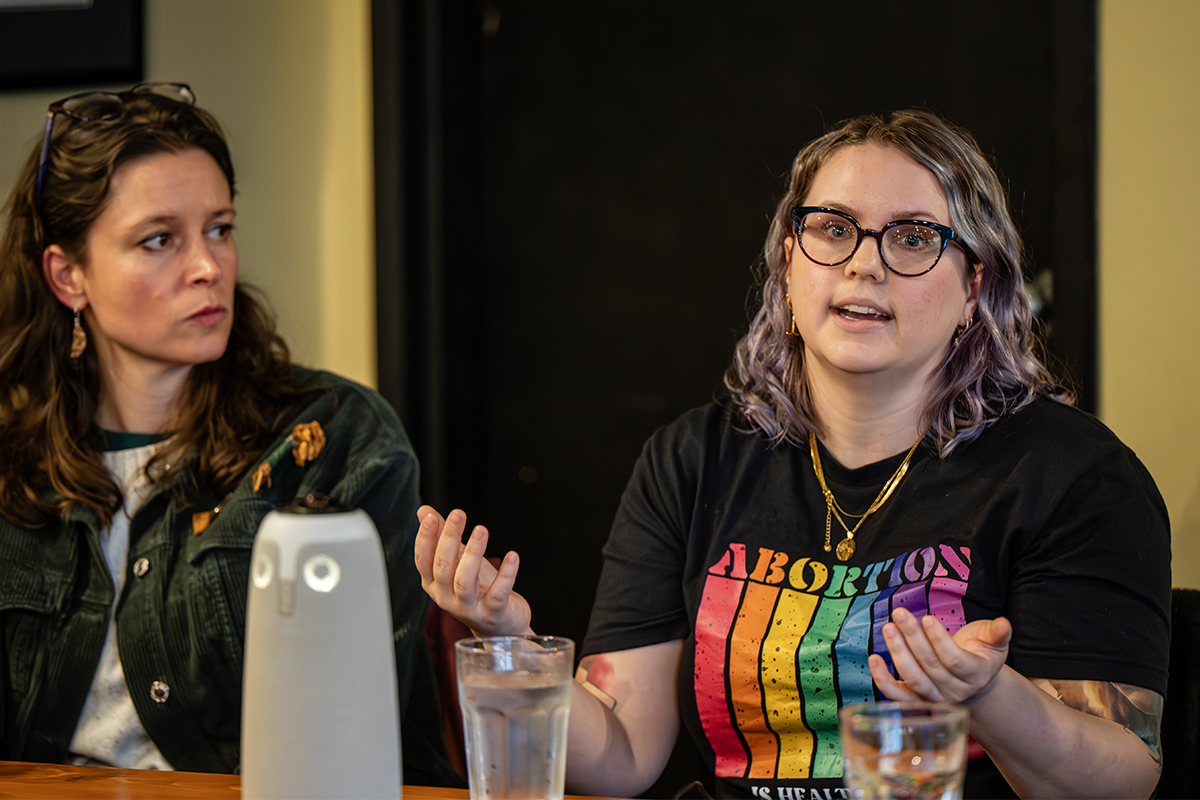
She said bills put forward in the House of Commons to legalize abortion could also be a problem.
“In the medical sense, abortion should just be a medical procedure. So we don’t want to have any laws that will say yes, it’s allowed. Because we don’t have any laws for other medical procedures,” she said.
Currently, abortion is part of health care the same way other procedures, such as an appendectomy, are. Stuart said introducing laws that legalize abortion — or any other medical procedure — opens up the possibility to pass laws that make abortion and other procedures illegal.

Stuart also pointed out that Abortion Care Canada, one of the largest charity organizations in the country that provides abortion care, said it may need to shut down after the federal government declined to renew its funding. The organization uses funding for various things, such as to provide grants to people who need to travel long distances to access abortion care or run phone lines where people can call in to find the closest abortion centre or miscarriage care provider.
While abortion care charities struggle to get by, Vancouver Island has a growing number of crisis pregnancy centres which outnumber abortion care centres or hospitals that provide abortions. Stuart said these crisis pregnancy centres seem like they are a good choice for women looking to get information on abortion or what options they have, but often spread misinformation and repeat anti-choice rhetoric.

“I’ve unfortunately had many people come to me that have visited a crisis pregnancy center first … and they say ‘I was told it would ruin my fertility, that I would get depression from having an abortion,’ all of these things that ultimately are just making them feel shame,” Stuart said.
Stuart highlighted the Abortion Support Collective, based in Victoria, that is made up of doulas and allied health professionals committed to supporting people through their reproductive journeys.
She said the collective can be a great resource for those receiving a surgical procedure.
“Or, if you want to have someone to advocate for you during an appointment, you can have some of these doulas come with you,” Stuart said.
A wishlist for women’s health care on Vancouver Island
Speakers were asked what would be on their wishlist for women’s health care and what they’d like to see done in the short term.
Speakers highlighted the need for subsidized and supportive housing that allows low-income families to live and meet their needs. Having access to basic care is part of health care, they said.
The need for better transit options was also a topic that came up amongst panellists and audience members.
Interlandi recalled a recent client of hers who had successfully transitioned out of the House of Honourable Mothers but didn’t have a vehicle and, as a result of the current transit strike, had no way of getting her toddler to the doctor.
“How is somebody going to get to the hospital? How is somebody going to get to the doctor?” she said. “That’s failing people today, right now.”
Audience members noted that even when transit workers weren’t on strike, options to get around the Cowichan Valley and Vancouver Island are limited — particularly in the evening and at night. This also poses a safety concern for women who don’t have access to a vehicle and may have to walk from place-to-place alone or rely on rides. Audience members said they’d like to see expanded transit options or safe ride options for women.
Suderman said she wants to see a community health centre in the Cowichan Valley where women can receive wraparound care for all of their health needs. She also wants to see more support for youth mental health-care.
While discussing a health centre, Topowroski pointed out that Cowichan Tribes has outgrown the current Ts’ewulhtun Health Centre and hopes it will be replaced soon. Having a centre that houses health services for seniors and youth under one roof would ensure “that we don’t leave anybody behind in our health care,” she said.
MacGregor’s wishlist includes safe, supportive and stable housing, which he considers a crucial primary step before building services around that housing.
To close the event, Interlandi said there needs to be space for people to have tough conversations with those they disagree with. She said if we’re learning anything from what’s happening in America, “there’s some really great organization happening on the right, and we need to be mindful about how we’re not splintering our communities,” she said.
Health care should be unconditional, she added, “so people don’t owe us healing, and they don’t owe us positive outcomes. Their human right is to receive care.”
What did you think of this story?
Your feedback after we publish a story helps ensure we're always improving our reporting to better serve you
Author
Related Articles

Voting in the 2026 Cowichan Valley local elections? Here’s what you need to know
Where, when and how to cast your ballot in North Cowichan, Duncan, Ladysmith, Lake Cowichan and the Cowichan Valley Regional District for the 2026 local elections.

Cowichan Valley candidates on protecting the community from climate change
Candidates in Duncan, North Cowichan, Ladysmith and Lake Cowichan share the steps they’d take to protect the community from the impacts of climate change.
Here’s how Cowichan Valley’s municipal candidates will respond to the homelessness and mental health crises
Cowichan Valley’s 2026 candidates share how they’d respond to issues related to homelessness, mental health and addiction.