Q&A: Poet Kiera Chealine on finding the power in ‘No’
Local poet writes about consent and empowerment for International Women’s Day.
Content warning: This story discusses domestic violence, rape and abuse. Please read with care. VictimLinkBC is a toll-free, multilingual, 24/7 service available across B.C. and the Yukon. It can be accessed by calling or texting 1-800-563-0808 or sending an email to 211-VictimLinkBC@uwbc.ca.
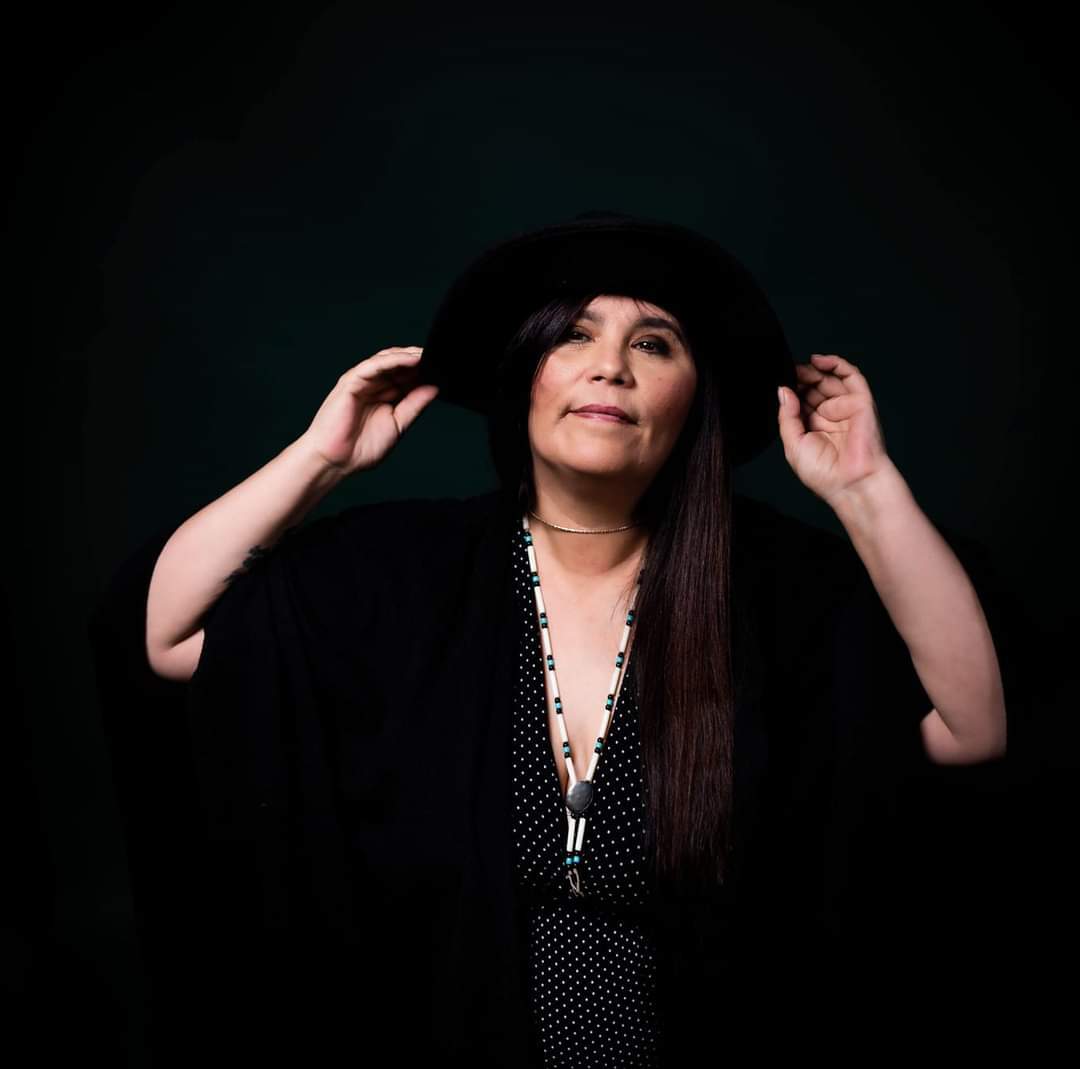
Nanaimo-based Indigenous poet Kiera Chealine started writing poetry at a young age. Her mom, Aimee Chalifoux, is also a poet who encouraged Chealine to turn to poetry to process her feelings and cope with the heaviness of the world.
Chealine is Mohawk, Ojibwe and Cree with roots near Calgary, A.B. with Poplar River First Nation and the Michel Band. Chealine’s family moved to Vancouver Island when she was a baby after her older sister was murdered.
As a survivor of domestic violence and abuse, and as a mother who wants the best for her daughter, Chealine has turned to sharing her once-private poetry with others. She hopes her writing will resonate with and empower others who have felt like they have been denied consent.
“I started writing poetry when I was really young but I never shared it with anybody,” Chealine said in an interview with The Discourse. “But these last two years, poetry has been more prominent in my life. I use it as a way to cope with trauma and everything that has gone on in my life. It’s been my escape — and a way to get those words out on paper.”
This year, Chealine will read two new and original poems as part of The Discourse and Cowichan Valley IWD’s International Women’s Day event on Sunday, March 8 at the Cowichan Public Art Gallery. Her mother, who previously wrote a poem for this event in 2024, will also be in attendance to introduce her daughter.
The Discourse’s Shalu Mehta spoke with Chealine about her poetry and what International Women’s Day means to her.
Note: This interview has been edited for grammar, clarity and concision.
Shalu Mehta, The Discourse: How do you feel connected to International Women’s Day, and specifically the topic of consent?
Kiera Chealine: I feel connected to this day because it’s a time for women to stand up and challenge the “norms” that try to keep us small. It’s a way for women to empower each other and prove we don’t have to follow the rules that were used to silence us. It has always been a day that inspired me — seeing people come together and be outspoken — breaking that norm of being “proper.”
One of my biggest things with my poetry has been to spread awareness. It’s been a big thing for me, regaining my voice, because I was so silent for so long, and I was always shy. I’m still really shy, but I’m stepping out of that box a lot. International Women’s Day is this day where these women, these powerful women, are so uplifting and beautiful to hear from.
Speaking at this upcoming event, it felt like a great opportunity for me to have my voice heard and step out of that box. I just really want to empower women and uplift them.
I’d love to know more about your upbringing if you’re willing to share. What was it like growing up with a poet as a mom?
It was everything. She was a single mom and we’ve had our struggles, but it was also really beautiful. She wrote me songs growing up — it’s one of my fondest memories — but she also used poetry to reach me academically when I was struggling. She was the one who told me to write my pain into words, and that’s exactly what I did. Poetry has always been my diary and my outlet. If you want to know me, read my poetry. It’s where my world, brain and thoughts are best expressed.
My mom is my grounded Virgo. She’s kept me steady.
If you could summarize each of your poems that you’ll be presenting on Women’s Day in a few words, how would you do so?
Poem one is about the negatives — the things I was taught as a child that were wrong. The other is about the positives and reclaiming my voice and finding the power in my “No.”
Why did it feel important to you to write these specific poems?
I wanted to challenge myself to write about more than just domestic violence. Consent goes beyond rape. It’s about every time someone enters your space or touches your body without permission.
I speak about this a lot because I never consented to being dismantled like property, or for my children to watch their mom be hurt. They witnessed my domestic violence two years ago where I almost lost my life — I had to get emergency surgery to repair my face where I had three fractures, bone fragments suppressed and air trapped in my axillary sinuses.
My message to my daughter, while I was trying to fix what was broken and teach her, is that we must treat our bodies as sacred. We must not allow others to dismantle us and say that’s ok.
Who is your intended audience for these poems? Who are you addressing?
They’re for anybody who feels connected to my words, really. They’re for anyone who can relate to feeling like they were silenced and had to be compliant and that they didn’t have the right to say no.
I’m addressing women who have been told to stay quiet and I’m addressing the men who think they are entitled to our space. I want to be a voice for those who cannot speak yet and empower them to be strong. And I’m addressing the younger me.
You mention motherhood in both of your poems, and juxtapose images of your daughter with images of your younger self. How has being a mother shaped your worldview, especially when it comes to consent and reclamation of yourself?
When I look at my daughter, I see her innocence, and I could never imagine her being tossed around like a rag doll by a grown man. As a child, I was abused and I wasn’t given the right to consent. My body was violated by someone who was supposed to be safe. Seeing her makes me realize how much I deserved to be protected, and I’m using my voice to make sure she knows she is worth protecting, too. I’m making sure she knows that “no” is okay and no one is entitled to our bodies.
I’m a domestic violence survivor and she had to go through that with me. I didn’t want to continue shaping that idea in her life that what happened was ok. One thing I love about her is that she won’t let people pressure her into things. If it’s a no, it’s a no, and she will tell it how it is. And I just love that about her. She really shaped me into wanting to be a better version of myself. She helped me break that cycle for her, because I want to show her what it means to be powerful and a woman and not allow anyone to shrink us down or make us feel smaller than we are.
In one of your poems, you talk about the sacredness of bodies, as well as the sacredness of consent. What compelled you to emphasize these things in particular in this poem?
I wanted to make sure women felt empowered through my poetry and I want to help people see that their bodies are beautiful. When we experience any trauma, we can see our bodies as this horrible thing or not love our bodies or ourselves anymore. For myself, I started to hate my body. I didn’t want it. I felt like my body was what caused those things to happen to me. It was taken away from me, and I was silenced.
So I’ve been trying to learn to love my body again since having my daughter, and I wanted to make sure that I included this in my poem. So that any woman or any girl who maybe is going through that stage where she’s questioning her body and feeling silenced can remember that our bodies are ours. Our bodies are beautiful.
It’s about the fact that our bodies are not for anyone else. They aren’t “peace offerings.” My body is mine alone and it’s not a punching bag or a playground for anyone else. It’s about reclaiming our bodies after they have been taken advantage of.
What do you hope for when it comes to the future? Whether that’s for women, all genders, or on the topic of consent in general.
I hope for a future where women aren’t afraid to be opinionated or loud. I hope my daughter grows up in a world where her “No” is enough, and where women empower each other to stay strong.
What did you think of this story?
Your feedback after we publish a story helps ensure we're always improving our reporting to better serve you
Author

Related Articles
Cowichan SPCA calls for more foster volunteers as demand for space increases
As demand grows for animal shelter space, a team of volunteers and Cowichan SPCA staff are working to make sure animals find a place to call home.
Immigration partnership program aims to make the Cowichan Valley more welcoming to newcomers
A new federally funded partnership wants to understand what barriers immigrants face when they arrive in the Cowichan Valley.
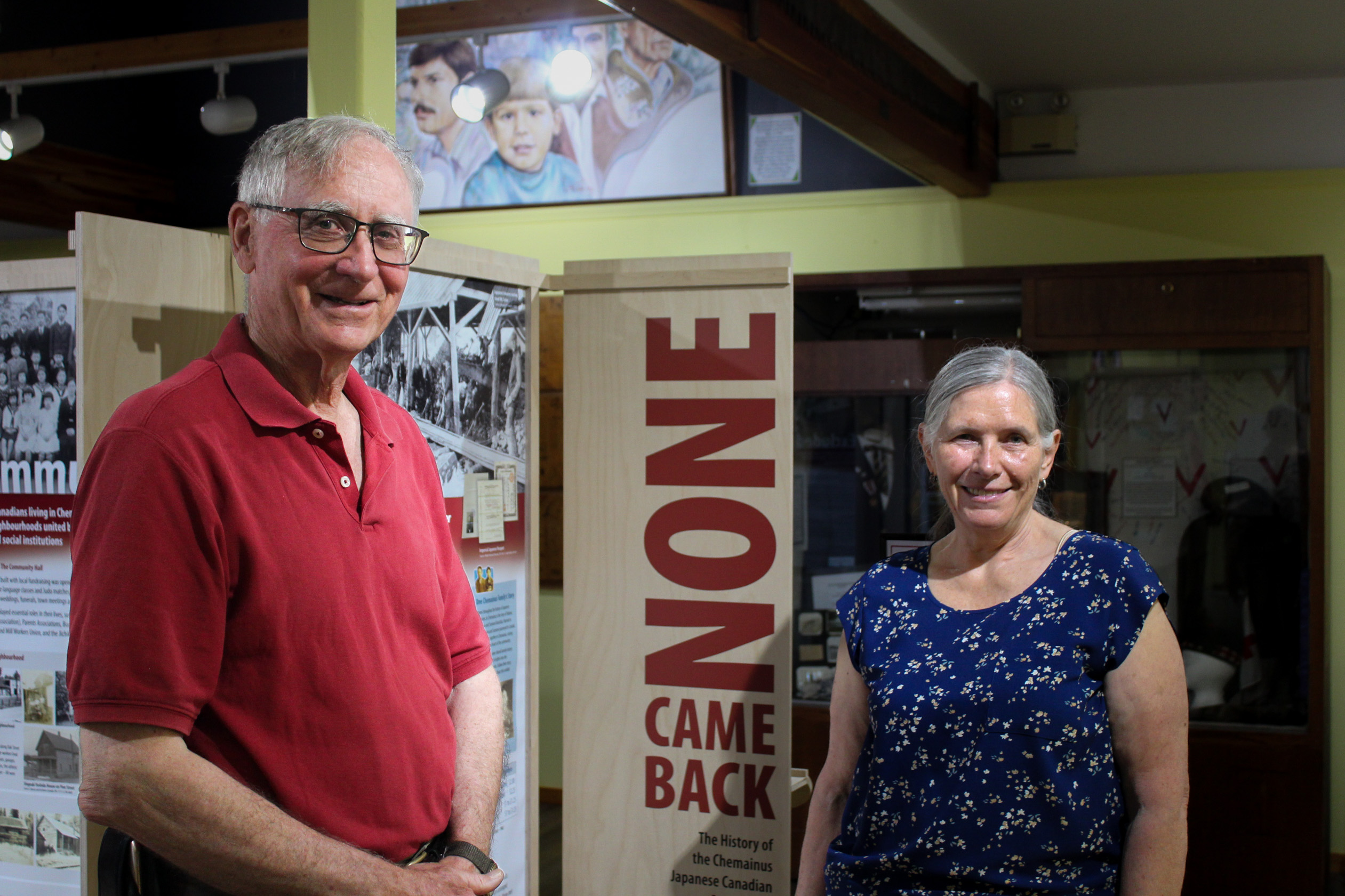
None Came Back: Documenting the untold stories of the Japanese community in Chemainus
New exhibit at Chemainus Valley Museum aims to highlight and give voice to the Japanese Canadian community that once lived in Chemainus.