
‘Consent is not new’: Cowichan Valley Women’s Day event addresses consent as a community issue
The Discourse and Cowichan Valley IWD held their annual International Women’s Day event on March 8, exploring how consent can lay a foundation for a healthier community.
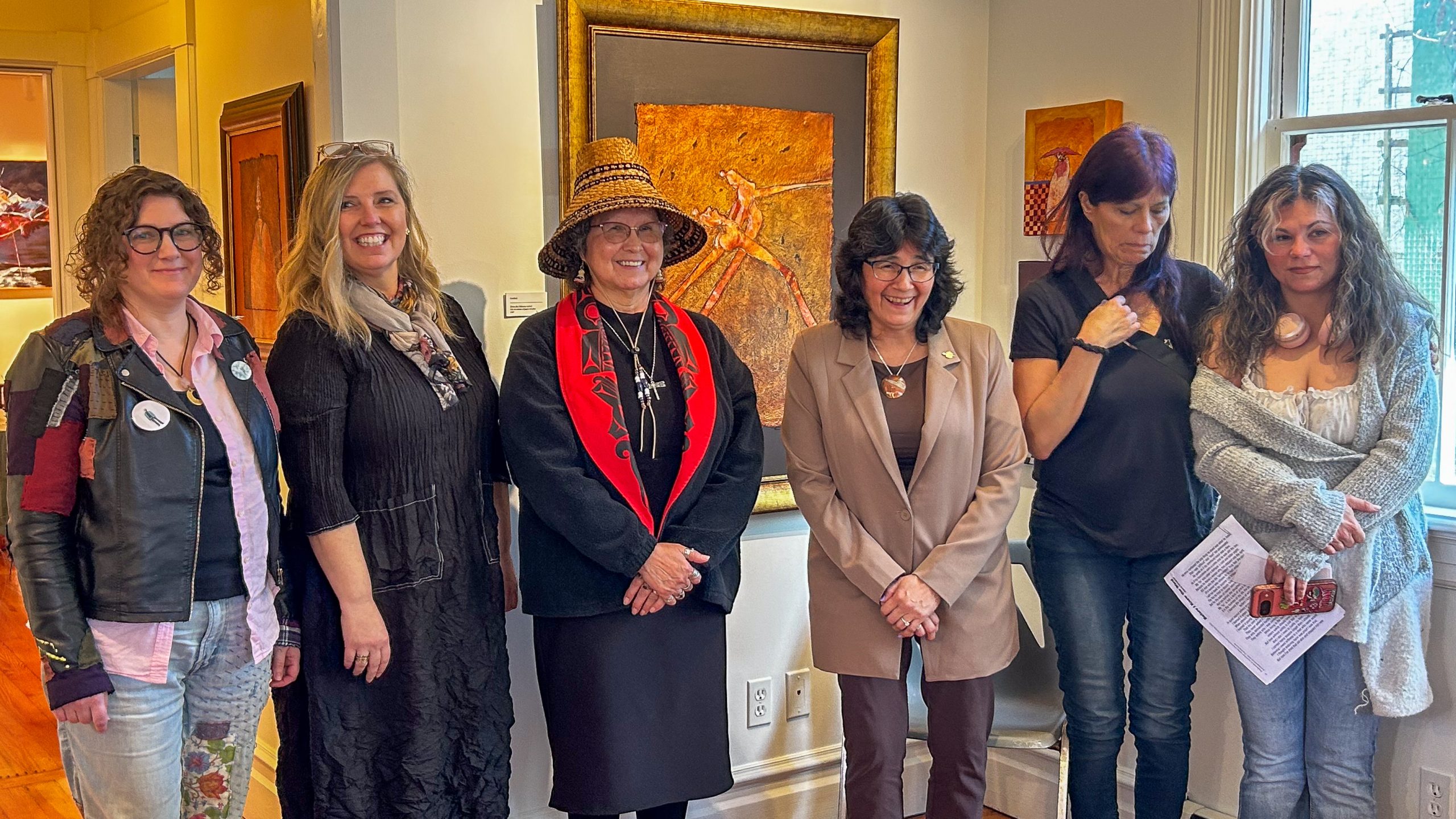
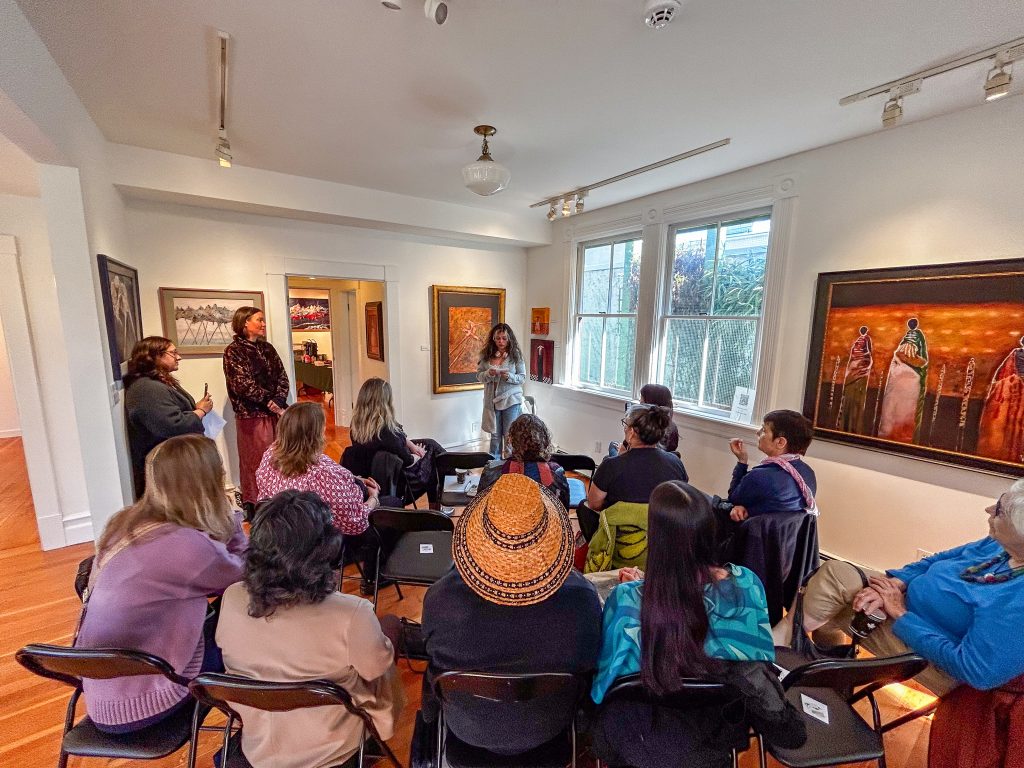
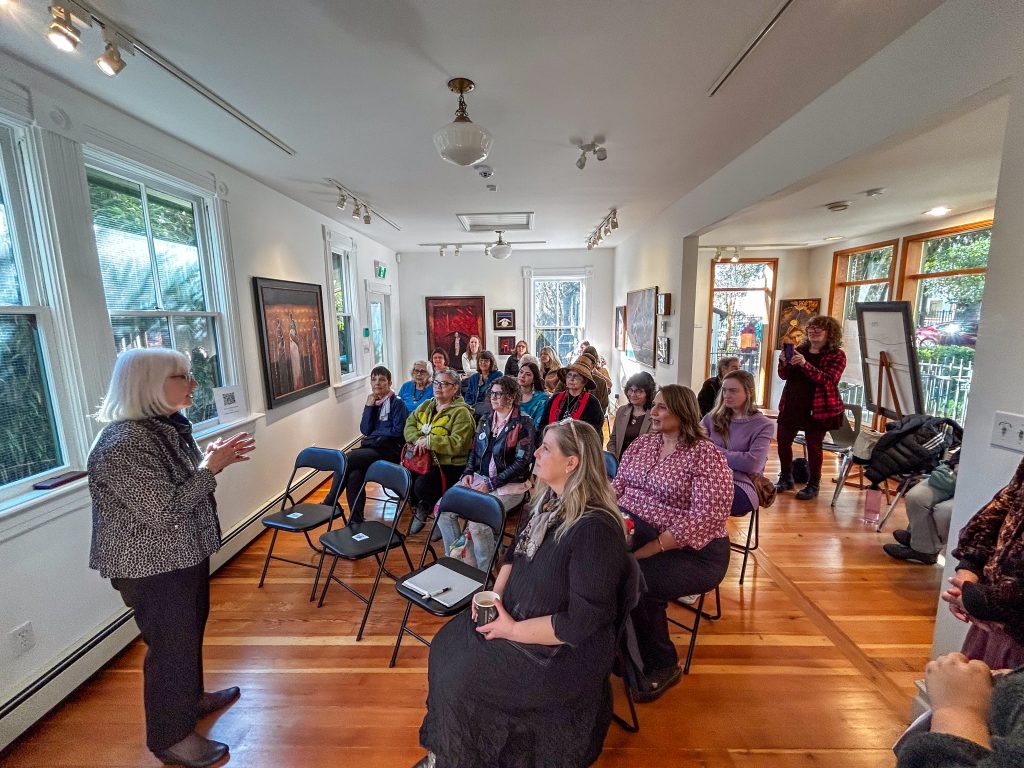
Community members came together at the Cowichan Public Art Gallery on March 8 to hear from local leaders and artists in honour of International Women’s Day. The event, co-hosted by The Discourse and Cowichan Valley IWD, was centred around the topic of consent and sought to answer how consent can create a healthier and safer community.
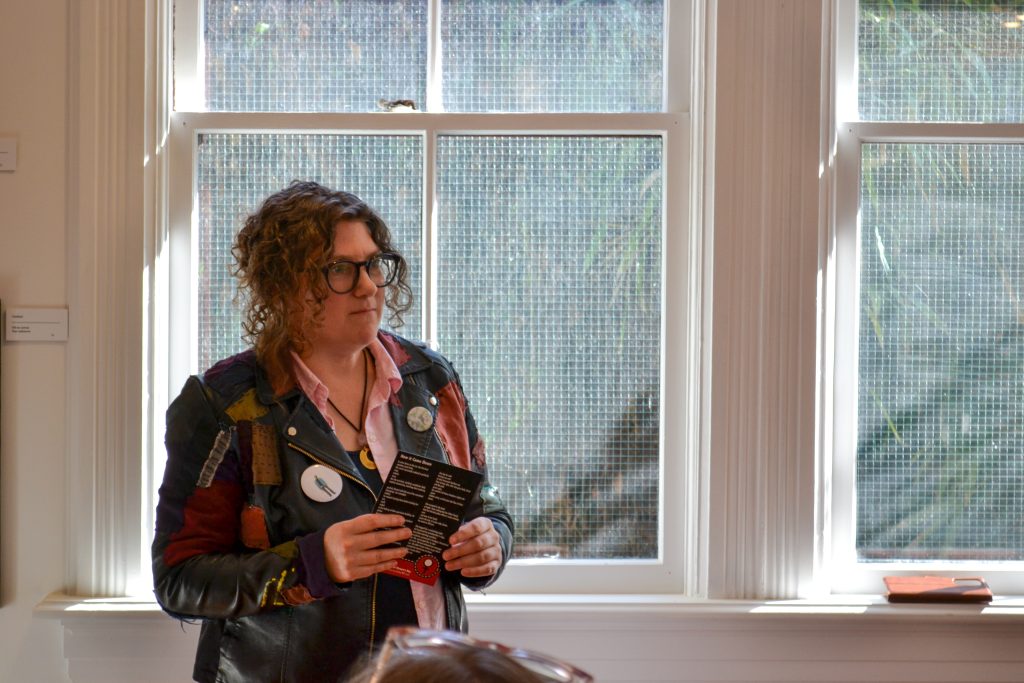
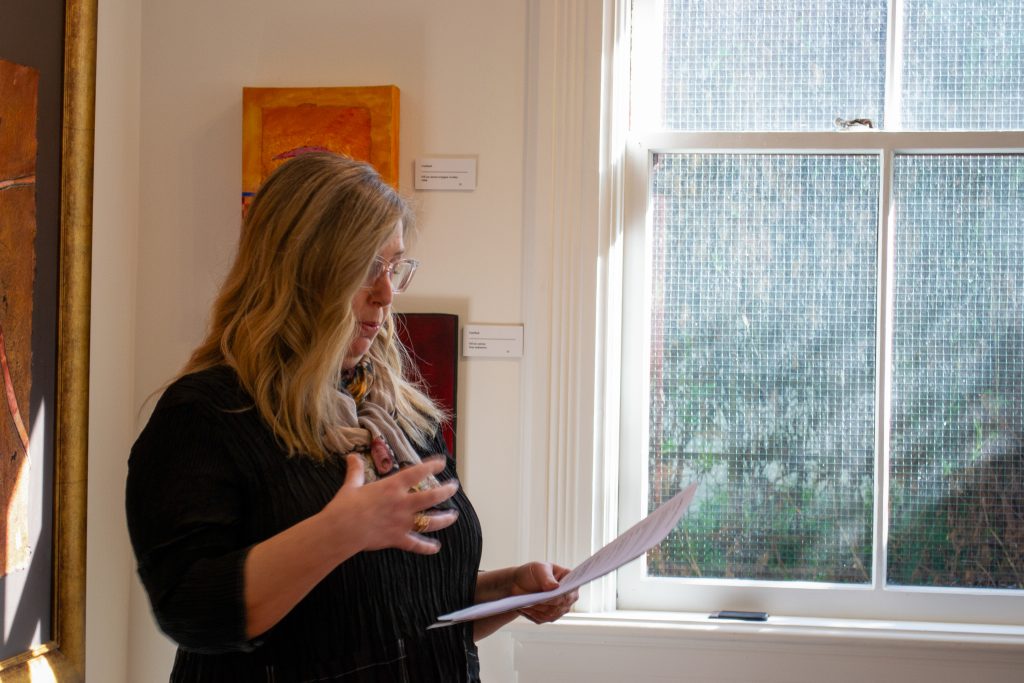
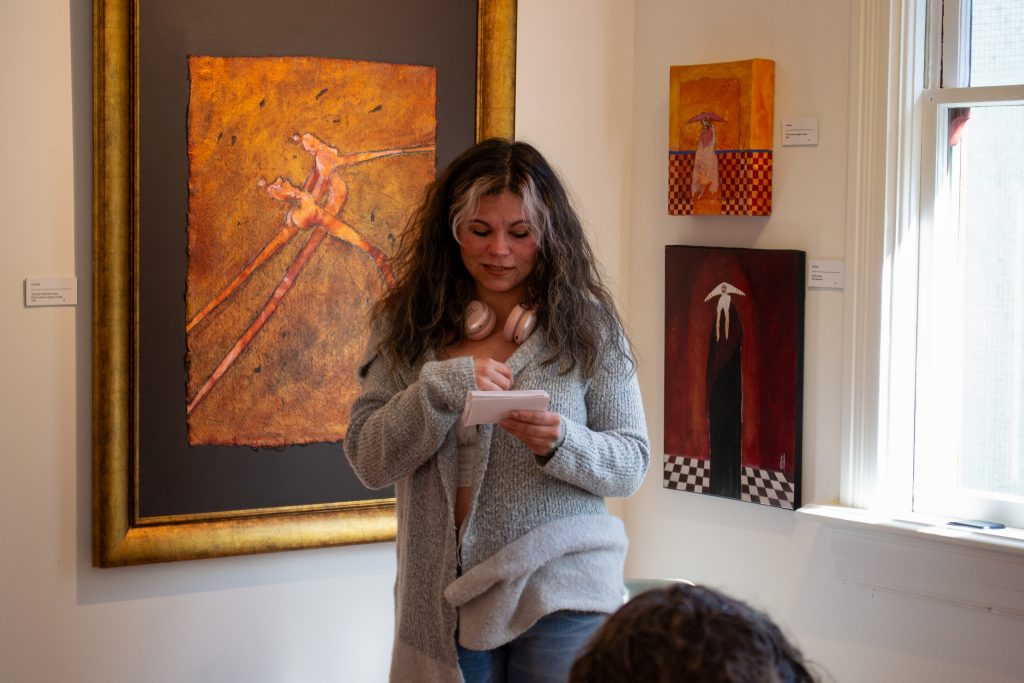
Cowichan Tribes Chief Sulsulxumaat Cindy Daniels, Cowichan Valley MLA Qwulti’stunaat Debra Toporowski, local educator Corina Fitznar and poets Erin O’Brien and Kiera Chealine each spoke, sharing their thoughts, opinions and feelings in relation to the topic of the day.
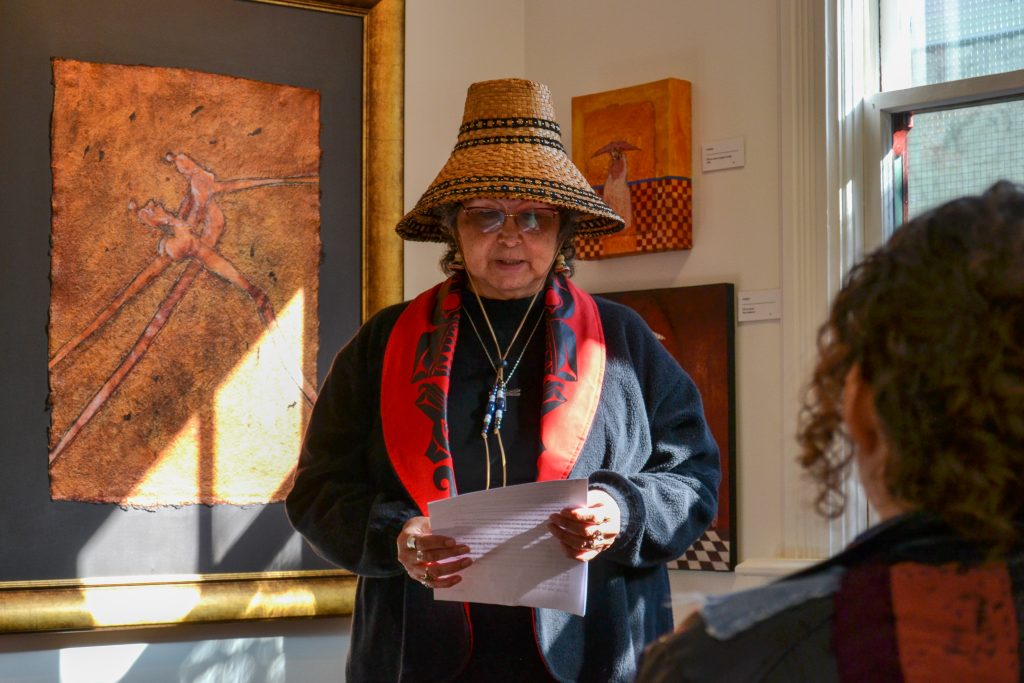
Daniels began the day with a welcome to Quw’utsun territory and thanked all women for their quiet strength and loud advocacy, even in the face of discrimination.
“As capable as we’ve shown ourselves to be, Indigenous and non-Indigenous women continue to experience physical and sexual violence, femicide and misogyny. Even with the ‘Me Too’ movement, the statistics do not tell the full story.”
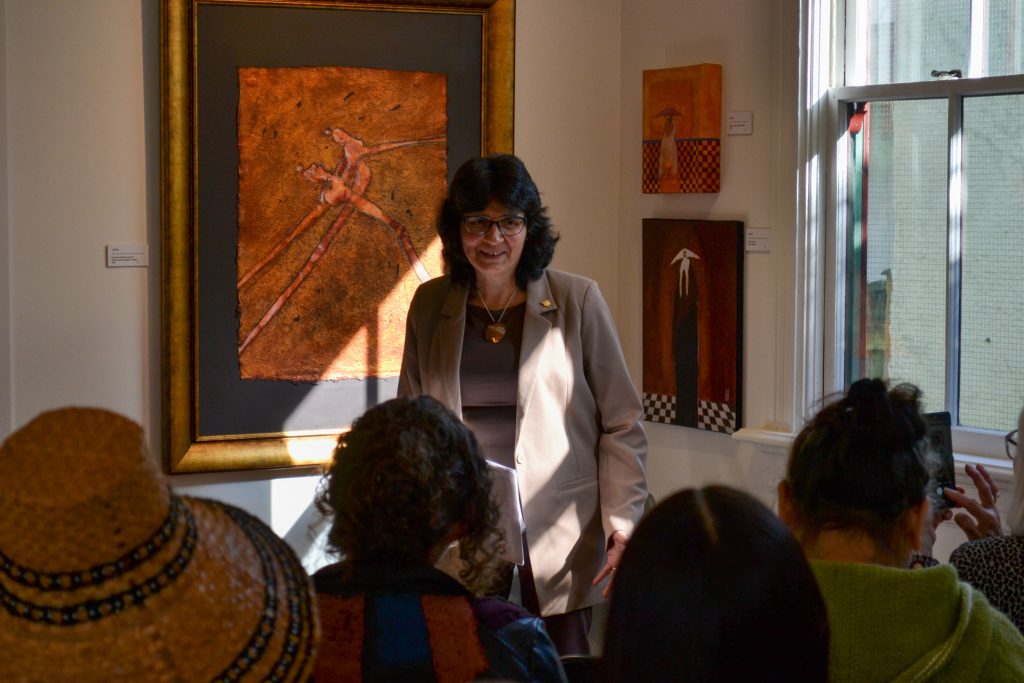
Toporowski shared a preview of a speech she gave in the B.C. legislature on Monday, March 9, 2026.
She connected consent to Indigenous teachings on respect, accountability and balance — evidence, she said, that “consent is not new.”
“Consent is about self-determination, something our nations have fought generations for,” she said. “It is connected to our ancestral values of treating others with dignity.”
“Consent teaches us to listen deeply, to honour each other’s yes and to respect each other’s no,” Toporowski said.
Fitznar, an educator with 25 years of experience, spoke on the importance of teaching consent from early childhood to adolescence.
“Consent communication skills are not confrontation skills. They are relationship skills that build healthy friendships, respectful romances and respectful schools and workplaces,” she said.
Chealine — an Indigenous poet, mother and advocate — shared two new original poems at the event titled, I Will Not Be Silenced, and I was Never Asked.
In Chealine’s words, both poems “explore the moments when consent was never given, never honoured, and the power that comes from reclaiming your voice.”
Ahead of the event, The Discourse’s Shalu Mehta sat down with Chealine for an in depth Q&A to learn more about her and her poetry.
One heart, one mind, one spirit
Quw’utsun people have a long history of strong matriarchs, Daniels said at the event, highlighting a recent milestone in the region where a majority of women, including herself, have been elected to chief and council. Toporowski also served as a Cowichan Tribes councillor and North Cowichan councillor before being elected as the Cowichan Valley MLA.
Daniels addressed the violence that continues to shape the lives of Indigenous and non-Indigenous women alike, including physical and sexual violence, femicide and misogyny.
She noted that many experiences go unreported and referenced the ongoing search for Rosemarie Harry, a Quw’utsun Nation member who went missing on Jan. 28 in Duncan.
“As I contemplate this year’s theme of consent as an Indigenous woman and chief, I think we will all agree that we did not consent. We did not consent to the trauma we’ve experienced at the hands of others,” she said.
To break those cycles of harm, she pointed to ancestral teachings of Nuts’a’maat shqwaluwun meaning working together with one mind, one heart and one spirit.
“These teachings apply to all of us regardless of gender and at the foundation is respect. Respect for ourselves, for other people and for the natural world,” she said.
A time for truth telling
Toporowski opened her presentation by framing international Women’s Day as both a celebration and reckoning. She called for Indigenous women, girls and Two-Spirit people to be centered in conversations about women’s rights.
“For Indigenous women, safety is not separate from sovereignty. So when Indigenous women speak about International Women’s Day, they remind us that gender justice must mean more than pay equity and a broad representation,” she said.
The day demands truth telling, Toporowski said, as Indigenous women continue to face policies designed to dismantle matriarchal systems. The ongoing national emergency of Missing and Murdered Indigenous Women and Girls is just one example of how safety “is not separate from sovereignty,” she said.
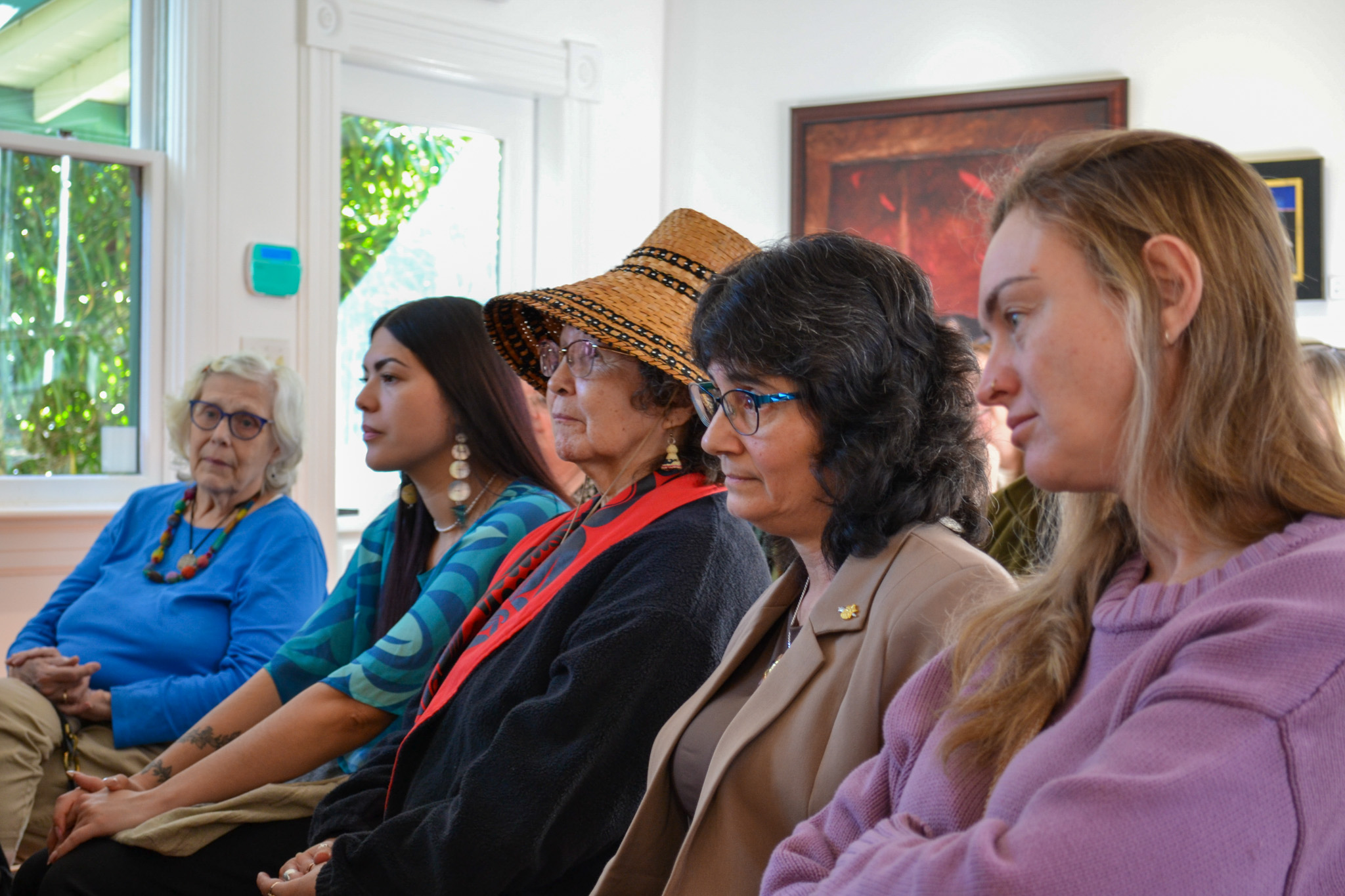
Despite those realities, Toporowski highlighted the growing resurgence of Indigenous women leading movements in language revitalization, child welfare reform and land protection.
“They are building matriarchal systems that colonialism tried to dismantle,” she said.
Toporowski said teaching young people about consent is essential to building communities where boundaries are respected and voices are heard.
“Speaking about consent helps reclaim safety, voice and agency for ourselves and the next generation. This ensures that future generations inherit a culture where boundaries are honoured and voices matter,” she said.
Consent as a communication skill
Fitznar, a local educator, recalled an exercise she did with her Grade 8 class where students were asked to practice saying “no” in a safe and controlled environment. Boys lined up on one side and girls on the other. The boys went first, practicing saying “no” to each girl in line. But while the boys readily participated, the girls were silent and could not look their classmates in the eye.
“They were comfortable saying no with me, but they wouldn’t even look at their classmates — these are their friends,” she said.
The girls later explained to Fitznar that they felt that saying no was “mean” or “rude” and feared a negative reaction from the boys.
This led to Fitznar’s observation that many young people, particularly girls, are inadvertently taught by society that “protecting other people’s comfort is more important than protecting their own boundaries.”
Fitznar said teaching consent is a community responsibility. Adults can help by modeling positive behaviors of setting and respecting boundaries and by creating environments where speaking up is welcomed, not discouraged.
Different perspectives provide ‘roots’ for understanding consent
Audience members had the opportunity to ask speakers questions during a short intermission.
One attendee asked Fitznar if consent is a regular topic covered in junior high school classes. She said that while it’s not always addressed as a subject on its own, the ideas of boundaries and consent touch on far-reaching topics such as the history of imperialism and colonialism.
“It’s at the core of everything,” she said.
According to Fitznar, it is up to teachers to hold space for these discussions and allow for students to question why our world is set up the way it is — and how that shapes our lives, decisions and how we communicate with each other.
Another attendee recounted her own experience speaking out against misogyny in apartheid South Africa. She recalled a time when women had minimal rights — such as not being able to have their own bank account — and the toll that took on her mental and physical well being.
“I was terrified. I knew I had the right, and I knew what I was saying was true, but the cost to my system was huge,” she said.
Another audience member shared her appreciation for the diverse perspectives offered by the speakers and the traditional “roots” they provided for understanding consent.
Poetry for the next generation
Local poet and multidisciplinary artist Erin O’Brien had written poems for a previous International Women’s Day event hosted by The Discourse and Cowichan Valley IWD and copies of the poem were conveniently printed on postcards that were at this year’s event. While not originally on the speaker list, O’Brien was in the audience and agreed to read a poem while attendees waited for the event’s keynote poets to arrive.
The poem she read was an excerpt from “Typewriter Diary,” a series of poems written at home in the early days of COVID-19. She has released two previous chapbooks, “A Cycle Of The Moon” and “Using Whatever We’ve Got To Make It.”
After O’Brien’s readings and a brief intermission, the keynote poet, Kiera Chealine, and her mother, Aimee Chalifoux arrived.
Chalifoux is a Cree, Saulteaux and Métis woman who grew up on Vancouver Island. She has worked with Literacy Central Vancouver Island as the Indigenous literacy coordinator and executive director and also has experience as an outreach worker for women and youth.
Chalifoux previously wrote a poem for Cowichan Valley International Women’s day titled The Young Woman’s Guide to Liberation, which she described as a love letter to her daughter and the next generation of women.
Read more: Local poet pens love letter to women for International Women’s Day
Chalifoux said it was an honour to introduce her daughter Kiera Chealine, this year’s featured poet, who was following in her footsteps.
“You have no idea what an honor that is because this is a child that hated reading and writing when she was little. Then I think when she was about seven years old, she picked up the book Big Brown Bear … and she’s been in love with words ever since,” Chalifoux said.
According to Chealine, she uses poetry to reclaim her voice, turn pain into art and make space for women who have had their voice historically silenced.
“I am here to break those cycles of silence and harm. Our silence never meant compliance and it certainly never meant consent,” she said.
Her two poems spoke about her experiences of being silenced or minimized and she described the poems as unapologetic, loud and “the sound of a woman who has stopped negotiating her existence.”
“Every girl and woman needs to know that their voice is theirs and that their body is their own. Today is not just about me, it is about us together, reclaiming what was never ours to give,” she said.
“I am especially grateful to share this space with my mother who raised me and taught me that my body is sacred,” Chealine said.
With files from Shalu Mehta.
What did you think of this story?
Your feedback after we publish a story helps ensure we're always improving our reporting to better serve you
Author

Related Articles
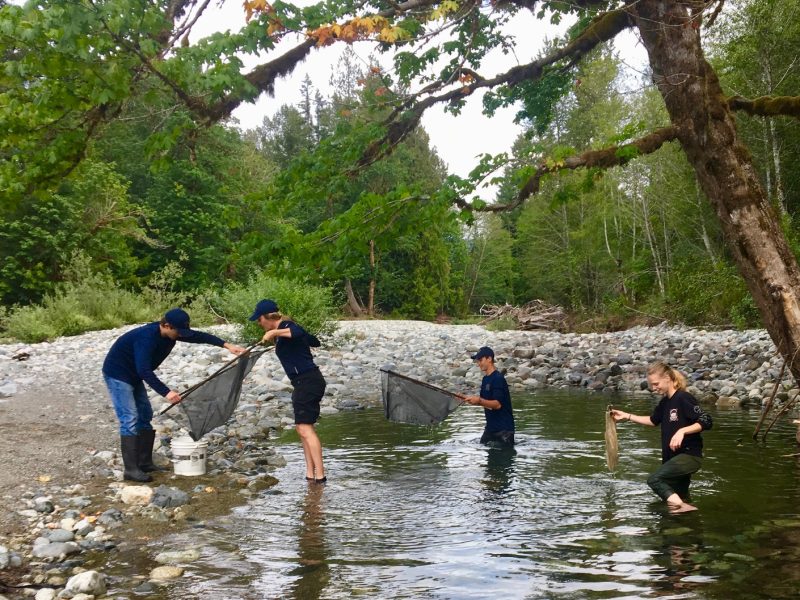
What to do and who to call when juvenile salmon are in danger
Officials say Cowichan Valley residents should call experts to move salmon in isolated pools because of risks associated with relocation.
How is The Discourse’s journalism funded?
And what does it cost to produce The Discourse’s in-depth, independent journalism?
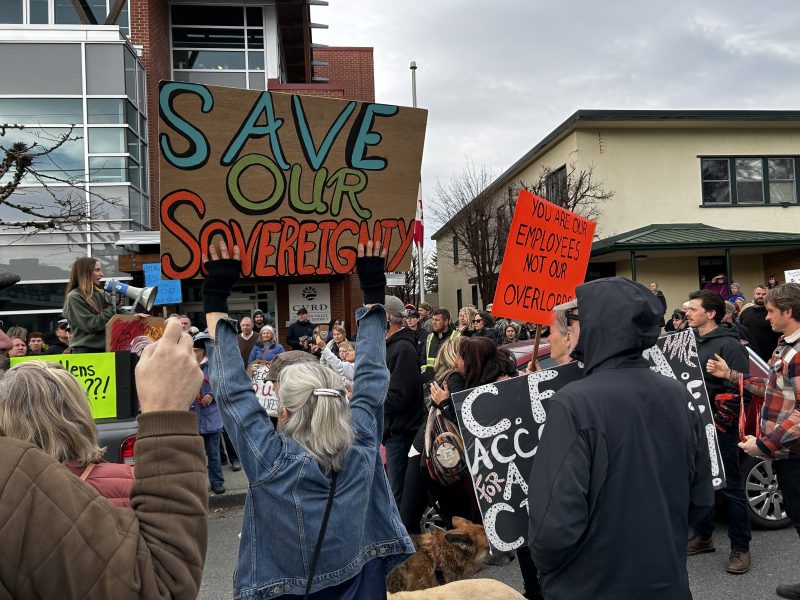
Behind the backlash to the Cowichan Valley’s comprehensive zoning bylaw
The campaign against Bylaw 4710 was fuelled, in part, by misinformation and an organized group of advocates. What could this mean for the future of local politics?