
Cowichan Valley food bank steps up food recovery as reFRESH market closes
The long-running food recovery program at the reFRESH market is ending, but local organizations are filling the gap and meeting rising community needs.
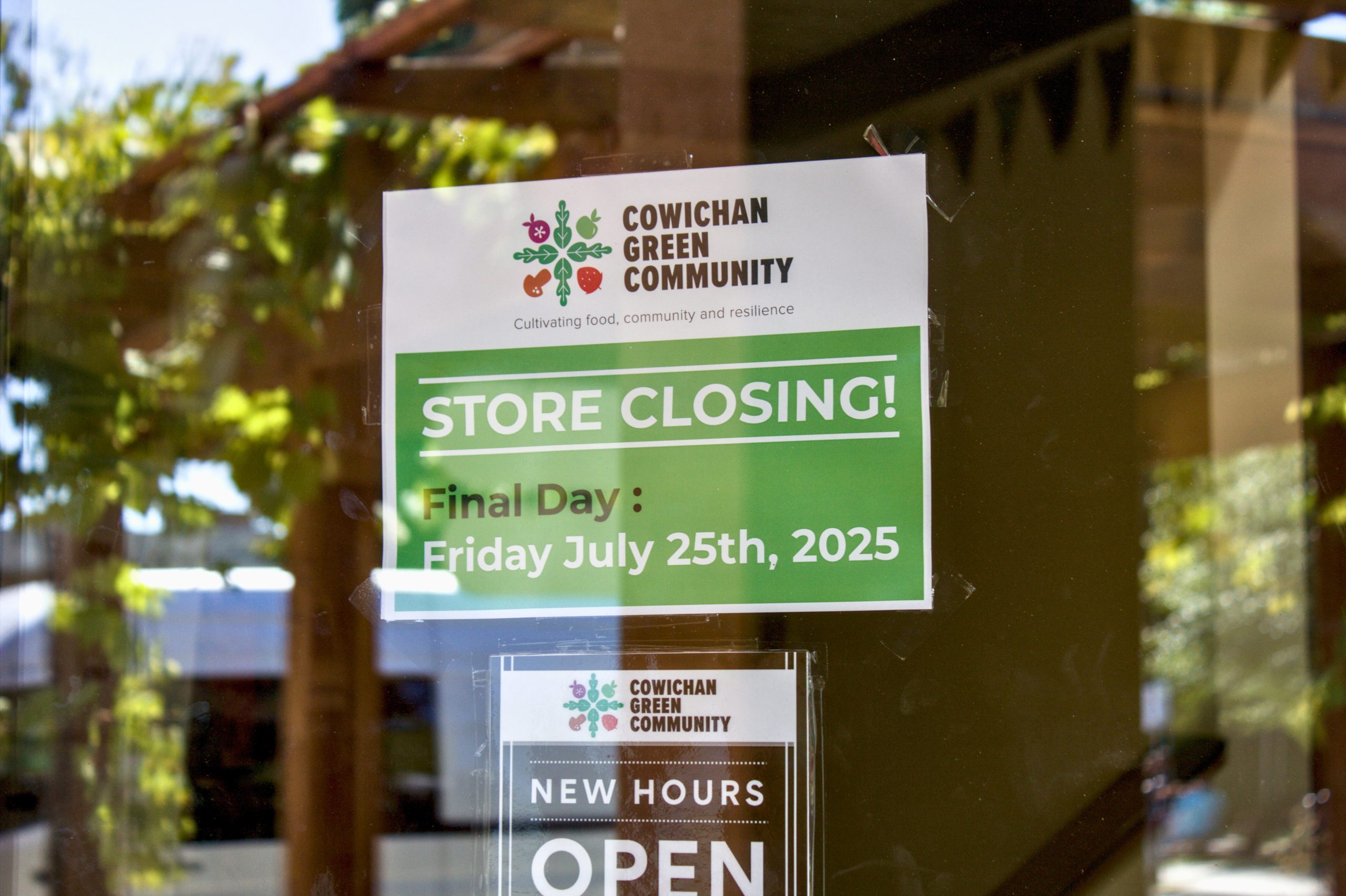
Since 2018, the reFRESH Cowichan Marketplace in downtown Duncan has helped divert thousands of kilograms of edible food from landfills through its food recovery program, making healthy food accessible to local families. But the market, operated by Cowichan Green Community, will close its doors on July 25 as the organization shifts its focus to advocating for regional food security solutions and its programs at its new Farm and Food Hub on Beverly Street.
“While we’ve pulled back from some of the food access programming for now, it doesn’t preclude us from doing more food access programming in the future. But as we shift operations to the food hub, we’ve had to make some harder decisions on what we can carry forward,” said Cowichan Green Community executive director Vanessa Daether.
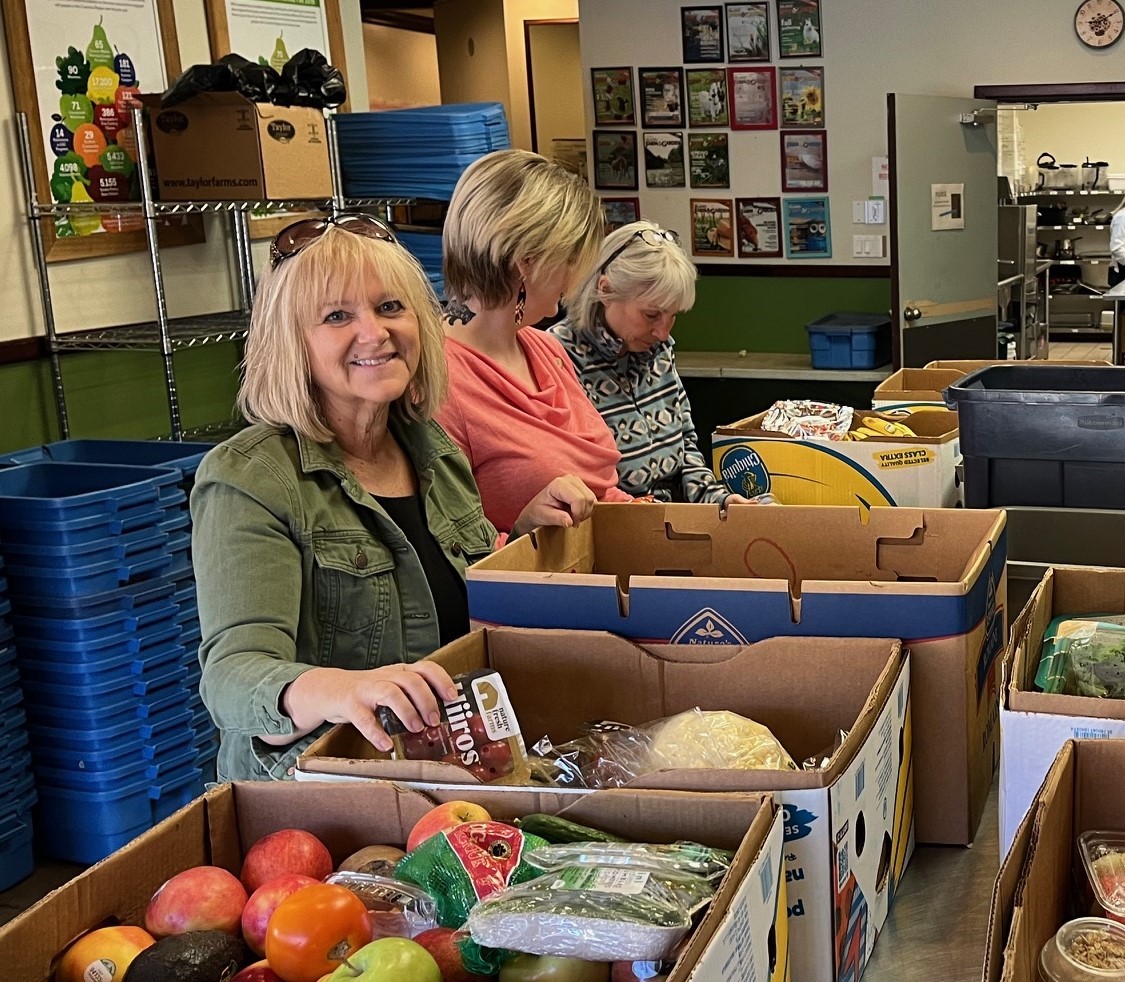
The market closure comes amid steadily rising food insecurity in the Cowichan Valley. Henry Wikkerink, manager of the Cowichan Valley Basket Society, says the organization has seen a significant increase in usage of its food hamper program and that while the food recovery program is ending, the work isn’t.
Emergency food providers such as the Basket Society plan to step up food recovery efforts to fill the gap created by the reFRESH Market closure and ensure surplus from grocery stores still reaches those in need.
Wikkerink said he believes his and other organizations have the capacity to keep the momentum from the reFRESH Market’s food recovery program going.
“We want the community to know that this is being picked up by us,” he said. “We’re going to do our best with this.”

Demand for food access increasing
Food Banks Canada’s yearly Hunger Count survey found that in March 2024, more than two million people visited food banks across the country and nearly 700,000 of them were children.
In 2023, the Cowichan Valley Basket Society distributed close to 300 food hampers a month to community members. The Discourse previously spoke with Wikkerink in 2024, when the number of food hampers distributed doubled to 600 per month. Now, that number has ballooned by nearly another 20 per cent, with 700 food hampers now going out to feed an estimated 1,500 people per month. Around 20 per cent of program users are above the age of 65.
Food hamper program registrations are holding steady with anywhere between 30 and 40 new sign-ups per month, according to Wikkerink. The society also provides community members with 5,000 meals a month through its lunch program.

Wikkerink said the real need for the food hamper program can be masked by demand that fluctuates monthly. Some months people won’t need a hamper, while other months people may just need some food or a full hamper to get by.
In total, there are around 4,000 people registered in the Cowichan Valley Basket Society’s database but not everyone will come every month. The reality, however, is that if all 4,000 clients registered in their database showed up in one month, the society would struggle to meet that demand.
“When you consider that 1,500 people are saying that they need to go to the food bank, there’s probably another 1,500 individuals or more that are not making that choice to come to the food bank. So there’s still lots of people who need help,” he said.
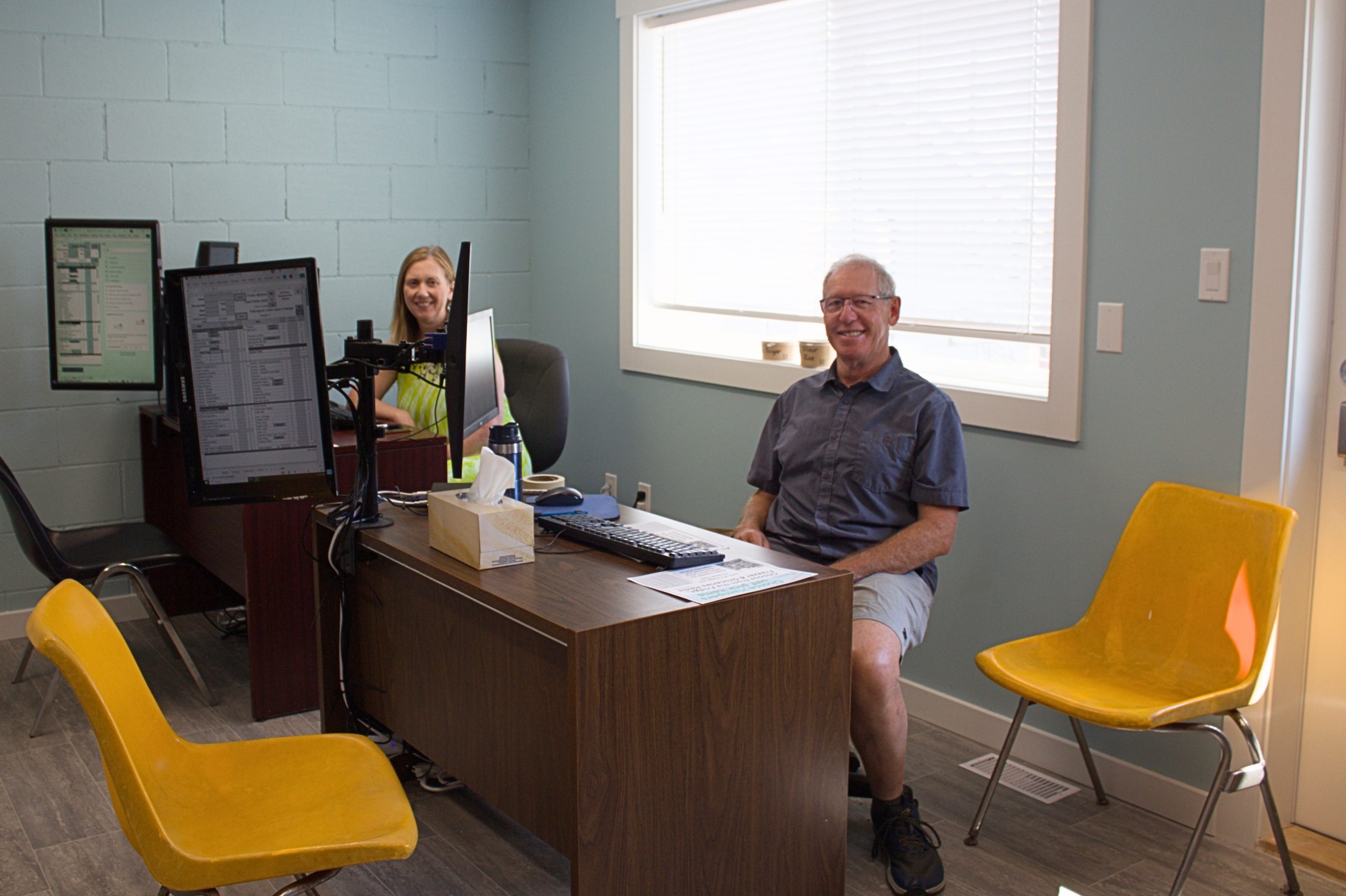
Wikkerink said he expects the closure of the reFRESH Marketplace will push some of the market users to the society’s services. He stressed that the Basket Society is available to help anyone who was previously going to the market for food.

“We encourage those that may not be getting food as they were through Cowichan Green Community to come to us directly and tell us what they need, and we’ll find a way,” Wikkerink said.
A returning pathway for recovered food
Leading up to the decision to close the reFRESH Marketplace and food recovery program, discussions were already underway to assess whether other local organizations had the capacity to continue redistributing recovered food from places like grocery stores to people in the community, Daether told The Discourse.
Nourish Cowichan and the Cowichan Valley Basket Society were both identified as potential organizations to fill the gap left by the closure.
The Cowichan Valley Basket Society is no stranger to food recovery. Wikkerink told The Discourse the majority of food recovery in the region was handled by the society until the Cowichan Green Community took over part of that role.
“It’s actually coming full circle, and it’s coming back to us which is good, because demands for us in the hamper program have grown substantially and we are going to try to put as much back into the community,” Wikkerink said.
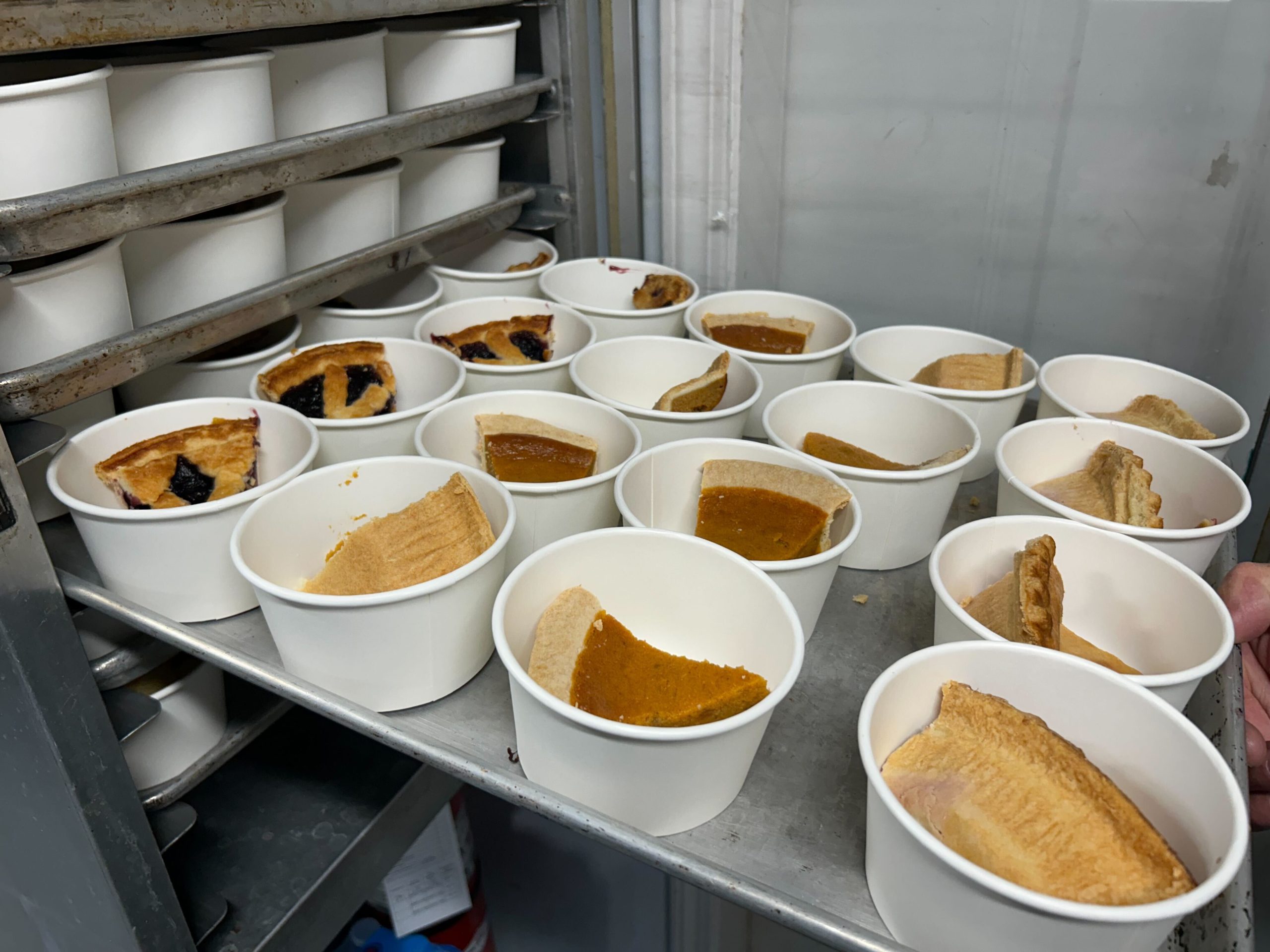
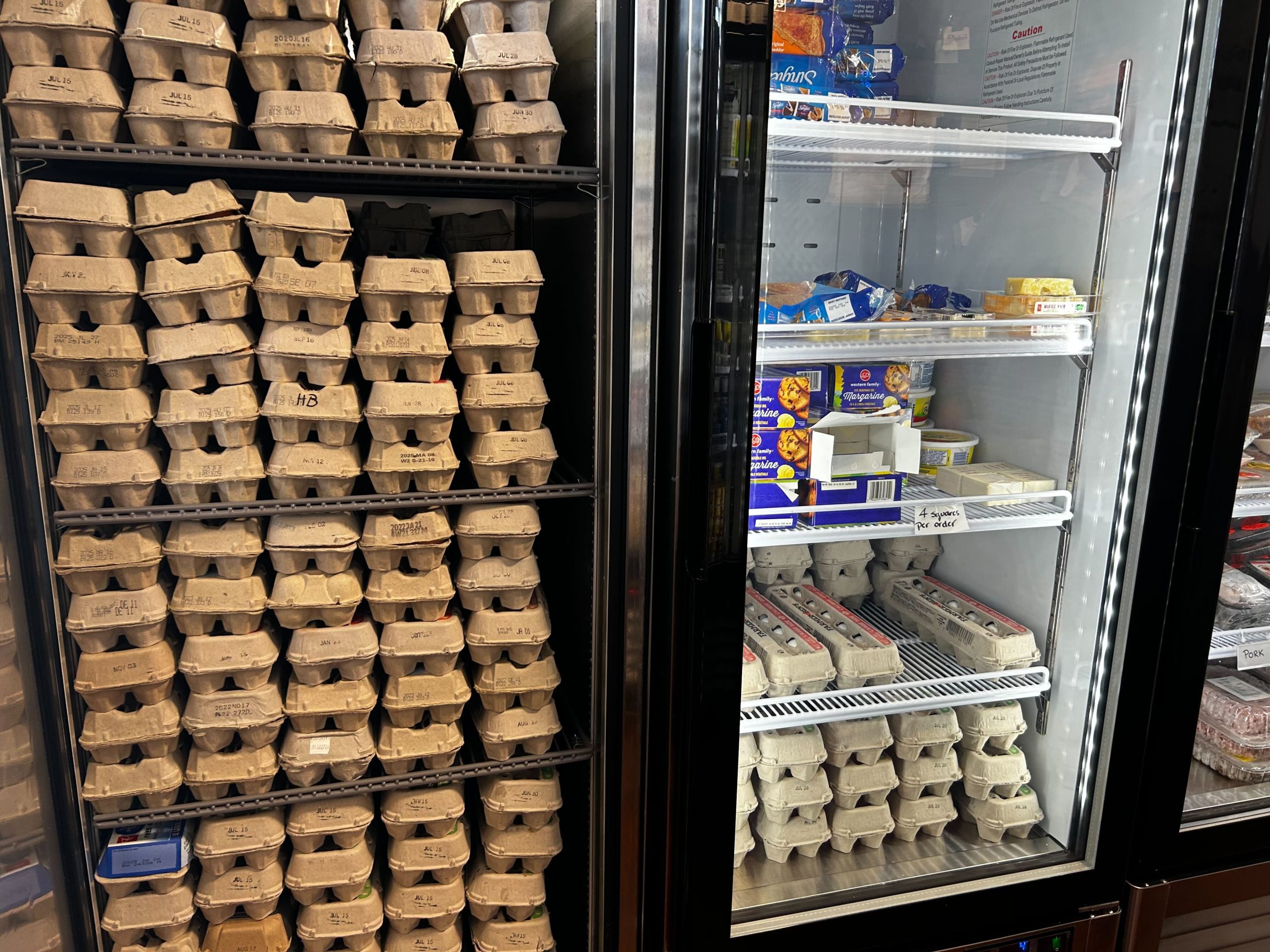
Currently, the society recovers about 13,500 kilograms of food per month. Wikkerink estimates that number will rise by an additional 9,000 kilograms when they take on the food recovery work formerly handled by the Cowichan Green Community.
He noted that some offerings had to be scaled back due to food shortages, including a fresh produce shelf in the dining room where people could take food after using the lunch program.
Most of the food recovered by the society will be used in hampers but some will be diverted to other programs tackling food insecurity.
Elsewhere in the Valley, Wikkerink said food banks such as the Chemainus Harvest House, Ladysmith Resource Centre Association and Lake Cowichan Food Bank will oversee redistribution of food in their local areas.
The timing for the food recovery program’s closure isn’t bad either, according to Wikkerink. The society moved into a new building on July 20, shifting its hamper packing operations from the basement of its original facility to a new, separate facility with more space and easier access for clients.
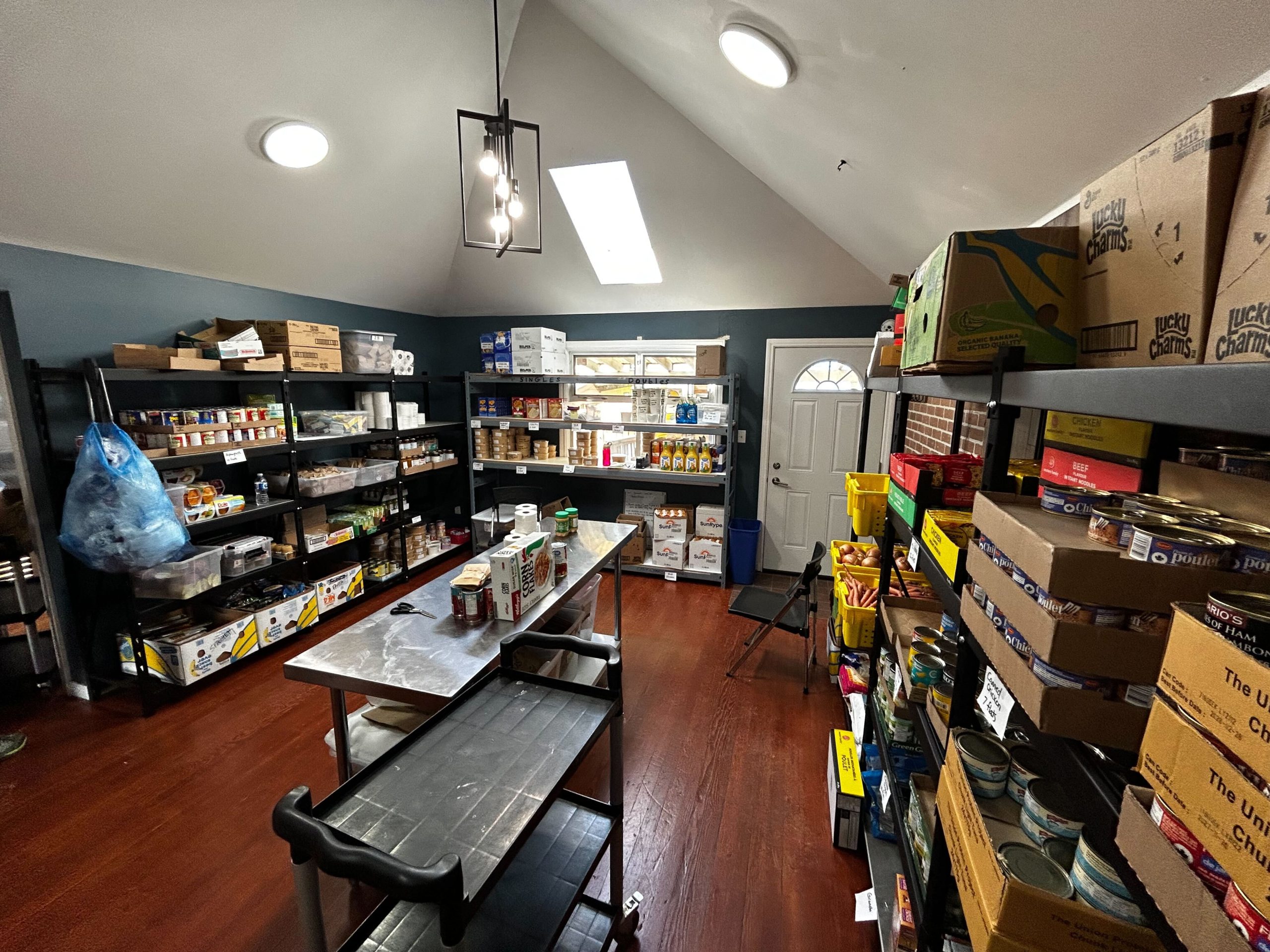
The basement will now be used for processing recovered food, with the long-term goal of relocating all food recovery operations into a purpose-built space behind the existing Basket Society building. The plan is to triage and process incoming food so it can be redistributed as fast as possible.
Fundraising for that expansion is ongoing, with the society having secured a pledge from a donor for $500,000, putting them halfway to their $1 million goal.
More government support needed to tackle food insecurity
A 2023 study published by Second Harvest found that more than one third of food charities were forced to turn people away that year. Of the 1,400 non-profit organizations interviewed, 70 per cent said they needed an additional $76,000 to meet the anticipated demand for 2024.
Second Harvest called on the federal government to resume its surplus food rescue program which launched in response to the COVID-19 pandemic and ended in March 2021. The program saw the federal government distribute $50 million to food security organizations like Second Harvest and Food Banks Canada to buy surplus food and deliver it to vulnerable and remote communities.
Outside of a few specific programs funded through the United Way to feed unhoused people, Wikkerink said the Basket Society doesn’t receive direct funding or support from the federal or provincial governments for food purchases.
On average, the Basket Society spends $250,000 a year on food. By purchasing products in bulk and those nearing expiry, the organization is able to stretch that amount to roughly $500,000 worth of food, according to Wikkerink.
Many community members also aren’t making enough money to make ends meet, increasing demand for food programs such as the ones offered by the Cowichan Valley Basket Society and Cowichan Green Community.
“There’s not enough government support,” he said. “Minimum wage is too low and welfare is too low, pensions are too low and rents are too high.”
The lack of affordable housing in the Cowichan Valley is another contributor to food insecurity, something Wikkerink said he sees play out every day at the food bank.
“They have to make a choice — either they pay hydro and rent, or they buy food,” he said.
Addressing issues at that scale would require broader advocacy, a role the Cowichan Green Community sees itself playing in regional food security conversations.
“Statistically, food insecurity is linked to economic inequity in our communities and as an organization, if we’re able to influence those areas that affect policy and governance, we can leverage our resources to have the greatest impact,” Daether said.
At the Basket Society, Wikkerink said the organization will continue to rely on community donations which allow the society to directly buy food and serve clients through both the hamper program and lunch service.
What did you think of this story?
Your feedback after we publish a story helps ensure we're always improving our reporting to better serve you
Author

Related Articles
DRIPA debated in B.C. election on Vancouver Island
The Conservative party of B.C. is promising to repeal the Declaration on the Rights of Indigenous Peoples Act (DRIPA), while other parties argue that would set back relations with First Nations and create economic uncertainty.
Where Cowichan region MLA candidates stand on water, old growth and reconciliation
MLA candidates in the three ridings that cover the Cowichan region answered questions from Discourse readers ahead of the Oct. 24 B.C. election.
Cowichan Valley’s guide to the 2026 B.C. election
What riding am I in? Who are the candidates? When do I vote? The B.C. election basics for Cowichan Valley residents.