
Volunteers prepare to ‘welcome the salmon home’ with annual Cowichan River cleanup
Annual river cleanup brings community together to protect watersheds and prepare for the salmon’s return.
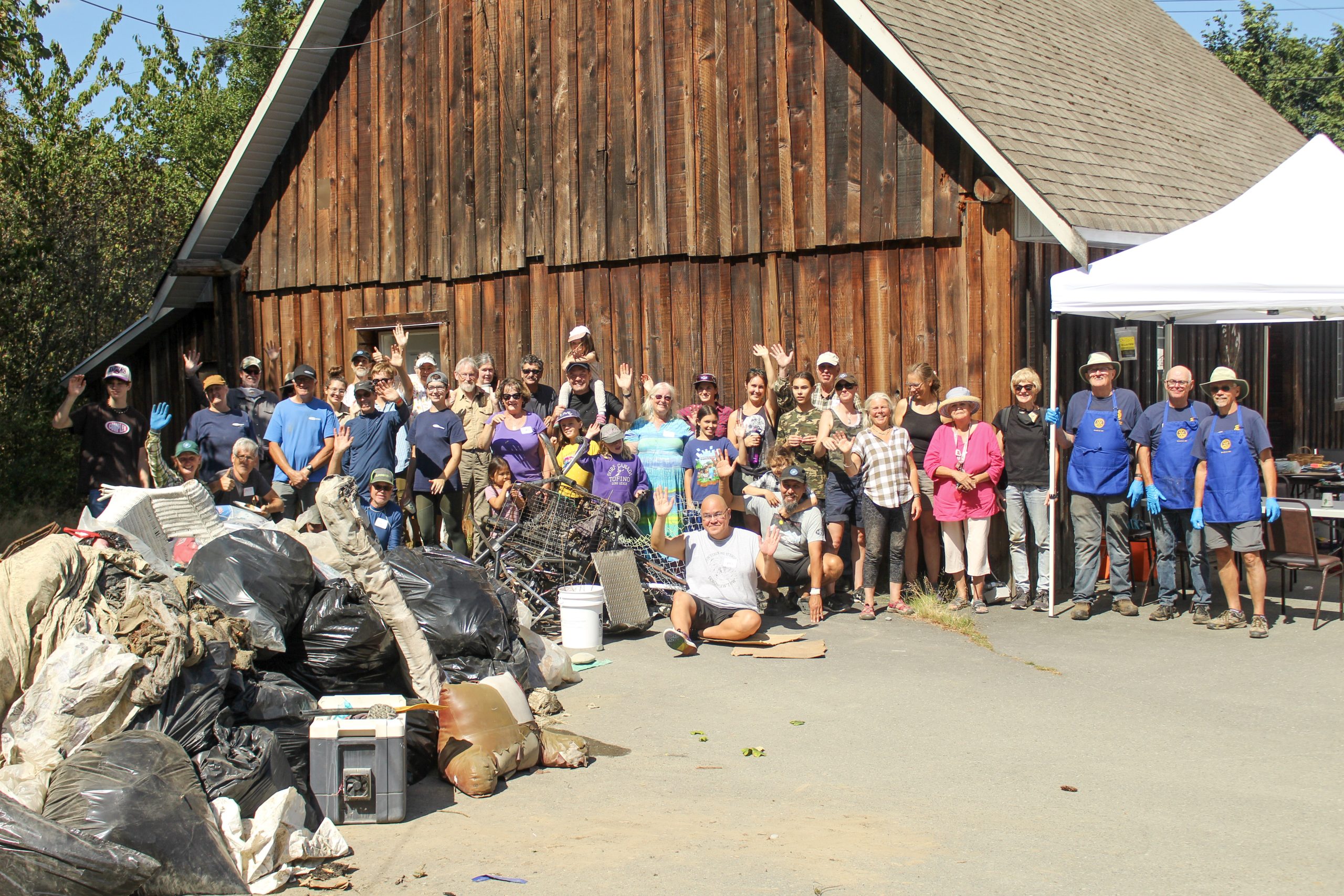
On Aug. 24, volunteers of all ages will gather on the banks of the Lower Quw’utsun Sta’lo’ (Cowichan River) to clean up trash, protect the waterway and help prepare for the return of salmon.
For 15 years, the annual Lower Cowichan River Cleanup has brought together community members to remove trash and care for the river together. The event is hosted by Cowichan Tribes, alongside the Cowichan Watershed Board and Cowichan Valley Regional District.
This year, the Cowichan Watershed Board is also partnering with the Cowichan Estuary Nature Centre, Somenos Marsh Wildlife Society and Koksilah Watershed Working Group to expand the cleanup area and highlight the interconnectedness of local watersheds.
The family-friendly event starts at 9:30 a.m. at the Si’em Lelum Gymnasium at 5574 River Rd. in Duncan. Volunteers will split up into teams covering areas ranging from the Cowichan Estuary to the Xwulqw’selu Sta’lo’ (Koksilah River) and the S’amunu (Somenos) watershed.
Organizers say a big focus is making the event intergenerational and accessible to families with young kids.
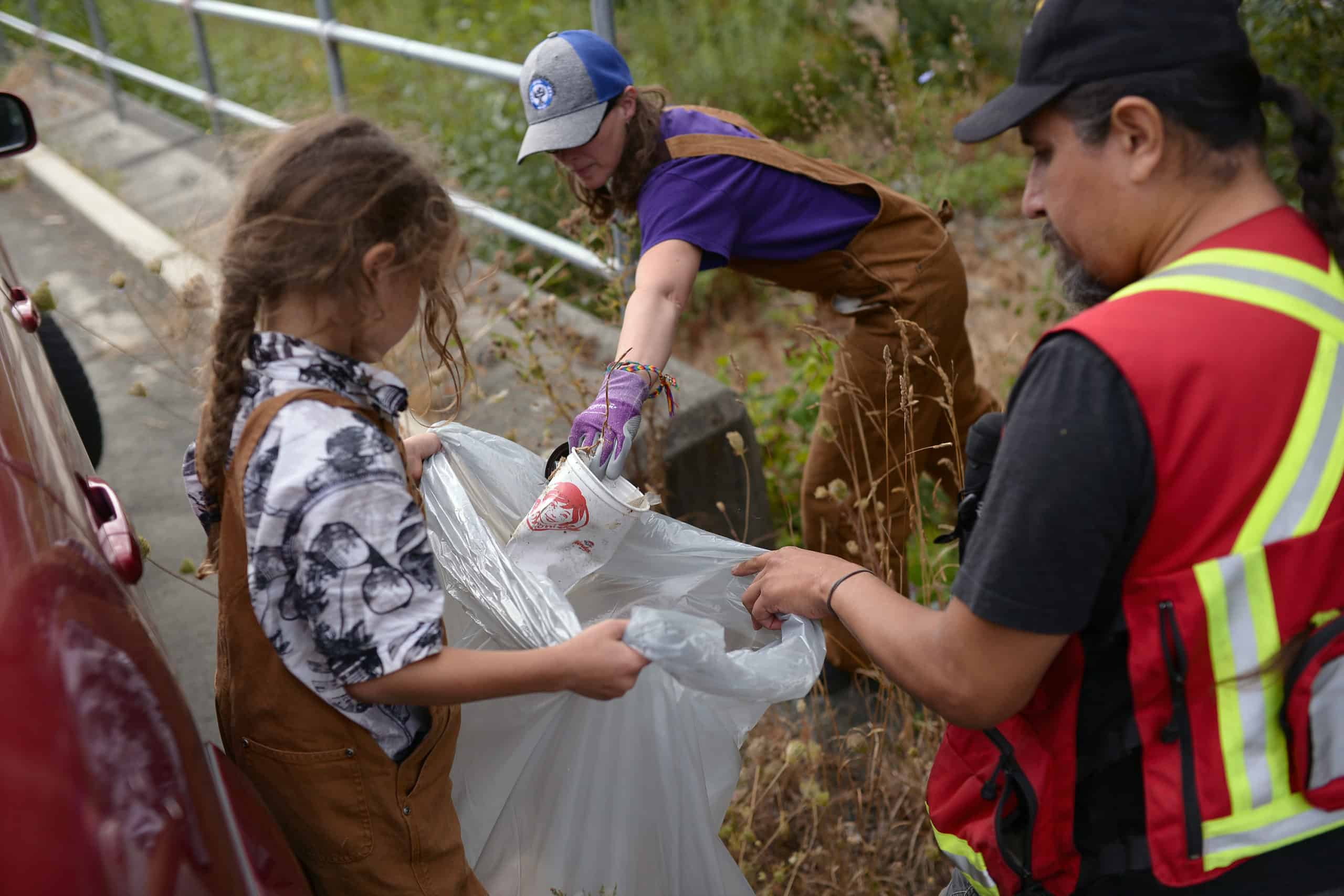
“It’s a great way to be introduced early to the idea that a cleanup is a caring thing to do,” river cleanup coordinator Katia Bannister told The Discourse. “Teaching that early to young people, I think, really shapes the trajectory of their values and lives.”
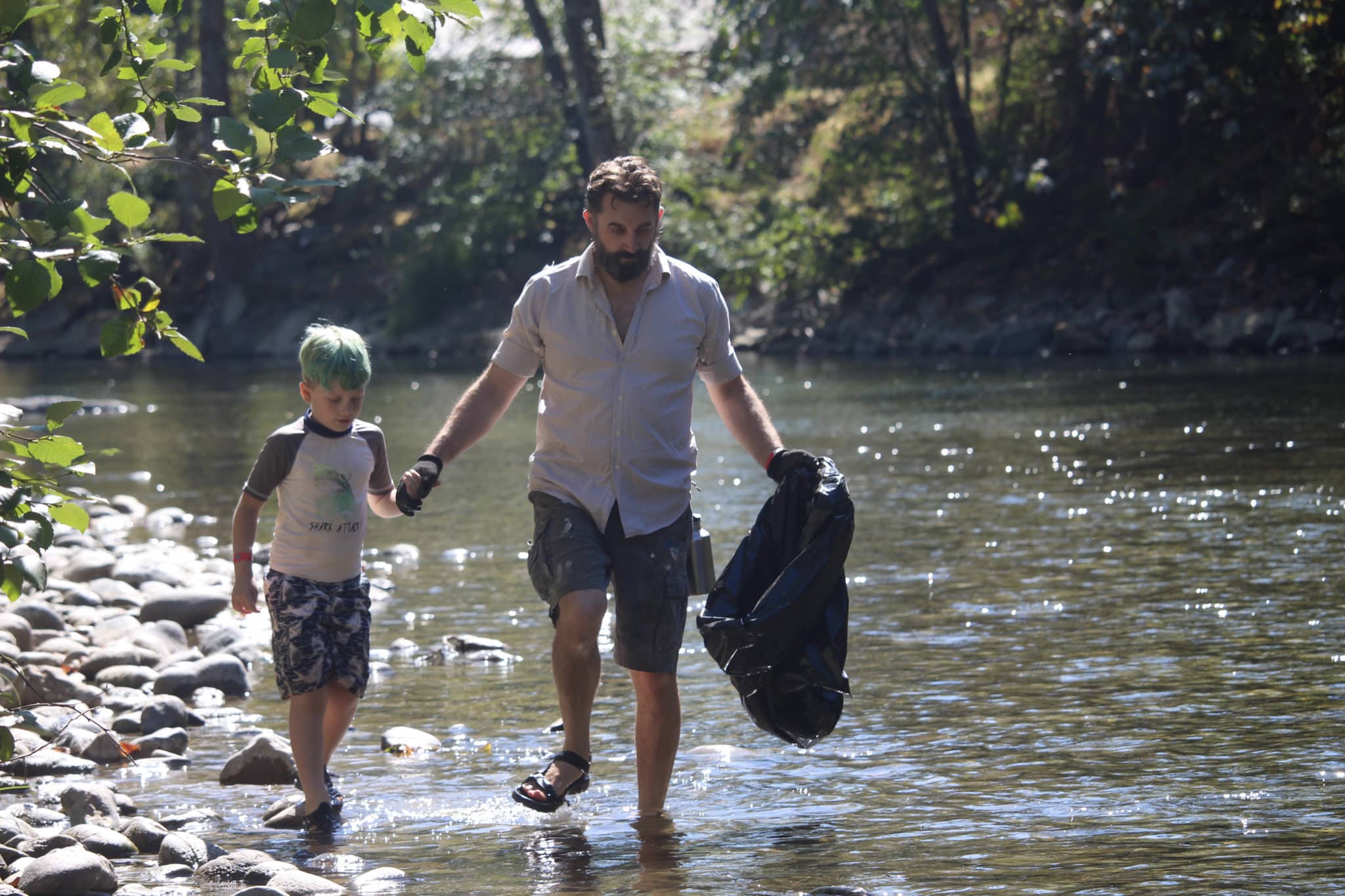
For many in the Valley, the Cowichan River is at the heart of summertime activities with many using the river for recreation and swimming, Bannister added. But by August, the river is also under the greatest stress from low flows and hot weather.
“Coming together at the end of the summer with all those good feelings and good memories from a summer with the river is a really special way to help the river get ready to welcome the salmon home in the fall, and express gratitude,” she said.
A foundation for future stewardship
Last year, the cleanup managed to haul 1,305 kilograms of waste out of the river, down from 1,825 kilograms the year before according to Bannister. While the total has dropped, she said the goal isn’t to see that number climb each year.

“If our cleanup efforts are making a difference for the watershed and helping to get more people invested in how we care for the watershed, and promote better practices around waste disposal and waste reduction, then maybe we should be picking up less and less garbage every year. And that’s a good thing,” she said.

Bannister added that while cleanups are not the ultimate solution to protecting the river, the event often acts as a gateway for people interested in learning about watershed governance and advocacy work happening in the Cowichan Valley.
A volunteer barbecue following the cleanup at noon will give participants a chance to connect with the many groups working to protect local watersheds.
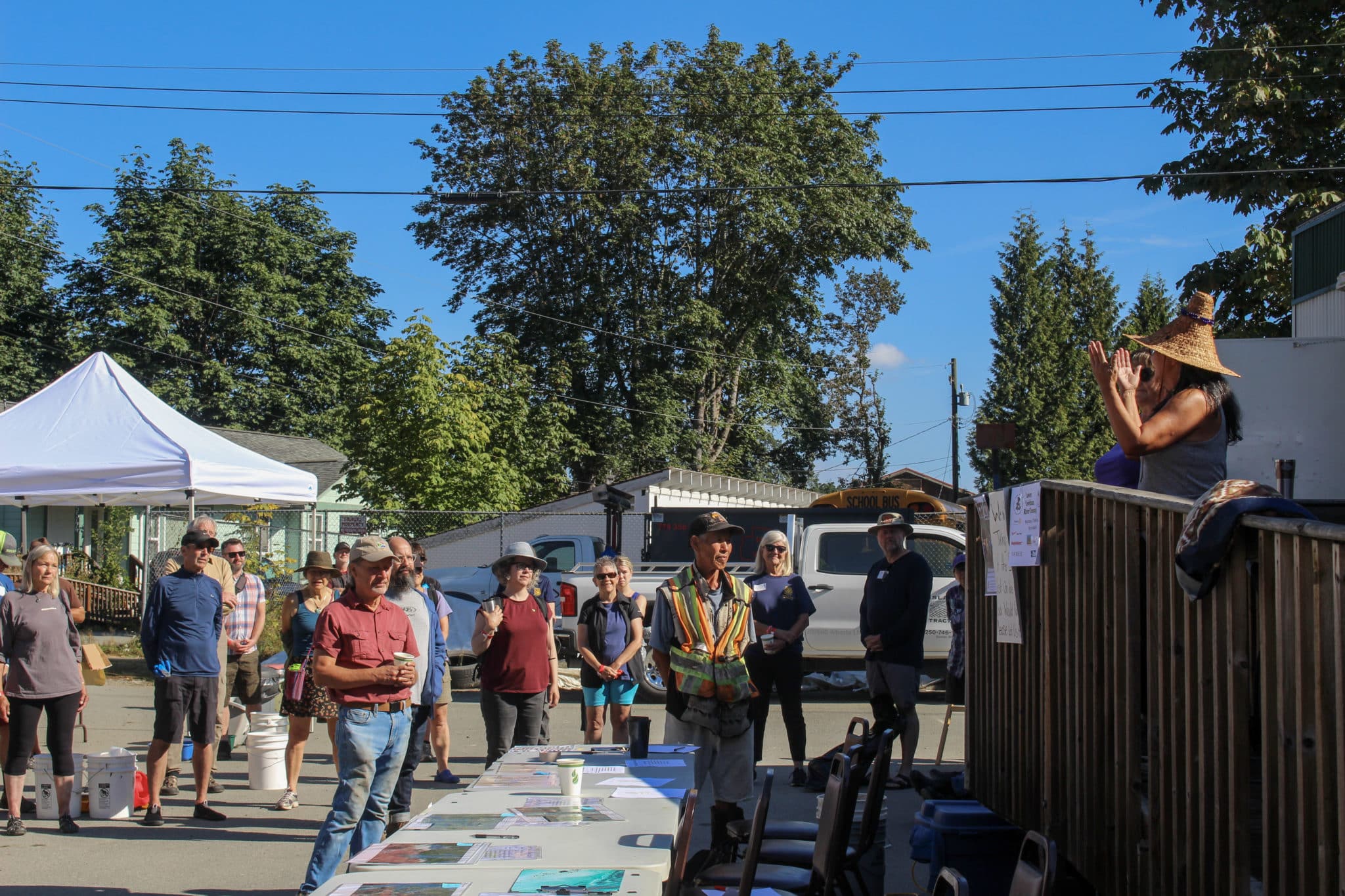
“There are all these connections that can come out of an action that’s ultimately pretty simple — you’re picking up pieces of garbage,” Bannister said. “But there’s a lot of ways to get connected to other people, to other groups, to other kinds of actions from that. It’s more powerful than some people think.”
Sierra Harvey, executive director of the Cowichan Estuary Nature Centre, said the Lower Cowichan River Cleanup is a chance for volunteers to directly connect with the land and the ecological stewardship community.
“These events are important to actually have your hands in the ground, doing something, feeling like there’s actually an impact that is tangible, that’s visible,” she said. Harvey added that events like the cleanup also give volunteers a chance to experience the river in new ways alongside people they might not otherwise meet.
Partnerships key to protecting connected watersheds
This year, the Cowichan Watershed Board is working with partner groups to expand the number of cleanup routes from the usual 12 to 16.
“These are folks who have spent a lot of time in the watershed and are particularly knowledgeable about these different spots,” Bannister said. “We would not be able to do nearly as much without the individuals and organizations that are volunteering their time.”
Bannister said these partnerships not only strengthen relationships, but also encourage people to think about how watersheds are connected. Everyone in the Cowichan Valley lives within a watershed and the region is covered by 18 watershed groupings, including the Koksilah River, Cowichan River, Shawnigan Creek and Chemainus River watersheds.
“Those are borders and boundaries that we’re not very aware of in our day-to-day life,” Bannister said.
Harvey will lead one team of volunteers cleaning a section of the river near the Cowichan estuary, where the Cowichan and Koksilah rivers meet before emptying into the ocean. She said the river cleanup is an important opportunity for local groups like the Cowichan Estuary Nature Centre to connect and collaborate.
“You see familiar faces and you get to connect with people that you haven’t seen in a while, and projects emerge from an event like this,” Harvey said. “It can be really empowering and inspiring.”
Rainfall brings some relief to watershed
Brian Houle, environment manager for Domtar (which owns the weir at Cowichan Lake), told the Cowichan Stewardship Roundtable via email that recent rainfall in August slowed the drop in water levels in the river and Cowichan Lake and could delay the need to pump water into the river by as much as eight days.
“This is the first time in my 15 years that when we really needed rainfall in the middle of dry season, that rainfall of substance arrived,” Houle said in the email. “Each week into September [that] we delay the use of pumps brings us closer to the next substantial rainfall event.”
He said water temperatures in the river are expected to remain lower as fall approaches.
Until then, young fry and other salmonids still face pressure from low flows and heat — made worse by trash collecting in the small pools the salmon rely on, Bannister said.
“Everything they have to deal with is more pressure on those tiny little bodies that don’t have a lot of places to hide,” she said.
It’s also crucial to remove waste before the fall rains return, Bannister said, which could wash the trash into the estuary and ocean, threatening salmon as they come home to spawn.
“That would be a particularly hard way to return to your ancestral river,” she said.
For more information on attending the river cleanup visit the Cowichan Watershed Board website. All community members are invited to attend.
What did you think of this story?
Your feedback after we publish a story helps ensure we're always improving our reporting to better serve you
Author

Related Articles
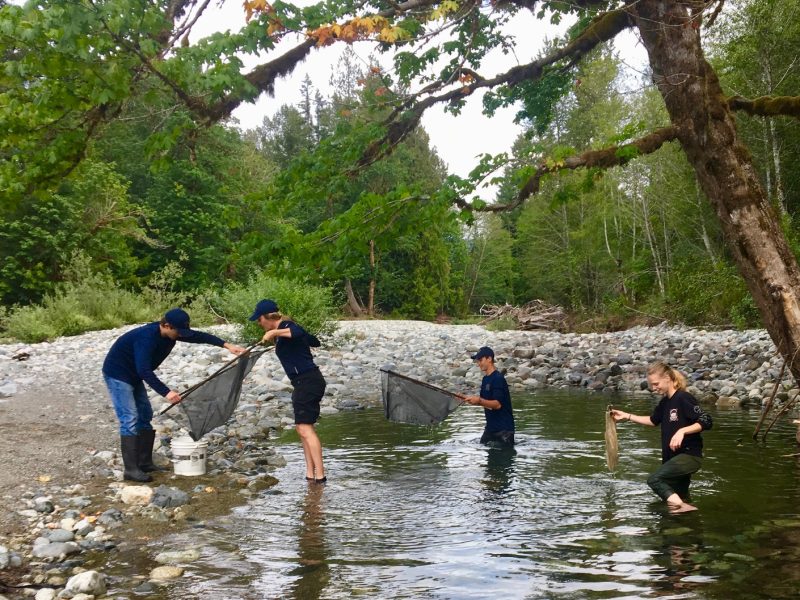
What to do and who to call when juvenile salmon are in danger
Officials say Cowichan Valley residents should call experts to move salmon in isolated pools because of risks associated with relocation.
How is The Discourse’s journalism funded?
And what does it cost to produce The Discourse’s in-depth, independent journalism?
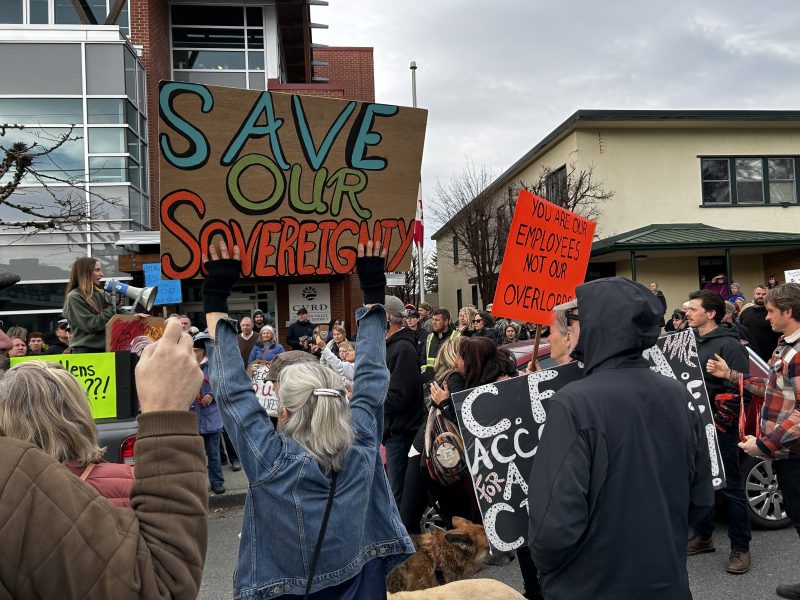
Behind the backlash to the Cowichan Valley’s comprehensive zoning bylaw
The campaign against Bylaw 4710 was fuelled, in part, by misinformation and an organized group of advocates. What could this mean for the future of local politics?