
Cowichan Valley film fest showcases renowned documentaries — local and global — to inform and inspire
Organizer highlights thought-provoking films and local talent to the valley’s movie lovers.
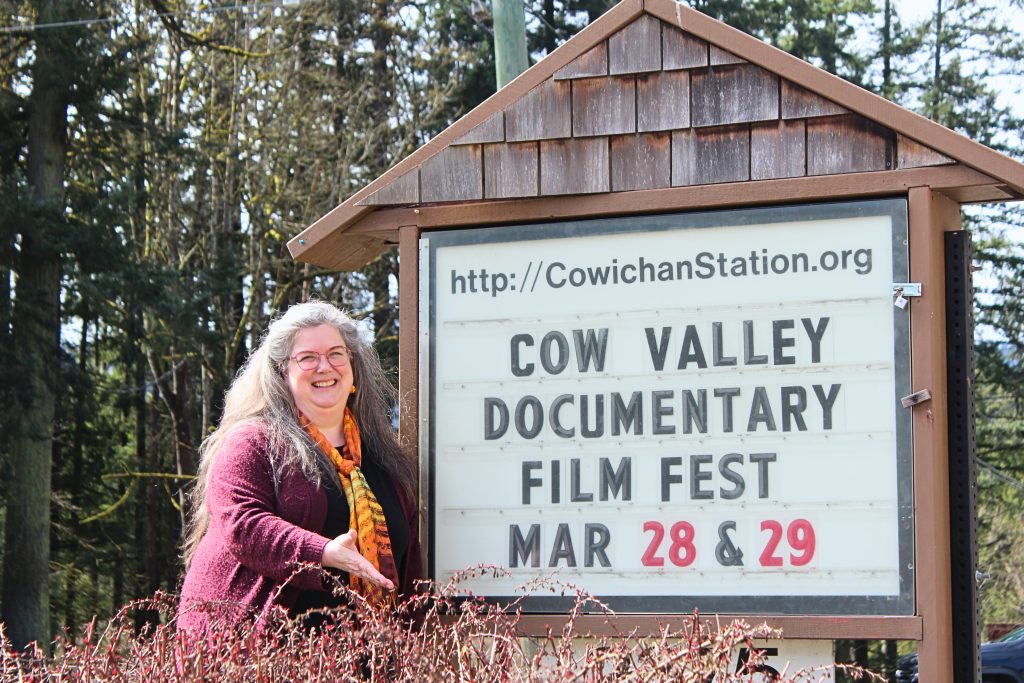
For Melanie Watson, films aren’t just entertainment.
They’re a way to bring people together and build a sense of community.
“I love curating films, and I love looking at all sorts of different films and seeing what’s out there, what’s coming,” she said. “And I’m often influenced, of course, by what’s going on in the world right now.”
Her idea for a local film club formed when she lived on a catamaran on the Thames River in London, England and screened films for the community aboard her boat.
“I really enjoyed that, and the feeling of bringing people together,” the festival organizer told The Discourse in an interview. “It was something that I missed when I came here. And I thought, ‘Why don’t I do this here in a different way?’”
After moving back home to the Cowichan Valley, she found the perfect place to host the club — The HUB at Cowichan Station — complete with a screen and a retro popcorn machine.
“The Hub was so welcoming to me,” she said, “and supported me making something here.”
Watson wanted to make the space feel welcoming to other movie buffs.
Community building is woven throughout Watson’s work with the Hub Film Club, which is volunteer-run and has all proceeds going back to The HUB at Cowichan Station.
Fast forward to today, and the club is gearing up to host its second annual Cowichan Valley Documentary Film Festival.
Watson says this year’s slate of films is heavily influenced by the world’s current events, and brings together a variety of perspectives on society, art and the environment.
For her, the “heavy hitter” in the roster is Sugarcane. The Oscar-nominated and multiple award-winning documentary investigates allegations of abuse and missing children from St. Joseph’s Mission in Williams Lake, B.C. — and the residential “school’s” impacts on the Williams Lake First Nation community.
The film’s director, Julian Brave NoiseCat, made history as the first North American Indigenous person nominated for their directing work at the Academy Awards.
Watson said Sugarcane is an amazing film — and an important one to watch — but warned that films like it on sensitive or traumatic subjects can be upsetting to watch.
“There’s obviously a lot of people locally who have experienced the impact of residential schools,” she said. “I don’t want to bring up any of that trauma.”
But she doesn’t want to shy away from such tough conversations, and hopes people will come to see the powerful film when it screens on March 29.
She said it’s important for audiences to “see people’s lives reflected in films,” especially ones that show experiences they may not realize were shared by others.
Bringing back a film festival to the valley
The Cowichan Documentary Film Festival began as a collaboration between Watson’s film club and the Cowichan Valley Film Society.
The society used to run the Traveling World Film Festival, but the event was cancelled due to COVID-19 and never returned to Cowichan.
Last year, Watson felt the Hub Film Club could fill the local gap.
So, she approached the film society to talk about launching a new documentary festival.
She said the pandemic was “so painful” for local film-fest organizers.
“They had all the films, everything was set to go,” Watson recalled. “And the day before they were gonna show, everything stopped.”
The original World Community Film Festival is still held in Courtenay, but its associated Cowichan event — which ran for six years — never happened again.
In the years since the pandemic began, there’s been a swelling of support for the film club, Watson said.
It now has more members than ever before, and she said she’s encouraged to see so many people supporting a local volunteer-run organization fundraising for The HUB at Cowichan Station.
Community building through film
Another of the films at the festival is An Unfinished Journey, being screened on opening night, March 28.
The documentary chronicles the struggles of four Afghan women trying to bring attention to the plight of women living in their country after the Taliban’s 2021 takeover.
Watson wanted the screening to include the actual voices of women from Afghanistan living in the Cowichan Valley, so she partnered with the Cowichan Intercultural Society to bring in two speakers to introduce the film and share their own stories.
Watson said pinning down an overarching theme for such a diverse event can be tough, but she curated films that show many different perspectives on society, past and present.
She said if someone sees all of this year’s films, they’re “going to have a much different perspective.”
Watson cast a wide net for films, but also wanted to include at least one film by a local filmmaker.
Last year, she showed A Cedar Is Life, directed and written by Quw’utsun filmmaker Harold Joe, which explores the cultural relationship between the cedar tree and West Coast First Nations.
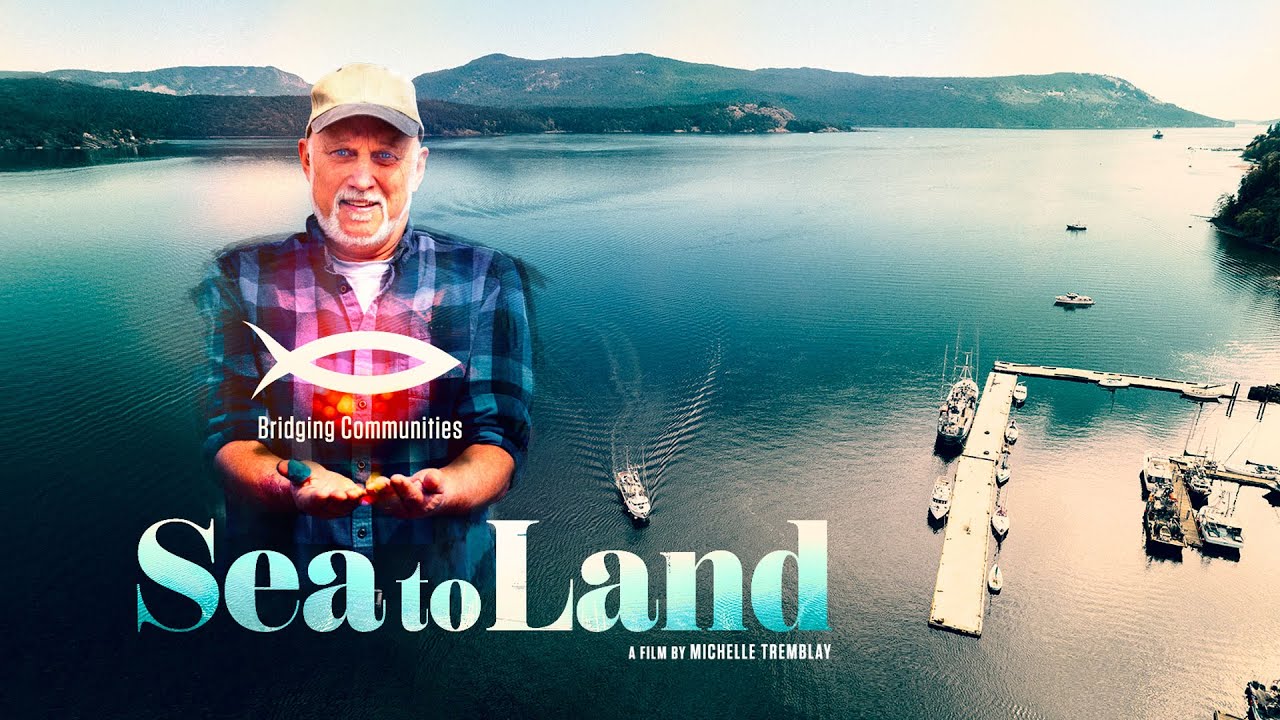
This year, she’s screening Sea to Land by Michelle Tremblay. In it, the Victoria filmmaker documented Cowichan Bay fisherman Guy Johnston over a whole fishing season as he runs an initiative that balances fishing economics with sustainability, fair wages and community.
Watson said there’s no shortage of great filmmakers in the Cowichan Valley, and she is always excited to hear from local talent looking for a place to screen their work.
Watson would like to partner for future events with the recently reopened Duncan Cinemas to expand the festival’s reach.
As a movie lover, Watson hopes the festival will remind people that the Island’s film community is flourishing, with other local festivals held on Salt Spring Island, in Nanaimo and in Victoria.
“We’re actually super rich in film festivals here on the Island,” she said, “but I don’t think a lot of people know how lucky we are.”
For a complete film festival schedule and to purchase tickets, visit the Hub Film Club’s Eventbrite web page.
What did you think of this story?
Your feedback after we publish a story helps ensure we're always improving our reporting to better serve you
Author
Related Articles
Cowichan SPCA calls for more foster volunteers as demand for space increases
As demand grows for animal shelter space, a team of volunteers and Cowichan SPCA staff are working to make sure animals find a place to call home.

Immigration partnership program aims to make the Cowichan Valley more welcoming to newcomers
A new federally funded partnership wants to understand what barriers immigrants face when they arrive in the Cowichan Valley.
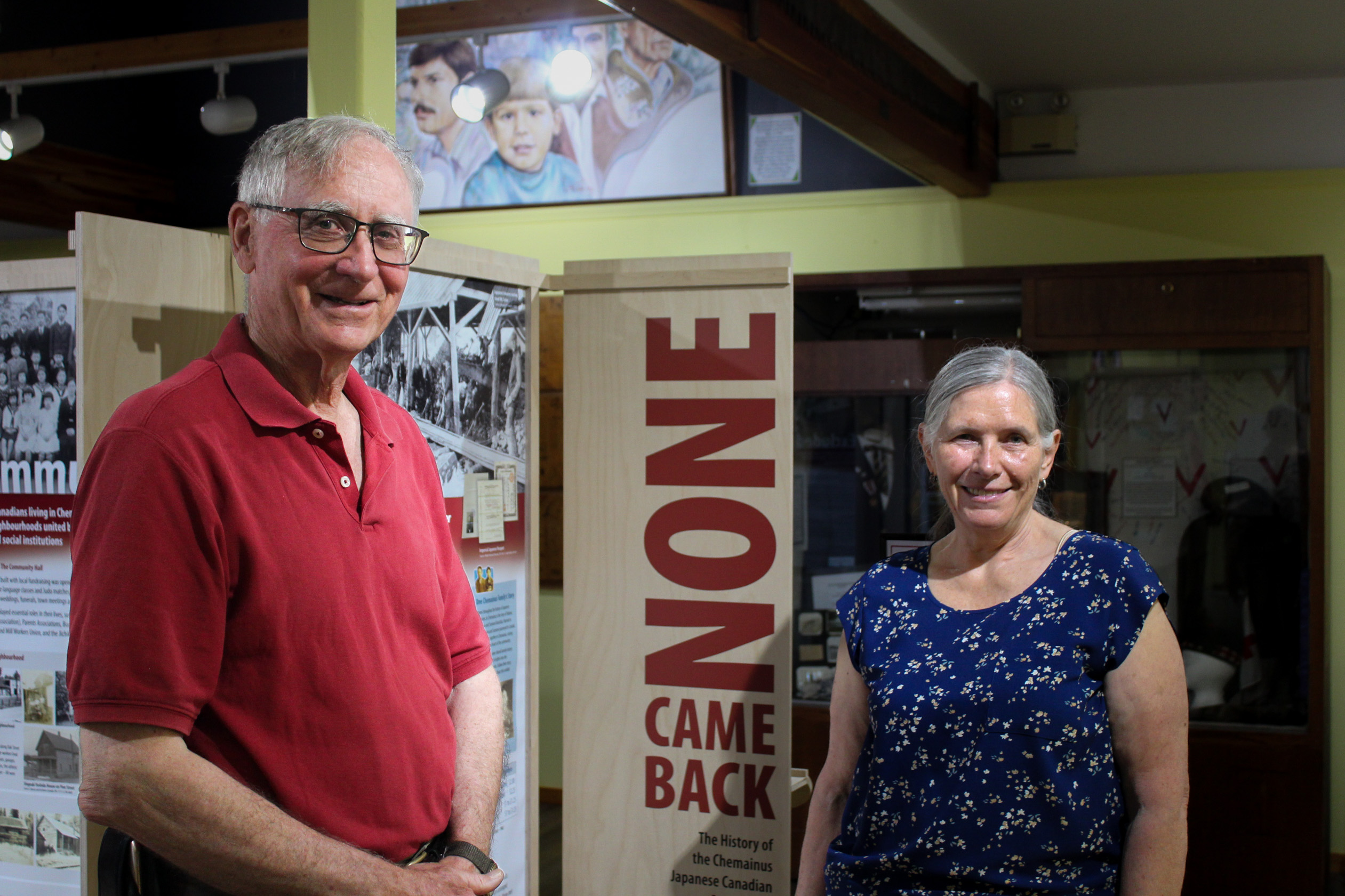
None Came Back: Documenting the untold stories of the Japanese community in Chemainus
New exhibit at Chemainus Valley Museum aims to highlight and give voice to the Japanese Canadian community that once lived in Chemainus.