
A stage among the orchards: Cowichan Valley Shakespeare Festival celebrates 15 years
The Cowichan Valley Shakespeare Festival marks 15 years of bringing The Bard’s work to life outdoors and making it approachable for all ages.
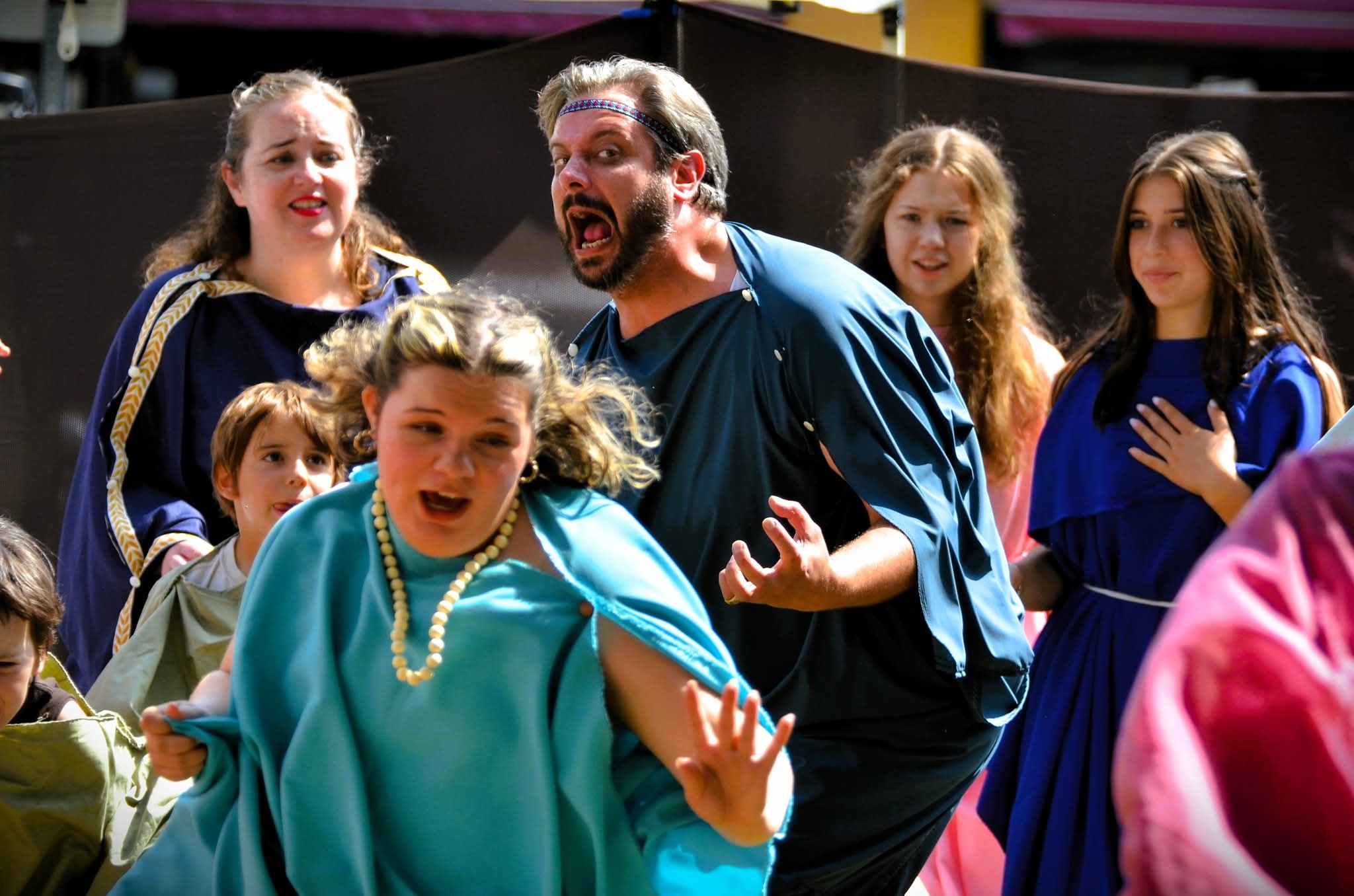
Alex Gallacher has been a part of the Cowichan Valley Shakespeare Festival, hosted by the Shawnigan Players, since its inception 15 years ago. He had the idea to perform a play he was directing outdoors, and was searching for a suitable venue.
As it so happened, Ben Verduin — the owner of Gem ‘O the Isle farm in Cowichan Station — shared Gallacher’s vision and agreed to let the Shawnigan Players construct a stage overlooking his orchard.
“As soon as I walked into the orchard I knew that this was the spot,” Gallacher said. “It’s a lot like Stratford in England, where Shakespeare grew up.”
With that, the festival was born and has been held annually at Gem ‘O the Isle, attracting nearly 1,500 people over the span of 10 days each summer.
For Gallacher and the rest of the Shawnigan Players community theatre group — which is also celebrating 50 years — the whole point of the festival is to make The Bard’s works more accessible for everyone.
The group has worked hard to keep ticket prices affordable for audiences and every year, the Players include every actor who auditions in the final play.
“One of the great things about community theatre and the Shakespeare Festival is that there will be all ages in the cast, from actors in their 80s, sometimes 90s, right down to very young children,” Gallacher said.
To date, the festival hasn’t repeated a single work of Shakespeare, opting to bring two new shows every year.
This year Gallacher is directing Taming of the Shrew, while Richard III will be directed by father-son duo and former festival actors Rob and Nima Foell.
Auditions took place over three days in February this year and saw around 60 people participate, ranging from experienced actors to total newcomers.
It was a great turnout compared to other years, according to current Shawnigan Players president Bill Levity.
Over the past few years Levity said he noticed a resurgence of interest in auditioning for the festival which he attributes to a broader move away from screen based entertainment.
“Certain people will stay stuck on their screens, but there’s a large number of people who recognize that they want to get out and do something and take part in something,” he said.
Shakespeare for all
Levity said the guiding principle of making theatre approachable also influences how the Players select productions. Rather than choosing a play and then finding a director, the group encourages directors to come to them with a production they are passionate about.
“Our model is to invite directors to come forward with a play that they’re already invested in. And then we sort of get behind it,” Levity said. “So in that sense you could say it’s director driven.”
Levity recalled that the festival’s youngest director, who was 16-years-old at the time, approached the Shawnigan Players to stage a production of Hamlet at Francis Kelsey Secondary School.
In a fitting change this year, there are multiple speaking roles for children in each production for the first time in the festival’s history.
Gallacher said including children in productions has been a focus for the festival, and giving kids a chance to participate has many benefits.
“They get to see that Shakespeare is not something dry that you read aloud in Grade 11 and fall asleep to. It’s something exciting. It’s filled with slapstick and sword fights,” he said. “And some of those kids who may have had their first appearance on stage 10 years ago when they were 12 are now starring in adult roles, which is awesome.”
Children have been an integral part of the festival since its inception, according to Gallacher. The principle the Shawnigan Players follows is that everyone who auditions, including children, will be given a role on stage.
This involves utilising roles already written in Shakespeare’s plays for kids, or inventing parts to ensure their full involvement. Gallacher recalled one year where he created the role of “Jupiter’s minions” for children to depict in the play Cymbeline.
Gallacher said one of the things that sets community theatre apart from other productions is the age range it brings together. From auditions to rehearsals, actors ranging in their 80s or 90s to young children all work toward a common goal.
“They get to see how everyone pulls together to bring a really meaningful event to the community, to the audience,” he said.
During rehearsals, Gallacher said he often asks actors whether the situations playing out on stage would feel familiar today, whether someone would feel the same way now if they were in a relationship, or facing the same circumstances as the characters in Shakespeare’s works.
“They are completely universal for audiences,” he said. “You’re not watching some sort of historical piece — you’re watching a show that has relevance to your life.”
50 years of connecting the community
The Shawnigan Players was founded in 1977 with a dramatic reading of Under Milk Wood at the old Shawnigan Lake Community Hall according to Levity, who has been with the organization for 38 years.
Next year marks the 50th anniversary of that performance and the creation of the Shawnigan Players.
To celebrate, the Shawnigan Players plans to bring together former members and the public for workshops, skits and presentations on the group’s history.
Levity said he sees all community theatre in the Cowichan Valley as a gathering point for amateur arts in the region, bringing together writers, musicians and actors to support each other.
“That’s part of the richness of amateur arts, there is a lot of overlap between theatre and original writing and poetry and music,” he said.
Levity hopes that in the coming years the Players will continue to create approachable theatre for audiences in the Cowichan Valley.
“I think community theatre is a really connective thing. It sort of creates a family each time you do perform,” he said. “When you witness something like a play or you take part in it, it’s helping your spirit grow.”
Tickets for the festival can be purchased through the Shawnigan Players website or in-person at Ten Old Books in Duncan starting in May.
What did you think of this story?
Your feedback after we publish a story helps ensure we're always improving our reporting to better serve you
Author

Related Articles
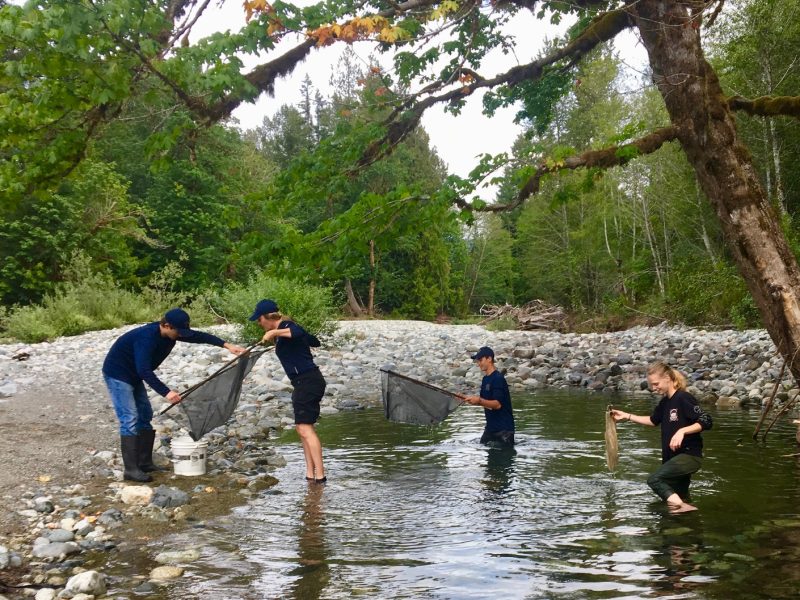
What to do and who to call when juvenile salmon are in danger
Officials say Cowichan Valley residents should call experts to move salmon in isolated pools because of risks associated with relocation.
How is The Discourse’s journalism funded?
And what does it cost to produce The Discourse’s in-depth, independent journalism?
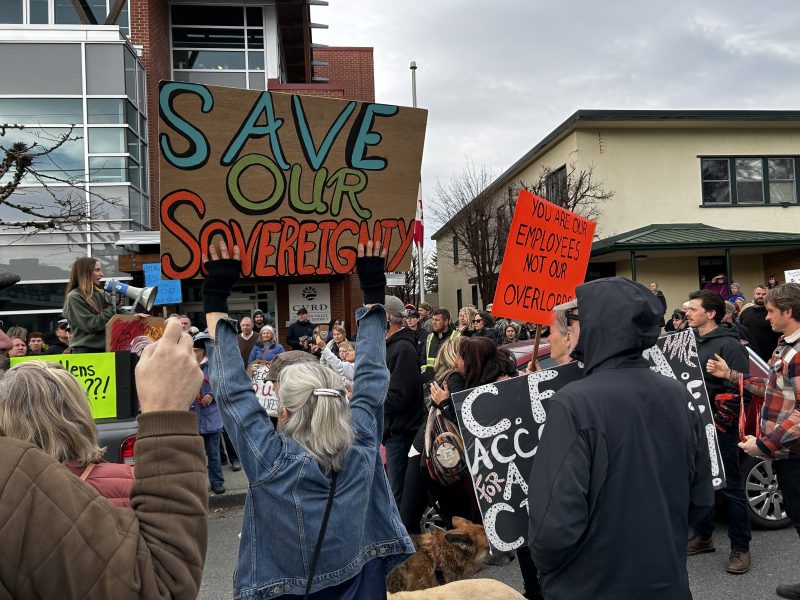
Behind the backlash to the Cowichan Valley’s comprehensive zoning bylaw
The campaign against Bylaw 4710 was fuelled, in part, by misinformation and an organized group of advocates. What could this mean for the future of local politics?