The Cowichan Valley was once known as a major food basket on Vancouver Island, due in-part to the region’s moderate climate and long growing season compared to other places in Canada. But today, local experts say food production and food security in the Cowichan Valley has been greatly impacted by external factors, such as the rising cost of land, an aging generation of farmers, increased government regulations, water shortages, development and more.
These mounting pressures on local agriculture are leading to gaps in local food systems, which are being noticed even more as consumers attempt to buy Canadian products and boycott American goods in the face of tariffs and an ongoing trade war between Canada and the U.S.
But it isn’t all bad news. This renewed focus on buying local and supporting local food security can be harnessed for the benefit of the community, and organizations in the Cowichan Valley are hoping to do just that.

The Cowichan Agriculture Society and Farming Institute — a 150-year-old organization that is currently led by chair Nick Neisingh of Tatlo Road Farm — is working to rebuild the Cowichan region’s farming community by creating a space for new and established farmers to gather, exchange ideas, support each other and combat issues that disproportionately impact food producers, such as climate change-related drought and weather events.
The Cowichan Green Community is also stepping up to support regional food security. The group is helping to strengthen the local food system by constructing a new commercial food processing space that will be available to the community, keeping locally grown products in the Valley and sparking interest in food security among younger generations.
“Ultimately, what we’re trying to achieve is a sense of community amongst all the farmers in the Valley or anybody who’s engaged in agricultural production, whatever shape and form that takes,” Neisingh said.
Local agriculture in decline
The Cowichan Valley has a long history as a hub for western agriculture and farming in the 20th century, and was even home to the first dairy co-operative west of Ontario, founded in 1895.
But conversations of declining agriculture operations on Vancouver Island are nothing new. A 2014 report by the Cowichan Valley Regional District found that in the 1960s, Vancouver Island produced about 90 per cent of the food it consumed. The report also highlighted a 40 per cent decline in the total area of land farmed in Cowichan in 20 years and an increase in the percentage of imported food, from 10 per cent to over 80 per cent.
Neisingh said current land prices are a significant barrier to entry into the agriculture industry for new farmers and represent a crisis that has persisted since 2010. While training to be a farmer, he noted that about 80 per cent of his cohort either left B.C. for more affordable provinces to purchase land in, like Nova Scotia, or gave up farming altogether.
He said property values are often based on their real estate value, which is fueled by speculation, developers and wealthy buyers from urban areas who “don’t care if the soils are good and you can grow great vegetables, because that’s not what they’re going to do.”
Farmers trying to buy the land to grow vegetables simply can’t compete.
“That’s a totally different price point,” he said.
“We’re losing veg producers, and we’re not getting new ones — specifically because land prices are disconnected from the productive value that you can generate from a piece of property,” he said.
Neisingh believes there’s no shortage of demand for large-scale vegetable growers in the Cowichan Valley. He estimates the region could support five to 10 farms in the local market operating at $150,000 thousand in gross annual revenue.
“They’re not here now. They were here 10 years ago when we started and as far as I can tell, they’re almost all gone,” Neisingh said.
Local food access and production needed to create food security
The decline in agriculture is impacting food security as well, according to a report from Cowichan Green Community that says Vancouver Island “continues to lose food production quota to the mainland” with many community members lacking access to healthy food on a daily basis.
“Like the rest of Vancouver Island, 80 to 90 per cent of our food is directly dependent on oil inputs for long-distance transport via truck and ferry, and a mere two to three days worth of food is stockpiled in case of crisis,” the report says. “In short, Cowichan’s food system is both environmentally unsustainable and extremely vulnerable to rising oil prices, climate change and emergency situations.”
Food security as a whole means that all members of a community can access nutritious, safe, sustainable and culturally appropriate food at all times, according to Cowichan Green Community. But pressures on food security are being felt across Canada, and the Cowichan Valley isn’t immune.
This month, the Cowichan Valley Basket Society reported a 20 per cent increase in the number of food hampers distributed compared to the previous year — rising to 7,510 from 5,735.
Nationwide, Food Banks Canada recorded over 2 million visits to food banks in 2024.

“The cost of food — particularly with the tariff situation — has increased costs and community members are feeling that,” Vanessa Daether, executive director of Cowichan Green Community, said in an interview. “They’re having to make really hard choices — housing or food. Those are heartbreaking circumstances, and we’re seeing those vulnerabilities and risks throughout our community.”
Daether said working with local farmers to support their role in the regional food economy is an often overlooked part of food security. While increasing access to food is important, she added that supporting the farms that produce it locally is just as vital.
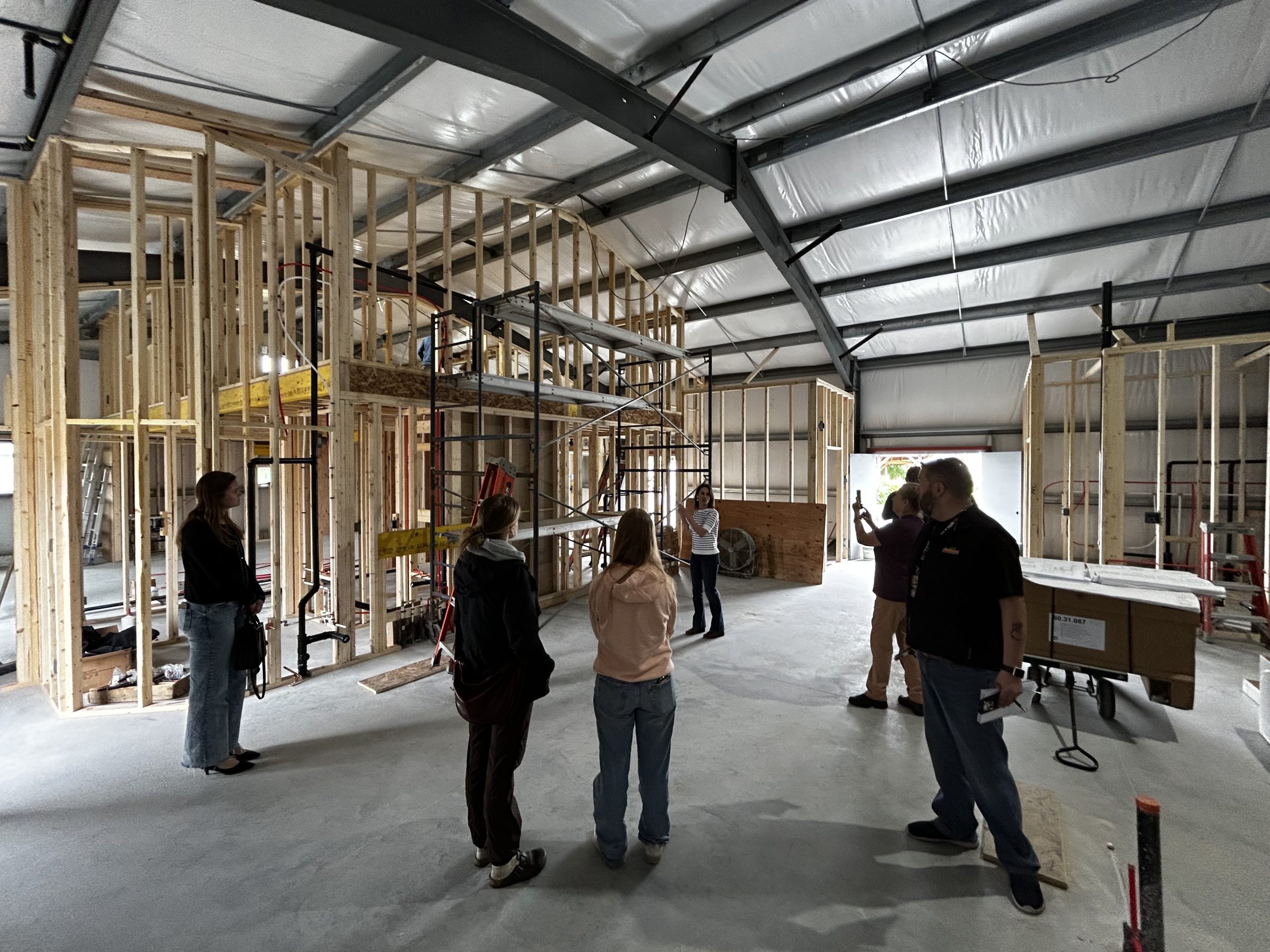
One way the group plans to do this is by constructing a new warehouse and commercial kitchen on Beverly Street. The facility will provide local farmers and entrepreneurs who make value-added products from locally grown food with access to a space that meets health and food handling regulations. Daether said there are already 15 partners from the community who are interested in using the kitchen, which is expected to open in the fall.
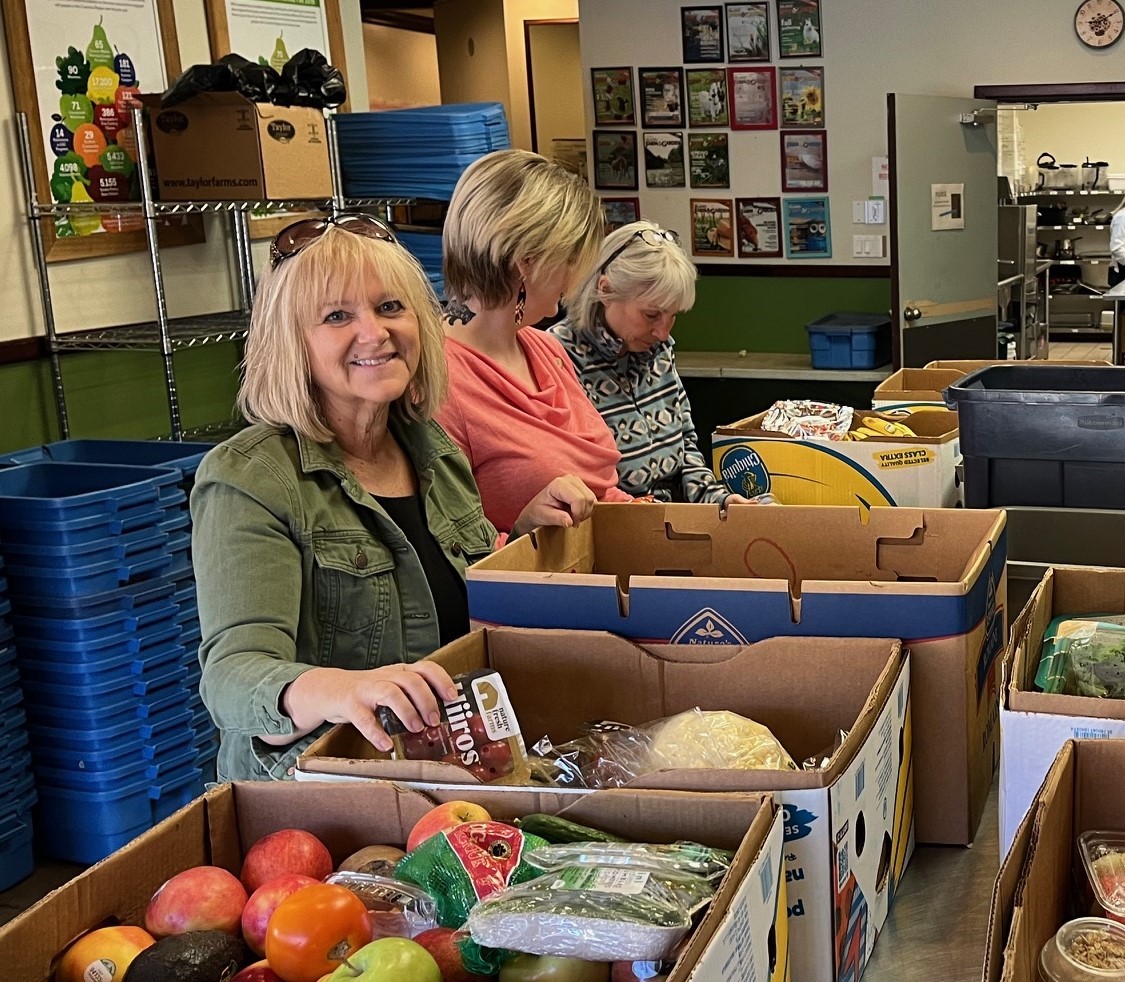
“We need to be able to not only access the food — we need to be able to produce it,” she said.
From decline to growth
Since its inception in 1868, the Cowichan Agriculture Society has reinvented itself to fit the needs of its members, Neisingh told The Discourse, maintaining anywhere between 20 to 25 members.
But over the decades, the group’s limited volunteer capacity was largely consumed with maintaining its deteriorating building near Vancouver Island University — a situation which Neisingh described as a “downward spiral.”
With most of the organization’s energy focused on upkeep and repairs, there was little time left to host events or do outreach in the community, reducing the group’s presence and impact. That, in turn, led to declining interest and shrinking membership, making the cycle harder to break.
“I remember running an AGM where we barely had a quorum. I think there were nine of us,” he said. “It was pretty grim.”
Last year, the organization sold its building to the Clements Centre Society to free up time and resources for planning events and identifying the needs of its members.
Money from the sale of the building, along with a grant from the Municipality of North Cowichan that the society used to hire an event coordinator, has helped the organization reverse its decline. According to Neisingh, membership has since doubled, with more than 50 people joining this year.
“So there’s more volunteer capacity and my hope is that we’re on the upward version of what we saw over the last couple decades,” he said.
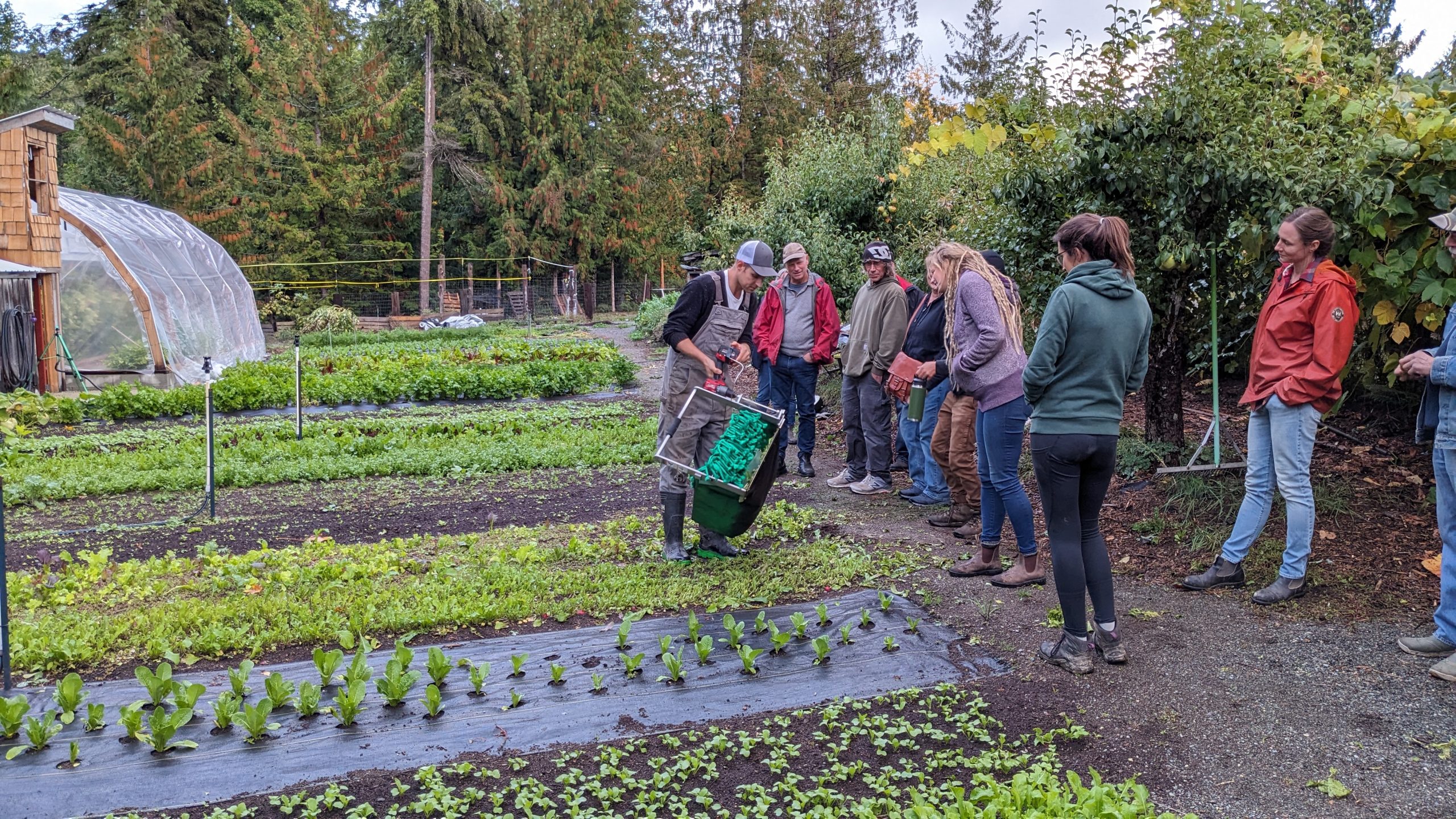
Driving the revitalization of the society are farmers such as John Morton, owner and operator of Annie’s Family Farm. A first-generation farmer who moved to the Cowichan Valley last winter, he said he got into farming as a way to contribute to local food production and connect with the land.
“There’s a lot of people talking about food security, and with what’s happening in the U.S. and the tariffs. All of a sudden, there’s this huge focus on local sustainability and food infrastructure,” Morton said.
The organization has been a major help as he and his partner Telia worked to get their foot in the door while holding full-time jobs, Morton said, connecting them with experienced mentors, taking them on tours of other farms to learn specialized knowledge and introducing them to the farming community in the Cowichan Valley.
“I just feel like we get so much out of it because we have the most to learn. We’re like empty glasses, and we get to absorb so much knowledge at every meeting,” he said.
More established farmers benefit from the society as well, Morton added. He said the organization does a lot of advocacy work and pointed to a previous meeting he attended that focused on the challenges farms are facing as they try to obtain water licenses from the province amidst new restrictions.
“It’s been kind of crazy how supportive everyone’s been and it’s just been really humbling. We feel really lucky to have been directed to this organization,” he said.
Building a foundation for future farmers
Neisingh said he doesn’t have a crystal ball to tell him what challenges farmers may face in the coming decades, but he hopes that the society will serve as a framework that brings farmers together to share ideas, exchange knowledge across disciplines and support younger farmers to enter the industry.
“The [society] has a role to play in making those connections between folks who’ve been farming land for generations, and young folks who want to get into the industry,” he said.
He also believes the organization could one day play a more direct role in helping farmers get started in the Valley, potentially through a land trust — similar to one that exists in Maine — that purchases land from retiring farmers and leases it out at more affordable prices.
For now, Neisingh wants to ensure the society can sustain itself and provide value to local farmers by attracting new members and welcoming back former ones, ultimately strengthening the local agriculture economy and benefiting the wider community.
“People in the community have expressed interest in being more resilient in the face of the changing climate and trade conditions. Our contribution as food producers in the valley would be to continue doing what we do and do it better,” Neisingh said.
The Cowichan Agriculture Society has recently added an associate membership available to anyone from the general public who wants to support the organization and receive its newsletter — a move Neisingh hopes will help educate the general public on challenges farmers are facing.
Those interested in joining the Cowichan Agricultural Society and Farming Institute as a member, or associate member can contact secretary@cowichanagriculturalsociety.org.
What did you think of this story?
Your feedback after we publish a story helps ensure we're always improving our reporting to better serve you