
New youth emergency shelter sees positive reception in Duncan, as operators look to the future
A month after opening, youth workers say facility is just the first step to expanding supports for at-risk young people in the Cowichan Valley
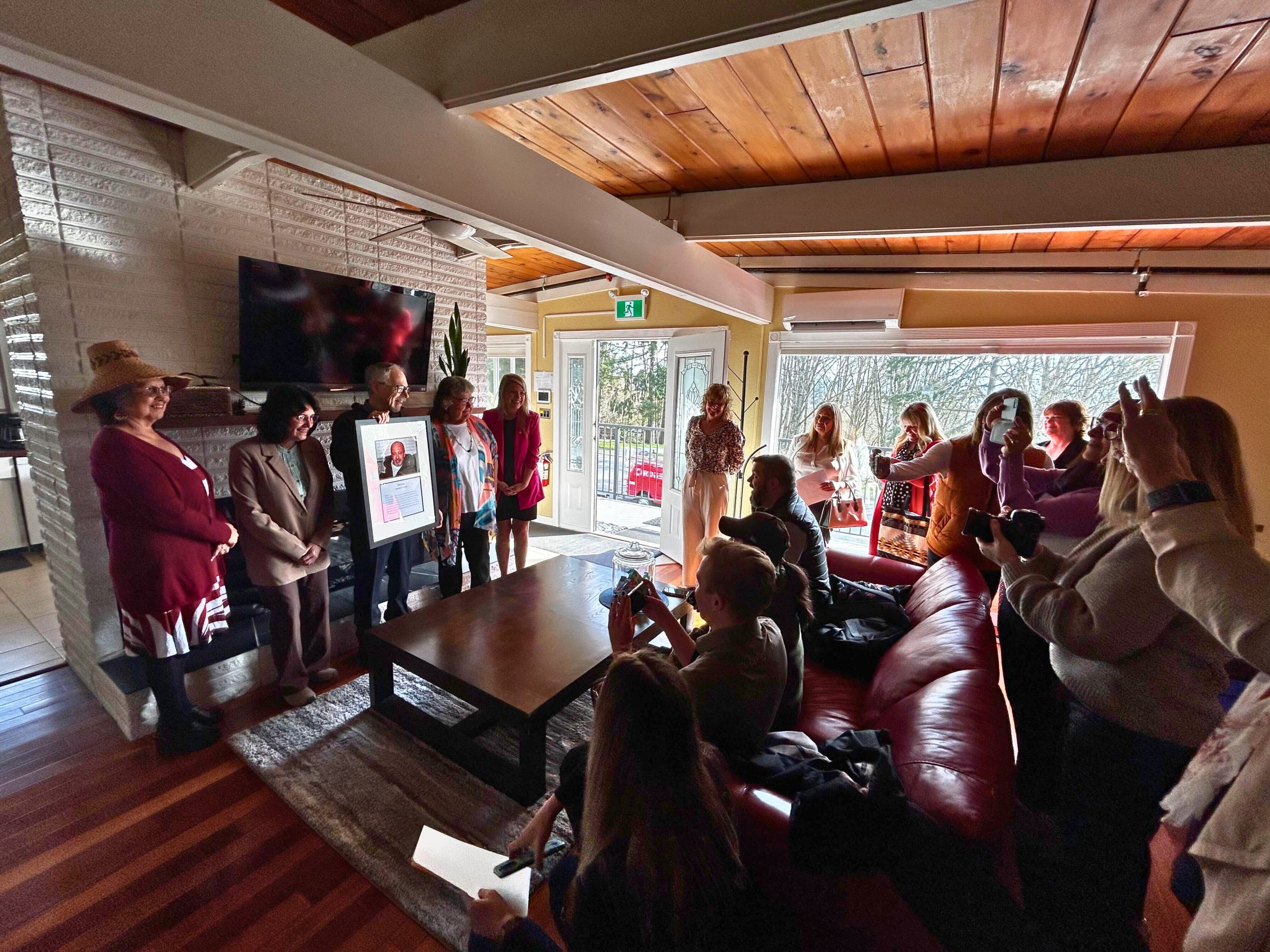
People driving along Duncan’s Hemlock Avenue probably won’t notice any difference between a new at-risk youth shelter and the other houses in the residential neighbourhood.
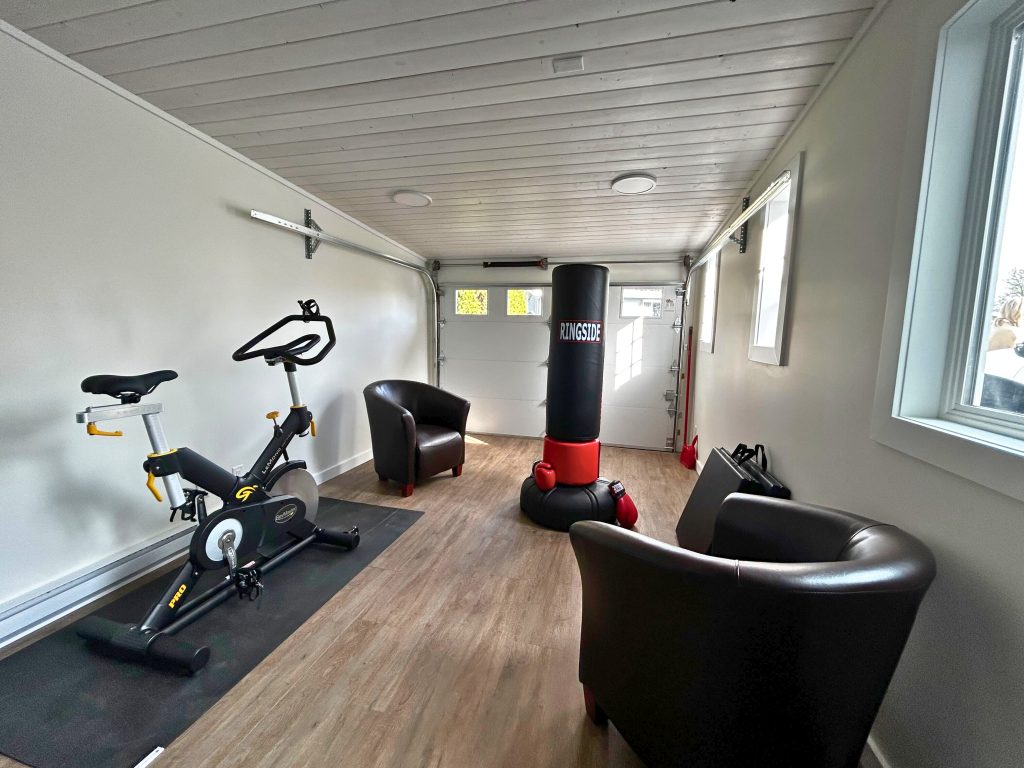
Nearly a month after its official opening event, Mischa Lelum seems like many other three-bedroom homes: boasting a full kitchen, a cozy living room, private bedrooms, a gym, and a backyard to relax in.
The three-bed shelter opened April 4 and provides all-hours wraparound services for 15-18 year olds in crisis or at risk of harm or homelessness.
The facility soon plans to offer them a place to stay for up to two weeks, but right now youth can drop in and use the kitchen, relax, and connect with services they need.
Within weeks of opening, staff told the Discourse there’s already a “core group” of kids regularly stopping by Mischa Lelum in daytime — and they anticipate more will make use of the facility’s services as word spreads.
Run by the Canadian Mental Health Association (CMHA) Cowichan Valley branch, the Mischa Lelum shelter is the second of its kind to open in the province, following a similar model launched in Maple Ridge two years ago.
B.C.’s Ministry of Children and Family Development — with the since-shuttered Ministry of Mental Health and Addictions — announced plans for a Duncan youth shelter last June, as a two-year pilot project.
Until now, homeless youth in the Cowichan Valley often had no choice but to stay at Warmland Shelter, which is mostly geared towards adults and isn’t equipped to handle kids, explained Lise Haddock, executive director of the CMHA Cowichan Valley branch.
“I’ve been in child welfare for a long time,” she said, “and it has been such a gift to open yet another door for youth in the community.”

While most of the shelter’s $4 million funding came from the province, the Mischa Weisz Foundation paid off the mortgage for the house, and bought a van for youth outreach in Duncan and its surrounding areas.
Guido Weisz, co-director of the foundation, said everyone deserves a home — and hopes young people can use Mischa Lelum as a first step to becoming independent members of their community.
“It’s a really important step,” Weisz said. “We’re helping them and getting them the services they need.”
The shelter is named after Weisz’s late brother, Mischa, who created the foundation to help youth at risk.







Earning trust and awareness in Mischa Lelum’s early days
Kids are already starting to drop by in the first few weeks of the shelter’s opening, Haddock told The Discourse in an interview.
Formal day programming isn’t implemented yet — while staff wait for feedback from the kids themselves on what they want — but eventually activities at the shelter will be directed by the youth who use it.
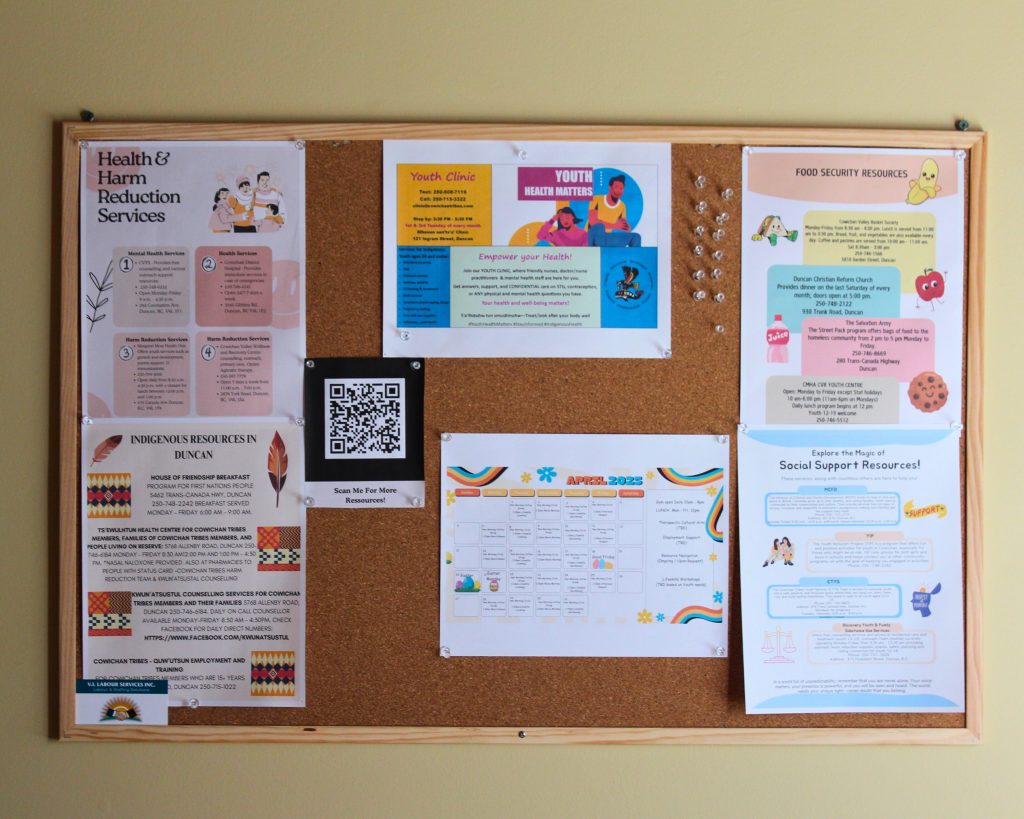
But kids can still use the house to do laundry, have a meal, or just crash on the couch and play games — and access support they need.
Right now, the facility sees anywhere between four to six young people a day. But Haddock expects that number to “drastically increase” as word about it spreads.
The CMHA Cowichan Valley branch already runs a drop-in youth centre on Festubert Street, which often sees 30 or more kids daily. But a 2023 report by the Cowichan Youth at Home Team identified the need for an overnight shelter for youth aged 12 to 19, which kick-started plans for what ultimately became Mischa Lelum.
“It’s going to take a little bit of time to fully implement,” Haddock said, “because it’s about being known and, more importantly, being trusted by youth out in the community.”
Building trust is a critical part of marketing the shelter to at-risk youth in the community, Haddock explained.
Achieving that means starting small, she added, because many of the youth just need a safe, judgment-free space to hang out for a few hours at first — in hopes those youth will want to come back again.
The shelter also has outreach staff to help youth get support when they are ready for it.

Baking is “all the rage” right now at Mischa Lelum, according to Haddock, as staff teach interested kids cooking skills.
“I think it’s pretty presumptuous for us as adults to decide what the programming ought to look like without their input,” Haddock said. “We recognize that youth need to be empowered and make their choices.
“So we make choices available for them.”
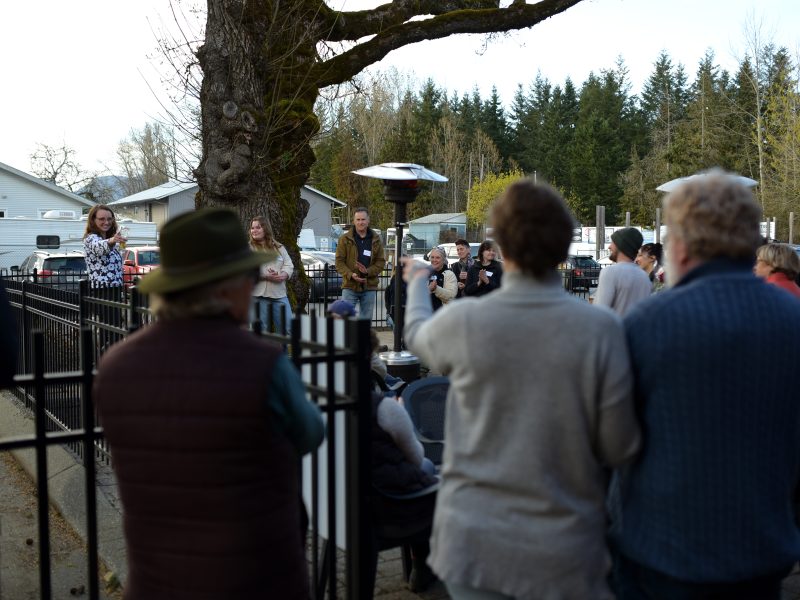
The surrounding community’s reception of the facility has been positive, according to CMHA, which signed a “good neighbour” agreement with the wider neighbourhood.
In the weeks leading up to the shelter’s opening, staff connected with other locals to let them know what services the shelter would provide.
Buy-in from the surrounding community was key, Haddock said. Without it, she said a shelter can be very difficult to run.
“I think that people are more willing to recognize there’s a need to invest in our kids,” she said, “because if we’re not providing those support services now and mitigating risk, those are the kids that are going to end up in shelters or do harm to self or others.”
Challenges with staffing
Although the shelter is already popular with a growing number of youth, its current staffing levels don’t allow for overnight stays yet.
Like many local non-profits, recruiting youth workers in the Cowichan Valley has been a challenge, Haddock explained.
“We have more jobs than we have people,” she said, “and I don’t think the CMHA is the only one struggling to find suitable employees.”
She hopes to hire enough staff to start offering constant full-time services, including overnight stays, by next month.
Despite early challenges staffing the new facility all-hours, Haddock said she is hopeful the right people will choose to join the Mischa Lelum team.
“The Cowichan Valley is fairly small, but I see there’s a community that really wants to make a difference in the lives of youth,” she said. “The more people that come up to the plate to support us in enhancing and increasing services for youth — I think we can turn things around in this community.”
Next steps for housing at-risk youth
“This is a fantastic addition to our community,” Weisz said at an opening ceremony for the shelter on April 4. “However, I don’t think we’re finished.”
In order for youth to become independent and self-sufficient, Weisz said transitional housing is also needed, where youth can live for up to two years while they stabilize their lives and find employment.
“Mischa Lelum has a role in the community, but the reality is that it’s only a three-bed shelter,” Haddock said. “We’re going to need more beds and more services.”
She would like to see more wraparound services paired with “mini-apartments or co-op style” housing where youth up to age 25 can live, learn life skills, and plan for their future.
During his speech at the ceremony, Weisz extended an invitation to the Cowichan Valley, saying his foundation is interested in working with community partners to help fund longer-term transitional housing for youth in the region.
The CMHA Cowichan Valley branch is already in talks with its partners about what that type of housing might look like.
But as a first step, Haddock said she is very happy with the immediate need the new shelter hopes to meet.
“Mischa Lelum is going to help the voice of youth direct and guide where we ought to be going, as far as building additional services for youth in this community,” she said.
“All of us need to ask them what they need and then we’ll figure out a way to make it happen. That’s our job.”
What did you think of this story?
Your feedback after we publish a story helps ensure we're always improving our reporting to better serve you
Author

Related Articles
What to do and who to call when juvenile salmon are in danger
Officials say Cowichan Valley residents should call experts to move salmon in isolated pools because of risks associated with relocation.
How is The Discourse’s journalism funded?
And what does it cost to produce The Discourse’s in-depth, independent journalism?
Behind the backlash to the Cowichan Valley’s comprehensive zoning bylaw
The campaign against Bylaw 4710 was fuelled, in part, by misinformation and an organized group of advocates. What could this mean for the future of local politics?