
Long-awaited youth shelter coming to Cowichan Valley
The Youth Emergency Shelter pilot project will offer programming, support and outreach for vulnerable unhoused young people.
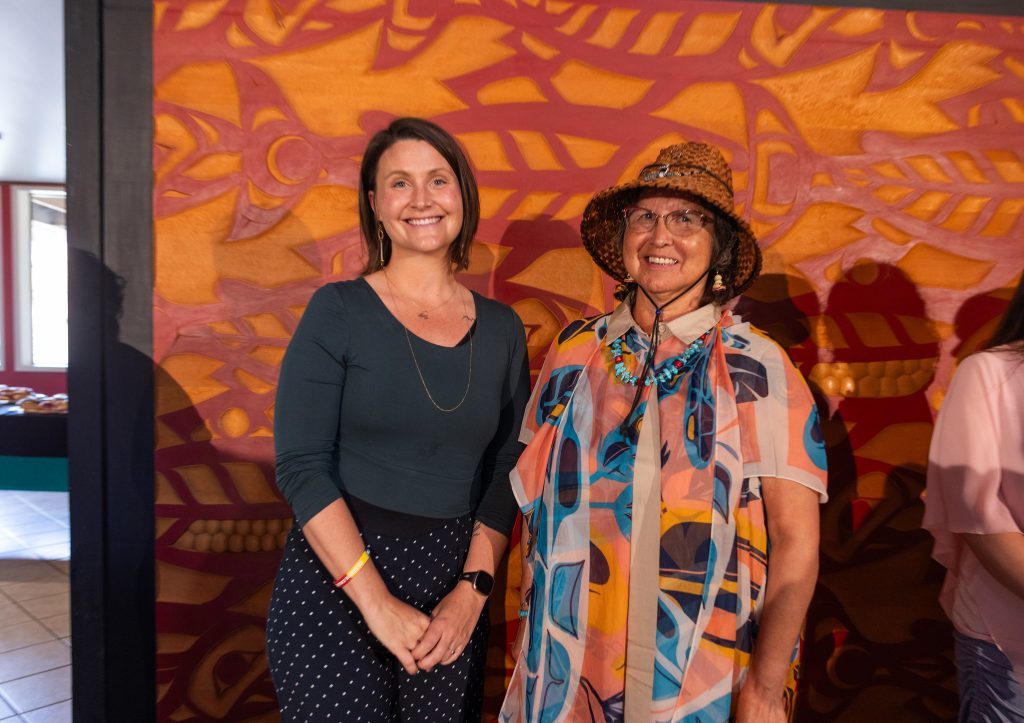
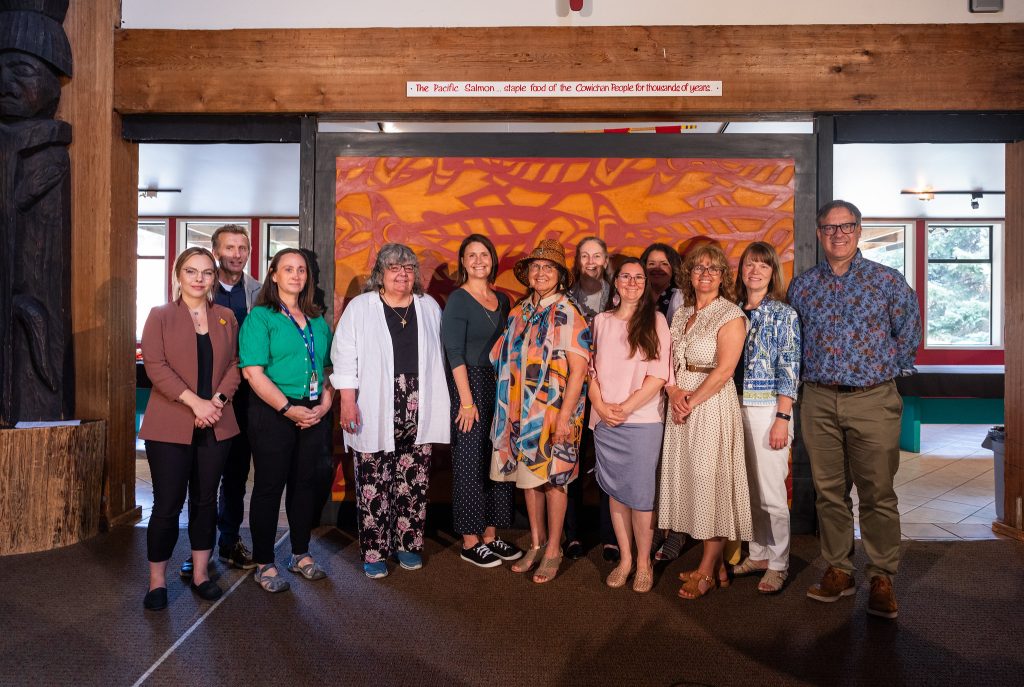
A new youth emergency shelter is set to open by late fall in downtown Duncan.
It’s been a long time coming for the Cowichan Valley to have a safe shelter specifically for young people aged 15 to 18, according to Cindy Lise, regional facilitator for Our Cowichan Communities Health Network.
“We need a safe space for youth. And we need it for our most vulnerable,” Lise says.
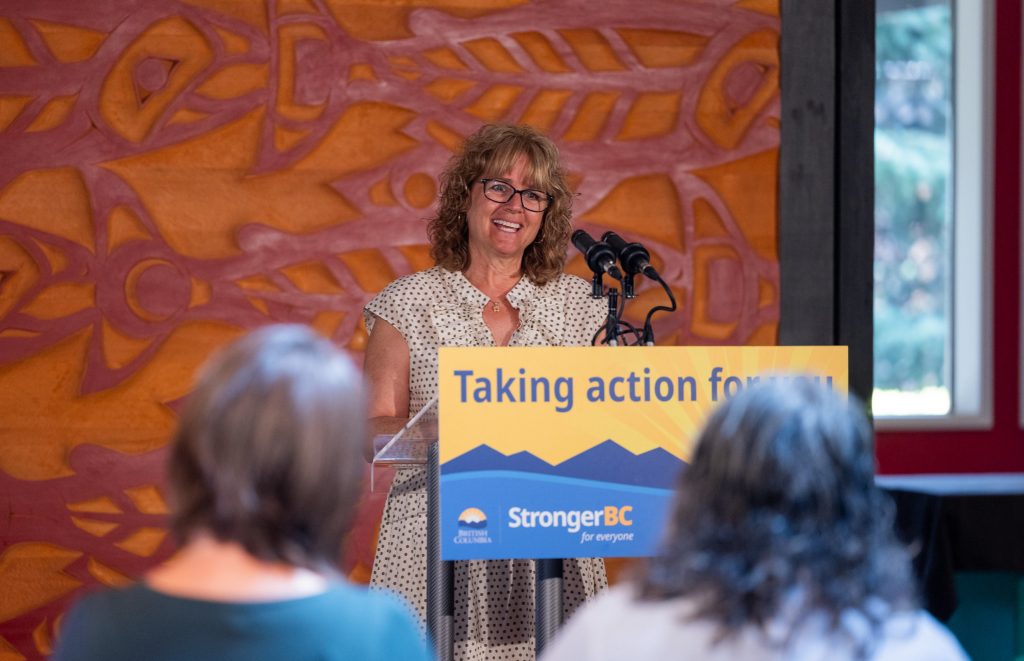
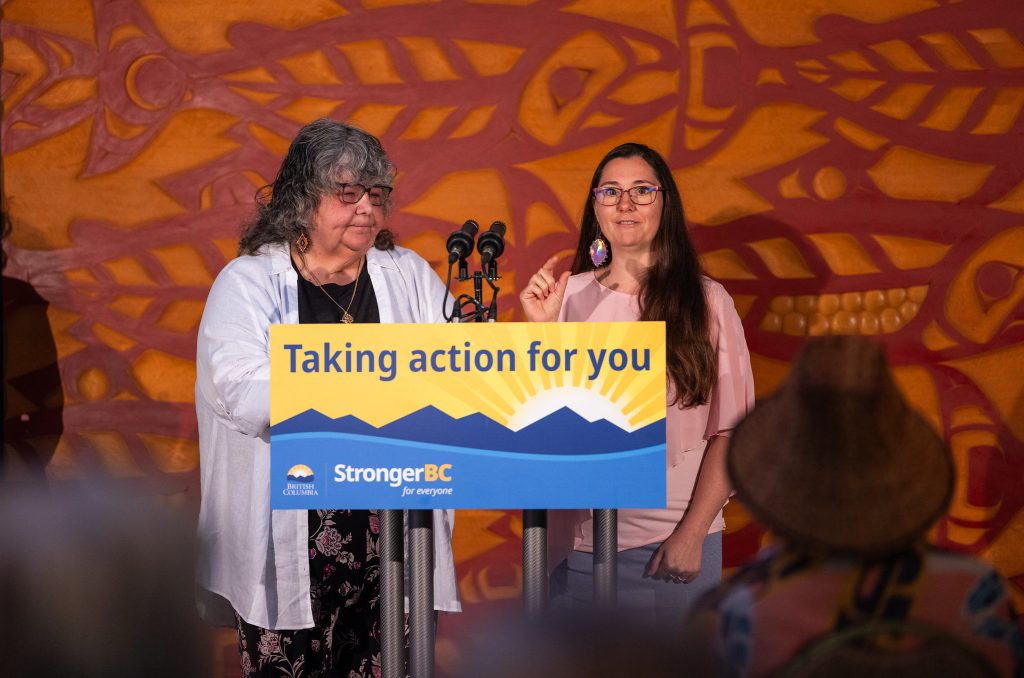
On June 10, that need became reality when the province announced a $4 million, 2-year pilot project for a Youth Emergency Shelter (YES) to be built in Duncan. It’s only the second of its kind in B.C., after a YES project was introduced in Maple Ridge last year.
“What this shelter does is not just offer a safe place to stay and sleep, but [it offers] day programming, connection to longer term supports and outreach which is critical for making those links to youth and community,” Grace Lore, B.C. minister of Children and Family Development, says.
The Cowichan Youth Emergency Shelter project is a cross-ministry collaboration with the Ministry of Family and Children and the Ministry of Mental Health and Addictions to address the issues around at-risk youth and substance use. The program will also help youth navigate challenges such as family conflict, housing instability and mental health.
The new youth shelter comes from the efforts of the Cowichan Youth at Home Team, a collective group seeking to increase support for vulnerable youth.
The team is comprised of members from the Canadian Mental Health Association, Cowichan Tribes, Cowichan Valley School District, Cowichan Valley Youth Services; Island Health Child, Youth and Family Mental Health and Substance Use Services, Island Health Population and Public Health, Our Cowichan Communities Health Network and the Ministry of Children and Family Development.
Lise Haddock, executive director of the Cowichan branch of Canadian Mental Health Association, says local unhoused youth are not in safe environments and face safety threats of sexual exploitation, criminal activity, substance abuse and mental health related issues.
“Coupled with the dangerous drug epidemic that we’re all currently facing, and seeing an increased risk of death, we thought that this was an essential service that was required in the Cowichan Valley to support our kids,” Haddock says.
Cowichan Tribes was instrumental in the Youth Emergency Shelter project, as Indigenous youth are overrepresented in both vulnerability and number of lives lost. In a 2023 Report on homeless counts in B.C., 40 per cent of respondents identified as Indigenous, while Indigenous people make up just six per cent of the province’s census population.
“We have a responsibility to take care of our youth, and to provide them with safety and care,” Cowichan Tribes mental health manager & opioid crisis response lead, Erin Kapela, says.
“Bottom line, that’s our responsibility, and we have to have a place to do that. ”
Read also: Cowichan makes strides towards help for unhoused youth
More than just a place to sleep
The new Youth Emergency Shelter will provide a safe place for vulnerable youth to shower, eat, do laundry, charge their phone and stay the night. Although the contract has yet to be finalized, the shelter is will include three beds, and youth can potentially stay for up to two weeks. No referral from an outside agency is necessary, making it easier for young people to access the safe space.
The 24-hour shelter will give young people somewhere to stay during the night, even if it’s not in a bed. Kapela says youth shouldn’t have to be worried about getting kicked out in the morning at a set time, something traditional shelters practice.
“The idea that a 15 year-old is safe at 8 a.m. is still a problem,” she says. “It needed to be 24 hours because these are extremely vulnerable youth who need a safe place to be.”
What makes the YES project unique is its wraparound support and efforts to connect youth to support systems, family members and service providers. The shelter will serve as a place for youth to gain access to resources toward building a more positive way to live.
“When people have a place they can be, service providers can come to them,” Kapela says. “And we can be way more efficient with resources and not spend as much time just trying to find people.”
Lise says the difference with this youth shelter is that, up until now, care took the form of driving around in a van and handing out food. Now there will be a place for youth to go for what they need.
The Youth Emergency Shelter aims to provide youth with connection, not only with peers, but with their families and other specialty services to meet their needs.
B.C. minister Lore points to the Maple Ridge YES pilot project as having a positive effect on the community and sees the Cowichan youth shelter doing the same. She has seen youth who have returned home still check in with shelter support workers during the day.
Why youth need their own safe space
Kapela says youth have very different needs from adults. The challenges youth face today — from climate grief to incessant input from social media — are profound, and difficult for adults to understand.
According to Lise, vulnerable youth lack many crucial life skills to navigate homelessness and tend to access services differently from adults. She says youth, if hungry, aren’t likely to visit a food bank. Or if young people are using substances, they aren’t likely to go to an overdose prevention site right away.
“Youth lead with their feet,” Lise says. “So if something isn’t working, they will go to the next place or the next place, and they are very vulnerable.”
Haddock adds that because of age, developmental issues and trauma, youth are more prone to being exploited, whether sexually or by being introduced to alcohol and drugs.
“The risk factors are significantly higher,” Haddock says. “They don’t have those safety mechanisms around them and struggle with making safe decisions because they lack that awareness or guidance.”
For many of the Cowichan Youth at Home team, measures taken throughout the COVID-19 pandemic have served as a learning experience for what the area’s young people needed.
When Cowichan Tribes ran a youth extreme weather shelter during the early days of the pandemic, it became clear that isolation, loneliness and disconnection were prominent issues. And with temporary housing at the Ramada and other sites during the pandemic, it was found that youth were excluded and exposed.
Lise says the temporary housing allowed the team to evaluate the needs of the youth asking for assistance.
“In many cases, it wasn’t about a bed — it was about a place where they could go to be safe,” she says.
The 2023 Cowichan Valley Point in Time Homelessness Count determined that of the 223 people who identified as being homeless, 7 per cent were under 24 years-old, and 36 per cent indicated that they had experienced homelessness before the age of 19.
The minimum age to access most shelters is 19 years. Cowichan youth under that age have had nowhere to go to stay protected during the night.
Lise points out that even for people who meet the age limit, an adult shelter is not a sound option for youth.
“If we think about their vulnerabilities, you don’t want them with adults who have been at this for a while,” she says. “It’s not safe for them.”
Read also: The Village as a model for housing and mental health and addictions support
Kapela says the job of all those involved in the Youth Emergency Shelter project is to “nourish hope.”
She says working together for youth in the community can help shift the trajectory of their lives, especially when they can be met where they’re at. Walking alongside them creates space to learn about what gives them hope and support them in growing from a place of hope.
“We’re going to learn and grow, as this pilot is developed, on being that safety net for these kids who the system has failed them, the world has failed them,” Lise says. “And so this is our opportunity to say we’ve got you. We’ve got you.”
What did you think of this story?
Your feedback after we publish a story helps ensure we're always improving our reporting to better serve you
Author

Related Articles
What to do and who to call when juvenile salmon are in danger
Officials say Cowichan Valley residents should call experts to move salmon in isolated pools because of risks associated with relocation.
How is The Discourse’s journalism funded?
And what does it cost to produce The Discourse’s in-depth, independent journalism?
Behind the backlash to the Cowichan Valley’s comprehensive zoning bylaw
The campaign against Bylaw 4710 was fuelled, in part, by misinformation and an organized group of advocates. What could this mean for the future of local politics?