
Reporter’s notebook: How a news story erased the Cow-op’s debt
The Discourse published a story about the Cow-op’s financial state. Then an anonymous donor made it disappear.
I became a journalist in large part because I believe in the power of the pen to affect positive change. Yet, most of the time, the impact of my work isn’t very measurable, or at least known to me.
Sometimes I hear from readers and interviewees about awareness raised and connections made as the result of one of my articles, but this can be hard to quantify. Plus, such feedback tends to come before any significant outcomes have happened. Other times, after an article is published, it’s simply crickets — especially since Meta’s news ban for Canadian social media users.
That’s why it’s so gratifying when — as happened with a recent story for The Discourse — the impact is immediate, measurable and positive.
Cow-op no longer at a crossroads after anonymous donor responds to Discourse article
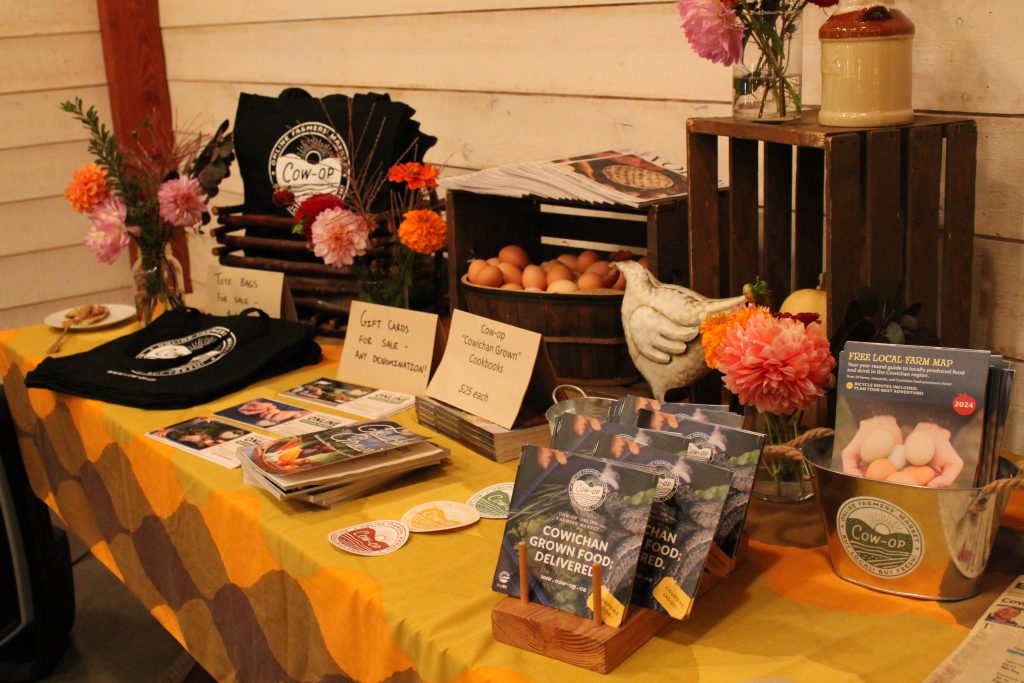
When I reached out last fall to the Cow-op — an online market for Cowichan farmers and food producers — about doing an article about its 10-year anniversary, I assumed it would be a straightforward feel-good story. The Discourse had written an article in 2020 about how the Cow-op was booming during the COVID-19 pandemic and taking steps toward creating a sustainable delivery system.
However, I soon discovered that a decision made during the pandemic to reduce the markup on products coupled with a reduction in grant funding had placed the future of the Cow-op in jeopardy. So, the thrust of my story in October was that even after a successful 10th-anniversary fundraiser, the online marketplace was $24,000 in debt and at a crossroads.
I was glad to help get the word out, and thought at best the article might aid the Cow-op in future grant applications. It turns out the story really struck a chord with at least one reader.
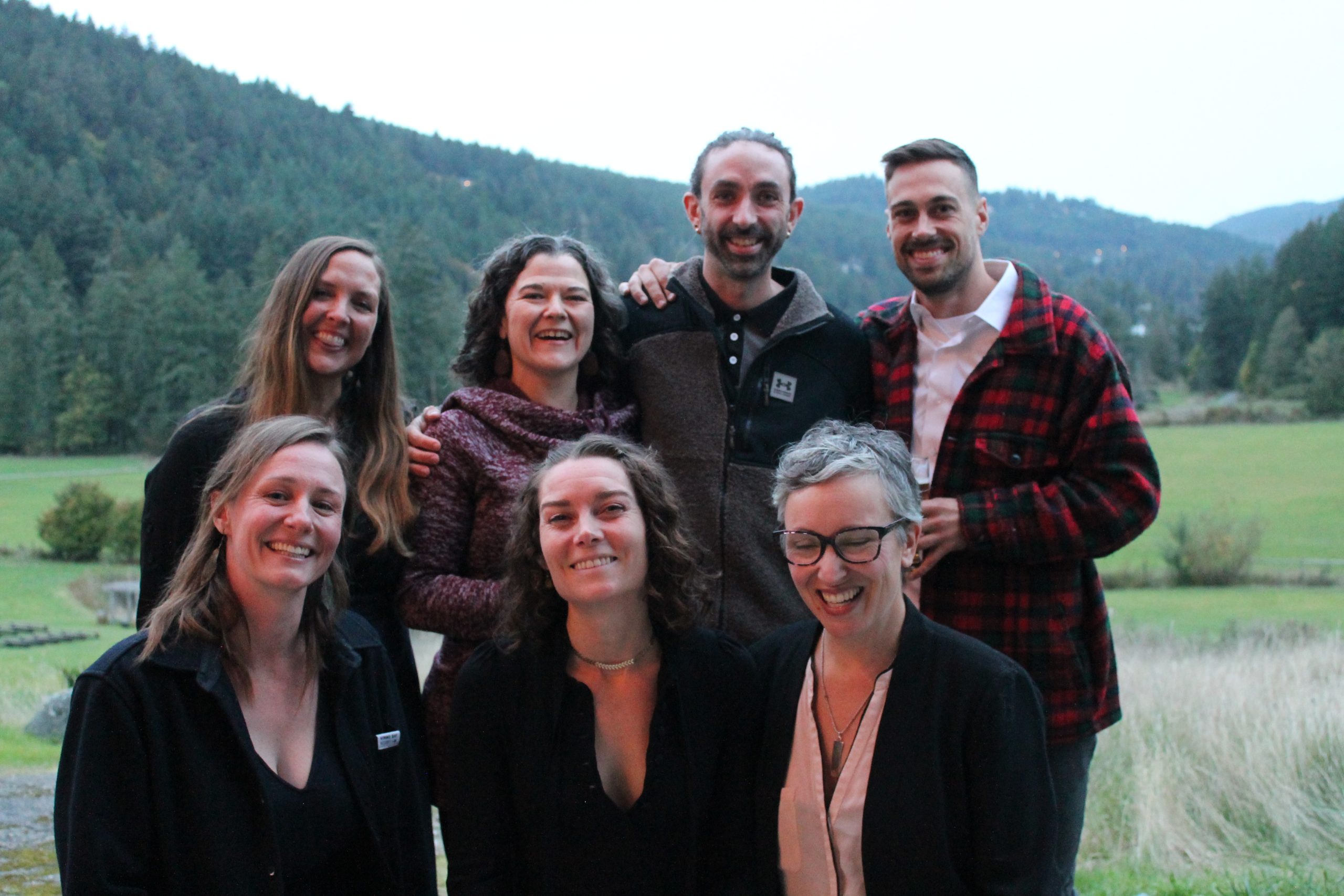
A few days after the article was published, Cow-op board president Danielle Bellefleur received a message from an acquaintance who knew someone wanting to make an anonymous donation of $27,000. That message noted “it was the article in the Discourse that brought Cow-op’s financial plight to their attention.”
Interim general manager Kyle Campbell, who says he and his team were in shock about the donation, emailed me the good news and thanked me for the article. “It has had an effect which none of us dreamed would’ve been possible,” he wrote.
I looked forward to informing Discourse readers that the Cow-op was no longer at a crossroads, but wanted to wait until everything was settled. Bellefleur emailed to say she was “super happy that the exposure you gave us had such an impact.”
“I kept talking to our staff, saying ‘something is going to come through for us,’ and I believed it. But this was better than I was imagining. It was exactly what we needed to continue,” Bellefleur says.
After a couple months of waiting, Cow-op received the anonymous $27,000 donation just before Christmas. Bellefleur says that two weeks after the donation was pledged, one of their regular supporters pulled out, which meant the Cow-op “may have been sunk without that donation.”
Journalism is under attack, which is all the more reason to support it
I like feeling that what I do matters, whether it’s helping the local women’s shelter find a home or airing a Duncan family’s allegations that the staff agreement at a local camp is discriminatory, a story that resulted in three school districts cutting ties with the camp.
Yet, it’s disconcerting being a journalist at a time when the media is under relentless attack, increasing public distrust of my profession. On the other hand, those attacks validate the impact of our work, and are all the more reason to support it.
Over the last decade, Cowichan Valley residents have seen fewer original local news stories because the news business is in serious trouble. If it weren’t for a handful of local reporters and startups like The Discourse trying to save local news, articles that make an impact in our community — by celebrating wins, holding people accountable, sharing stories that may not go told or encouraging dialogue amongst community members — may not exist.
The point in writing this reporter’s notebook is not to toot my own horn. That the Cow-op story had a notable impact was mainly due to the coincidence of my editor suggesting I report on its 10th anniversary, which so happened to be the time when the online marketplace was in its most dire financial straits. Rather, now that I am writing less frequently for The Discourse because I no longer live in Cowichan, I thought it a good opportunity to emphasize to readers the value of supporting quality journalism because of the positive impacts it can have.
I was taught by one of my journalism mentors the importance of holding the powerful accountable while being accountable to the standards of the profession. The potential impact of a news story is a responsibility that I take seriously, to not only be fair and accurate, but also sensitive and responsive.
I have a moment of panic each time I send my work to an editor, even though I’ve reviewed it several times to see if there’s anything anyone could deem offensive or harmful. I worry that there could be negative impacts from my reporting that I hadn’t considered.
Considering the potential impacts of our work is part of the job
I had a bit of a scare at my first journalism job as a reporter for a small town newspaper in Michigan. I thought it would be fun to do a 20th anniversary of the Woodstock festival story with a local angle, so a notice went out in the newspaper asking people who had attended the festival to contact me. Two people responded, including a local man who told me he had gone as a young teen with his older sister and her friends.
The story was fine, and I didn’t anticipate it stirring up any controversy. Well, the paper had to write a retraction after my editor got a call from the man’s sister claiming that her brother had made the whole story up. According to the brother and other sources, the reason for the sister’s denial was that her son was on a wait list for an organ transplant, and she feared being associated with a hippie festival might hurt her son’s chances of getting a new heart. That may sound odd, but those were different times; in many places, 1989 was a long way off from 1969.
Whatever the truth was, I felt awful about the possibility that my story could have such an impact, although I did hear later that, thankfully, the woman’s son did get his transplant. In hindsight, I probably should have reached out to the man’s sister, even though she no longer lived in the area, or at least sought some proof of his Woodstock experience before putting it in print.
It was a daily newspaper, and there were time constraints, but that of course is no excuse for not doing due diligence. Because the power of the pen is a mighty thing, weighing and worrying about the potential impact of the work I do is something I consider to be part of the job of a journalist.
One of the things I really appreciate about writing for the Discourse is the commitment to doing things the right way. I was cautioned early on in my reporting for The Discourse against rushing to get a scoop; instead the point is to take the time needed to get it right and maximize the potential for a positive impact.
What did you think of this story?
Your feedback after we publish a story helps ensure we're always improving our reporting to better serve you
Author

Related Articles
What to do and who to call when juvenile salmon are in danger
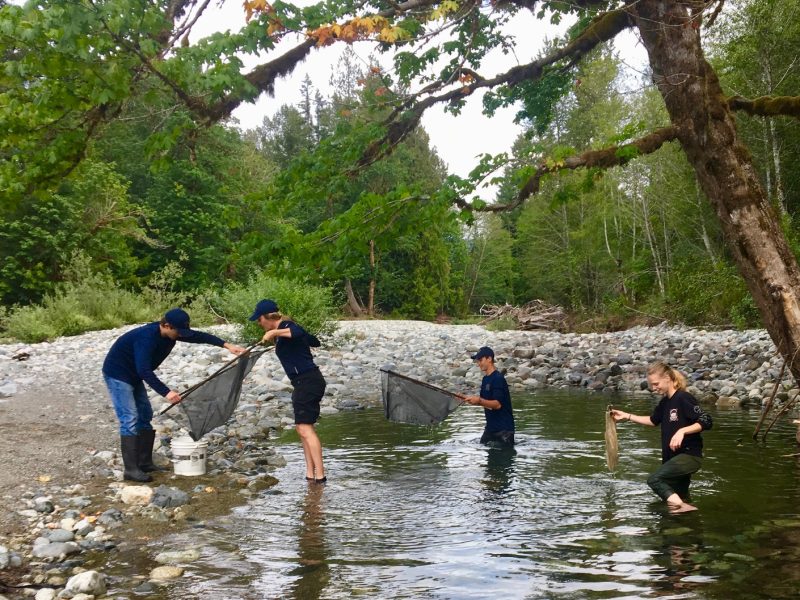
Officials say Cowichan Valley residents should call experts to move salmon in isolated pools because of risks associated with relocation.
How is The Discourse’s journalism funded?
And what does it cost to produce The Discourse’s in-depth, independent journalism?
Behind the backlash to the Cowichan Valley’s comprehensive zoning bylaw
The campaign against Bylaw 4710 was fuelled, in part, by misinformation and an organized group of advocates. What could this mean for the future of local politics?