
Q&A: Salt Spring Island farmer pens book on sustainable farming for the future
Abey Scaglione, author of ‘Radical Farm: Animals, food and Our Future,’ shares how she thinks communities can reconnect with food and the people who grow it.
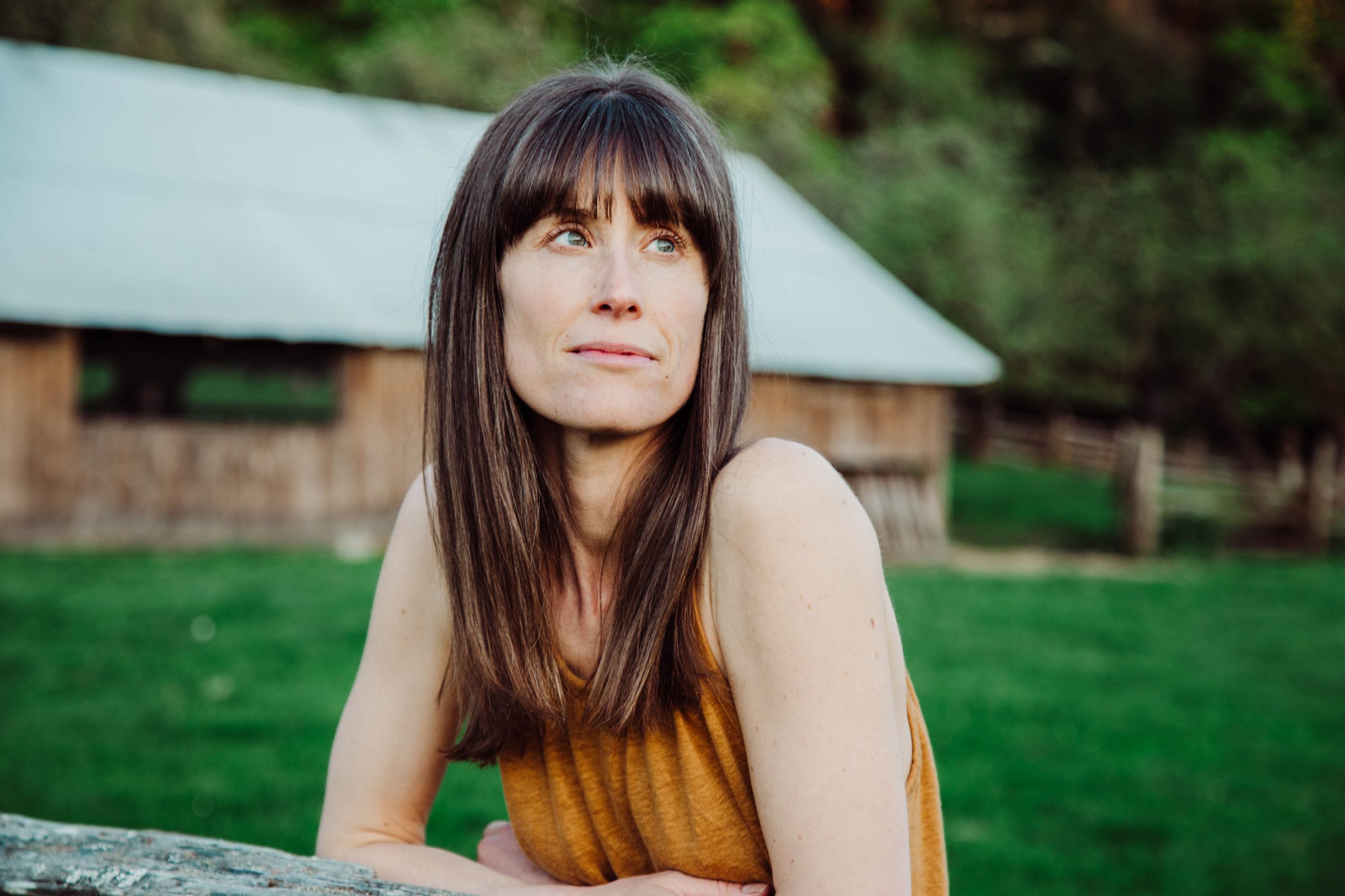
Abey Scaglione is relatively new to the world of farming. She moved to Salt Spring Island five years ago to work on Ruckle Heritage Farm, which is leased and managed by her stepfather, Mike Lane, and her mother, Marjorie Lane.
She raises sheep, cattle, turkeys and chickens, and also grows vegetables, fruit and medicinal plants.
Her new book, Radical Farm: Animals, Food and Our Future, reflects what she has learned from living and working on the farm. It also lays out her vision for how communities can support local food, farmers and environmentally restorative agriculture practices.
Scaglione sat down with The Discourse to discuss her book. She says she hopes readers will use it to make informed choices about the food they buy and build the skills needed to feed themselves and their communities.
Note: This interview has been edited for grammar, clarity and concision.
Eric Richards, The Discourse: Can you give potential readers an idea of what your book, Radical Farm: Animals, Food and Our Future, is about?
Abey Rae Scaglione: Radical Farm is the book that I wrote as a farmer in B.C., and it explores why well-sourced animal foods are good for the environment, for our health and for animal welfare. And so the first part of the book helps people make an informed decision on the food system that they want to support. Then the second part of the book is a how-to guide to help people reconnect with their food. There’s also information on raising animals, gardening, preserving, cheese making and then real food recipes.
But even if people aren’t going to grow or raise their own food, there’s so much information on reconnecting with food producers and building resilient food systems locally. And I think those are things that are just so important.
What inspired you to write the book?
I was really struggling with the reality of raising animals for food and the emotional complexity of that. Part of how I came to peace with that decision was through exploring all of the different reasons why raising animals is good for the environment, and why it’s good for our health and how that, in and of itself, I believe, makes it an ethical choice. And then really trying to understand where people are coming from and how disconnected we are from our food and therefore most people’s experience of animals is as their own pets. It can be really hard for people to understand or to reconcile that loving of animals with the reality of food production.
I truly believe you can do more for animal welfare in your lifetime by supporting good farming, and you can’t be rejecting all animal agriculture.
What argument do you make for embracing animal agriculture rather than shying away from it?
When you look at the reality of animals that are raised with good land management that are able to exhibit their natural behaviors, these are the farms that are building soil health. It’s also recognizing that removing animals from our food system just pushes the burden of food production onto other forms of agriculture that are, often, much less sustainable.
What I’m encouraging people to do is to seek out farms that are supporting biodiversity. I go into a lot of this in the book on how animals capture water and how they’re part of the natural carbon cycle — things that I think a lot of people don’t fully understand. So what I am inviting people to do, instead of rejecting animal agriculture, is to really seek out the most sustainable food that they can and really understand the farming system they’re supporting.
Can you explain what you mean by regenerative farming for those who may not know what that entails?
So the wording can be tricky, because these things mean different things to other people. When I use the word regenerative, I’m talking about farming that really gives back to the land, like it regenerates the soil. Another word that’s used is holistic and it’s seeing how everything is interconnected and not trying to work against nature with herbicides and pesticides.
These words — organic, regenerative, sustainable — they all have these different meanings. But I also think sustainability, to me, means preserving land for future generations and relates to the profitability of that land and how farmers need to consistently make a living.
There’s more and more coming out to suggest that these regenerative principles of supporting the soil — a lot of it is grazing ruminant animals, moving electric fencing and having smaller paddocks — go back to looking at how animals used to be in the wild and that we weren’t just staying in one place, and how detrimental that is to the land if it doesn’t get rest. So these principles that work within nature are being shown to be potentially more profitable for the farmer, because you’re better utilizing the land, and that’s just such an important piece.
We need to start valuing food and paying what it’s worth so that we can actually have a sustainable food system, because it’s been propped up on cheap food that comes with all sorts of hidden costs to our health-care system, to our population’s productivity, to the environment and to animals.
How has your work at Ruckle Heritage Farm influenced your writing?
It was such a great opportunity to learn about farming by really working with people who had been doing it for so long. I wanted to document that wisdom, because it is something that is being lost, and it’s really important that we have books about this to inform this lifestyle. Just from being on this farm, I was learning so much — I’ve tried to share the personal stories — and did a lot of research into the history, not only of this farm, but some of the history of farming in general, which I find very fascinating.
As far as how this farm has influenced me — it’s just from the opportunity to be around animals and the land and really just experience these things. We work here with my parents, and not only are we so fortunate to have the knowledge that they have, but I really think that to improve our food system, we also need to improve our community involvement and get people back to working together more. Supporting other food producers in your community then builds that resilience and that food security for everyone.
Why do you think it’s important for communities to move towards supporting regenerative farming practices?
I think it is the path towards reliable food production. We can’t deny that conventional agriculture has produced a lot of food, but we can agree that it is an untenable situation, and with regenerative practices you’re supporting biodiversity, and ultimately, we’re preventing desertification.
There are so many reasons from an ecological standpoint, but it’s also so important for food sovereignty as well, with the idea of supply chain breakdowns. There’s sometimes a thought of, “Well, what are we going to do in an emergency?” And we really need to recognize that. We need to build all of that now.
And I think that’s why people also really need to start caring about this. I definitely don’t want people to feel like it has to have a regenerative stamp on it, but people need to start getting out in their communities and figuring out who is producing food, looking at what they eat, and thinking, what maybe could they buy locally? And this will ripple out. If we all do more in that way, then we can have more resilience in our food system.
It’s a lot of responsibility, but it comes with a lot of freedom of knowing where your food is going to come from. As someone who loves animals, I also see it as a realistic way that we can truly give a good life to animals. So in writing this book, I hope to open people’s eyes up to thinking more critically about what they consume, where they get it from and how that actually is affecting their environment, animals around them, their health and ultimately, their viability as a community.
What did you think of this story?
Your feedback after we publish a story helps ensure we're always improving our reporting to better serve you
Author
Related Articles
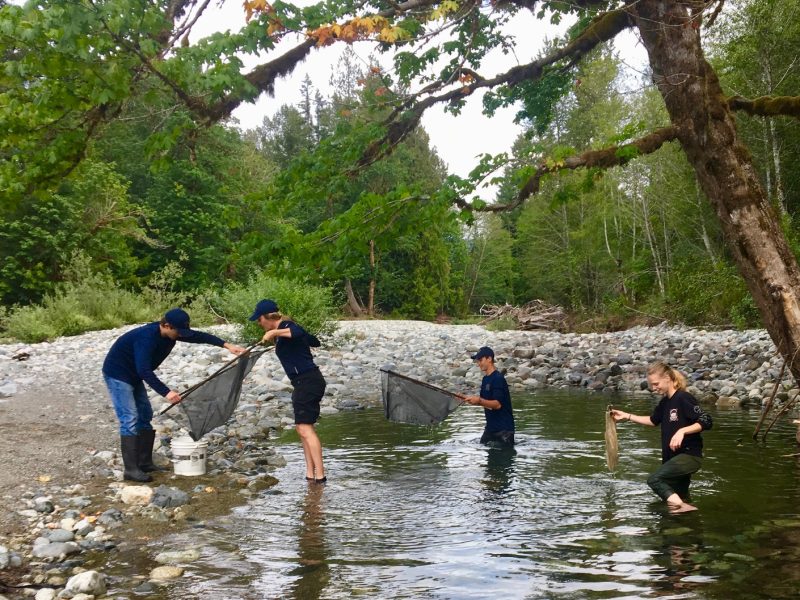
What to do and who to call when juvenile salmon are in danger
Officials say Cowichan Valley residents should call experts to move salmon in isolated pools because of risks associated with relocation.
How is The Discourse’s journalism funded?
And what does it cost to produce The Discourse’s in-depth, independent journalism?
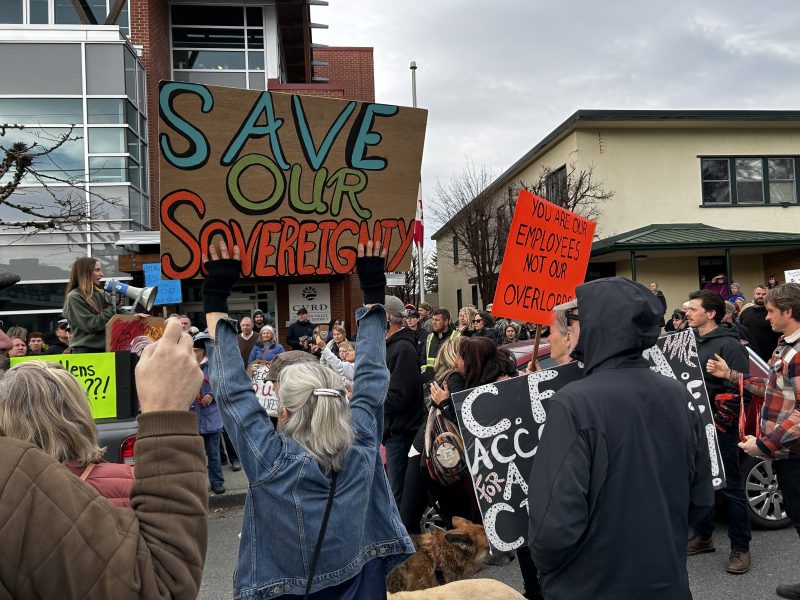
Behind the backlash to the Cowichan Valley’s comprehensive zoning bylaw
The campaign against Bylaw 4710 was fuelled, in part, by misinformation and an organized group of advocates. What could this mean for the future of local politics?