
Regulations are holding back traditionally prepared Indigenous foods in B.C., one man is working to change that
Jared Qwustenuxun Williams hopes that a new commercial food processing facility will help Quw’utsun People benefit culturally and economically from their traditional food.
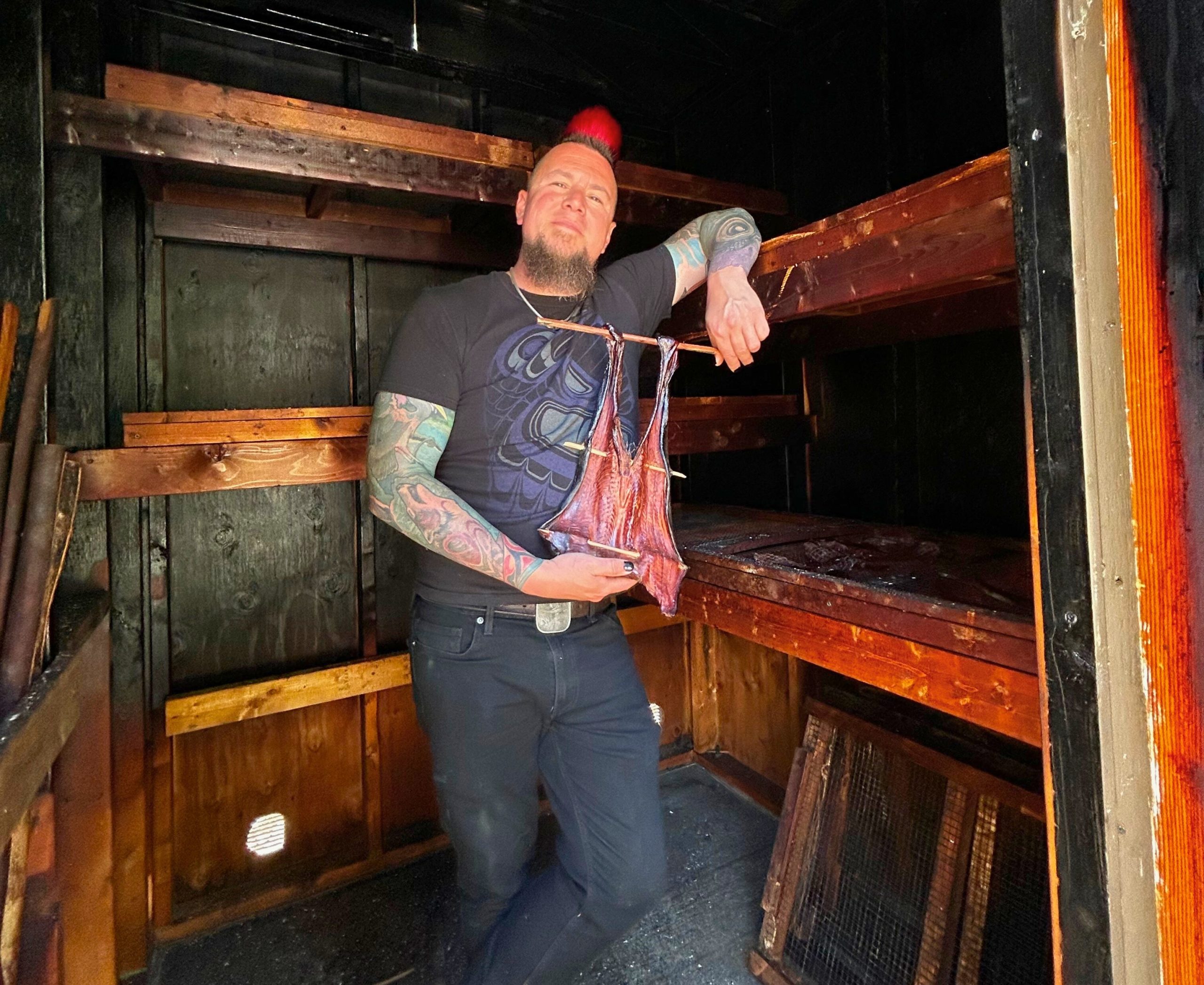
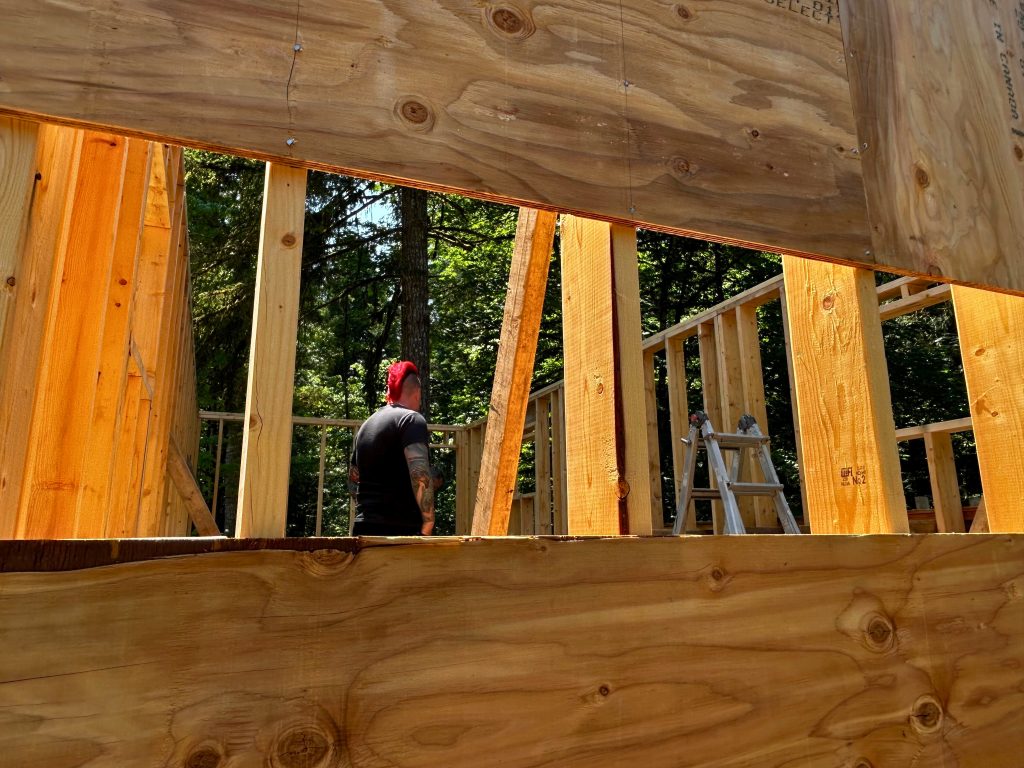
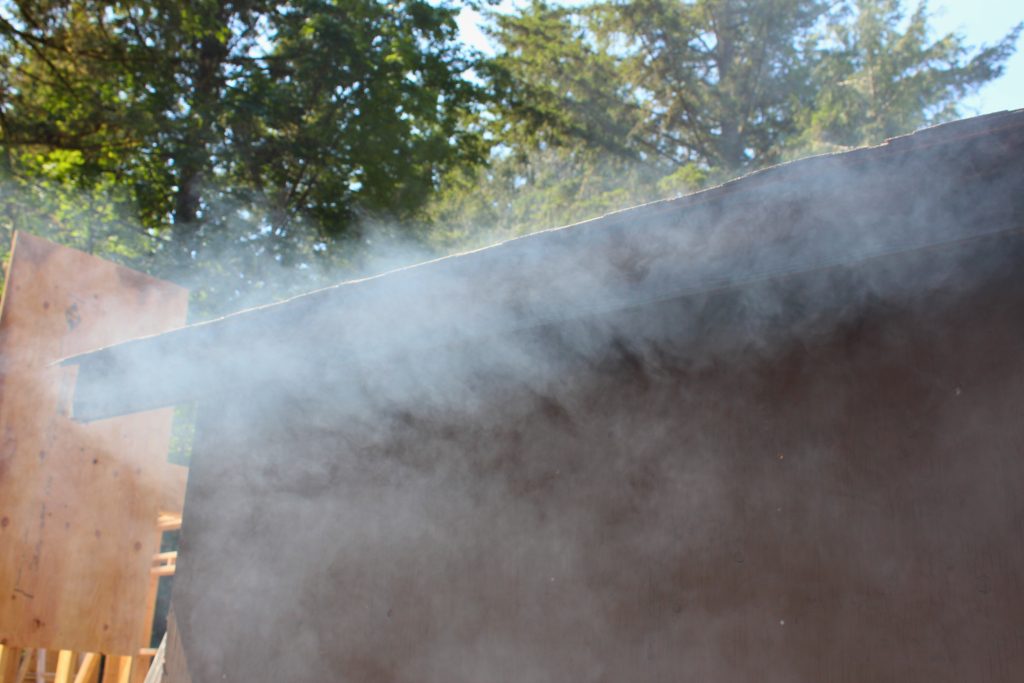
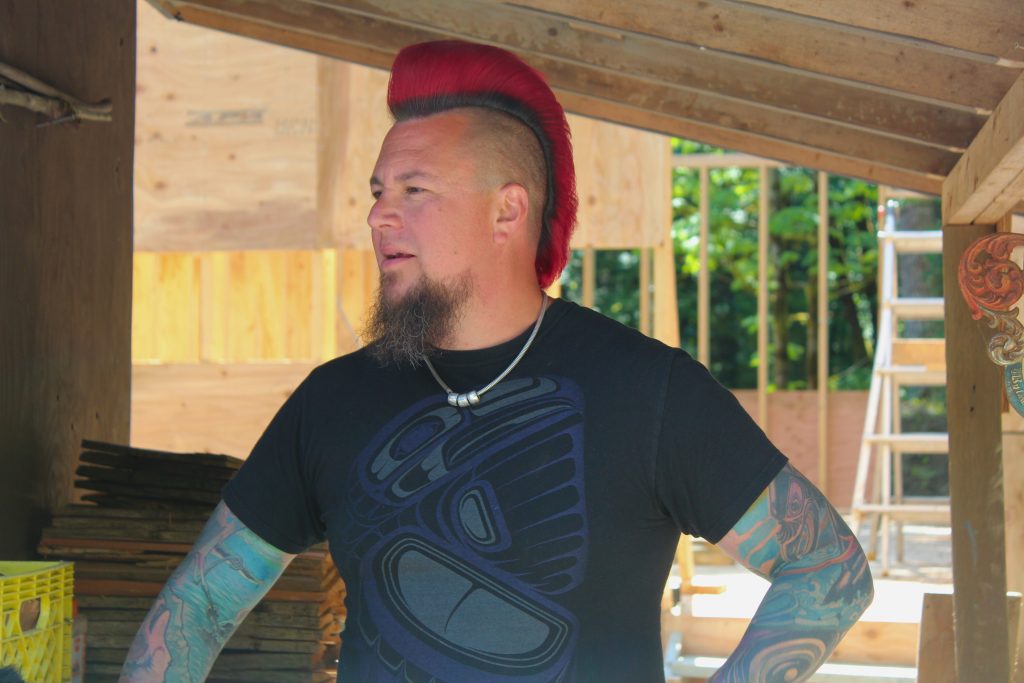
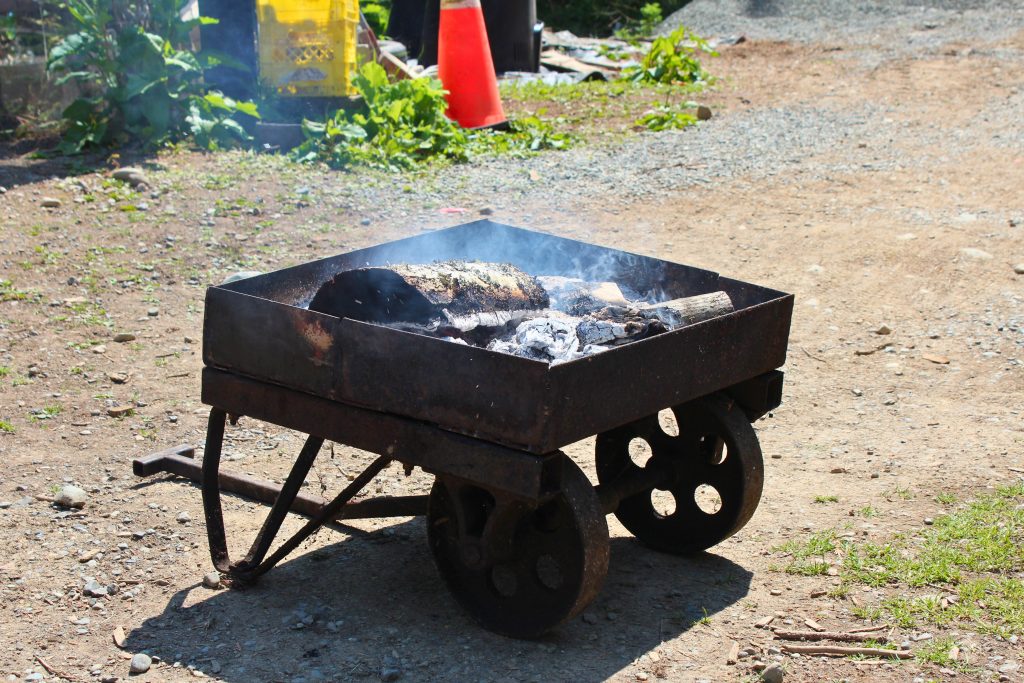
Cedar smoke blanketed Jared Qwustenuxun Williams’ small farm as he led a tour of a new food preparation and processing facility he is building to blend pre-contact Quw’utsun preservation and cooking methods with modern food safety standards. The facility is part of his effort to challenge regulations that make it difficult for Indigenous communities to pass down traditional food practices and sell or consume their food in commercial settings.
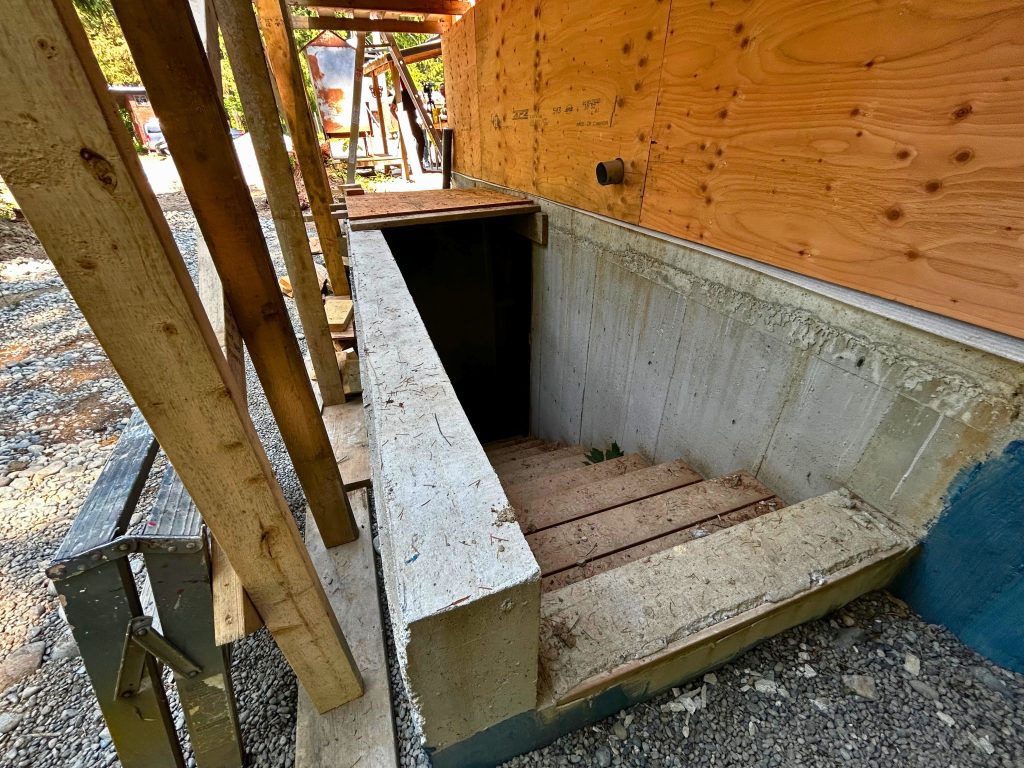
The skeletal structure of the building — that will feature a smokehouse and root cellar — stands directly behind his own smokehouse, which was running that morning and producing the thick, aromatic smoke.
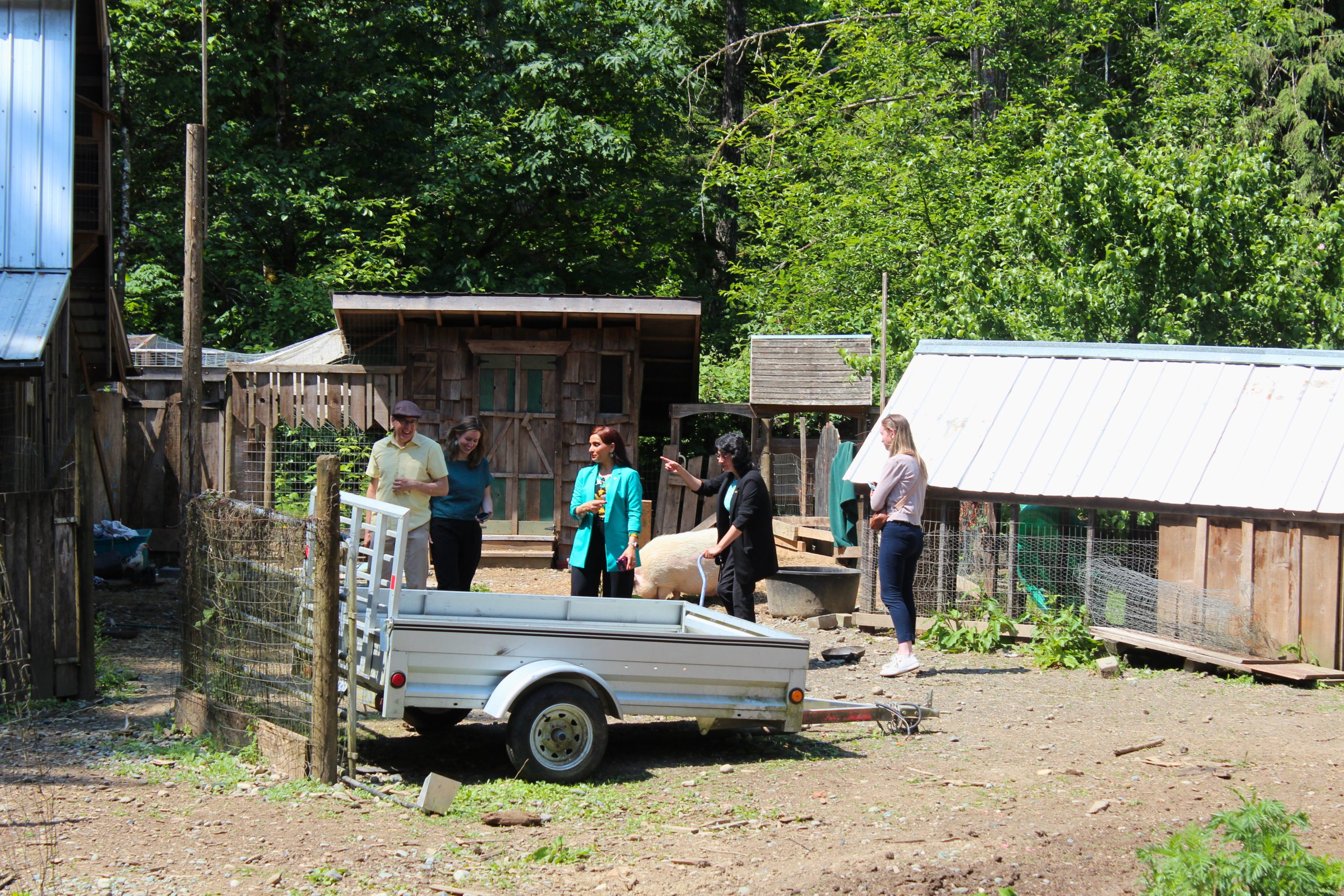
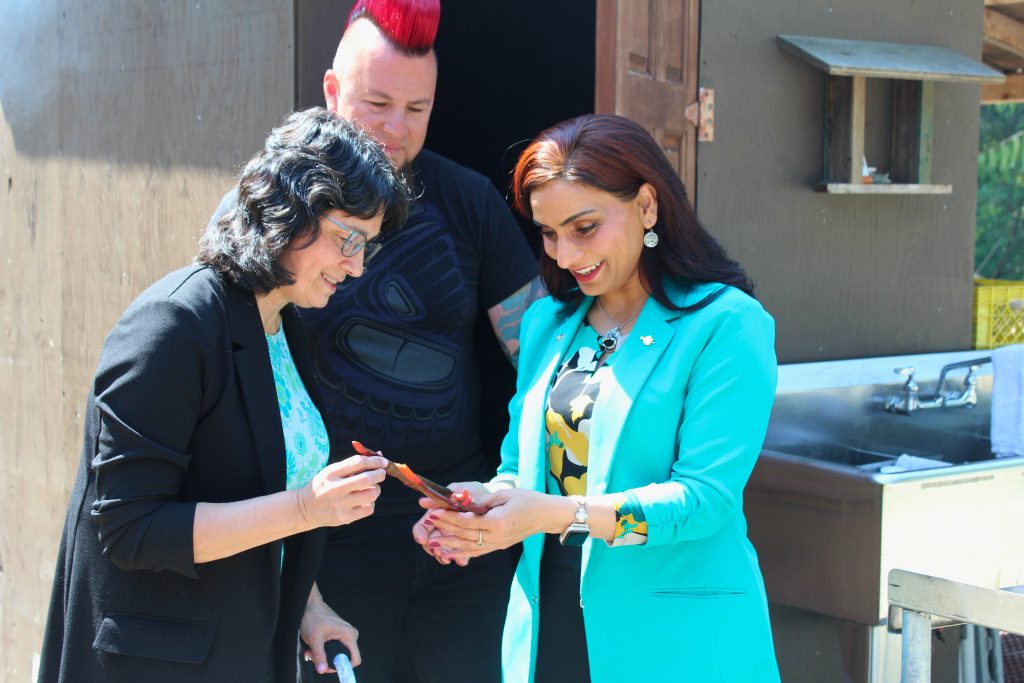
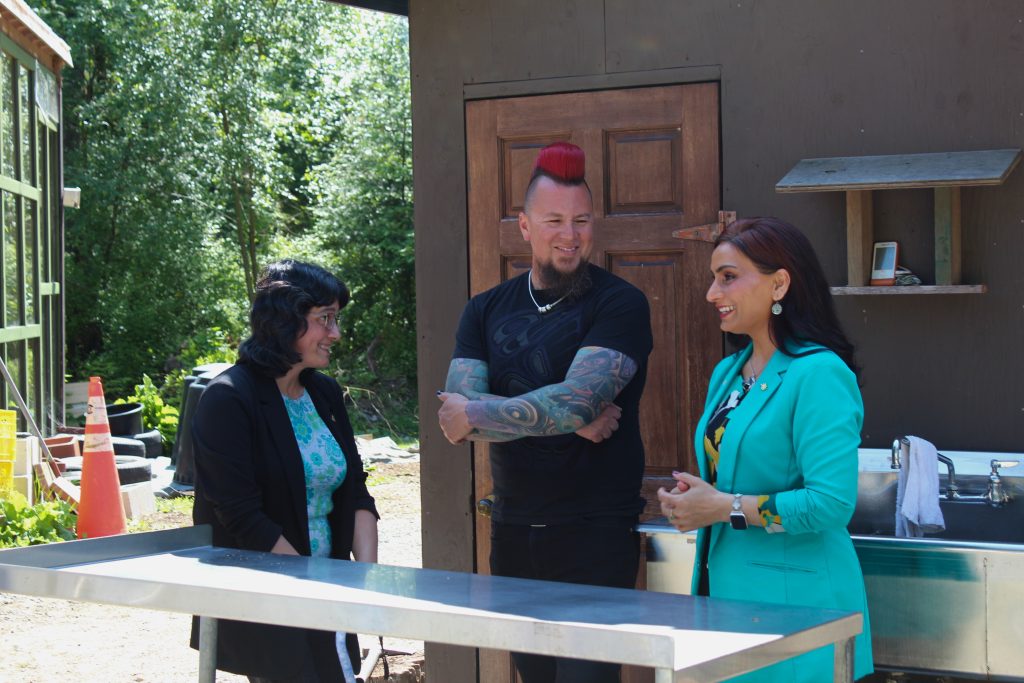
Joining in on the tour was Cowichan Valley MLA Debra Toporowski and B.C. Parliamentary Secretary for Agriculture Harwinder Sandhu. They were there to learn and hear from Qwustenuxun about his plans for the food processing facility.
Qwustenuxun, a Salish food sovereignty advocate and cultural educator, hopes the facility will pave the way for Quw’utsun people — and other Indigenous people on Vancouver Island and beyond — to benefit economically from their traditional methods of preserving food, which is often not legal to serve to the public due to food safety regulations that don’t take into account the thousands of years of history behind those practices.
“Everything about this traditional food process links us to our culture, and if we can create economic opportunity for youth that involves this link onto the land, then we’re reviving who we are while we’re able to use our food. It’s like a win, win, win every way around,” Qwustenuxun said.

Rethinking safety rules for traditional Indigenous food
In the eyes of regional health authorities who handle commercial food permitting, wild-caught and traditionally smoked salmon comes from an unapproved food source.
As it stands, food safety regulations for seafood require commercial smokehouses be built out of stainless steel, Qwustenuxun told The Discourse. But he said traditional smokehouses can be safe and sanitary as well.
“The inside one of these things is covered in wood tar and wood tar is highly anti microbial, highly anti bacterial and highly anti fungal, just like stainless steel,” he said.

In 2021, Qwustenuxun worked with the First Nations Health Authority to test 25 samples from the smokehouse. The results found that his methods produced a food-safe, shelf-stable product — even when using a traditional wooden structure.
The new facility will meet most health requirements, such as having access to hot running water and a place to wash hands. But Qwustenuxun will also challenge regulations that prohibit using a wooden smokehouse, creating a pathway for others to do the same.
“Within the regulation that exists now, you can only use food from an approved source. I want to design a way for other nations, other communities, to challenge this regulation,” he said.
A change in the regulations would allow Qwustenuxun to sell his traditionally smoked fish in conventional stores and address a lack of traditionally prepared Indigenous foods in institutions, such as hospitals, and in grocery stores.
“We can acquire raw salmon, and that’s wonderful. But how do we acquire traditionally smoked salmon? So this is just one of a laundry list of traditional foods that are not really commercially available,” Qwustenuxun said.
The lack of access to traditional foods also means it is severely under-represented in restaurants. He hopes that if the regulations change opportunities would open up for other First Nations to highlight their own cuisine and benefit economically from it.
“We know that it works, we know we can do it. So let’s use this opportunity to highlight it to the rest of the world,” he said.
A revival of traditional economics
There was a time when every house on Quw’utsun lands had a smokehouse. Now, they either don’t exist or are “just used as, you know, sheds,” Qwustenuxun said.
Declining salmon returns and rising costs of living have contributed to a drop in personal smokehouse use, making it harder for Indigenous people — particularly youth — to engage in traditional practices such as smoking fish, he said.
“Our smokehouses are not regulatory approved,” he said, noting that while youth may learn to smoke fish, “it’s a hobby … never something they could be able to successfully do for a job.”
Creating an economic and regulatory pathway for smokehouses to be used as commercial processing facilities could allow Indigenous youth to turn traditional skills into viable careers in the food production industry.
“Now you’ve got a reason. Those youth have a reason to learn this, because then it’s a job,” he said.
Qwustenuxun has written extensively about Indigenous food sovereignty for The Discourse and IndigiNews. Recently, he gave a firsthand account of the work being done to revitalize Indigenous agriculture in the Quw’utsun and Xwulqw’selu estuary.
For millennia, the estuary served as a thriving aquaculture, permaculture and agriculture site where Quw’utsun people used to harvest butter clams, cockles, Sqewth (wapato) and Speenhw (camas). In particular, Speenhw was foundational to the wealth of the Quw’utsun Nation — preserved and traded with neighbouring and distant nations.
“Our economics, our economic wealth, was really rooted in what we ate, and so now that we don’t harvest and preserve food, we don’t have wealth either,” he said.
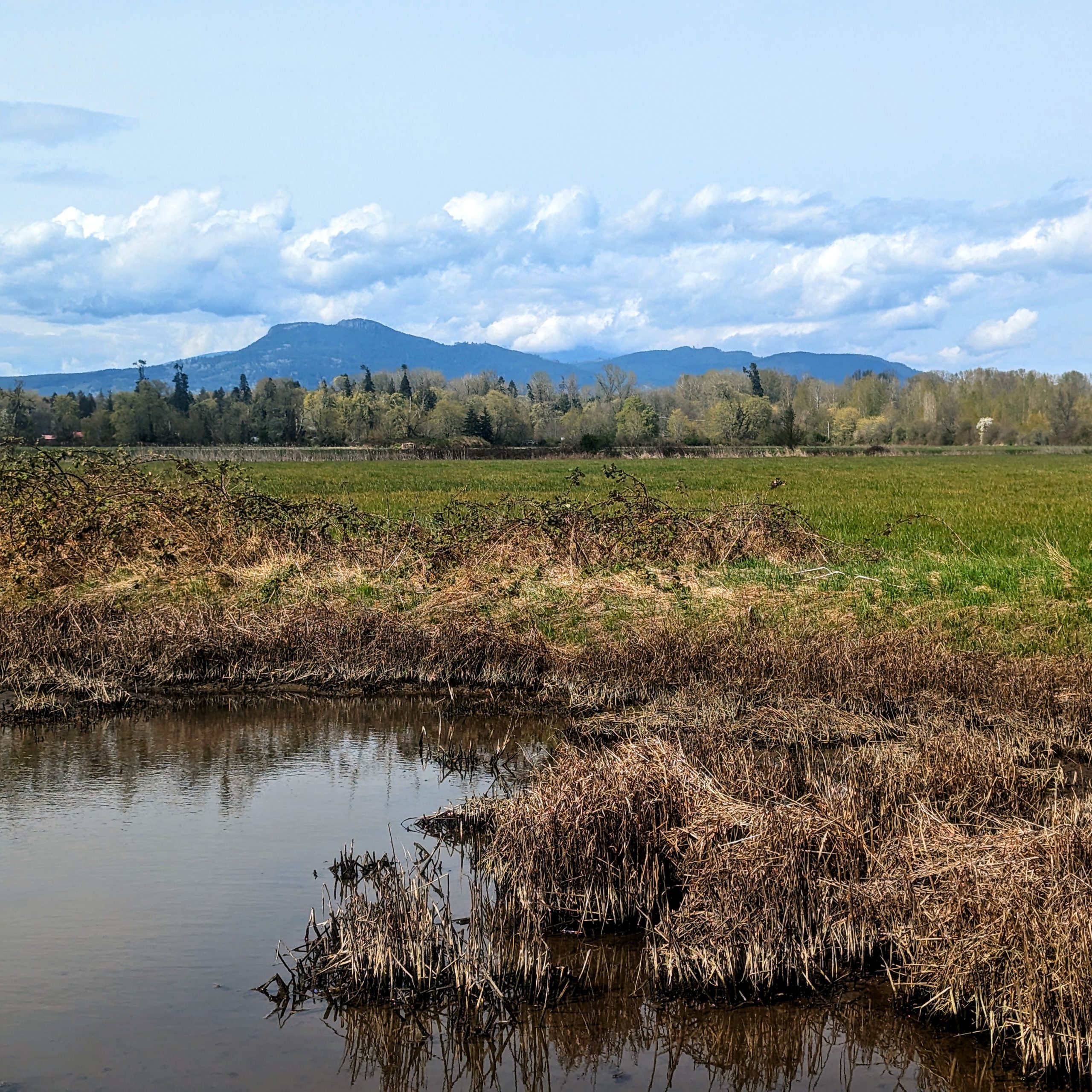
Qwustenuxun said the smokehouse and food preservation facility that he is building is a natural extension of the work being done in the estuary, combining an Indigenous food system with a space for youth to learn traditional preservation methods that have largely been lost since the introduction of grocery stores in the mid-20th century.
In addition to the smokehouse, the facility will also have a root cellar to emulate a “jam shed,” a building that would house preserved food, Qwustenuxun said. In the current economic climate of rising grocery prices, these practices could help members of his community who are struggling to afford food.
“It’s a revival of remembering how and reminding the youth that you can still harvest from the river, hang it in here and have that to eat all year for free, if you know how to do it,” he said.
Funding for Indigenous food sovereignty
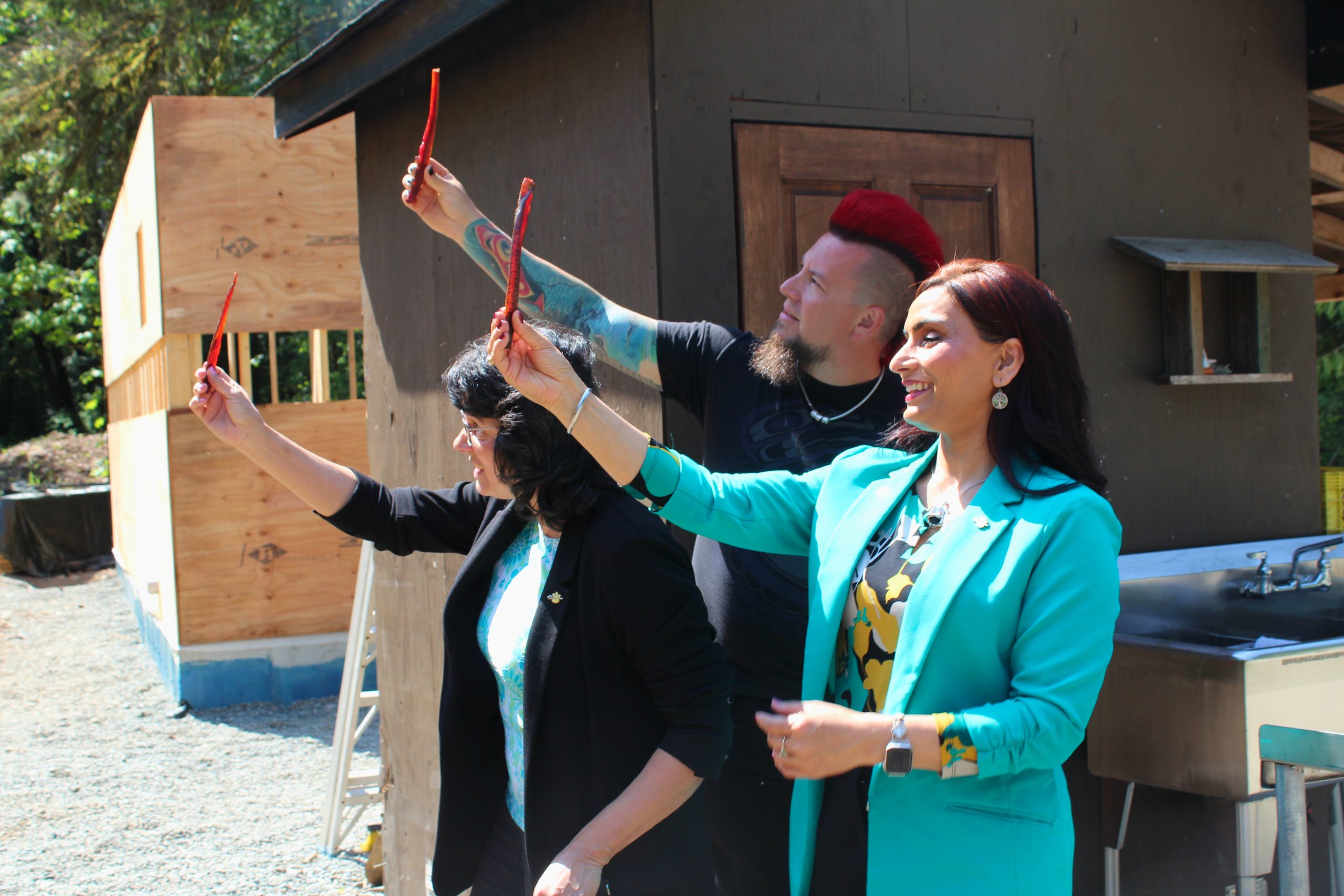
One challenge that Qwustenuxun faced while planning and building the new facility is the rising cost of labour and building materials.
He said his initial estimate for construction costs totalled around $38,000 which was too expensive for a project he is working on part time while juggling his full-time job and other commitments in the community. But outside funding has helped make this project a reality.
Funding for the facility came from New Relationship Trust’s Indigenous Food Security and Sovereignty program, a $30 million initiative supporting local Indigenous food production, processing and businesses that create value-added products, such as smoked salmon.
The New Relationship Trust is a non-profit society that distributes funds to First Nations for nation-building projects, youth and Elder groups, education and language revitalization.
On June 2, Cowichan Valley MLA Debra Toporowski and the province’s parliamentary secretary for agriculture, Harwinder Sandhu, toured the smokehouse and food processing facility that Qwustenuxun is building.
“I’m really happy that the province has recognized our food sovereignty,” Toporowski said after the tour. “Having that space to be able to make those traditional foods, it feeds the soul.”
Sandhu said her background in health care gave her a firsthand look at how a lack of access to culturally significant foods can impact people who are staying in institutions, such as hospitals.
“It’s not only the nutritious value or how it’s prepared, but also the moment they hold it and when they take the first bite, the impact on their mental well being,” she said.
She emphasized the importance of recognizing and supporting these food traditions, especially in a country like Canada, where colonization has attempted to erase languages, cultures and the food systems that are central to them.
“We can learn from that history and try to do what we can to support this process — because it means so much.”
Editor’s note: In addition to his work in the community as a cultural educator and food sovereignty advocate, Jared Qwustenuxun Williams is a contributing writer for The Discourse. You can find his stories here.



What did you think of this story?
Your feedback after we publish a story helps ensure we're always improving our reporting to better serve you
Author
Related Articles
What to do and who to call when juvenile salmon are in danger
Officials say Cowichan Valley residents should call experts to move salmon in isolated pools because of risks associated with relocation.
How is The Discourse’s journalism funded?
And what does it cost to produce The Discourse’s in-depth, independent journalism?
Behind the backlash to the Cowichan Valley’s comprehensive zoning bylaw
The campaign against Bylaw 4710 was fuelled, in part, by misinformation and an organized group of advocates. What could this mean for the future of local politics?