
What are Cowichan Valley candidates saying about health care?
Cowichan candidates answer reader questions about health care in the lead-up to B.C. election.
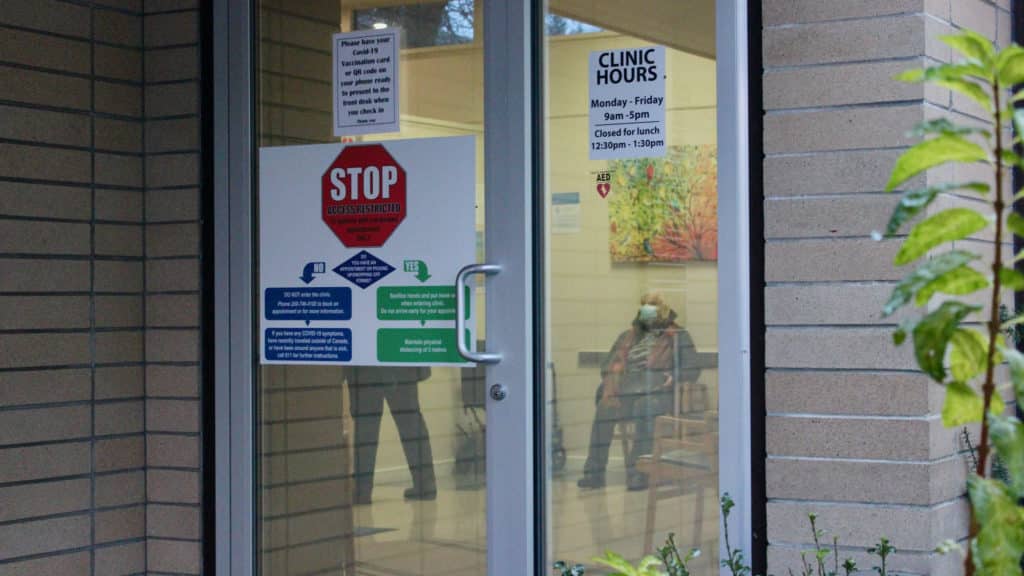
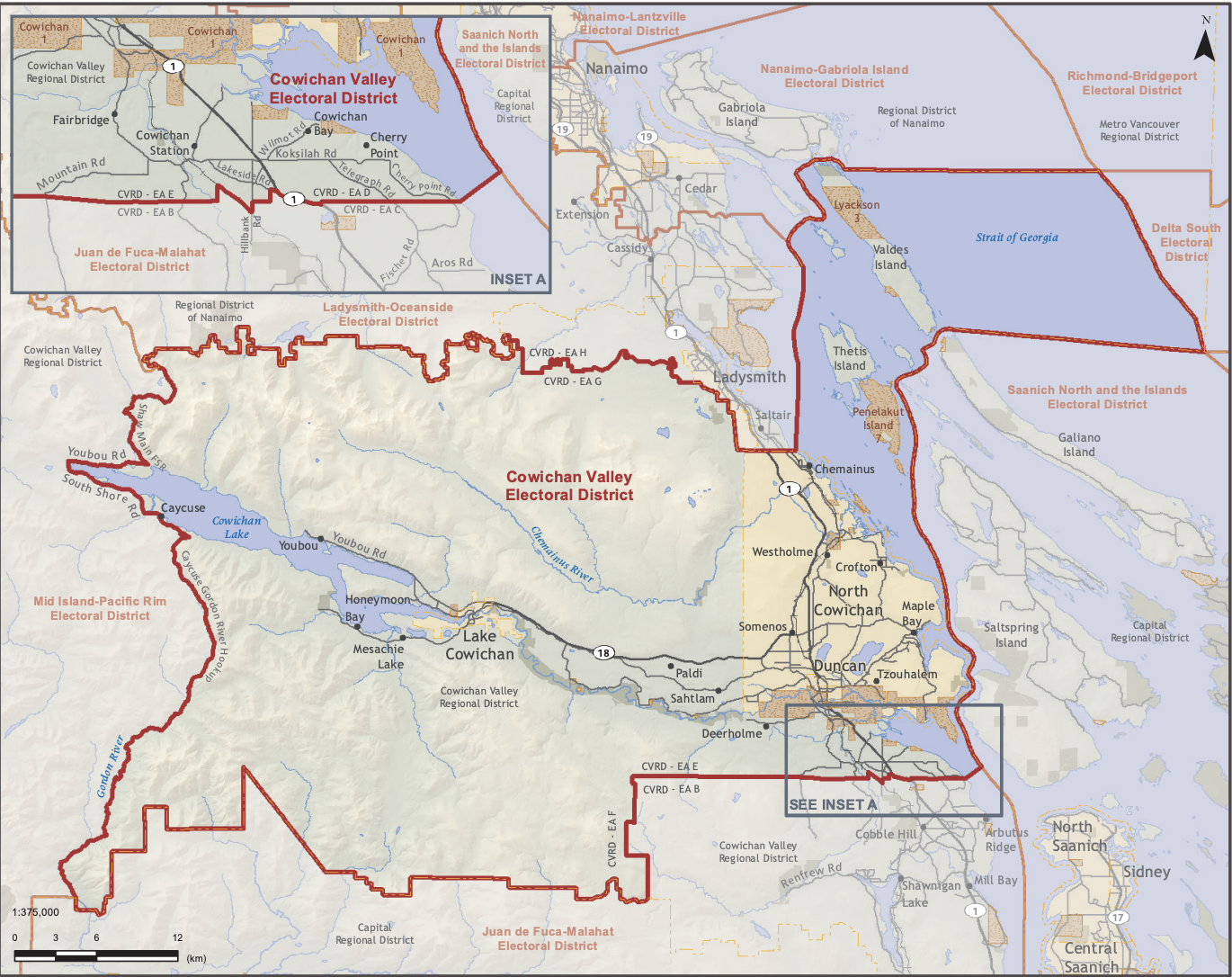
To ensure Cowichan Valley residents have a voice in the provincial election conversation, The Discourse surveyed readers to identify their top questions and concerns for candidates in the lead-up to the Oct. 19 election.
Health care was the third most important issue for survey respondents at 63 per cent. Cowichan Valley residents wanted to know what candidates would do to make health care more accessible, address the doctor shortage and support seniors.
The Discourse took the most asked questions on the survey and reached out to all of the candidates for the Cowichan Valley, Juan de Fuca-Malahat and Ladysmith-Oceanside ridings.
As of Oct. 16, three candidates did not respond. Some of the answers from candidates are nearly identical, that is how they were submitted and is not an error. We will update the story if responses are provided. To request that additional information be included, send us an email.
These responses have been lightly edited for length and clarity.
What are the parties saying?
When it comes to health care, the BC NDP is pointing to its past record, which includes hiring 800 family doctors in the last year and opening and expanding 29 hospitals. They are also touting the new medical school at Simon Fraser University and an increase in spots at the University of British Columbia (UBC)’s medical school. Their platform also calls for recruiting and training more nurse practitioners and nurses while recruiting more foreign doctors. Other steps that have already been taken, such as giving pharmacists the ability to prescribe certain medications, would be expanded.
The Conservative Party of BC is campaigning for an activity-based model that is funded based on output. This means hospitals and health-care facilities would receive funding depending on how active and used their services are. The party is running on a promise to put “patients first” with a new model of single-payer universal health care that “delivers care through both public and non-governmental facilities.”
The Green Party of BC is touting a Dogwood Model based on former minister of health Jane Philpott’s Periwinkle model where each British Columbian would have a primary place to go for their health-care needs. The party rejects privatization and instead calls for a patient-centered approach. The Dogwood Model would establish an integrated community health centre in each of the 93 ridings in the province.
How do you plan to make health care more accessible and affordable in the Cowichan Valley?
Cowichan Valley candidate answers:
Jonathan Coleman (unaffiliated, former BC United), Cowichan Valley: No response.
Eden Haythornthwaite (Independent), Cowichan Valley: We must demand that all funding that comes from the feds for health care is targeted towards that exclusively. With the expiration of the Health Accord in 2014 we lost the oversight that accord provided which obliged provinces to use health-care dollars only for public health care. Provinces across Canada have made careless decisions to use those funds as tax subsidies for corporations and to support private health-care options. These public funds must not be used for private health facilities. We should also place more importance on preventing illness as a measure to care for our community — diet, environmental factors, and especially poverty make us sick.
John Koury, (Conservative Party of BC), Cowichan Valley: No response
Cammy Lockwood, (BC Green Party), Cowichan Valley: We need a health-care system that is accessible, equitable and preventive. I support a publicly funded system that prioritizes primary care, mental health services and long-term wellness. I advocate for reducing administrative burdens on health-care workers, ensuring better support for nurses and doctors and expanding community-based health centers. The BC Greens reject any privatization in health care, focusing instead on patient-centred care that promotes healthier lives for all British Columbians.
Debra Toporowski, (BC NDP), Cowichan Valley: Our health-care system is still recovering from the long-lasting effects of the pandemic and the impact of record-setting population growth. But the BC NDP’s investments and commitment to quality public health care is beginning to show results. The new North Cowichan Hospital is well underway. And we are on track to have everyone on the Health Connect registry matched to a doctor or nurse practitioner by the end of 2025. We are just starting to turn the corner on our health-care challenges and we can’t stop now.
Juan de Fuca-Malahat candidate answers:
David Evans, (BC Green Party), Juan de Fuca-Malahat: BC Greens were the first to release our 2024 Election Platform. Health care factors heavily into our model of provincial well being. We must reduce administrative burden and top-heavy management from health care. BC has the highest doctor-to-patient ratio in Canada — why are patients not being seen? Most doctors in B.C. went through medical school to practice medicine not to manage staff and file paperwork yet doctors spend up to one-third of their time on paperwork and admin. Our health-care solution is The Dogwood Model: a series of 93 Community Healthcare Centres, one for each provincial riding. Under one roof, the full range of salaried medical professionals from dieticians to NPs, MDs, RMTs, labs, x-ray facilities. There will be efficiencies in costs and times, freedom to give necessary attention to each patient instead of worrying about the number of Fees For Service needed to pay the rent. The solution is not to continue throwing more money at health care. The solution is to implement a better service delivery model.
Dana Lajeunesse, (BC NDP), Juan de Fuca-Malahat: I had the privilege of touring the site of the new Cowichan Valley Hospital last week with David Eby and there’s no doubt that it will improve access to health care for people up in the Valley — in Cobble Hill, Mill Bay, and Shawnigan Lake — who won’t have to cross the Malahat or drive to Nanaimo. The BC NDP’s efforts to recruit, train and retain more health-care staff are starting to pay off and people are being connected with family doctors every day. We have more to do, and people can’t afford John Rustad reducing these services with his $4.1 billion cuts to health care.
Marina Sapozhnikov, (Conservative Party of BC), Juan de Fuca-Malahat: No response.
Ladysmith-Oceanside candidate answers:
Brett Fee, (Conservative Party of BC), Ladysmith-Oceanside: Improving health-care accessibility is critical, especially as our population ages. Expanding services in the Cowichan Valley will require innovative solutions, such as supporting local health-care providers, expanding telehealth services and investing in training and recruitment initiatives to attract more doctors and health-care professionals to the region.
Laura Ferreira, (BC Green Party), Ladysmith-Oceanside: Decades of underfunding health care has left gaps that are being filled by private clinics and philanthropists to deliver our health care and we are still experiencing a loss of family doctors and long wait times for essential services. Our proposal of community-centred health-care centres focuses on team-based healthcare where people can get all the care and services they need under one roof and doctors and nurses can focus on providing the best care instead of paperwork.
Stephanie Higginson, (BC NDP), Ladysmith-Oceanside: The BC NDP is investing in health care on Vancouver Island. There is a new hospital under construction in the Cowichan Valley that will increase access to care and to specialists. There is a new intensive care unit at Nanaimo Regional General Hospital, a new cardiac unit under construction and a commitment to build a new patient tower. There’s also a new three-storey long-term care facility with more than 300 beds. We know that people in our community want and need to be cared for in their community and we are laser-focused on achieving it.
Adam Walker, (Independent), Ladysmith-Oceanside: When I was in a party, I proposed a new health centre for our community but was told we weren’t a “political risk” and couldn’t get funding. As an Independent, I led the development of a plan for a new health centre in Parksville — a 15-exam room clinic to be run by a non-profit with a team-based care model. We need projects like this across all underserved Island communities. Everyone deserves equal access to health care; without a family doctor or nurse practitioner, people are stuck with second-rate care. It’s time to ensure quality health care is accessible for all.
How would you adapt the health care system so it is prepared for the growing senior population locally and provincially?
Cowichan Valley candidate answers:
Jonathan Coleman (unaffiliated, former BC United), Cowichan Valley: No response.
Eden Haythornthwaite (Independent), Cowichan Valley: We must resist the drive to private health care and take all long-term elder care back into the public domain. Again, we must acknowledge that poverty among elders is stealing their final years and inflicting mental and physical health problems. No one, especially the elderly, should be without a family doctor. Better, more timely testing and more surgeries to alleviate mobility issues.
John Koury, (Conservative Party of BC), Cowichan Valley: No response
Cammy Lockwood, (BC Green Party), Cowichan Valley: We will increase funding for home care and long-term care beds while creating more community-based health services. Expanding support for seniors in their homes will reduce reliance on expensive care facilities.
Debra Toporowski, (BC NDP), Cowichan Valley: Seniors want to know that health care will be there when they need it. To support more seniors, we will expand the Better at Home program so more seniors get the support they need to remain in their homes as they age — while easing demand on long-term care homes. We’re now up to 93 community-based Better at Home programs across B.C., providing chores around the house that keep seniors safe and thriving in their homes and communities, instead of moving into care.
Juan de Fuca-Malahat candidate answers:
David Evans, (BC Green Party), Juan de Fuca-Malahat: As above. Increase the number of doctors and nurses being trained in B.C. Build out the Dogwood Model of an inclusive community health centre in each provincial riding.
Dana Lajeunesse, (BC NDP), Juan de Fuca-Malahat: As a New Democrat, I believe in investing in people. David Eby is making a difference in health care for seniors, including expanding the prescribing scope of pharmacists, hiring more doctors and nurses and building and expanding hospitals. We have committed to expanding the Hospital at Home program so seniors with long-term health conditions that require more intensive medical support don’t have to stay in hospital, freeing up beds and improving quality of life. Here in Sooke, we’ll soon have a Comprehensive Health Care Centre so seniors in our community will have much of the health care they need under one roof.
Marina Sapozhnikov, (Conservative Party of BC), Juan de Fuca-Malahat: No response.
Ladysmith-Oceanside candidate answers:
Brett Fee, (Conservative Party of BC), Ladysmith-Oceanside: We must also plan for the growing senior population by creating age-friendly health-care services, which may include home-care options, specialized senior clinics and better integration between health care and social support services.
Laura Ferreira, (BC Green Party), Ladysmith-Oceanside: Increasing the rates for monthly rental assistance for low-income seniors, vacancy control to assisted living and ensuring access to comprehensive care for in-home and in-care facilities are all important to ensure seniors have access to services and they can maintain their wellbeing. We will increase the number of long-term care beds every year and improve access to in-home services.
Stephanie Higginson, (BC NDP), Ladysmith-Oceanside: Nothing is more critical than ensuring seniors have the care they need. The BC NDP is making record investments in health care including hiring over 800 new family doctors in the last year alone. We’re also hiring more home care workers so seniors have more frequent visits and providing seniors with more home support services such as grocery shopping, light housekeeping, transportation to appointments and friendly visiting through the Better at Home program. John Rustad is planning tax breaks for those at the top and will make seniors pay for it in cuts to health care and support they rely on.
Adam Walker, (Independent), Ladysmith-Oceanside: First, we must ensure everyone has access to a family doctor or nurse practitioner. The pressure on urgent care and ERs is unsustainable, and lack of primary care is a major issue. We need to review the funding model for home care, as ageing in place should be encouraged, but financial barriers prevent too many seniors from accessing needed services. Long-term care must shift to a non-profit model; current provincial spaces are too costly. We need a significant increase in long-term care spaces to meet the growing demand and support our seniors with dignity and quality care.

People are losing access to primary care physicians as more local doctors retire and aren’t replaced. What can be done to address this issue, and attract more doctors to the Cowichan Valley?
Cowichan Valley candidate answers:
Jonathan Coleman (unaffiliated, former BC United), Cowichan Valley: No response.
Eden Haythornthwaite (Independent), Cowichan Valley: As everywhere, family doctors have found themselves being strapped by the costs of offices and staff as well as the need to plan for retirement. The tax code could solve some or all these problems. We need to train more health-care professionals and review the barriers many immigrant health-care professionals must climb over to practise in Canada. We need multi featured health care in one place which is all covered by MSP. Above all we must resist the rise of private options generally cheered on by regressive provincial governments — all evidence indicates this will make things much worse for the working majority.
John Koury, (Conservative Party of BC), Cowichan Valley: No response
Cammy Lockwood, (BC Green Party), Cowichan Valley: Streamline physician certification processes and expand loan forgiveness programs for doctors in underserved areas like the Cowichan Valley. We’ll invest in training more family doctors and health professionals. The BC Greens propose offering financial incentives and rural living allowances for health-care workers who choose to work in rural communities.
Debra Toporowski, (BC NDP), Cowichan Valley: Cowichan Valley will benefit from David Eby’s plan to hire more doctors and nurses, ensuring that new and expanded hospitals, like our new hospital in the Cowichan Valley, will have the staff needed. Our agreements with family doctors and nurses has positioned B.C. as a globally desirable place to practice. And we’re taking advantage by carrying out major recruitment campaigns around the globe — with a specific target currently being the U.K. due to its system compatibility. Through the work we’re doing, almost 900 foreign-trained doctors have been licensed to practice in B.C. in the last year.
Juan de Fuca-Malahat candidate answers:
David Evans, (BC Green Party), Juan de Fuca-Malahat: I believe that most people who engage in long-term, in-depth study in a given discipline expect to come out at the end of that training and practice their trade. What I doubt they expect to be doing is learning to be entrepreneurs as well. Certainly, some might like running a business but most doctors likely want to serve people, maintain the health of their patients and earn a living that provides for their family. The Cowichan Valley will not have a problem attracting doctors. Doctors, nurses and medical practitioners of all sorts are not the problem. The problem is the system we have built in B.C. that is driving away medical practitioners.
Dana Lajeunesse, (BC NDP), Juan de Fuca-Malahat: Our health-care system is facing serious challenges and still recovering from the pandemic. The work of the BC NDP is beginning to show good results. Since February 2023, we’ve added 800 new family doctors and connected almost 250,000 people to a family doctor or nurse practitioner. We are on track to connect everyone who has asked with a family doctor or nurse practitioner by the end of 2025. We are adding more seats at the UBC medical school, and new medical school in Surrey to train more doctors, and hiring more internationally trained healthcare workers at our hospitals and clinics.
Marina Sapozhnikov, (Conservative Party of BC), Juan de Fuca-Malahat: No response.
Ladysmith-Oceanside candidate answers:
Brett Fee, (Conservative Party of BC), Ladysmith-Oceanside: No response.
Laura Ferreira, (BC Green Party), Ladysmith-Oceanside: B.C. has the highest amount of family doctors per capita but they are less and less inclined to work because of too-high patient loads and administrative burdens. Team-based community care allows doctors, nurse practitioners and nurses to work together along with an administrative team. We will also provide paid parental leave, vacation time and other incentives for better well-being management. We will remove barriers for internationally trained professionals, rural living allowances and paid practicums for all health-care students to incentivize sufficient staffing and support training.
Stephanie Higginson, (BC NDP), Ladysmith-Oceanside: The BC NDP is committed to ensuring that everyone who wants a family doctor or nurse practitioner gets one. We’re adding more medical school seats this year and building a new medical school at SFU Surrey. Since February 2023, 835 more family doctors are practicing in B.C. and 25 per cent of them are on Vancouver Island. We know that by working together with local and regional governments, we can solve the doctor shortage. In Courtenay Comox there are now less than 1,000 people who are without a doctor, and we can achieve that here in the Cowichan Valley.
Adam Walker, (Independent), Ladysmith-Oceanside: Government claims 800 new doctors have arrived, but our communities aren’t seeing it. We need to establish team-based care models to recruit and retain health practitioners because not all health care must come from a doctor. Last year, 800 medical graduates were turned away from family medicine residency programs — we must dramatically expand residency spaces, here and across the province. As doctors train in residency, they provide care in our communities. Foreign-trained doctors also need better support, including help navigating the credentialing process and expanding the Practice Ready Assessment program to other specialties. The associate physician program also needs expansion and modernization.
With files from Madeline Dunnett.
What did you think of this story?
Your feedback after we publish a story helps ensure we're always improving our reporting to better serve you
Authors

Related Articles
What to do and who to call when juvenile salmon are in danger
Officials say Cowichan Valley residents should call experts to move salmon in isolated pools because of risks associated with relocation.
How is The Discourse’s journalism funded?
And what does it cost to produce The Discourse’s in-depth, independent journalism?
Behind the backlash to the Cowichan Valley’s comprehensive zoning bylaw
The campaign against Bylaw 4710 was fuelled, in part, by misinformation and an organized group of advocates. What could this mean for the future of local politics?