
Haunted Nanaimo: Spooky spots in the city
From haunted fire halls to Gallows Point, Nanaimo has a history of otherworldly presences.
Nanaimo has more than its share of ghost stories, haunted houses and generally spooky spots. We have picked a few to highlight and spoke with local author Shanon Sinn who wrote the popular book, The Haunting of Vancouver Island.
Sinn, who calls himself a “skeptical believer” in ghosts, told The Discourse that Nanaimo is a supernatural centre for Vancouver Island due to colonial powers extracting so much coal — which was considered sacred to the Snuneymuxw People — from the area.
A historic Snuneymuxw village and burial site once existed on Cameron Island until 1863, when Snuneymuxw people who lived there were displaced to their current reserves. The condominium complex that now occupies that land was built on the site in the early 1990s.
“They made the Suneyumuxw People take all of the corpses off of there,” Sinn said “It’s one atrocity after another.”
“There’s almost like a negative karmic energy,” he said.
While some areas like Gastown in Vancouver market themselves as being haunted, Sinn said “almost every business” in downtown Nanaimo has some paranormal activity.
“It’s a very active central area with all the ore that’s been ripped out of the earth and all the tragedies with the mine explosions,” he said. “There’s a reason that there’s this negative supernatural sense that can quite often be found in the downtown area.”
Beban House
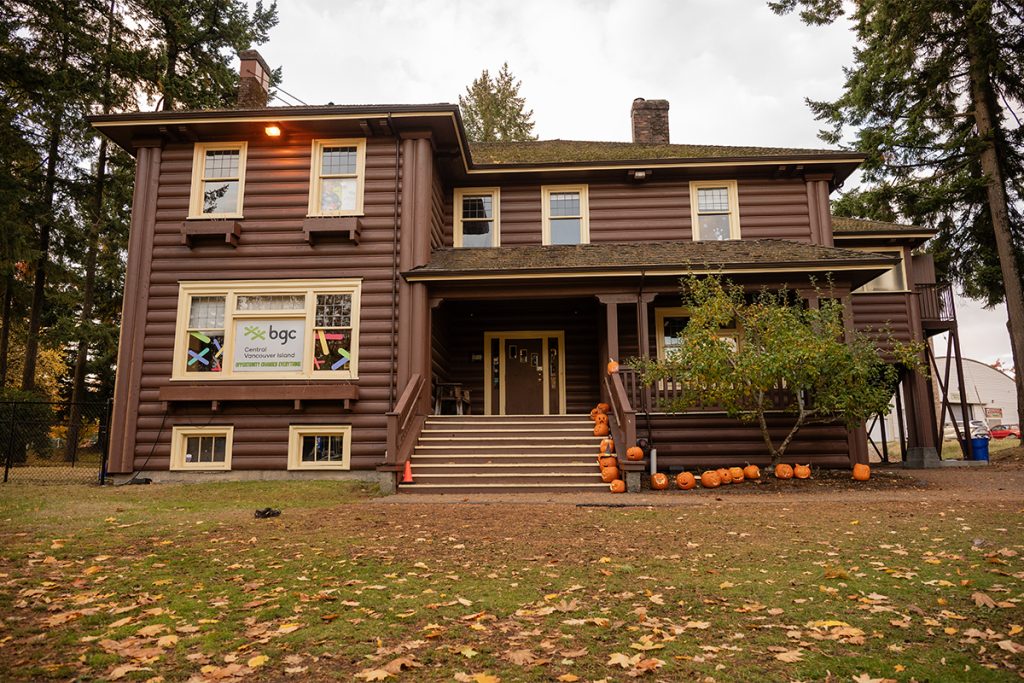
According to Sinn in The Haunting of Vancouver Island, stories of a Chinese boy appearing at Beban House date back to the 1980s when a four-year-old child who was in the daycare in the building drew a picture of a child playing with a red ball. A caretaker recognized the picture, which features a young boy with a long braid of hair dressed in white, with a similar picture drawn by a child four years earlier.
Sinn said that the Bebans had Chinese servants.
“Maybe, some sort of tragedy happened around him,” Sinn said. “I don’t really know. I wasn’t really able to find anything to confirm it.”
Tourism Nanaimo officials have also said that they have heard strange sounds in the building, including footsteps, water faucets turning on and doors and windows being locked or unlocked.
There is also a report of a person who claimed to see a woman standing in an upstairs window out of the corner of her eyes. The woman vanished when she looked again, but it turned out that it was one of the tenants who rented an office from Tourism Nanaimo.
Malaspina Theatre
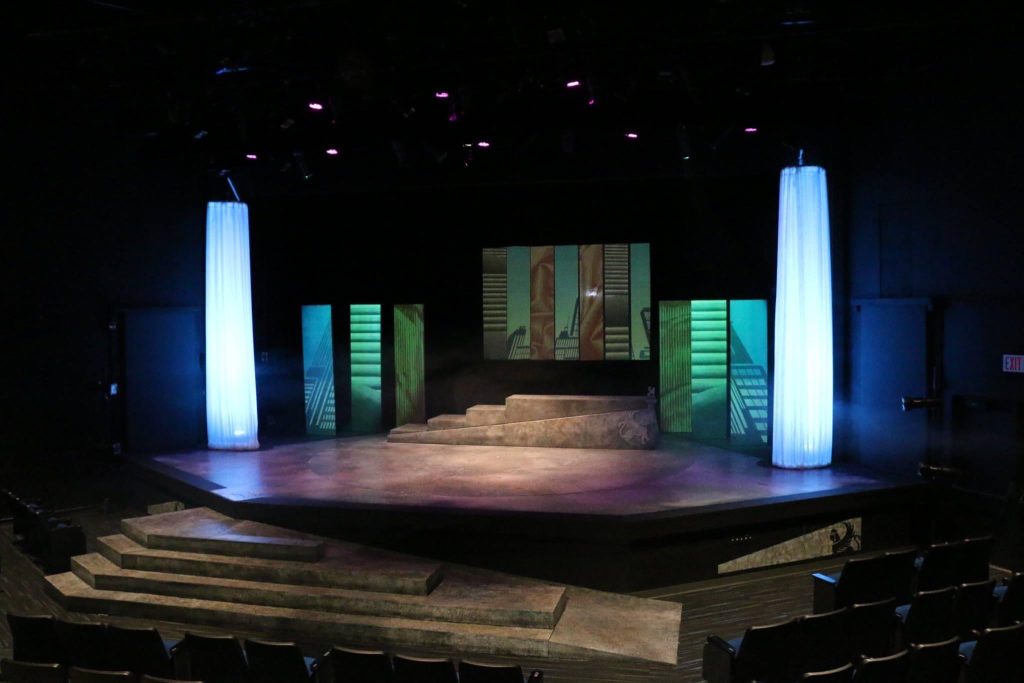
The Malspina Theatre at Vancouver Island University is said to be haunted by the theatre’s former technical director Neil Rutherford, who died in an automobile crash while returning from seeing a play in Seattle in 1994.
In The Haunting of Vancouver Island, Sinn documents how theatre chair Leon Potter has seen photographs taken in the theatre with a “glowing orb” in them. Sinn also says when something unexplained happened in the theatre people would say, “that’s just Neil.”
When Potter’s daughter was seven years old, she asked him who was in the control booth on a night when the two of them were alone in the theatre. Potter replied, “That’s Neil. That’s the ghost of the theatre. He takes care of the place.”
Sinn told The Discourse he doesn’t know why so many theatres are haunted, to the point where it’s a tradition for them to keep a light on for the resident ghost.
“There’s a lot of make-believe [in theatres]. Could that attract entities if these entities are real? I don’t really know,” he said. “It’s really interesting that even small theatres with almost no history seem to have their own resident ghost stories.”
The Old Fire Hall
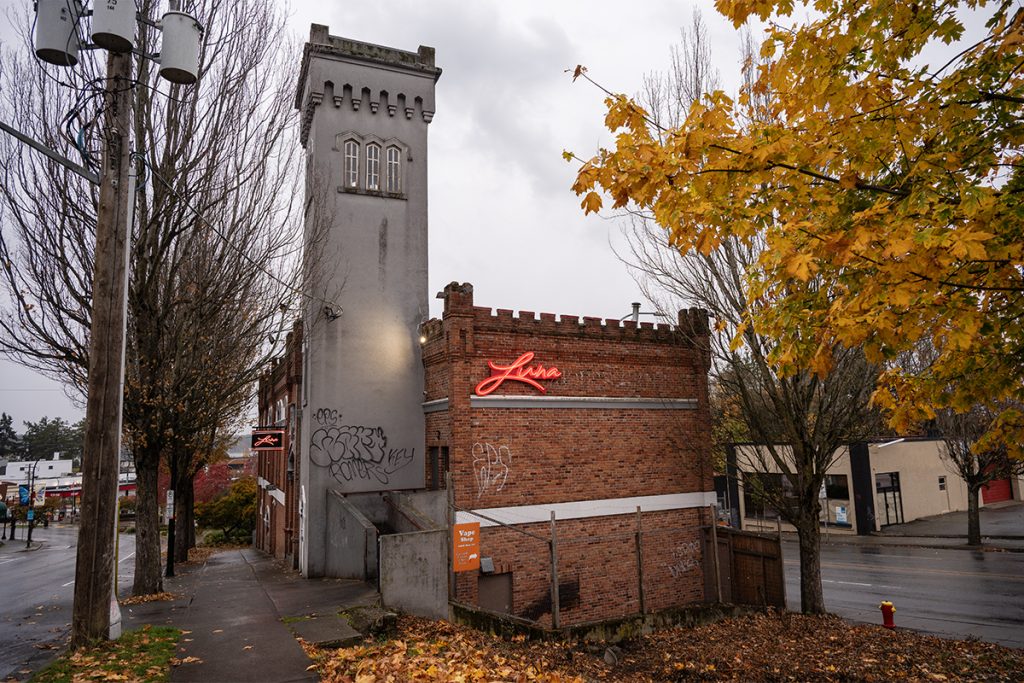
The ghost of fire chief John Parkin, who died in the Old Fire Hall building where he lived with his family, is said to haunt the castle-like building on Nicol Street.
Parkin led the response to a downtown fire in the winter of 1937 that saw him drenched with cold water from the hoses, contracting pneumonia and dying at the fire hall a month later.
The owner of the Iron Oxide art supply store, which was in the building from 2014 to 2023, told Sinn that a hammer once fell off a 12-foot ladder and struck her on the shoulder but she immediately said “thank you” as she felt that someone had guided it away from her head.
Sinn writes in The Haunting of Vancouver Island that the combination of Parkin’s tragic death and passing away in the building meets the prerequisites for traditional ghost stories and his age of 70 also fits with “grandfatherly” ghosts who are there to help.
The Nanaimo Bastion
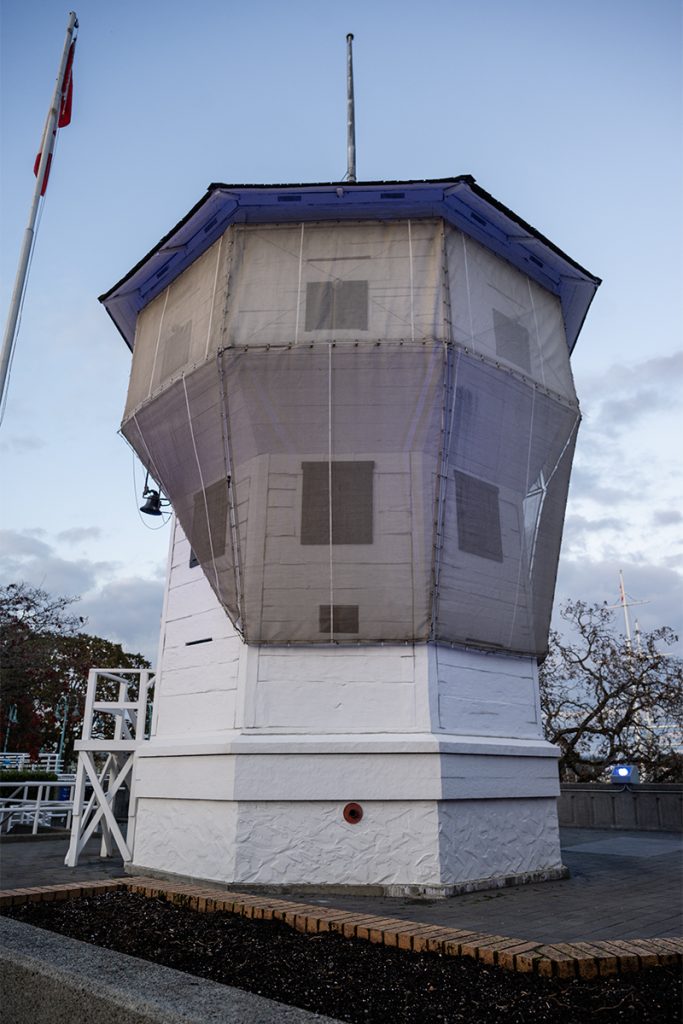
Nanaimo’s number one landmark, the Bastion, is said to be haunted. There have been reports of visitors hearing cannonballs rolling and other mysterious noises.
Nanaimo Museum curator Aimee Greenaway told the Nanaimo News Bulletin in 2015 that she believes the ghost of Joseph Muir, who was a caretaker of the Bastion in the 20th century, is still there taking care of the place.
In 2004, the Vancouver Paranormal Society captured video footage of what they claimed was an image of a bearded man in “the grain of the wood” of the building.
Kanaka Bay
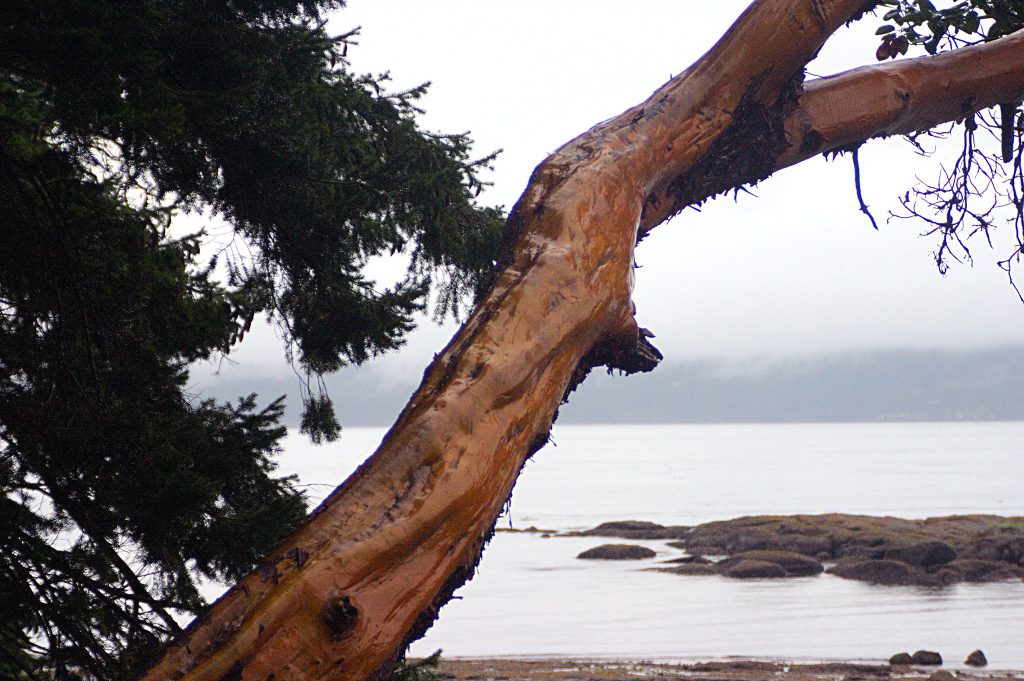
A Hawaiian man named Peter Kakua (or Kanaka Pete) was arrested for killing his Penelakut wife Que-en, as well as their infant daughter and his wife’s parents with an axe before fleeing to Saysutshun Island where he was caught, held in the Nanaimo Bastion and hanged on March 10, 1869.
Noelani Goodyear-Kaʻōpua, a Kanaka Maoli (Native Hawaiian) writer and educator, writes that Kakua was one of hundreds who left Hawai’i to work for the Hudson’s Bay Company and by the mid 1860s was working for the Vancouver Island Coal Company. She said Kakua’s lawyer requested documents from the British Attorney General but never received them and that the independent Hawaiian Kingdom petitioned for mercy and commuting the death penalty.
Sinn said that compared to how local Indigenous people were treated, Kakua got a fair trial with a jury in Victoria and that the evidence in his case was very clear and he “deserved what he got.”
He was buried in an unmarked grave in what is now known as Kanaka Bay, where he was apprehended, as neither the Snuneymuxw or Penelakut People wanted him buried on their land after his crime.
Thirty years after his death, his body was unearthed by the Vancouver Island Coal Mining and Land Company as they dug for a new mine, and was reburied in an unmarked grave.
Gallows Point (Protection Island)
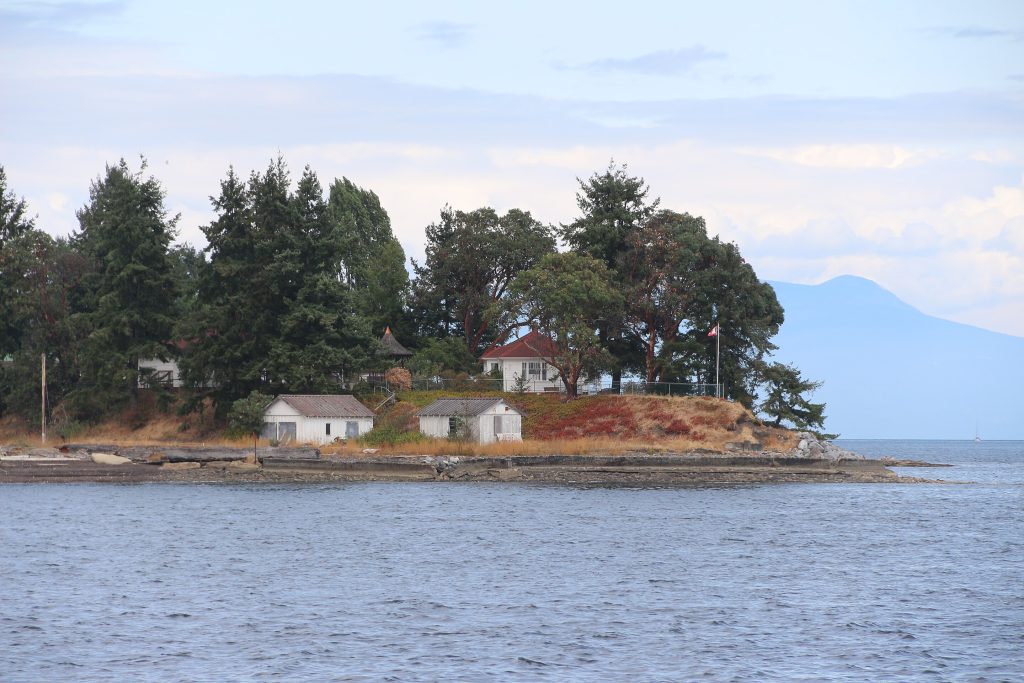
January 1853 saw the execution of two Indigenous men, one from Snuynemuxw and another from Quw’utsun, for the murder of a Hudson’s Bay Company employee and shepherd named Peter Brown.
The governor of the colony of Vancouver Island, Sir James Douglas, raised an armed force to capture the wanted men.
The British forces intimidated Quw’utsun People into surrendering one man but the Snuneymuxw refused to hand over anyone. It took a long pursuit near what is now known as Chase River to capture the wanted man, according to historian Cole Harris in Resettlement of British Columbia: Essays on Colonialism and Geographical Change.
The two men were given a summary trial on the Hudson’s Bay Company steamer Beaver by naval officers before being executed at Protection Island.
In 1918, the Protection Island coal mine shaft at Gallows Point claimed the lives of 16 men who plummeted to their deaths when the cable, which had been corroded by the salty ocean air, on the cab lowering them into the mine snapped.
The bodies of the miners were so mangled that personal effects had to be used to identify the miners. A pocket watch found at the bottom of the crash stopped on impact showing the time at 10 minutes after seven.
What did you think of this story?
Your feedback after we publish a story helps ensure we're always improving our reporting to better serve you
Author

Related Articles

Nanaimo Jazz Festival celebrates 10 years with more than a dozen shows in September
Local and international artists to perform on multiple stages in the city at this year’s Nanaimo Jazz Festival.

Snuneymuxw Elder C’tasi:a shares traditional plant knowledge in new book
‘Plant Teachings from my Auntie’ by Snuneymuxw Elder C’tasi:a and ethnobotanist Nancy Turner delves into traditional plants and plant medicine.
How is The Discourse’s journalism funded?
And what does it cost to produce The Discourse’s in-depth, independent journalism?