
Cowichan SPCA calls for more foster volunteers as demand for space increases
As demand grows for animal shelter space, a team of volunteers and Cowichan SPCA staff are working to make sure animals find a place to call home.
The Cowichan BC SPCA is calling on the community for more foster volunteers. The local branch has been operating without a physical shelter space for two years as they await the construction of the new Vancouver Island Animal Behaviour Centre in Duncan.
This means every surrendered dog, cat or litter of kittens must be placed in a foster home on the same day it arrives, and those homes are filling up faster than they can be recruited according to branch manager Colin Owen-Flood.
The SPCA is looking for at least 30 more households to add to its foster roster in the Cowichan Valley, but he told The Discourse that right now, they’ll “take what [they] can get.”
Currently, there are roughly 30 households in the Cowichan BC SPCA’s network of foster homes, allowing the three BC SPCA staff to continue rescuing animals locally before the new facility opens. However, Owen-Flood said capacity is stretched thin by steady surrender rates driven by economic pressures like housing, people returning to work in offices and the lasting impacts of the COVID-19 pandemic.
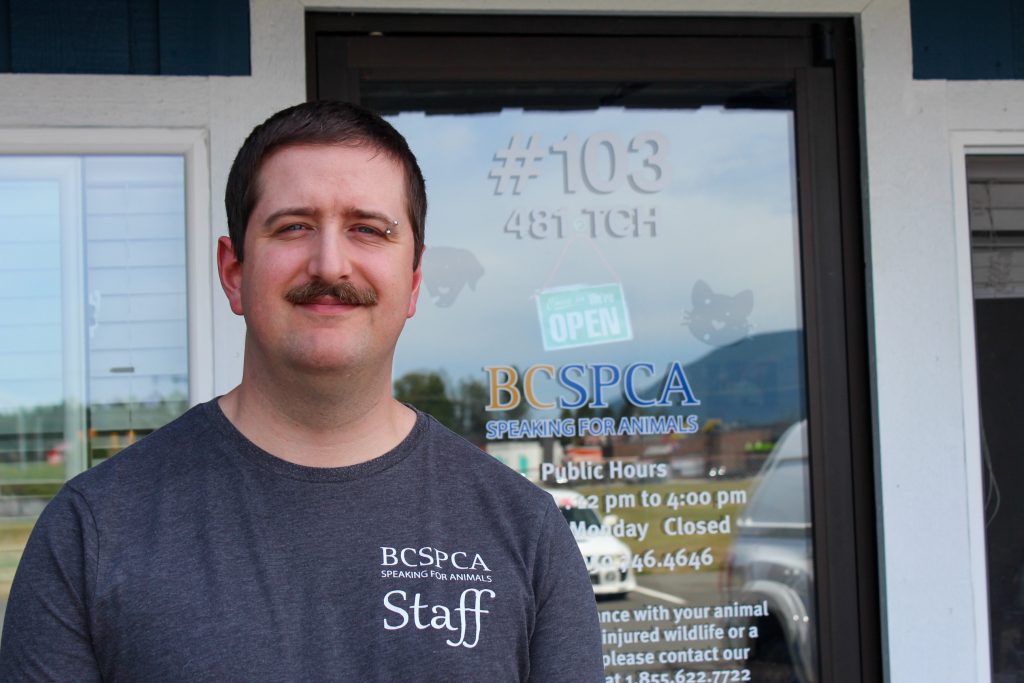
“It’s a pressure that we’ve seen increase over the last five, six years. There’s a lot more surrenders these days, and [the pandemic] kind of hit us awkwardly with the amount of unfixed animals,” Owen-Flood said.
Reporting last year by the CBC found that the rising cost of living is a major factor driving surrenders across the country. Other shelters are seeing an uptick in pet food bank usage even when surrender rates stay steady.
Without a major expansion of local foster homes, Owen-Flood said surrendered animals will increasingly have to be redirected to already crowded facilities in Nanaimo or Victoria.
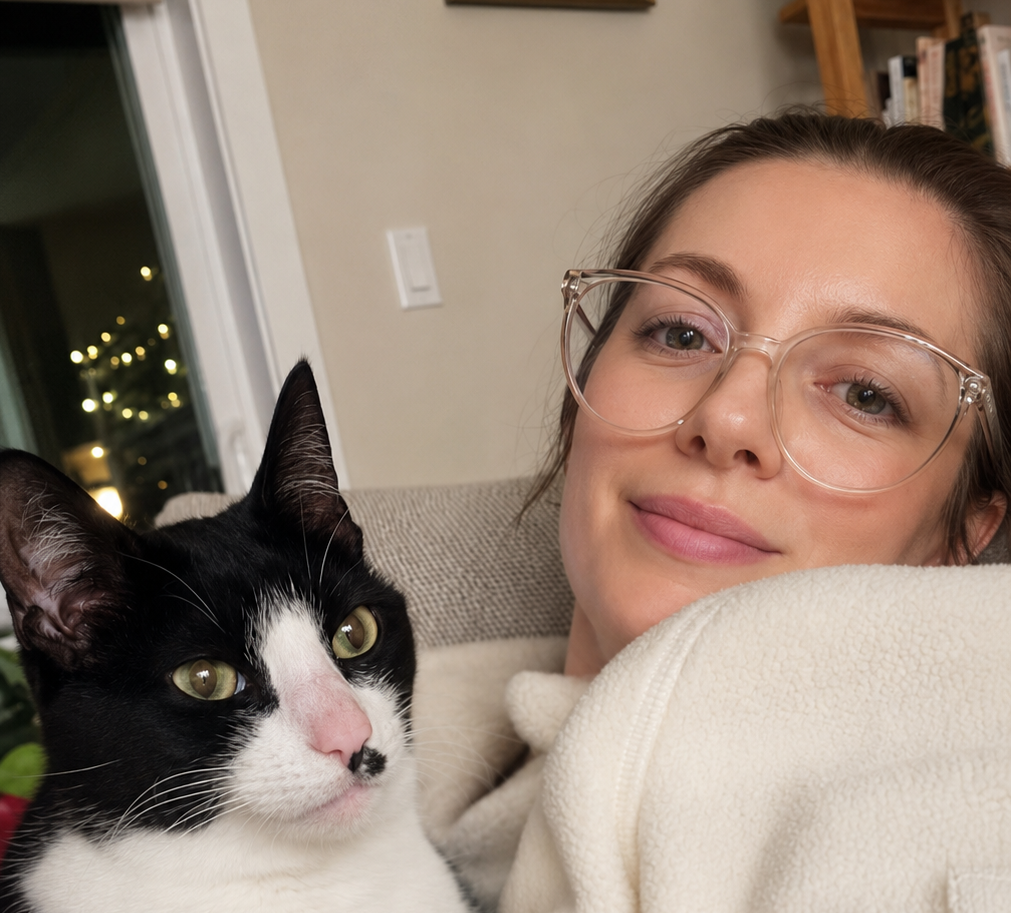
Beyond meeting demand for space, foster homes play a critical role for the SPCA as a shelter environment can be stressful for animals, according to Vivien Albrecht who is a current foster volunteer in the Cowichan Valley.
“A foster home gives animals space to decompress, heal, grow or learn to trust people again,” she said.
Lack of shelter forces creative solutions
When an animal arrives at the Cowichan BC SPCA’s temporary office, its stay is measured in hours rather than days. Without a brick-and-mortar shelter, the staff cannot keep animals overnight. When a pet comes in, the clock starts.
“We have to have an animal out by the end of the day into a foster,” Owen-Flood said. “So, we try and get that lined up beforehand to have the animal come in, do our physical triage, give them a once-over if they need to go to a vet … and then have them go to the foster by the end of the day.”
Compared to the two or three days they would have with a permanent shelter, this is a tight turnaround, Owen-Flood added.
In the instances where there isn’t room in local foster homes, the animal will be sent to facilities in Nanaimo and Victoria.
Owen-Flood said that thanks to foster volunteers, they have been able to foster around one third of the animals they take in while the rest are sent to other facilities.
The BC SPCA as a whole had more than 1,000 animals in its care at the end of 2025 according to a report from the organization.
Last year, the Cowichan SPCA took 215 animals into its care, 98 of which were owner surrenders.
So far in 2026, the branch has taken in 37 owner surrenders.
Foster homes provide unique environment for animals
While staff at the SPCA handle the logistics of placing an animal, it’s the foster home volunteers that see to the long-term care in the absence of a permanent shelter.
Foster homes also play an important role in the adoption process of animals, according to Albrecht.
“As a foster parent, I can learn more about each animal’s personality, which can help the BC SPCA find the right adopter for the animal,” she said.
Albrecht added that the daily work of caring for foster animals comes with its own rewards.
“The most rewarding part is seeing an animal start to relax and trust you,” she said. “Those small moments, like the first purr, the first time they come over for affection, or seeing them gain confidence, are really special.”
Finding a perfect match can be challenging
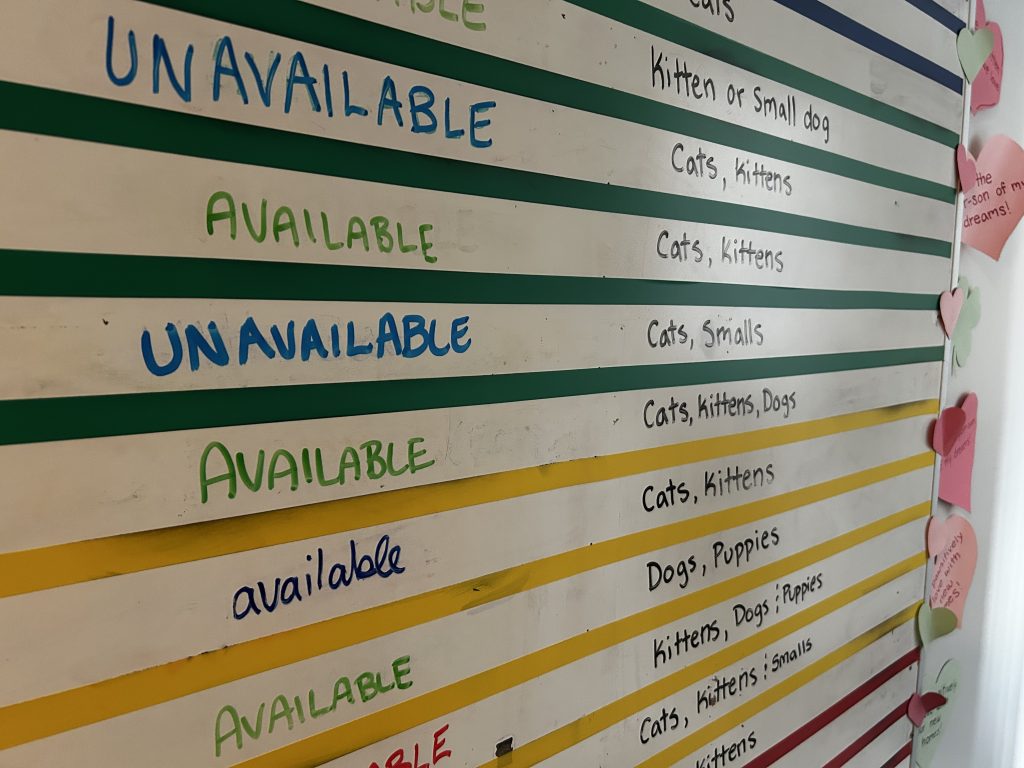
While the branch has about 30 registered foster homes on paper, Owen-Flood noted that finding the right home for the right animal is a balancing act. Some volunteers are only able to foster cats while others are unavailable during busy times of the year, like during summer months.
The most acute shortage right now is for homes that can foster dogs, which typically require more specialized care and are “tricky to foster” with other animals in the house.
“Getting people that are flexible is one thing, and being realistic about what fostering is going to look like [is another],” Owen-Flood explains. “Because a lot of people express interest and then summer comes along and they want to go on vacation, or they have a work schedule that doesn’t really work with it.”
Many of the dogs that enter the SPCA’s care are extremely fearful, have behavioral challenges or have never lived indoors before. In some situations, foster volunteers are required to have a home layout that allows them to keep the foster animal completely separated from their own pets, Owen-Flood said.
“Genuine dog fosters that we can reliably use, and will be able to take an animal for the whole time it is with us, is a very rare thing to have,” Owen-Flood said. “We always encourage people to apply for it, but be realistic about what you feel comfortable handling in your home.”
New facility aims to set animals up for successful adoption
Owen-Flood and the other staff at the Cowichan SPCA are eagerly awaiting the opening of the Vancouver Island Animal Behaviour Centre which is scheduled for later this year.
The BC SPCA said the facility will be the first of its kind in Canada and work to rehabilitate animals already in care and those that are struggling in normal shelter spaces.
He described the differences between the new facility and a traditional shelter similar to those between a regular hospital floor and an intensive care unit, with more resources being dedicated to each animal.
“So we’ll identify candidates for the behavior program, and then they’ll come to this center for continued care and hopefully get them turned around and up for adoption,” Owen-Flood said.
Owen-Flood said anyone interested in becoming a foster volunteer can sign up on the BC SPCA website.
If selected, volunteers will receive support from the BC SPCA in the form of training, supplies and food for their foster animal.
What did you think of this story?
Your feedback after we publish a story helps ensure we're always improving our reporting to better serve you
Author

Related Articles
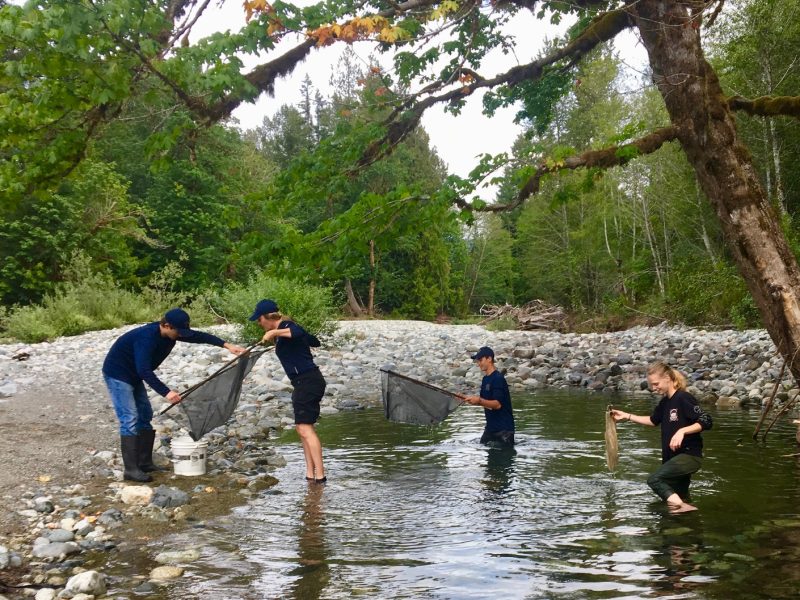
What to do and who to call when juvenile salmon are in danger
Officials say Cowichan Valley residents should call experts to move salmon in isolated pools because of risks associated with relocation.
How is The Discourse’s journalism funded?
And what does it cost to produce The Discourse’s in-depth, independent journalism?
Behind the backlash to the Cowichan Valley’s comprehensive zoning bylaw
The campaign against Bylaw 4710 was fuelled, in part, by misinformation and an organized group of advocates. What could this mean for the future of local politics?