
Salmon are returning to Cowichan Valley rivers — here’s where to see them
While returns are improving, advocates say the vital fish still need protection.
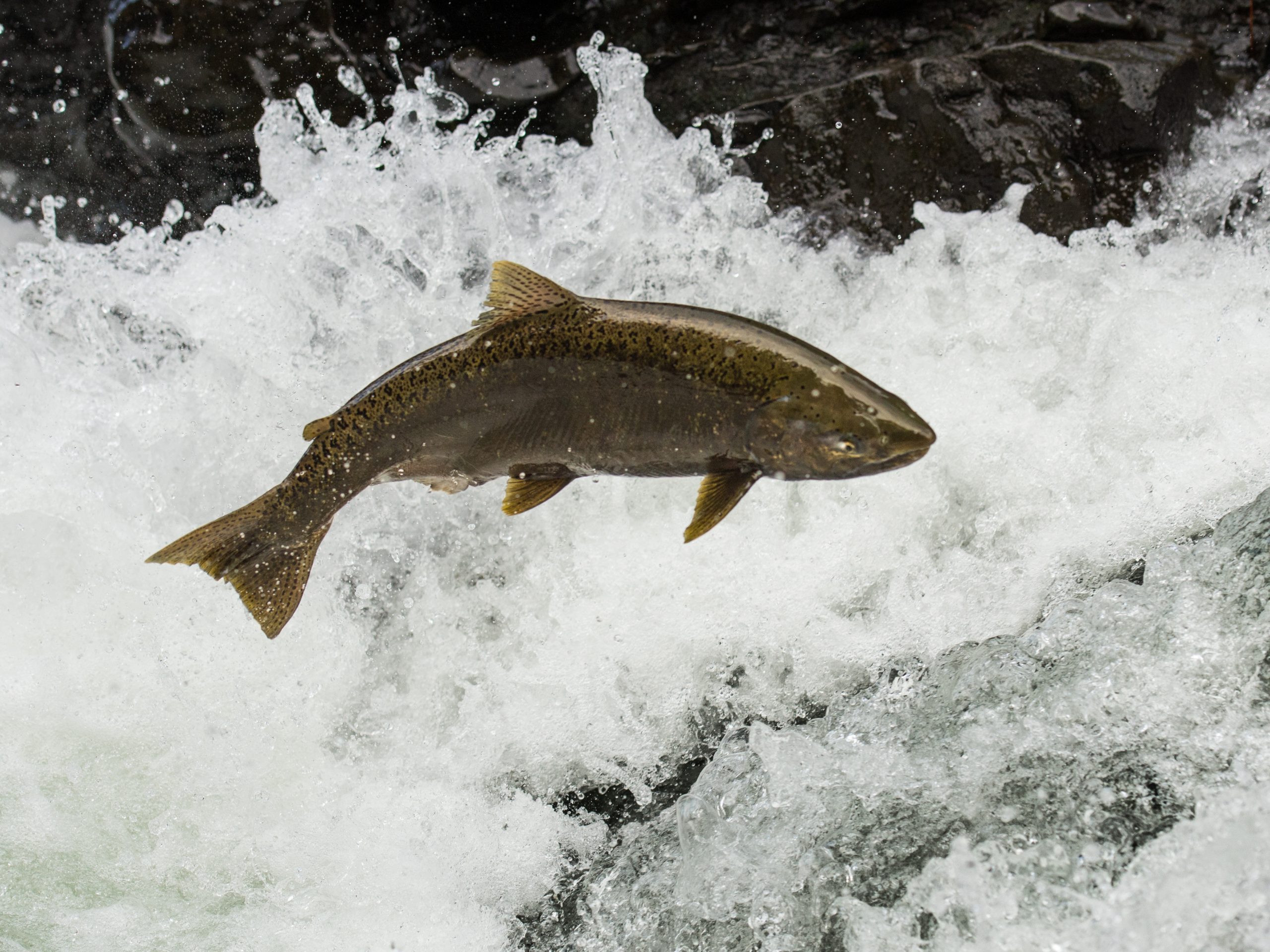
With the return of fall weather and rain, thousands of salmon in Cowichan Bay and other inlets around Vancouver Island are preparing to head to their spawning grounds. Their homecoming draws locals and visitors alike who gather to watch the salmon jump and splash up rivers, creeks and streams.
Salmon are also making headlines for a different reason.
Jeff Kibble, member of parliament for Cowichan—Malahat—Langford, told CHEK News that salmon returns are the highest they have ever been. He called for an emergency debate in the House of Commons on proposed recreational and commercial fisheries closures, citing concern over loss of profit and impacts on the recreational fishing industry.
“In the last few years, salmon stocks in B.C. have been healthy and are at record levels,” he said in an address to the Speaker of the House of Commons.
According to the BC Wildlife Federation, the proposed fishery closures are intended to help protect southern resident killer whales following a 2024 petition to the federal government. Fisheries and Oceans Canada worked with Indigenous and coastal communities to identify five measures that could be introduced in 2026 to support southern resident killer whale populations.
Two of those measures — one adjusting the timing and boundaries of recreational and commercial fishing closures, and another implementing rolling closures for chinook salmon fishing — are aimed at addressing the reduced availability of salmon, a key prey species for the whales.
W̱SÁNEĆ Elder ZȺWIZUT (Carl Olsen) from Tsartlip First Nation — who has been protesting a provincial highway project that could disrupt Goldstream Park and its salmon-bearing stream for almost three years — said Kibble’s statement isn’t true.
He said salmon returns have improved in recent years, but the numbers are still not as good as they should be to be sustainable.
“I’m 77-years-old and I fished with my dad. That’s when there was fish around and you could see them in the water. We’re not at that stage, we’re not even close to that stage,” Olsen said.
Last year, at Cowichan River Day, Quw’utsun Elder John George spoke of how the river and the salmon in it have changed. He noted that when fishing became a larger industry for profit, the salmon suffered.
“In the past … around this time, there would be so much salmon in our river. You could walk from one side to the other stepping on the salmon as you cross over to the other side of the river,” George recalled.
The Discourse has reached out to the office of Jeff Kibble for comment but did not hear back in time for publishing. The story will be updated if comment is received.
How are the salmon doing this year?
At every stage of their life, salmon face threats from predators, climate change, human activity, development and more.
Chinook salmon are typically the first to return to the rivers in the fall, with coho and chum following later in November.
According to a Fisheries and Oceans Canada escapement bulletin for the Cowichan River — which tracks how many salmon survive pressures from commercial fishing and natural predators — 18,740 adult chinook salmon returned to the river between Sept. 8 and Oct. 24 this year, exceeding the 2024 return of about 10,000.
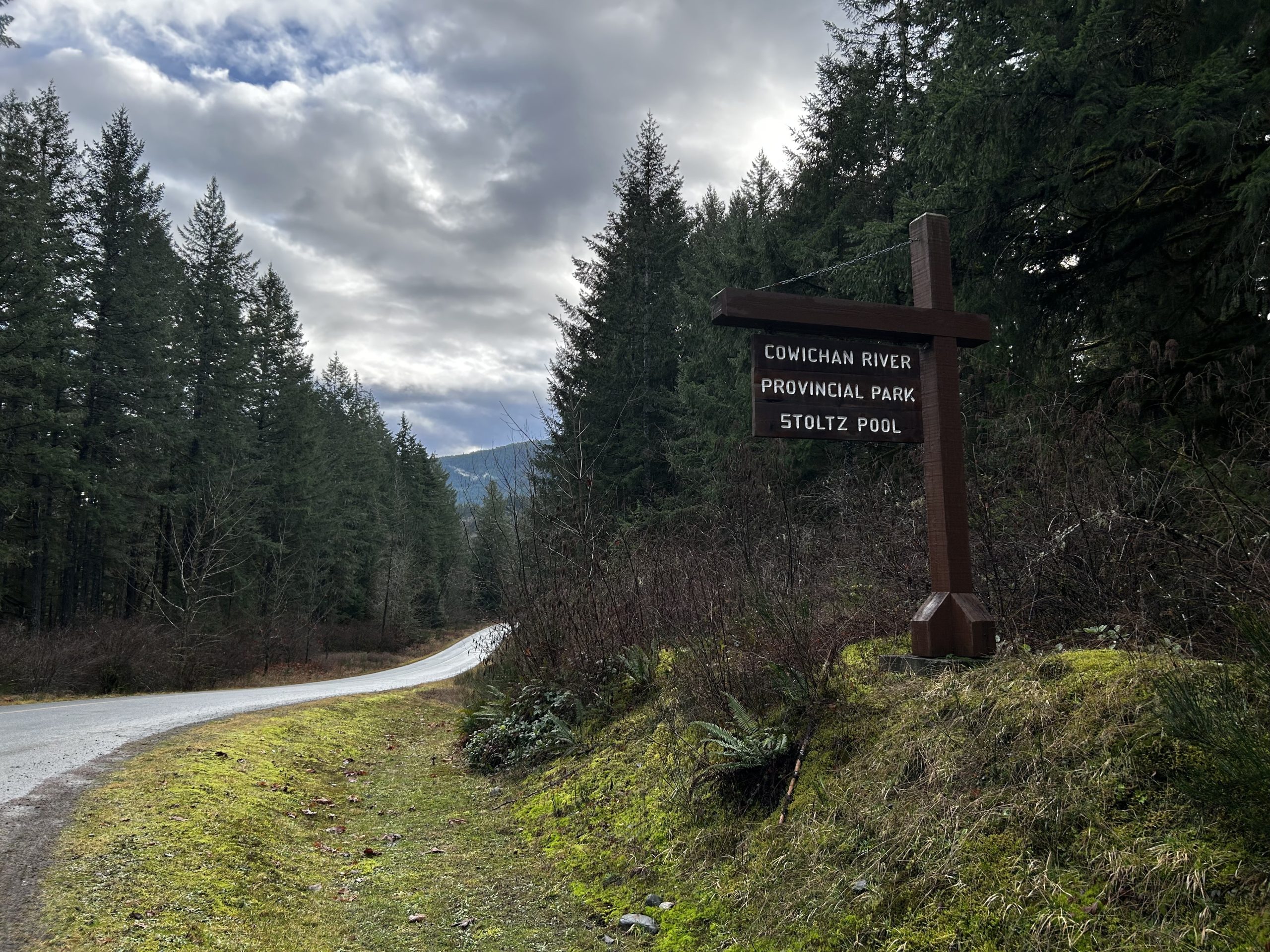
Fish are monitored in the river through a combination of physical counts, cameras, sonar and electronic tags. A counting fence located just downstream of the Allenby Road bridge funnels fish through a passageway where counters can identify the species and estimate their size.
This marks the eighth consecutive year that chinook returns have topped 10,000 in the Cowichan River.
However, while returns are improving, Meghan Rooney of Watershed Watch Salmon Society told The Discourse that numbers remain lower than they have been historically, and data shows a general decline across many salmon populations.
Salmon face threats not only outside the river but within it as well. Rising temperatures and drought can have serious impacts on juvenile salmon that spend time in the river over the summer. When water temperatures rise above 20 C, salmon — which are adapted to cold water — begin to show behavioral and physiological changes and may die.
At Cowichan River Day this year, Cowichan Tribes biologist and natural resource consultant Tim Kulchyski told The Discourse that summer temperatures in the river hovered just around this danger zone for salmon, but fortunately did not reach the levels that caused the large fish kill in July 2023, when more than 84,000 fish died in the river.
Read also: Community project honours 84,000 fish that died in Cowichan River
The proper etiquette for salmon viewing
Salmon runs typically begin in October and peak toward the end of November. Rooney said they’re ramping up now with the recent rainfall, making for good viewing conditions.
She suggested that anyone interested in watching the salmon follow local streamkeeper groups or outdoor enthusiast Facebook pages to make sure they catch the runs at the right time.
- Cowichan Tribes Lulumexun
- Somenos Marsh Wildlife Society
- Cowichan Watershed Board
- Cowichan Lake and River Stewardship Society
Viewers are also encouraged to be quiet and avoid disturbing the spawning grounds when there.
“We want to do everything we can when we’re out witnessing them to minimize any stress we might add,” she said.
Those planning to bring dogs should keep them leashed, stay out of the water and watch for other wildlife — including black bears — that are also drawn to the rivers by the returning salmon.
Where can you watch the salmon run in the Cowichan Valley?
- Skutz Falls: Salmon can be viewed during spawning season at Marie Cayon and the manmade fishladder.
- Holland Creek: The trail follows a 5.8-kilometre route around the creek and is wheelchair accessible from the Methuen / 6th Avenue entrance.
- Stocking Creek Park: A more difficult trail but it does offer salmon viewing in Stocking Creek.
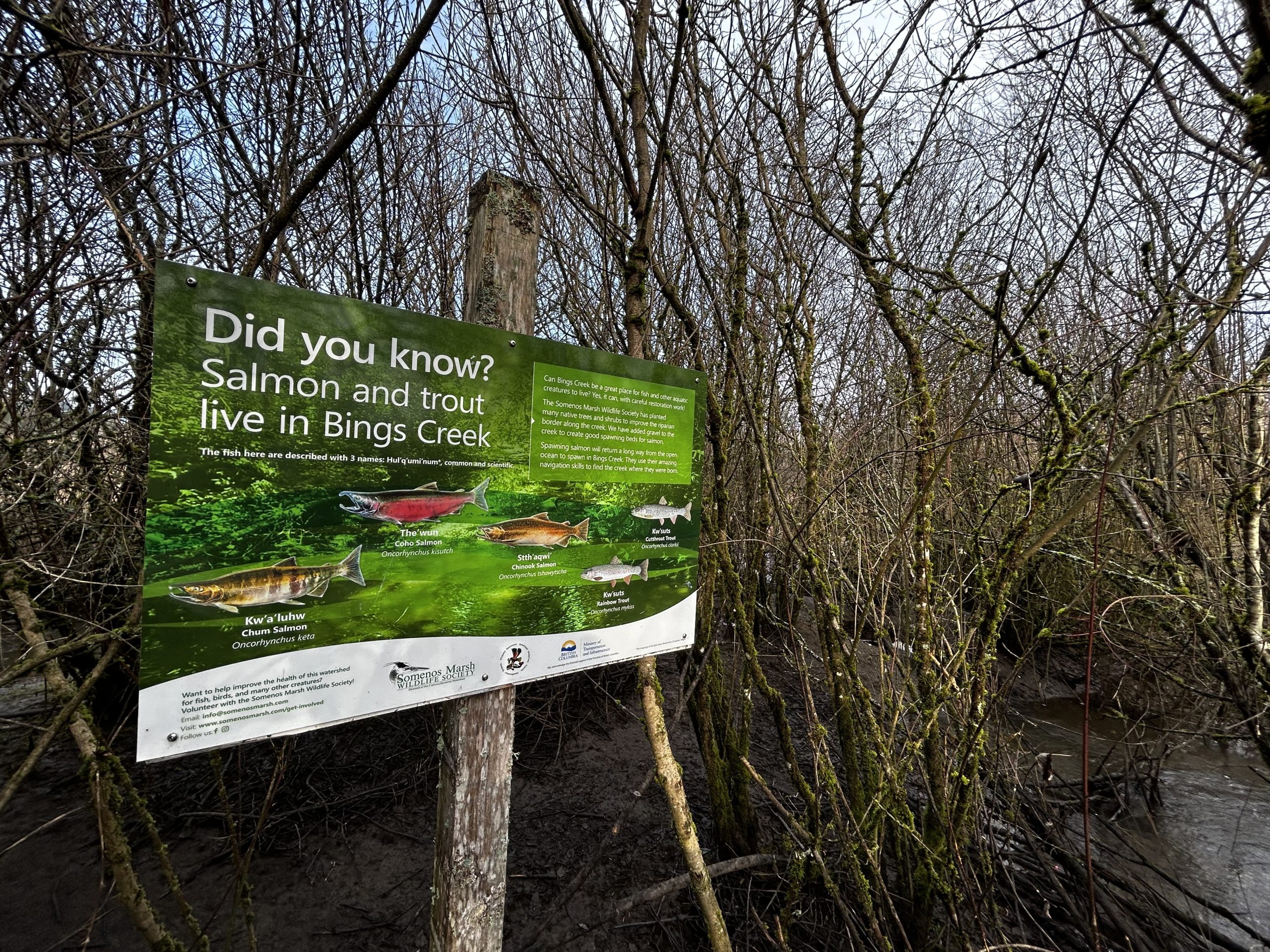
- Averill, Menzies and Bings creeks: Salmon can be seen spawning along the Friendship Trail. Averill creek is one of three that drain into the Somenos watershed and is home to coho and chum salmon, as well as coastal cutthroat trout. Read The Discourse’s coverage of the Somenos Marsh Wildlife Society’s efforts to protect salmon in this watershed here.
Shawnigan Creek: This isn’t a natural spawning creek for coho salmon, but thanks to volunteer efforts by the Mill Bay and District Conservation Society — which transports salmon up a series of waterfalls to ideal spawning areas — salmon can now be seen here. The site is accessible via a trail at the intersection of Shawnigan-Mill Bay Road and Barry Road.
What did you think of this story?
Your feedback after we publish a story helps ensure we're always improving our reporting to better serve you
Author

Related Articles
Voting in the 2026 Cowichan Valley local elections? Here’s what you need to know
Where, when and how to cast your ballot in North Cowichan, Duncan, Ladysmith, Lake Cowichan and the Cowichan Valley Regional District for the 2026 local elections.

Cowichan Valley candidates on protecting the community from climate change
Candidates in Duncan, North Cowichan, Ladysmith and Lake Cowichan share the steps they’d take to protect the community from the impacts of climate change.
Here’s how Cowichan Valley’s municipal candidates will respond to the homelessness and mental health crises
Cowichan Valley’s 2026 candidates share how they’d respond to issues related to homelessness, mental health and addiction.