
An on the ground look at the toxic drug crisis in the Cowichan Valley 10 years later
Harm reduction workers in the Cowichan Valley reflect on the lives lost and changes needed to address the ongoing crisis.
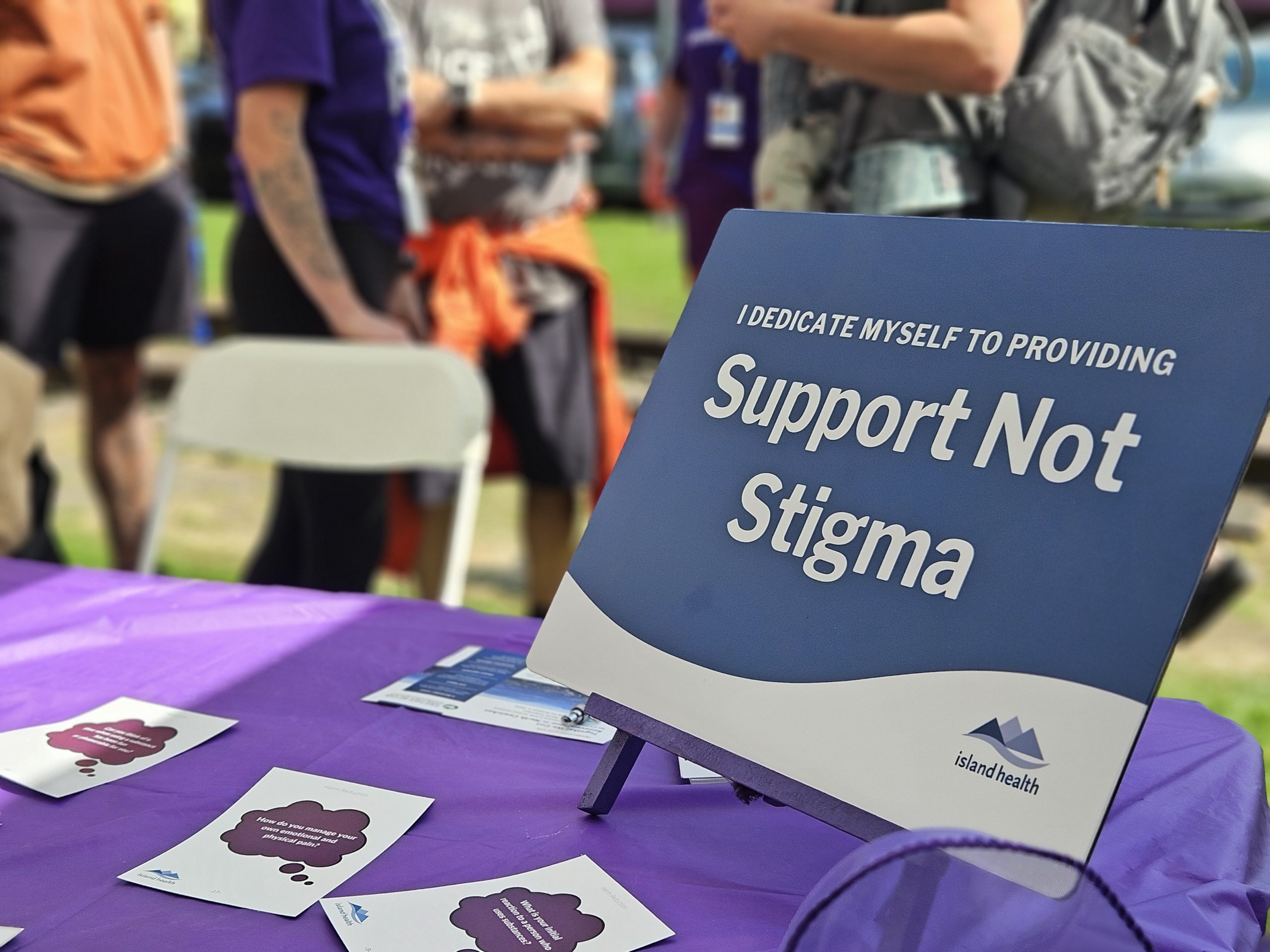
Daniel Donohoe will always remember when his dad compared the toxic drug crisis to his time spent in the army.
“He lost his friends in war, but he says, ‘I think you’ve lost more friends than I have in my army days,’” Donohoe recalled in a phone conversation with The Discourse.
Donohoe was calling from Victoria, where he does harm reduction work on Pandora Street with SOLID Outreach Society. He also works throughout the Cowichan Valley doing harm reduction for Island Health. Just a few days ago, he lost another friend to overdose.
“It’s really quite profound. Maybe that PTSD [post traumatic stress disorder], our PTSD, is still to come.”
April 14, 2026 marked 10 years since the toxic drug crisis was declared a public health emergency in B.C. Since then, more than 18,000 people in the province have died from toxic drugs according to data from the BC Coroners Service.
The crisis continues to disproportionately affect Indigenous people who are dying at 5.4 times the rate of other B.C. residents.
In the Cowichan Valley, 38 people died from toxic drugs in 2025, down from 48 in 2024.
As someone who works on the frontlines, Donohoe can see the action that has come from declaring the crisis a public health emergency. The province has seen some changes over the years, such as the expansion of harm reduction care through initiatives like the lifesaving Take Home Naloxone Program.. And Donohoe said he is noticing less stigma against people who use drugs.
But despite those steps forward, he said an unstable drug supply, new and more dangerous additives such as medetomidine and a lack of detox and treatment resources still pose challenges for people struggling with substance use disorder.
“In so many ways we’re doing the right things, but in a lot of ways we could do more,” he said.
Overall, Donohoe said the crisis is a mix of worse and better. On one hand, the toxic drugs of today are more dangerous. On the other hand, he said the system of community providers has taken steps forward to humanize people who use drugs and the toxic drug crisis.
When it was first declared, the crisis really felt like an emergency, said Tracey Thompson, Island Health’s regional harm reduction coordinator for the South Island.
The declaration directly led to the expansion of take-home naloxone and opioid agonist treatment therapy and laid the foundation for a support system for people who are using substances in the community.
But Thompson said recent moves made by the New Democrats in B.C. also make it feel as if the crisis isn’t as urgent, despite the ongoing impacts toxic drugs are having on communities.
Recent controversy and political pushback led the New Democrats to roll back some of the major drug policy changes they made, such as the decriminalization of illegal drugs and what is colloquially termed safer supply, a move criticized by many in the province.
“Even though we are trying our best and there are many people working hard to continue the movement forward, when something’s declared an emergency, and we’re 10 years into it, that urgency feels like it’s not there,” Thompson said.
Cailey Foster, a coordinator with the Cowichan Community Action Team, said the rollback of decriminalization has shifted the dynamic between the peers she works with and law enforcement. She said peers have become more cautious around police, posing a challenge for the Community Action Team as it works to build relationships between peers and RCMP officers.
Donohoe said he wants to see more resources for detox and treatment centres. He said one of the biggest challenges is timing. When someone is ready to seek help, there is often nowhere to send them.
“They have a moment where they want the help and then you can’t get them anywhere,” he said.
“You can’t say come back in two months, because by then it’s a whole other level, or who knows where they could be.”
More housing, detox and treatment options needed
Donohoe said he sees the lack of supportive housing options and post-treatment care as a big gap in the system that needs to be addressed in order to prevent people from relapsing and “slipping through the cracks.”
“Sometimes it really feels like a revolving door,” he said.
Timing is extremely important when a person is trying to access treatment. Not only do they need to be willing to seek help, but a bed must also be available at the same time and more often than not, there aren’t any, according to Donohoe.
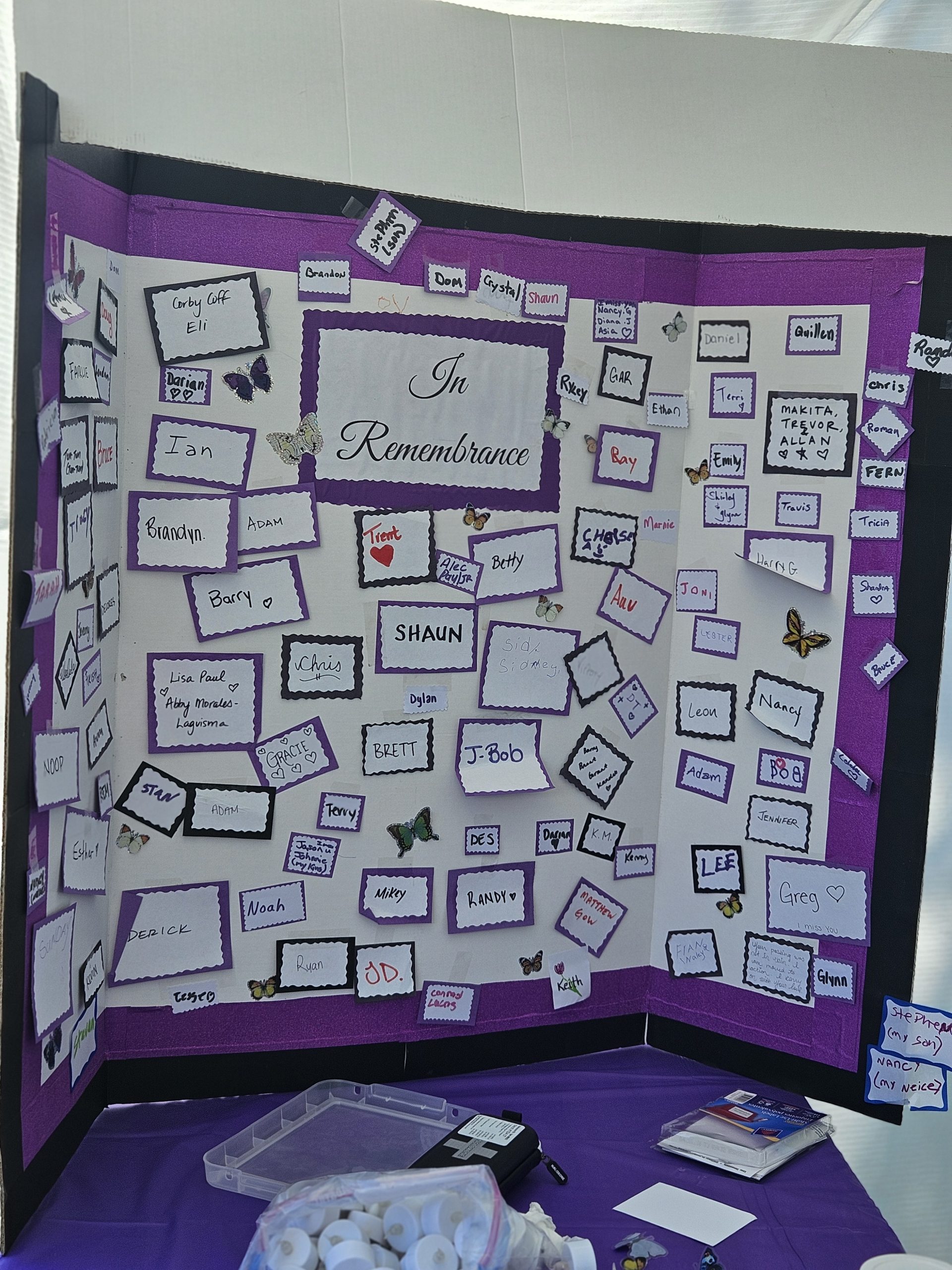
“It’s this perfect terrible storm of poverty, housing, mental health and substance use all intersecting together, which has made this extremely challenging,” Thompson said.
Thompson said the system of care needs to continue expanding to ensure that when someone is ready to make a change, the support they need is there to meet them.
Donohoe and Thompson both agreed that a greater focus needs to be placed on regulating the supply of toxic drugs, but not at the cost of criminalization.
She said the approach needs to be from a “health care lens” to be drawing people into services rather than using enforcement and criminalization, which pushes people away and isolates them even more.
“And when people are already feeling the stigma and experience that isolation, they put themselves at much greater risk for death and injury from a toxic drug event,” she said.
How has the crisis changed?
Like other places in the province, Donohoe said the introduction of medetomidine, a veterinary tranquilizer which is mixed with opioids and is resistant to naloxone, is changing how harm reduction workers are able to care for people.
“The actual toxic drugs that are out there are definitely worse and I think they’re reaching people of all ages and of all places,” he said.
The demographics of the crisis in the Cowichan Valley are changing as well. Donohoe said he’s seen an increase in younger people who are using illicit drugs, especially young women.
The provincial rollback of decriminalization has also had an impact on relationships between peers and law enforcement in the Cowichan Valley, according to Foster.
She pointed to a program the Community Action Team leads where peers share their lived experiences with RCMP officers. It has seen some success in building relationships but with the rollback, Foster said she has noticed that some peers are more cautious around officers.
“Some of the peers are a little more cautious in their conversations, but there was some really nice relationship building going on with that and that’s worth pursuing,” she said.
Finding hope in an ongoing crisis
Foster and Thompson said they are both hopeful of new avenues for accessing treatment like Access Central, a recently-launched phone line that connects people with the care they need..
Callers can self-refer to receive an assessment for addiction medicine and substance use care, a consult for opioid agonist treatment and an individualized care plan.
Foster recalled a peer she spoke with who used the line and was able to access treatment quickly and without any stigma.
“A doctor called back a couple hours later and that day, the person had a prescription and a plan to start substituting their street drugs,” Foster said.
Between Jan. 19 and March 21, 2026 Access Central received more than 3,900 calls, according to Island Health.
While Donohoe spends his days administering naloxone and supporting people on the front lines, he said he feels there is more that could be done to help reverse the toxic drug crisis that continues to kill people.
“We are saving lives. There is no question about it. Do I think we can do more? I do, because where is it going to be 20 years from now? And will it just keep being like this? Or will it get worse?” he said.
Donohoe said the long term outcome of the crisis will depend on how we as a society decide to respond to it, from harsher punishments for drug suppliers to expanding supportive housing, shelters, detox and treatment centers.
He noted that the large amount of resources and moving parts that need to work in tandem make this crisis an enormous challenge to tackle.
What keeps him going are the success stories he sees first hand with the people who are able to transition from severe addiction to accessing treatment.
“It’s nothing short of a miracle,” he said.
With files from Mick Sweetman.
Further
Deep Dive: Vancouver Island’s overdose emergency
A collection of stories from The Discourse covering the toxic drug crisis on Vancouver Island.
BC’s Toxic Drug Crisis Hits a Grim 10-Year Anniversary (The Tyee).
B.C. declared toxic drugs a public health emergency 10 years ago. Has it made a difference?(CBC).
First Nations still disproportionately affected, but toxic drug deaths dropped last year (Times Colonist)
What did you think of this story?
Your feedback after we publish a story helps ensure we're always improving our reporting to better serve you
Author
Related Articles
What to do and who to call when juvenile salmon are in danger
Officials say Cowichan Valley residents should call experts to move salmon in isolated pools because of risks associated with relocation.

How is The Discourse’s journalism funded?
And what does it cost to produce The Discourse’s in-depth, independent journalism?
Behind the backlash to the Cowichan Valley’s comprehensive zoning bylaw
The campaign against Bylaw 4710 was fuelled, in part, by misinformation and an organized group of advocates. What could this mean for the future of local politics?