
Cowichan Valley Youth Services receives $1 million federal grant to expand youth mental health support
The funding will allow the organization to expand mental health outreach and lay the groundwork for the next 50 years — but leaders say the need still outpaces resources.
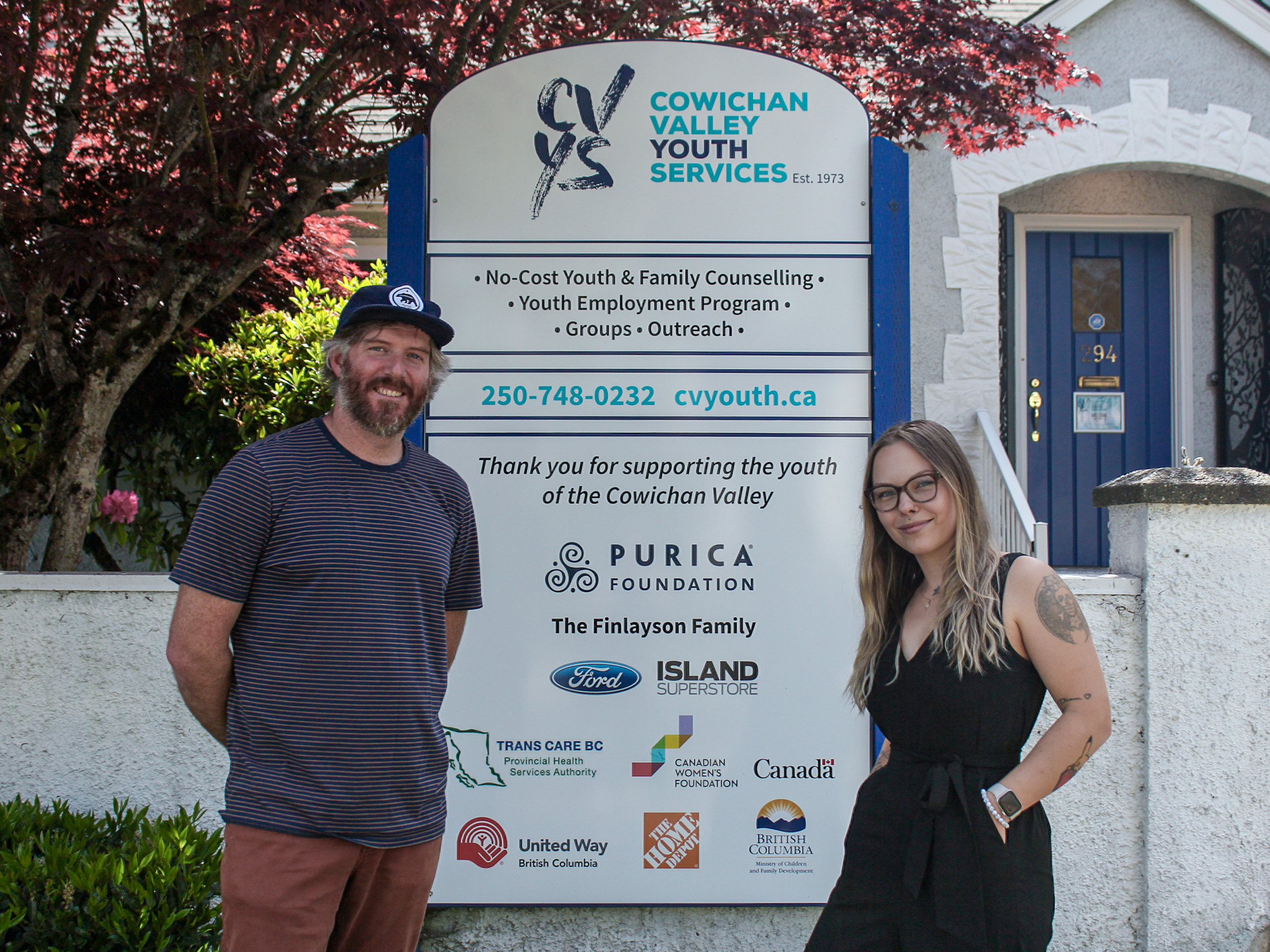
A local youth services organization has received an approximately $1 million grant from the federal Youth Mental Health Fund, which the group says will help build a foundation to continue supporting youth for decades to come.
The funding will allow Cowichan Valley Youth Services to expand its mental health outreach services, refocus efforts on its programming, alleviate fundraising pressure and create a long term strategic plan that will guide the organization for 50 plus years.
The announcement came as a genuine surprise to executive director Zoe Lauckner who said they waited 10 months for a decision.
“I had long given up. You know, I’ve been a fundraiser for 11 years. If you don’t hear from a grant after three or four months, it’s gone,” Lauckner told The Discourse in an interview.
Despite expanding organizational capacity to help local youth, Lauckner said the waitlist to access services is still long and growing. She said this sector is chronically underfunded but ultimately, she would like to see every youth get the care they need.
“I am always hesitant about these funding announcements because the need is still bigger than the financial resources that we have and it’s still knocking at the door,” she said. “Community support is always important.”
Meeting youth where they are
Cowichan Valley Youth Services is one of four B.C. organizations listed as receiving a grant from the federal Youth Mental Health Fund.
Lauckner said Between 800 and 1,000 people, either youth or their caregivers, access services through Cowichan Valley Youth Services annually — and that number is growing. The organization’s mental health programing is also seeing an increase in youth and caregivers accessing care, compounded by the ongoing housing and cost of living crisis.
But the rural nature of the Cowichan Valley makes it difficult for youth and caregivers to physically access mental health support, which Lauckner said was made even more apparent during the seven-month transit worker strike last year.
Lauckner said the federal funding has allowed the organization to hire two new mental health outreach staff to meet youth wherever they are located across the Cowichan Valley.
“If youth live in rural parts of the Cowichan region and rely on public transport — even when it’s in operation — it’s still difficult to come into Duncan. So our outreach counselors are out there meeting youth where they are in their home communities to bring services to them,” she said.
Among the new staff hired is Liam Law who is Cowichan Valley Youth Services’ new director of programs. His Role will be to make sure that all mental health programs are evidence based and delivered equitably.
Law said young people are increasingly struggling with real-world connection, spending more time online and becoming more isolated — trends he was careful not to attribute solely to technology.
“It is really clear that social media has been very bad, particularly for young women,” he said, adding that suicidal ideation and self-harm are also more prevalent, particularly among young women and girls.
“We’ve been able to expand capacity, but we’re also deepening what we do. We’ve been given this opportunity to look at what we can do so we can align our practices. We can make sure our services are serving the right people.”
Funding pressures force CVYS to think out of the box
The Discourse previously reported on federal funding cuts to Cowichan Valley Youth Services’ now shuttered Youth Employment Mentorship Program, which had been running for 20 years.
“Funding agreements would just roll over with no pause in service and then in July, we just got a formal email that says you are not retained for funding. No response at all. No explanation.” Lauckner said.
Following the sudden loss of funding, a private citizen gifted the program $500,000 to keep it going.
“We managed to stretch the program more than 12 months, into about 16 or 18 months,” she said.
Lauckner described the end of the private funding as a unique opportunity to rethink the program.
“We lost this half a million dollar-a-year contract with Service Canada, but that contract also kept us in a box,” she said.
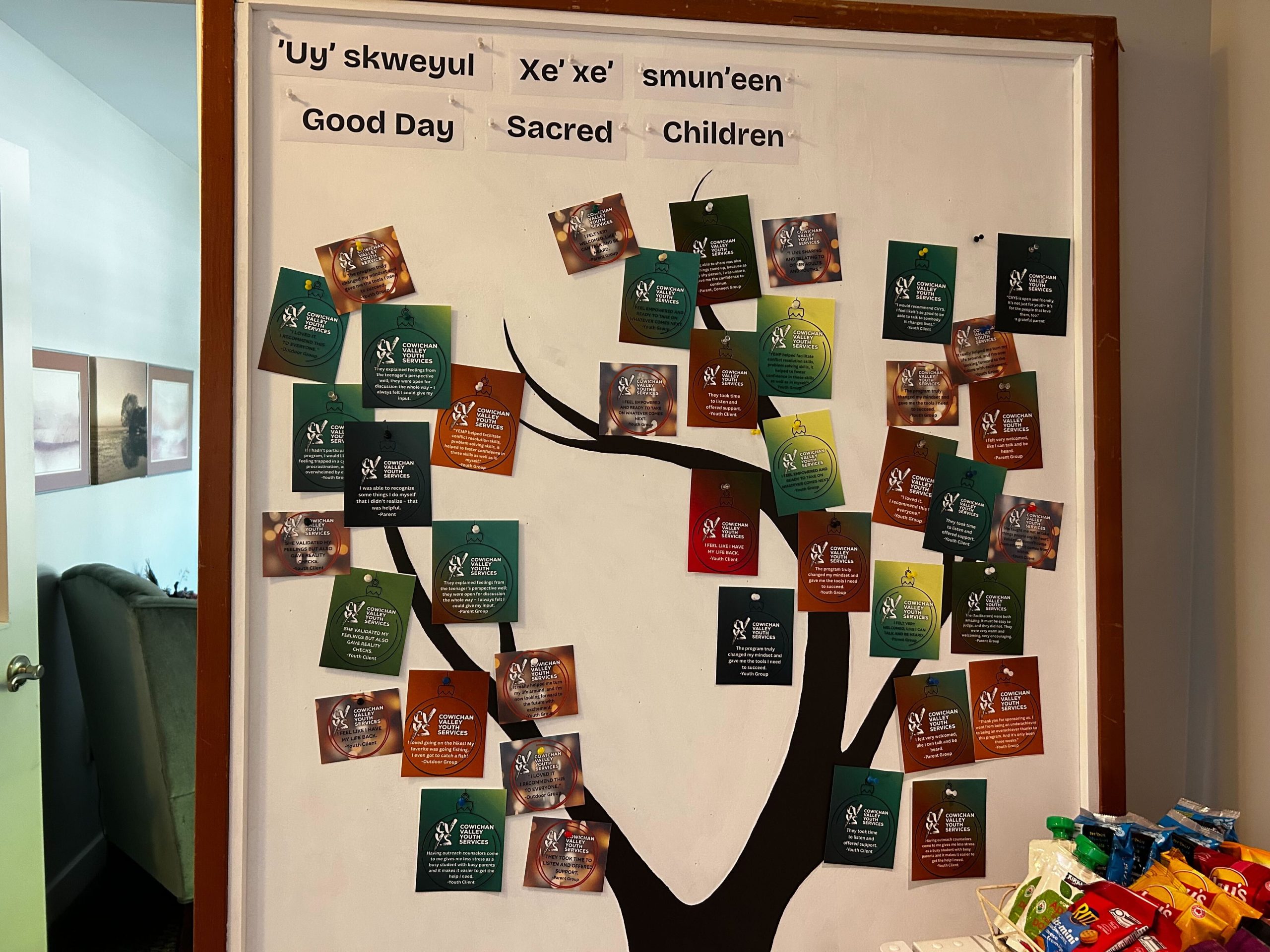
The end of that funding would eventually lead to the creation of the RISE program, which launched in April this year. The program “helps youth build confidence, stability and essential life skills through tailored guidance in employment, education, housing and personal growth,” according to its website.
While the Youth Employment Mentorship Program focused on giving youth the skills to find a job, Lauckner said RISE takes a more holistic approach.
“It focuses on various life domains. Employment is one of them, but so is housing, so is transportation, so is physical health and nutrition, mental health. All of these pieces that are so important to help young people actually successfully transition into adulthood,” she said.
RISE is also completely funded by the community, which allowed the program to be tailor-made to meet the needs of youth in the Cowichan Valley without the constraints that usually come with government funding — such as dictating how and what grant money is spent on, or restricting how an organization can operate.
“It really prohibits organizations from building a solid foundation,” Lauckner said.
The new Youth Mental Health Fund grant that Cowichan Valley Youth Services is receiving specifically funds mental health programming, but Lauckner said the additional money will help free up staff to support other programs such as RISE, which currently has 90 youth on the waiting list and a single staff member who runs it.
Law said a common mindset in the social profit sector is one of “don’t let the urgent take the place of the important.”
“This sector does operate in a way where this is always [work] off the side of someone’s desk. And for us to have this moment to be here and just say, ‘Look, we’re going to dedicate a bunch of time to actually strengthening our practice,’ is really beautiful,” he said.
A sector chronically underfunded
The social profit sector across the country suffers from chronic underfunding and high staff turnover — a problem that disproportionately impacts women, according to both Lauckner and Law, who noted the issue is wide spread across organizations.
“This is a gendered issue rooted in patriarchy because the helping field is female dominated and women get paid less,” Lauckner said.
An April 2025 study by advocacy group Imagine Canada found that the nonprofit sector employs 2.5 million people making it the largest employer in Canada. And compared to other sectors, nonprofit employees are more likely to be women.
The average salary for a woman working at a nonprofit organization is 18 per cent lower than the average Canadian salary, according to the same study. A similar deficit also impacts racialized nonprofit workers, who make 12 per cent less than non-racialized nonprofit workers.
Compensation in the sector is also highly scrutinized, according to Lauckner.
“That question around how much of your funding goes towards salaries is a moot point because we wouldn’t have an organization if we didn’t fund these salaries,” she said.
She noted that it’s normal for a private company to keep wages competitive to attract talented workers but that’s not the case for non-profits.
“Charities are held to such a different standard when compared to businesses,” she said.
The high turnover rate for staff can also force relationships between organizations to be constantly “built and rebuilt” as new staff come in and leave. Lauckner said the federal grant funding will allow Cowichan Valley Youth Services to strengthen relationships with other youth support organizations and ensure that youth get the help they need.
“We can help to steward those relationships, because there is nothing worse than a youth who’s ready to access help, goes somewhere and just hits roadblock after roadblock after roadblock,” she said. “It can be really discouraging. So we just want to make sure that ecosystem of care is strong, communicative and integrated.”
What did you think of this story?
Your feedback after we publish a story helps ensure we're always improving our reporting to better serve you
Author

Related Articles
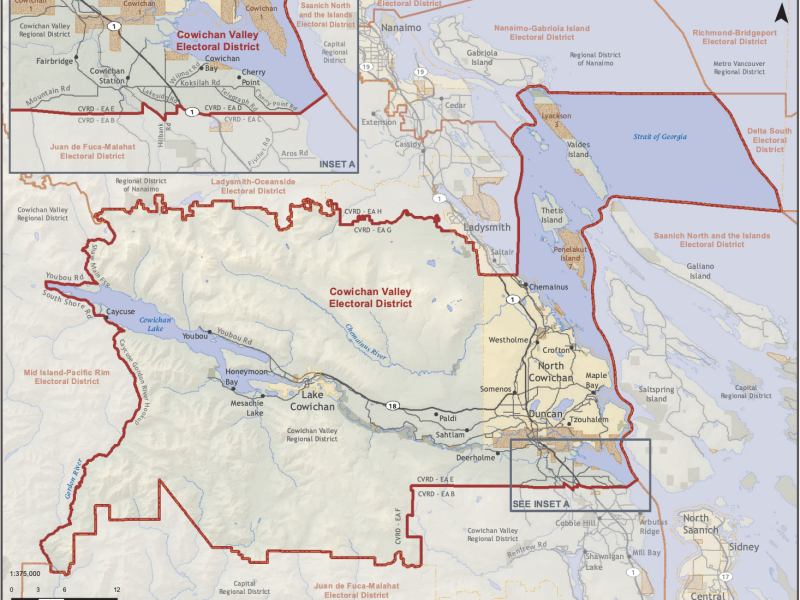
Cowichan Valley’s guide to the 2026 B.C. election
What riding am I in? Who are the candidates? When do I vote? The B.C. election basics for Cowichan Valley residents.

Cowichan Valley local election candidates on natural disaster preparedness
In the summer months, the threat of wildfire is becoming more frequent. In the winter, there’s flooding. What do the candidates suggest doing to prepare?

Voting in the 2026 Cowichan Valley local elections? Here’s what you need to know
Where, when and how to cast your ballot in North Cowichan, Duncan, Ladysmith, Lake Cowichan and the Cowichan Valley Regional District for the 2026 local elections.