
Providence Farm celebrates 45 years as a nature-based therapeutic centre
The Duncan society created a ‘radical brave space’ for those who were not easily accepted elsewhere
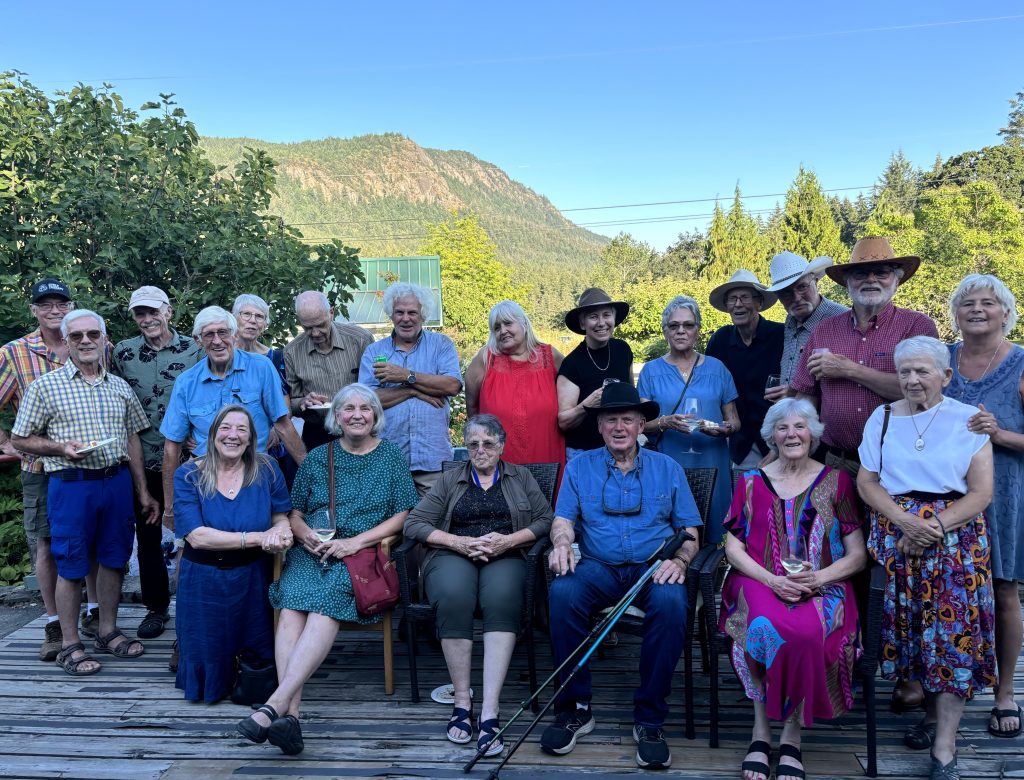
As the sun set and washed fruit trees and vegetable gardens with golden light, cheers sounded and wine glasses clinked at Providence Farm.
“When we started the farm, we had no idea what we were going to do or how we’re going to get there,” key founder Jack Hutton said to a small crowd.
“We were risk takers. And that’s why we made it.”
On Saturday July 13, Providence Farm celebrated its 45th anniversary as a therapeutic, nature-based hub for healing. Today the farm, just outside of Duncan, is a sprawling 400-acre facility with therapeutic animals, lush gardens and welcoming spaces for people who may not be easily accepted elsewhere in the community to receive the care they need.
“It feels like such an honour to be carrying on the vision that all those people that came together in 1979 created from almost nothing to build up this place to what it is today,” director of operations Leah Boisvert said.
Providence Farm’s founding members, community supporters and past and present staff gathered on the patio of the St. Ann’s building to share stories and look back on how far the farm has come since the early days, when a therapeutic farm was just an ambitious idea.
“Creating a therapeutic farm in that time had a sense of the wild west unknown,” program director Stephanie Kok said. “[It was] something hugely original in a time that promoted institutions and other alternative ways of care.”

Providence Farm is a trauma-informed agency that practices nature-based therapy for people who navigate a diverse range of diagnoses. The day programs at the farm provide healing opportunities for individuals that live with brain injuries, developmental diversity, neurodivergence, physical disabilities, mental health concerns and age-related illnesses like dementia.
“The spirit of the farm has created a genuine sense of belonging and inclusion,” Kok said. “I think it just has this magical way of pulling people in and having a sense of belonging.”
Tangible evidence of the farm’s spirit was showcased at the anniversary celebration Saturday. Floral arrangements came directly from Providence participants, who grew the flowers from seed and chose colours to represent their feelings earlier that day. Fresh produce, pickled vegetables and homemade treats all came from the farm and the clients that grew and made them.
“There is a collaborative feeling and celebration of community that allows us to be therapeutic and successful because we recognize that all of us are interdependent on one another and we are each other’s harvest,” Kok added.
Throughout the evening, founding members recounted stories and marvelled at Providence Farm’s evolution. The event took the shape of a family reunion with tears, laughter and memories overlapping one another.
“Having started this place and having my daughter get married here has been one of the greatest things in my life,” Devon Mills, another founding member, said. “It’s just incredible that we’re still here doing this and I hope it continues forever.”
Read also: St. Ann’s Garden Club supports seniors to ‘create their own narratives’
From boarding school to therapeutic farm
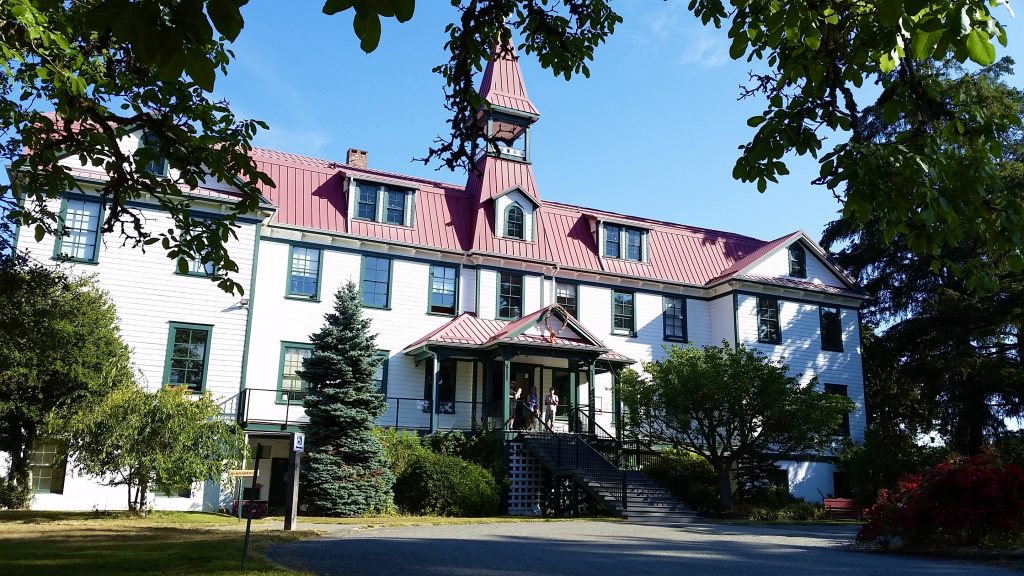
For millennia, the land Providence Farm stands on has been home to Quw’utsun people. The property was acquired by the Sisters of St. Ann in 1864.
Multiple sources list St. Ann’s as a residential school, as reported in an investigation by The Tyee, but the reporting also says Providence Farm does not view it as a residential school, but as a boarding school instead. The school eventually closed in 1964.
It was in the late 1970s that the Sisters of St. Ann conversed with the community about what to do with the property, which had become very rundown. Jack Hutton, director of the Duncan Mental Health Centre, came together with a core group of forward-thinking people to reimagine the area as a therapeutic farm to meet the unmet needs of the community.
“When we began, we started out with 10 of us putting in fifty dollars each and registering a nonprofit society,” Hutton said.
And so in 1979, the society and its vision were born as Vancouver Island Providence Community Association (VIPCA).
On Saturday, Hutton and the guests traded tales of rebuilding the farm from sweat, passion and improvisation. At the start, there was little water and power, and plugging in a toaster could kill the lights. Year by year, the small team resuscitated the farm, and milestones like new buildings, animal barns and greenhouse gardens materialized.
“It just evolved over time and the place grew,” Hutton said. “There wasn’t any magical plan initially, it was just trying to meet the needs and then trying to figure out how you can do that.”
After time, many people with mental health needs in the Cowichan Valley no longer had to travel to Nanaimo, Victoria or the mainland for treatment.
Christine Pollard initially came to Providence in 1989 to help lead the Greenways program, the farm’s horticultural program. She watched people with developmental and intellectual disabilities flourish at the farm.
“Our mantra was, yes, you may have one disability or one illness, but you have 3,000 abilities so let’s concentrate on those,” Pollard said. “It was magical.”
Fostering a sense of ‘farmily’

The week after the 45th anniversary celebration, program director Stephanie Kok walked through the farm and talked about the day-to-day impact Providence Farm has on its guests.
Therapeutic interaction with nature is an evidence-based practice, according to Kok. Neurobiology is deeply affected by having hands in the dirt and sensory movements can help recall memory for those navigating dementia, she said. There is also evidence that recovery from substance misuse can be supported through the nurturing of another plant or animal.
At noon, Kok walked into the large, sunlit kitchen where a small number of staff were busy plating lunch for the clientele. It’s here that people with diverse diagnoses and challenges see the rewards of tending to nature in a daily farm-to-table meal.
“Everything has this continuum, this beautiful cycle of contribution that gets to be celebrated in our lunch program where the whole community comes together,” she said.
At lunch, clients of all ages sit with Kok and clearly love her company. She encouraged them to express their feelings and helped them see lessons of empathy and connection in what they were saying.
They went over Providence’s operating word, “Farmily,” and took turns spelling out the acronym: “Friendly, Accepting, Respectful, Mindful, Inclusive, Loving and [wh]Y, because Providence Farm is a safe place for you, and for me.”
The freedom to be oneself without judgement is known as “radical brave space” at Providence Farm.
Kyle is a young Providence participant who is learning to become more open to sensory things and form deeper relationships during his time in the program.
“I feel more safe here than anywhere else,” he said over lunch.
Kok said hearing things like that from participants can get emotional.
“There’s not a day any of us don’t leave here a better human being or that your heart wants to explode,” she said.
Organic lessons at every turn
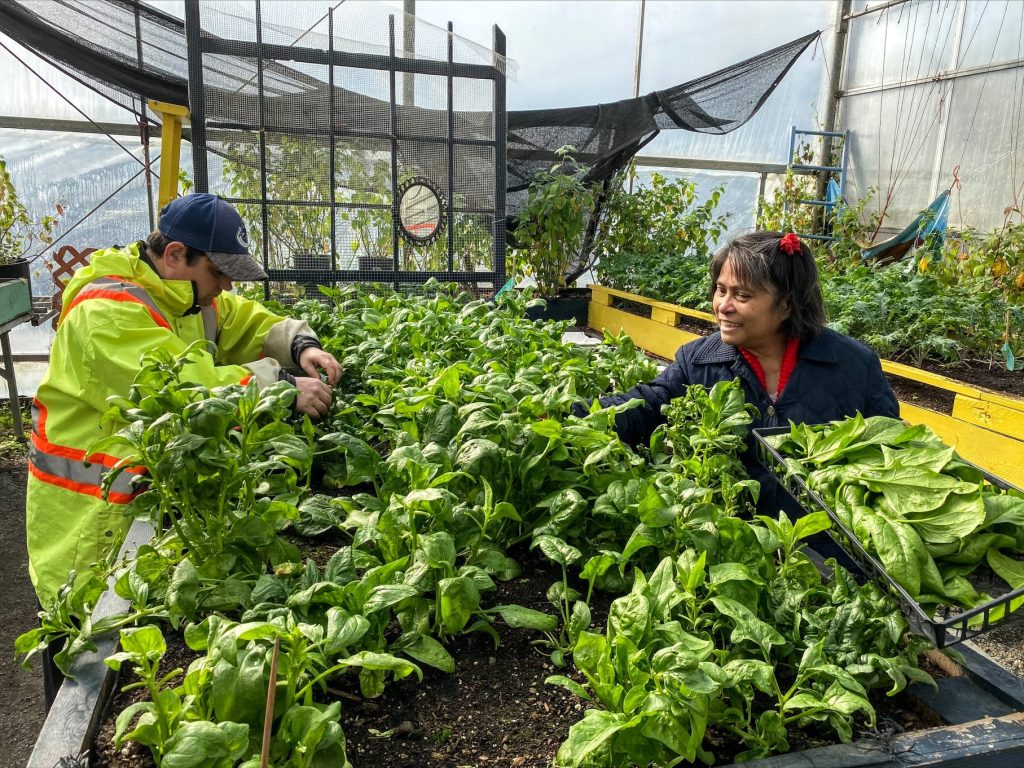
Today, Providence Farm provides a variety of day programs that bond clients to nature through animal care, greenhouse tending and expressive eco arts. Providence also helps seniors connect and create through the St. Ann’s Garden Club; operates a farm stand and thrift store for the public; and is home to the Cowichan Therapeutic Riding Association, the Cow-op, the Cowichan Folk Guild and three alternative schools.
Read also: Cow-op online farmers’ market sustains pandemic gains
Kok points out that the farm’s programming structure and hands-on experience are designed to feel like second nature, not overt therapy.
“Even though there’s a structured intention and thinking behind everything that’s done here, it presents as effortless,” she said.
Outside of structured programming, magic often occurs through organic opportunities where “therapeutic intervention” can be a great teacher, Kok said. Take a hummingbird mom that made a nest in the farm’s greenhouse and one day never returned.
“So we got to talk about grief and loss, and ‘did you lose anybody?’ And how do we celebrate these little things and how do we honour them?” she said.
Earnest, the farm’s lone male sheep, was recently “hijacked by his hormones” and acted out in aggressive ways. That too was an organic learning experience.
“It becomes this awesome catalyst for appreciating ‘what does it feel like?’ ‘How are ways to appropriately address your sexual frustration?” Kok said.
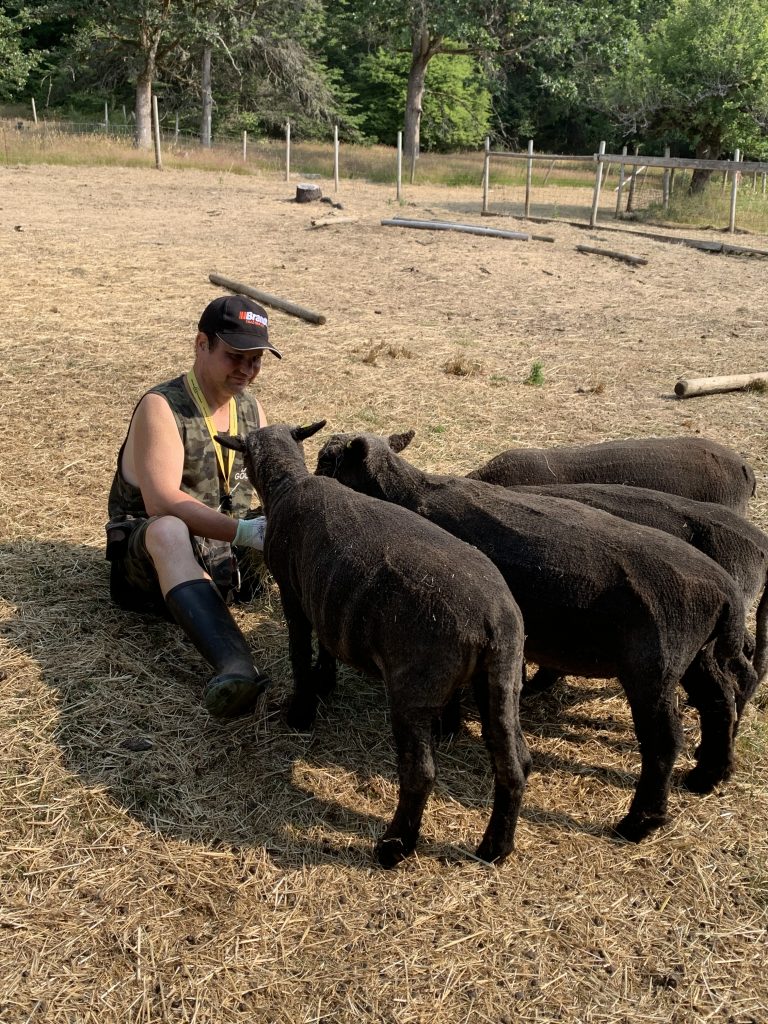
One client named Jason said he is known as the animal whisperer because he peacefully feeds the farm’s babydoll sheep.
“They like me,” he said. “By the way they wiggle their tails and they’re calm around me. It’s a sheep thing.”
“A sheep thing!” Kok laughed. “We could have t-shirts!”
Providence looks to the future
The sense of nostalgia was strong at the 45th anniversary event. But the days of founders flying by the seat of their pants have long given way to the new reality of running a therapeutic facility.
“Our model was ‘it’s easier to beg forgiveness than to ask permission,’ and we begged a lot!” Hutton laughed.
Mental health terminology has changed since the founders’ era. The farm is still improving access for those with mobility issues. Staff are no longer winging it like the early days. Instead, employees require a minimum certification and training.
Providence Farm is in the process of aligning with the Commission on Accreditation of Rehabilitation Facilities (CARF), and Kok is hopeful the farm will be accredited by 2027.
Providence continues to serve as many clients as possible with funding from Island Health and other sources. As reported in the spring, programs like St. Ann’s Garden Club are still in need of more support if they wish to reach more people.
“Programs continue to operate with significant deficits across the agency due to insufficient contract funding. We are currently negotiating with each of our contractors for increased budgets,” Kok said.
“It’s a privilege and also a tremendous responsibility to be gifted this legacy — the magnitude of what it is, to not only continue it, but to drive it forward another 45 years,” Kok said.

What did you think of this story?
Your feedback after we publish a story helps ensure we're always improving our reporting to better serve you
Author

Related Articles
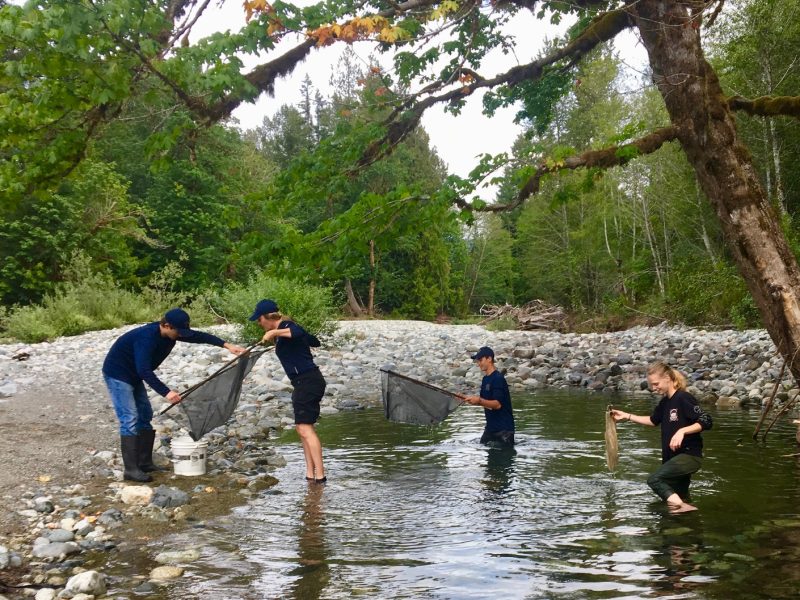
What to do and who to call when juvenile salmon are in danger
Officials say Cowichan Valley residents should call experts to move salmon in isolated pools because of risks associated with relocation.
How is The Discourse’s journalism funded?
And what does it cost to produce The Discourse’s in-depth, independent journalism?
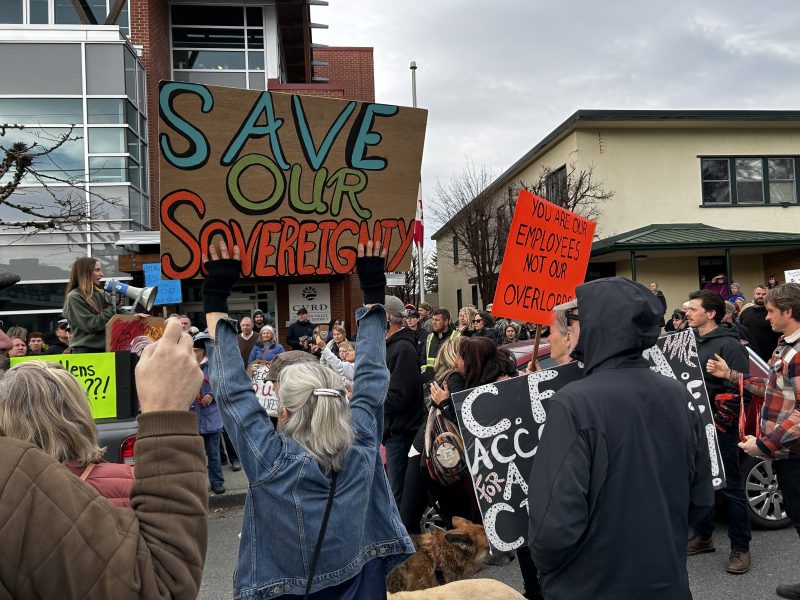
Behind the backlash to the Cowichan Valley’s comprehensive zoning bylaw
The campaign against Bylaw 4710 was fuelled, in part, by misinformation and an organized group of advocates. What could this mean for the future of local politics?