
New Indigenous film series at Nanaimo Art Gallery aims to push reconciliation forward
The monthly film series will feature films telling stories from Indigenous perspectives.
A new monthly Indigenous film series at the Nanaimo Art Gallery, in partnership with the National Film Board of Canada, is sharing stories from an Indigenous perspective and moving reconciliation forward at a local level.
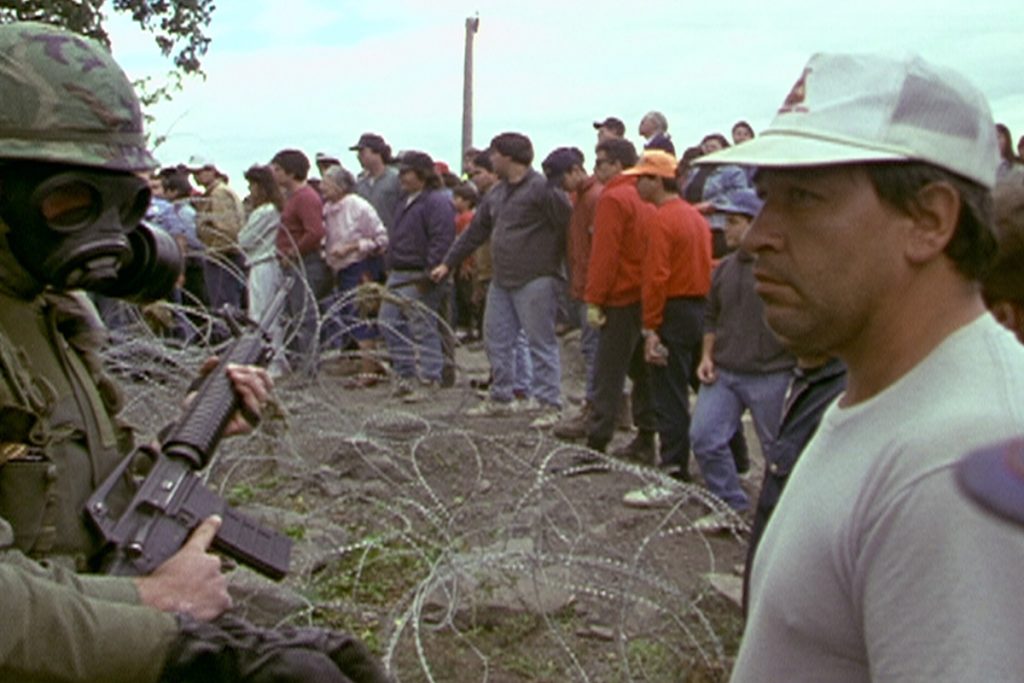
The film series kicked off last week with a screening of Kanehsatake: 270 Years of Resistance by Alanis Obomsawin, which was released in 1993. The film was chosen because July 11 marked the 35th anniversary of the Kanehsatà:ke resistance, also known as the Oka Crisis.
The Nanaimo Art Gallery’s Indigenous engagement coordinator bailey macabre says that at the first screening, which attracted a modest 17 people, a couple of women in the audience told her they lived in Ontario during the crisis and that the news told a very different story from what was happening in Kanehsatà:ke.
“It was the first time they’d heard the story from an Indigenous perspective, and it just kind of blew their minds,” macabre said.
“The important work of reconciliation is the truth part,” they said. “I think a lot of people jump to the reconciliation part, but you can’t have reconciliation without actually looking at the truth of it all.”
Caroline Coutts, who helps coordinate community screenings at the National Film Board of Canada, told The Discourse the organization encourages organizers to have a discussion after film screenings.
“What’s great about these films is that they bring that Indigenous perspective to Canadians who may not be aware of a lot of these things,” Coutts said.
The film board has a collection of almost 500 films by Indigenous filmmakers or on Indigenous subjects, Coutts said, adding that the board wants to “help educate and illuminate Canadians about the important work that Indigenous people have had throughout the history of this country and before that.”
The film board helps facilitate thousands of community screenings each year from art galleries and theatres to groups in church basements that are free or by donation. The board also provides study guides and access to materials that help put the films in context
“Its all about fostering dialogue, education and raising awareness,” Coutts said.
A follow-up screening this Friday evening at the Nanaimo Art Gallery will show Rocks at Whiskey Trench — which is a documentary by the same director of Kanehsatake: 270 Years of Resistance — made in the year 2000. The film contends with the intense anti-Indigenous racism that culminated in a violent attack by a settler mob on Elders as they left Kahnawà:ke during the height of the Oka Crisis in 1990.
macabre said they do this work at the Nanaimo Art Gallery because it has become clear to them that “at a government level, reconciliation is dead, and it’s really upsetting.”
This work is a way to push for reconciliation outside of the government.
“Often, the way a lot of large media conglomerates tell our stories is a very biased way of looking at things,” macabre said. “I want to share our history and our stories through an Indigenous perspective and lens.”
Film series part of art gallery’s ongoing reconciliation work
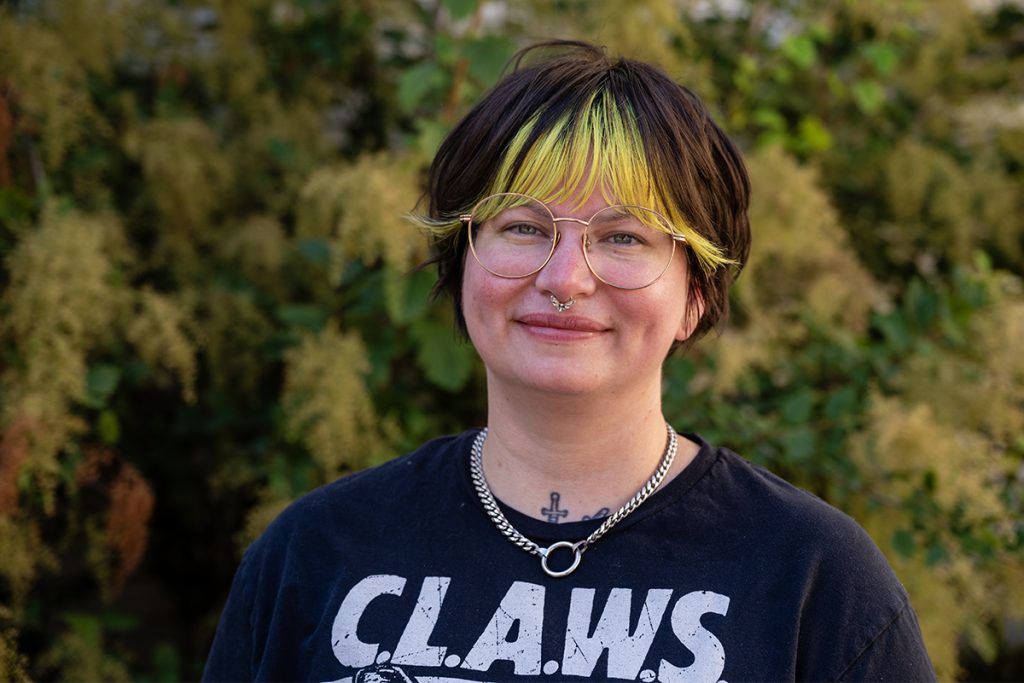
The Nanaimo Art Gallery has been working to align itself with the calls to action from the Truth and Reconciliation Commission’s report “and to further integrate Indigenous culture in our work,” according to its strategic plan.
In addition to the film series, the gallery has also exhibited works by Indigenous artists, including Michelle Sound and Eliot White-Hill, Kwulasultun and hosted events such as an Indigenous takeover of the gallery’s Making Waves speaker series, which macabre is also planning to do again in September featuring comic artist and activist Gord Hill.
The gallery has hosted regular cultural events and workshops such as Indigenous beading and crafting circles, but macabre said “they never really took off” and is hoping that the shift to screening movies will engage a wider audience.
macabre also runs introductory land acknowledgement workshops to help people understand land acknowledgements better and learn how they can be done in a way that is not performative but instead, “honours the host nation in a meaningful way.”
Indigenous film series lineup
The plan is to show one film a month over the next year on Fridays, with all but one film made by Indigenous directors.
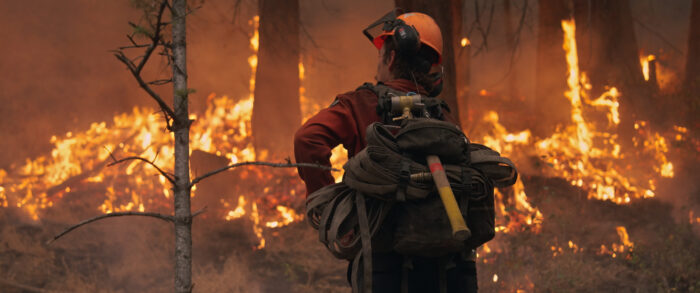
Next month’s film is Incandesence, which tells the stories of firefighters, evacuees and Indigenous people during wildfire season in the Okanagan Valley. It will be shown on Friday, August 15 at 6:30 p.m.
Shirley Vercrusey is the executive producer of Incandescence and told The Discourse that while the directors of the film are not Indigenous, they worked closely with an Indigenous-led wildfire response team and some of the main subjects of the film are Indigenous. Some of the film shooting was also on reserve lands.
“There’s a lot of indigenous perspective in the film, but there’s also other people’s perspective as well,” Vercrusey said. “It’s great that they’re screening it. I’m very biased, but it’s a really beautiful film.”
Real Injun by Cree filmmaker Neil Diamond will take a look at the portrayal of Indigenous people in cinema on September 26.
For October, macabre said they are working to get permission to screen the horror-comedy series Tales from the Rez for Halloween.
“They’re just really funny, and I want the whole series to show the broad spectrum of Indigenous film and genre and just how expansive and interesting it can be,” macabre said.
Catherine Bainbridge’s RUMBLE: The Indians Who Rocked The World tells the story of Indigenous influence on American music and will be screened on November 21.
Next year, Chris Auchter’s feature film The Stand will show an on-the-ground view of the pivotal 1985 blockade of logging on Haida Gwaii’s Lyell Island on Jan. 16, 2026.
Kim O’Bomsawin’s film about Indigenous youth, Ninan Auasaat: We the Children will be screened on March 13, 2026.
“People are really excited about it,” macabre said. “I’ve had a lot of people tell me that they’re really grateful for the opportunity to watch movies that they never heard of or didn’t even know existed.”
What did you think of this story?
Your feedback after we publish a story helps ensure we're always improving our reporting to better serve you
Author

Related Articles
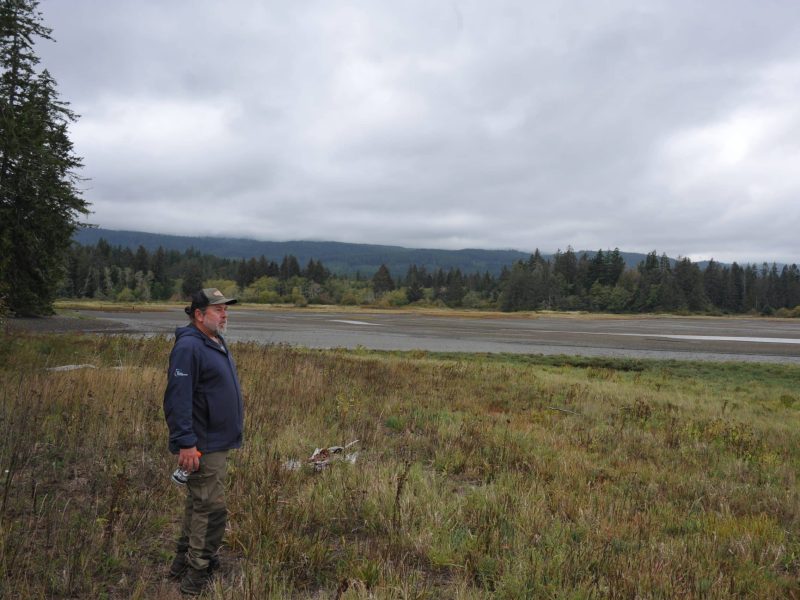
Comox Valley, Nanaimo land trusts raising funds to support Deep Bay land conservation purchase
In a partnership with the Comox Valley and Nanaimo Area land trusts, BC Parks Foundation is fundraising to protect 50 hectares of pristine shoreline in Deep Bay and make it accessible to the public.

Nanaimo Jazz Festival celebrates 10 years with more than a dozen shows in September
Local and international artists to perform on multiple stages in the city at this year’s Nanaimo Jazz Festival.
Snuneymuxw Elder C’tasi:a shares traditional plant knowledge in new book
‘Plant Teachings from my Auntie’ by Snuneymuxw Elder C’tasi:a and ethnobotanist Nancy Turner delves into traditional plants and plant medicine.