
Reporter’s notebook: How a news story brought ‘a most favourable ending’ for St. Ann’s Garden Club
St. Anns Garden Club is looking to the future after a story from The Discourse helped raise awareness about its programming and funding challenges.

I wasn’t sure what to expect as my car rumbled up the long dirt road that led to Providence Farm, a place I had heard about, but had never visited. I was there to follow up on previous reporting The Discourse had done on St. Ann’s Garden Club after the program’s director told me the story “had a most favourable ending”.
The program occupies a section of Providence Farm between community allotment gardens and the Cowichan Therapeutic Riding Association. It offers nature-based therapy to seniors who struggle with dementia, Alzheimer’s disease, mental health challenges and substance use disorder. Participants are asked to “come as they are” and engage however they feel most comfortable — some tend their own garden plots while others create art or jewelry, which is often sold at the farm’s Christmas market.

Talk of the table during my visit was a new addition to the horticultural part of the program: a horde of loofah plants (the kind used to make sponges, I’m told) that had turned the nearby greenhouse into a jungle.
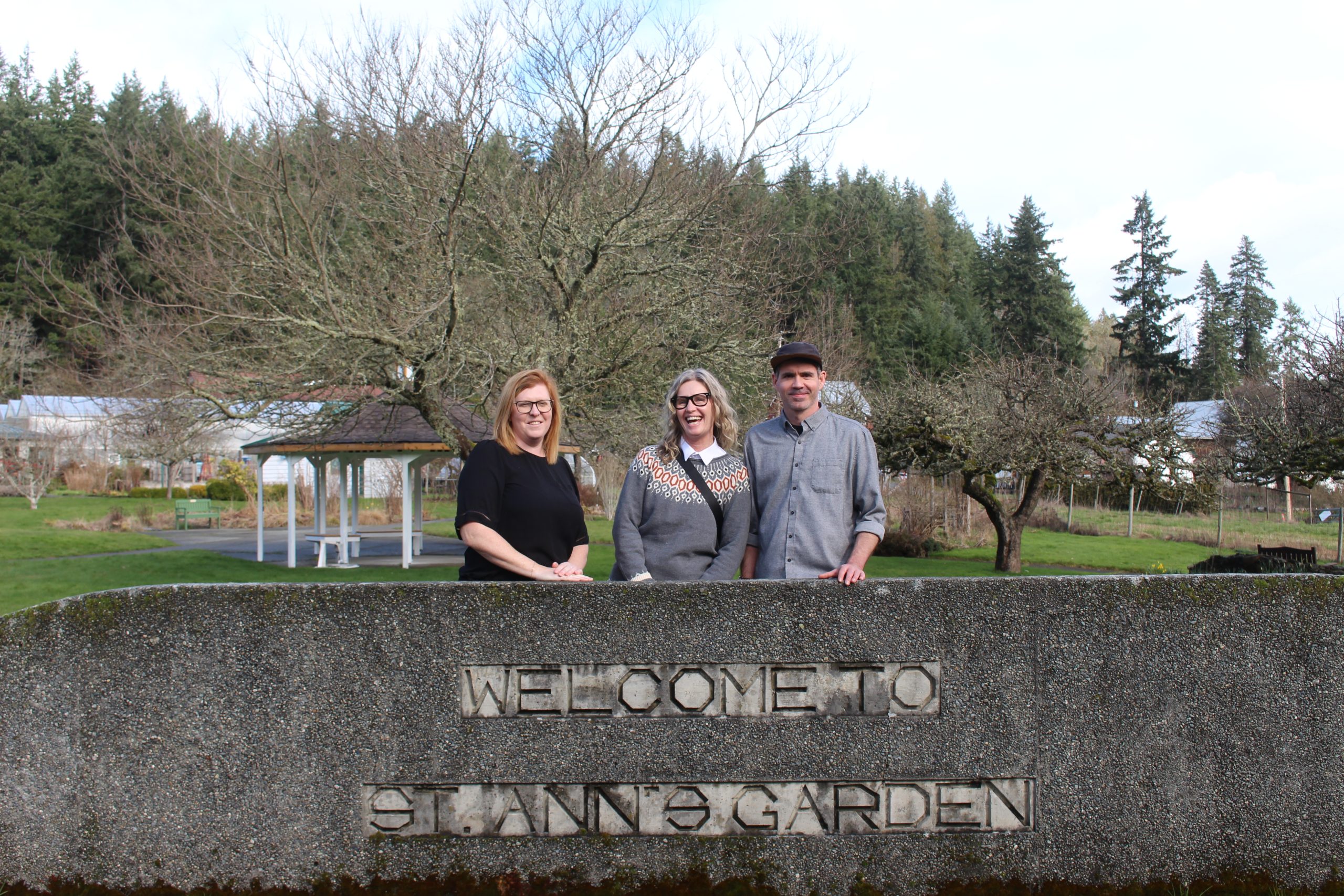
When The Discourse last spoke to Stephanie Kok, director of therapeutic programs at Providence Farm, negotiations were underway to change how the St. Ann’s Garden Club was funded. At the time, she hoped there would be enough funding so the program could expand in the future.
During my visit to the farm, I found the program humming along as it had before, but this time without the shadow of scarce funding hanging over it and with a renewed focus on expanding therapy options. I also learned that external factors, such as the ongoing transit strike, are placing increasing pressure on program participants, in some cases preventing them from attending altogether.
New horizons for St. Ann’s Garden Club
In earlier reporting, my colleague Shalu Mehta found that for about five years, funding for St. Ann’s Garden Club had not increased to match the rising cost of a post-pandemic world.
At that time the program was operating at a deficit of about $60,000 a year according to Kok. Providence Farm had been covering that funding gap to keep the program running. As a result, the program was limited in how many participants it could support each day, leaving many on a waitlist.
Kok said that after The Discourse’s article was published, she and her team entered into negotiations with Island Health, which provides some of the funding for St. Ann’s, and found the relationship had shifted.
“That whole negotiation process was really wonderful with them, and we felt incredibly supported in a way that we hadn’t felt in a while,” she said.
Island Health told the team it would increase funding to match the program’s operation costs, support they had been seeking for five years.
When asked why Island Health had decided to match the funding, Kok told me she “felt strongly that the article, coupled with their advocacy” helped them secure the funding.
“The article generated a lovely community awareness that naturally provided supportive perspectives and considerations. It undeniably generated good will and support of St. Ann’s Garden Club,” she said.
Now, with funding that is more secure than it has been in years, Kok said Providence Farm is exploring ways to expand what is available to the seniors and participants of St. Ann’s Garden Club through integration into other therapeutic programs that already exist at the farm.
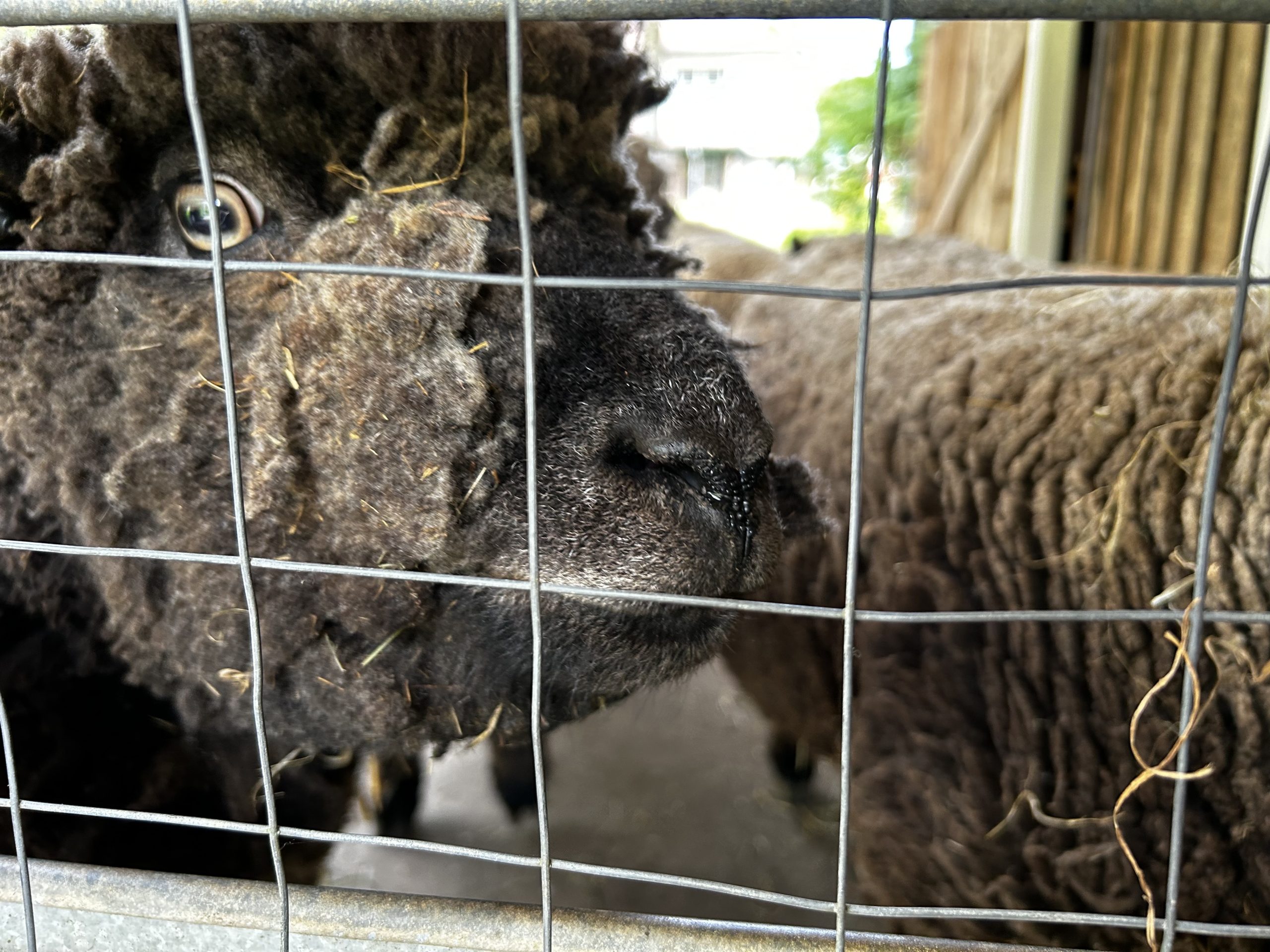
Kok hopes the program can eventually operate five days a week, instead of the current four days, which would open up seven additional participant spaces. However, that would require an increase in funding, not just matching funds, and the negotiation of a new contract.
If that isn’t an option, the program may look at using a private pay-per-use model in the longer term. But Kok said that would present a new set of challenges.
“If you are supporting a contracted service and a privatized service at the same time, there could naturally be a curiosity to what number of funding dollars is supporting the program, and then what are you profiting,” Kok said.
Rather than running public and private services concurrently, one option being considered is offering regular programming during the day while launching a separate evening program to meet different community needs, such as offering evening respite for caregivers.
Kok made it very clear that an expansion like this is a very long-term vision for the program. But the sense I got from our conversation is that she and the team that run St. Ann’s Garden Club are beginning to think, and dream, in the long term again.
Expanded options for participants
This year has had some exciting developments, Kok told me as we walked up the sweeping pathway to the large green-roofed timber building that houses St. Ann’s Garden Club.
A partnership with the Cowichan Therapeutic Riding Association, which also operates at Providence Farm, has opened up a new avenue of experiences for seniors at St. Ann’s.
The equine-based therapy provider adapted its existing programs to accommodate seniors, most of whom have mobility issues, and now offers them a chance to interact with the horses, including leading them through obstacle courses.
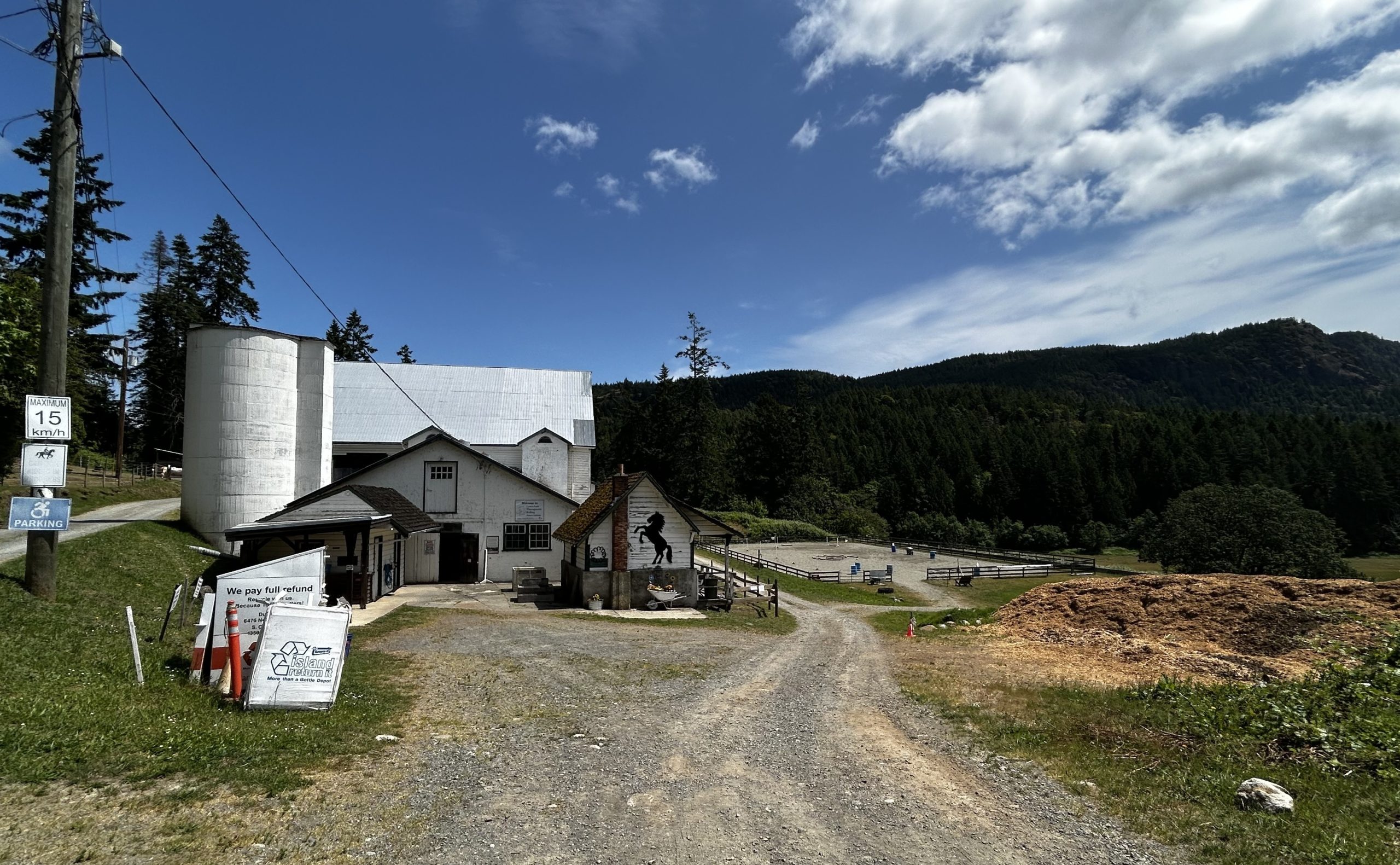
Kok said that for many program participants, living on a farm with horses had once been a big part of their lives. Being able to interact with the animals in a safe environment has helped them come out of their shell.
“[The equine program] really illustrated the possibilities and also the limitations we sometimes
mistakenly place on seniors because we undervalue their ability,” Kok said.
One horse named Smokey was a favourite of participants but sadly passed away earlier this year. Kok said Smokey’s death was an example of how the program supports seniors in processing grief. Observing the natural processes of life is one way that nature-based therapy can help participants cope with loss or other complex emotions and the program offers a judgement-free place for participants to discuss those feelings, Kok said.
“We processed that as a community, and then naturally that evolved for some people into talking about their own feelings and lives,” she said. “It facilitated some really beautiful conversation.”

Transit strike another hurdle for St. Ann’s Garden Club
Although funding pressures at St. Ann’s Garden Club have eased, participants are now struggling to attend the program after bus service in the Cowichan Valley stopped in February.
Now the longest transit strike in B.C. history, it has left many of the seniors who relied on public transit to walk or carpool to get to the program, while others are completely shut out.
As we toured the garden boxes that are tended by participants, Kok pointed to one labelled with the name “Molly”.
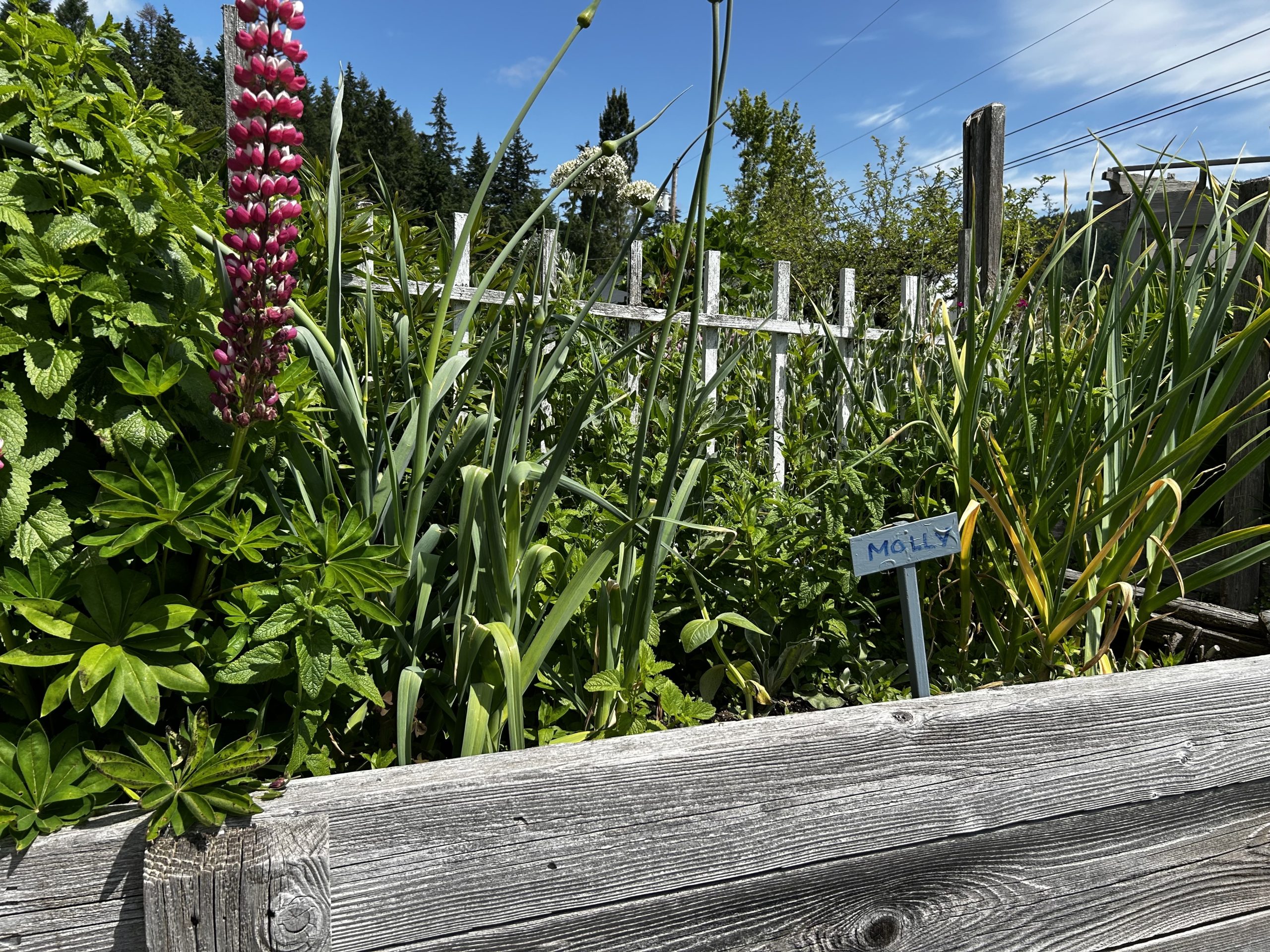
“This person has been unable to get here because her transportation has been disrupted. She’s 102-years-old and has been coming to the program for seven years,” Kok said.
“To have that taken from you at 102, it exacerbates the isolation.”
Molly had relied on the handyDART to access the program, which is still operating, but currently limited to medical trips related to dialysis or chemotherapy.
Kok recognized that those are both important carve outs during the strike, but argued that participants of St. Ann’s are also missing out on essential care.
“I think the power of connection and the power of disconnection can have equal impact to that of a medical disorder or disease,” she said. “Removing people from essential social opportunities is psychologically damaging and is physically damaging.”
For now, while Molly is unable to attend, the rest of St. Ann’s Garden Club will look after her garden plot as a community so she isn’t forgotten.
“She’s got this beautiful garden that we are all invested in, and if she can’t be here alongside us, at least what we could do is maintain and water her garden so that when she does return, it’s in good condition and it’s thriving,” Kok said.
What did you think of this story?
Your feedback after we publish a story helps ensure we're always improving our reporting to better serve you
Author

Related Articles
What to do and who to call when juvenile salmon are in danger
Officials say Cowichan Valley residents should call experts to move salmon in isolated pools because of risks associated with relocation.
How is The Discourse’s journalism funded?
And what does it cost to produce The Discourse’s in-depth, independent journalism?

Behind the backlash to the Cowichan Valley’s comprehensive zoning bylaw
The campaign against Bylaw 4710 was fuelled, in part, by misinformation and an organized group of advocates. What could this mean for the future of local politics?