
‘We all want justice’: Hundreds march for missing and murdered Indigenous people on Quw’utsun lands
Annual Walk for Justice honours missing and murdered Indigenous women and girls, as well as men.
CONTENT WARNING: This story includes content regarding Canada’s ongoing genocidal epidemic of MMIWG2S+. Please look after your spirit and read with care.
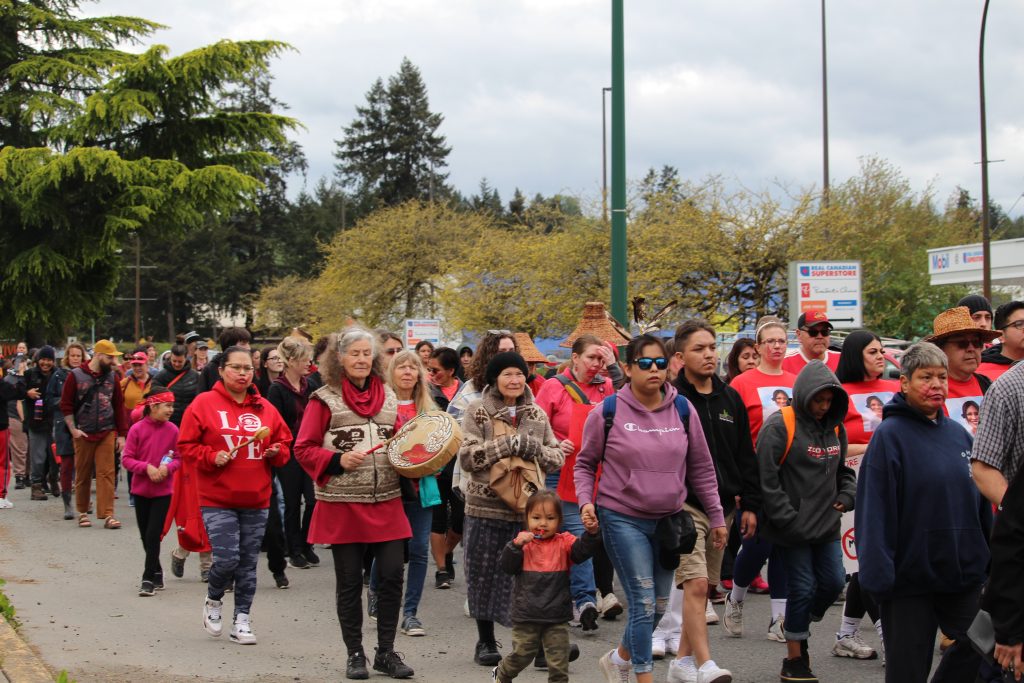
On May 5, a sea of people wearing red walked through Quw’utsun lands demanding justice for the many missing and murdered Indigenous people who are from the region and beyond.
The annual Walk for Justice is organized by Monica Patsy Jones, founder of the Cowichan Missing and Murdered Women, Men and Children Society, a non-profit that works with volunteers to find answers for local families whose loved ones have gone missing or have been murdered. The walk takes place on Red Dress Day, the National Day of Awareness for Missing and Murdered Indigenous Women and Girls and 2SLGBTQI+ People.
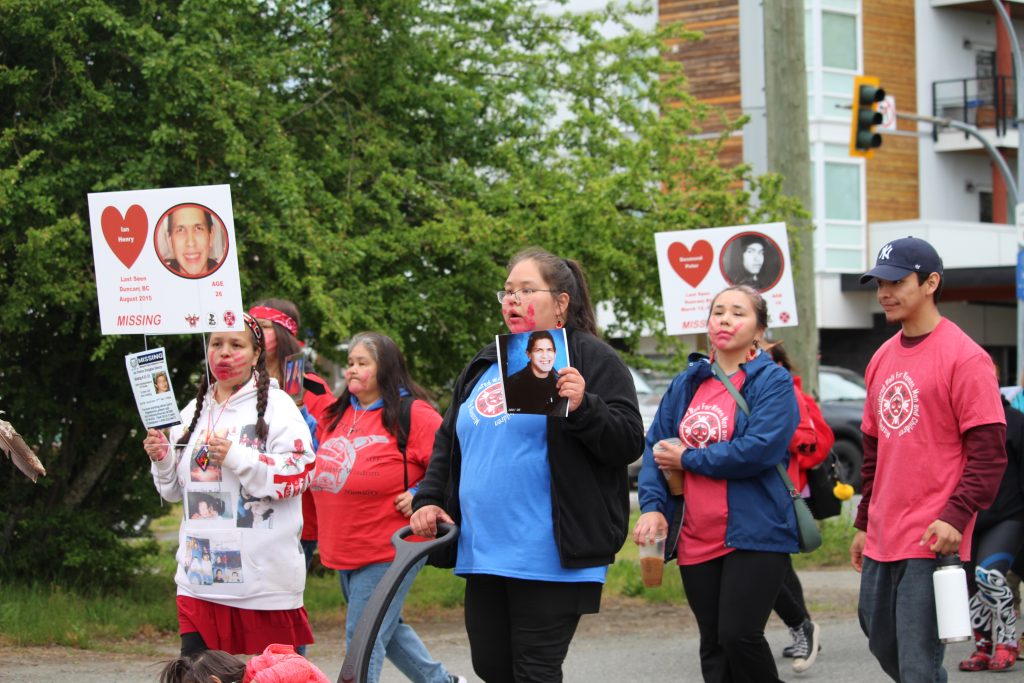
In January of 1977 Jones’ 27-year-old sister Catherine Theresa Joe, went missing and her body was found six months later in Duncan. Her murderer was never caught but Jones and her family are still determined to find answers. At the end of April, Jones’ niece Leeanne Joe (whose name we are using with the family’s permission) died in a late night hit-and-run. Leanne had been very active in the search to find her brother, Ian Henry — who disappeared on Aug. 23, 2015 and is still missing.
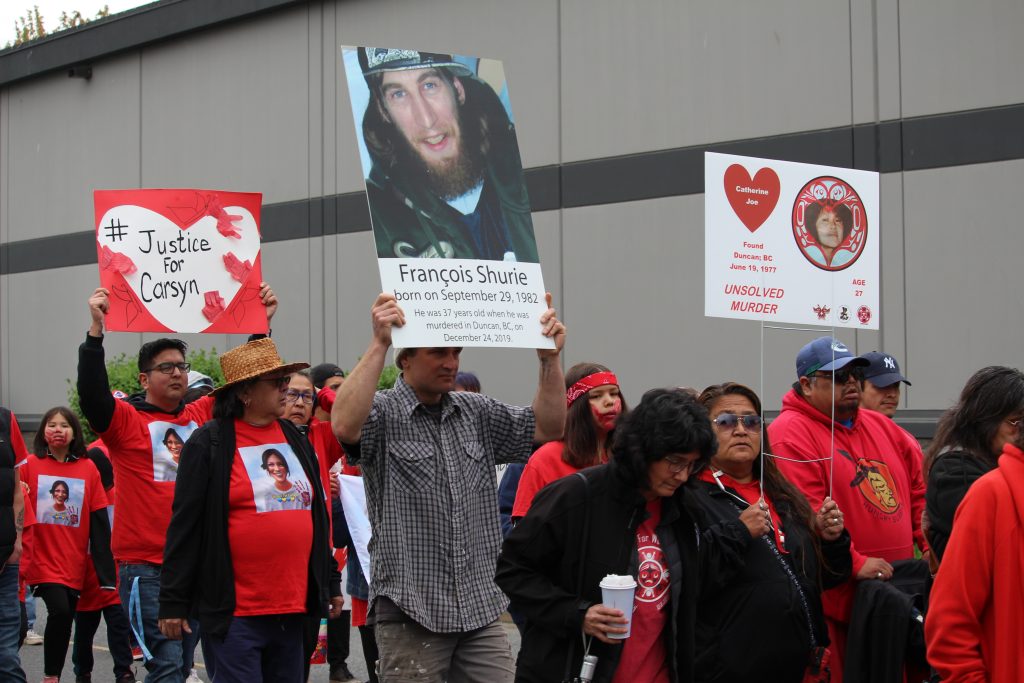
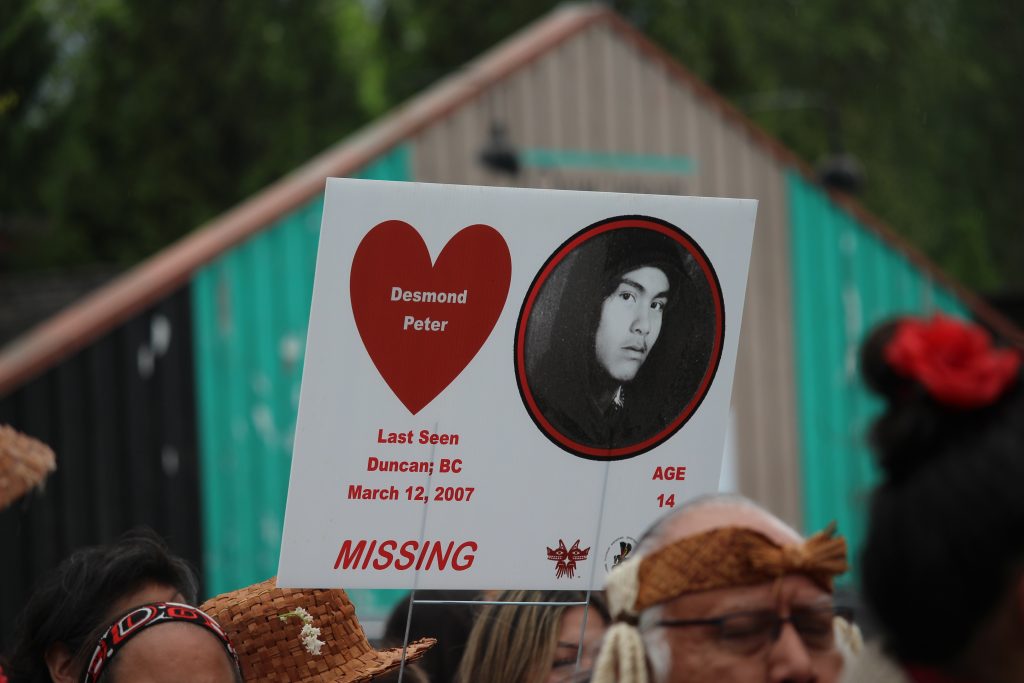
Several other families also attended the march, holding signs with their loved ones’ names and pictures on them and demanding answers and justice. Some of the people that were talked about were Everett Jones, Ian Henry, Desmond Peter, François Shurie, George Lorry Wood, Tyeshia Jones, and Carsyn Mackenzie Seaweed.
“It’s been a really difficult time for us and we all want justice,” Jones said as attendees gathered at the Quw’utsun Cultural Centre prior to the walk. “A lot of the cases go right back to the 1950s. I’ve been doing this for years and hear a lot of stories about what happened to people’s loved ones.”
Taking to the streets
The walk led people from the Quw’utsun Cultural Centre to the Si’em’ Lelum Gym on Quw’utsun lands. Passers-by honked in support while some people came outside of shops to show their respect.
Jones is familiar with the streets of Duncan and can even name which paths are safe to walk on, as well as areas to avoid.
She spends countless hours every day searching for Indigenous community members that have gone missing — no matter how long it’s been. She also works to raise awareness about the issue of missing and murdered Indigenous people and has advocated to all levels of government to come up with solutions to a decades-long crisis.
Read also: Cowichan society keeps searching, advocating for missing and murdered people
The goal, eventually, is to host a conference on Quw’utsun lands that will invite people from across the country to raise awareness and find solutions for an issue that remains prevalent in Indigenous communities.
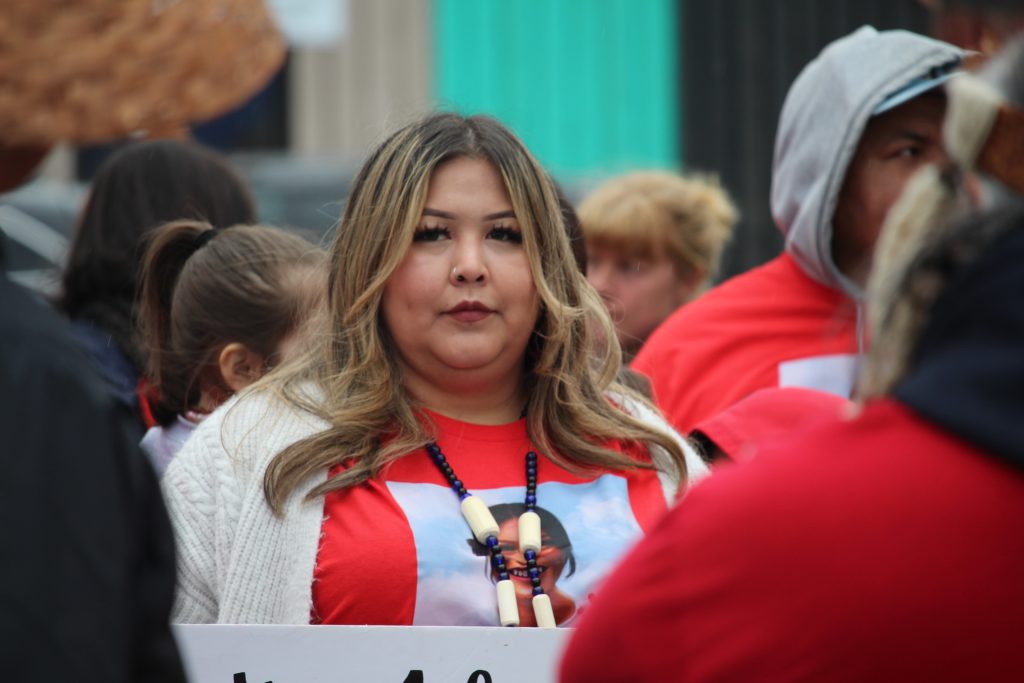
Almost a year ago, Jones also supported the family of Carsyn Mackenzie Seaweed to organize a march after the 15-year-old Na̱mǥis and Quw’utsun’ girl died under suspicious circumstances. Hundreds participated in the march for Carsyn in 2023, and many people at this year’s Walk for Justice wore t-shirts and held signs with her portrait and name on them.
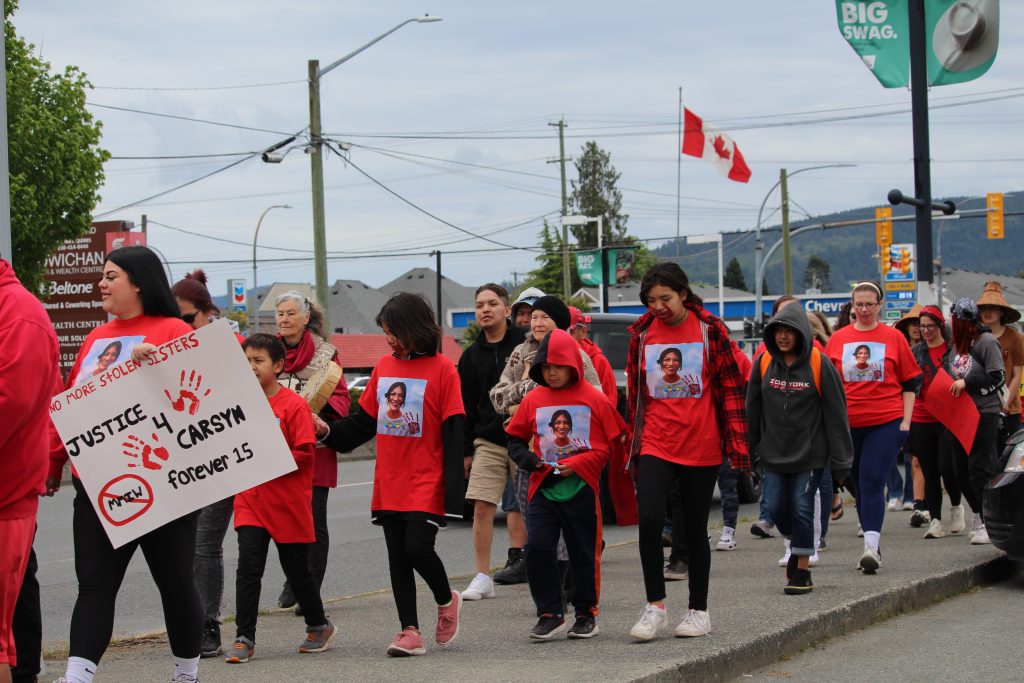
Carsyn’s family was also at this year’s walk.
“Time feels like it has stood still,” said Marie Seaweed, Carsyn’s mom. “It doesn’t feel like a year has passed and it feels like I’m stuck in that same spot, fighting that same fight. But I’m also glad to have all this support here.”
Those looking to support loved ones whose family members are missing or have been murdered need to keep the conversation going, said Seaweed.
“People can keep that person’s memory alive and keep talking about it,” Seaweed said. “Never forget and always have that voice.”
Read also: Hundreds march in memory of Carsyn Mackenzie Seaweed as community seeks answers
Sharing stories of loved ones
Before the walk began, Jones spoke about her niece, Leeanne, who was recently killed in a hit-and-run.
“People make big issues over a dead dog or dead cat run over and then they left my niece there,” Jones said. “[It] touches my heart very much because she was one of the ones that helped us search for her brother Ian Henry and our other missing relatives.”
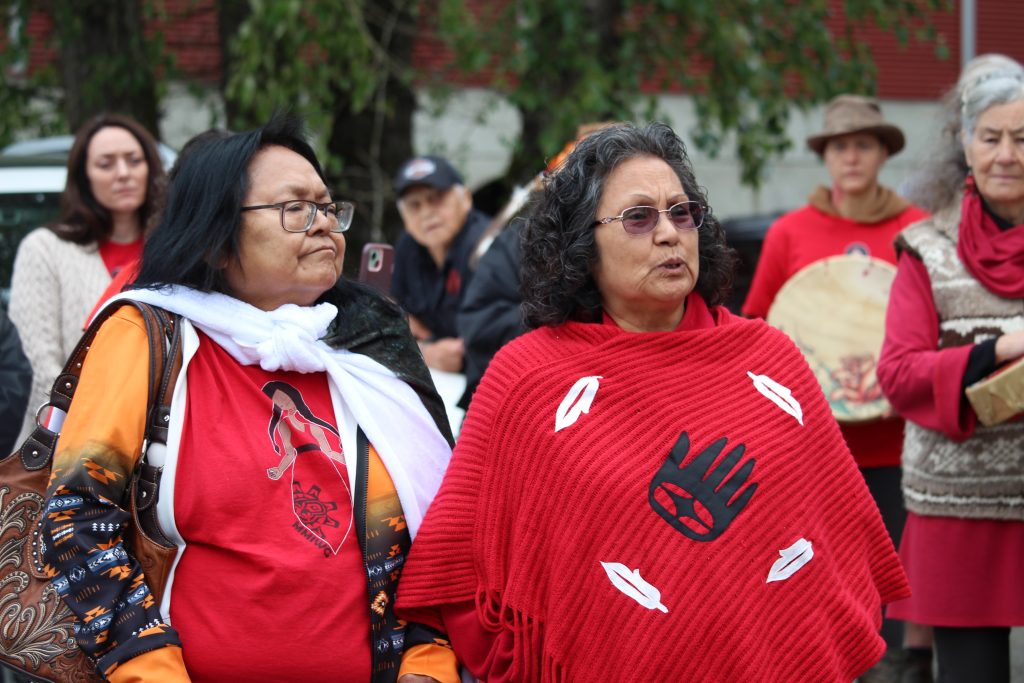
After Leeanne’s death, Cowichan Tribes Chief Cindy Daniels released a statement that spoke to the importance of protecting youth and supporting community.
“Our youth are our future, and they deserve every opportunity to achieve their dreams,” the statement said. “Cowichan Tribes is here to support the victim’s family and friends as they mourn the loss of this young woman who had her whole life ahead of her.”
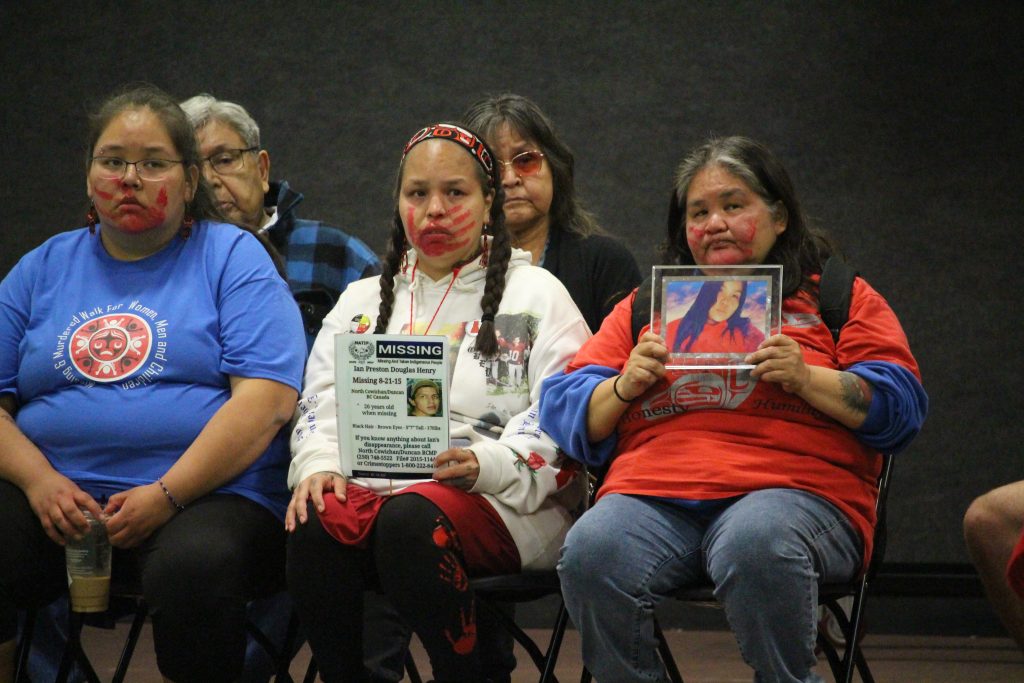
At the Si’em’ Lelum gymnasium, walk attendees gathered inside to hear families talk about their loved ones who have gone missing or were murdered.
“He’d only gone missing just a short ways from here. He was almost home,” said the family of Everett Jones.
“They’ve been missing their loved one since 2015. They haven’t heard from police since 2017,” said a representative for the family of Ian Henry.
North Cowichan Councillor Debra Toporowski also spoke at the gym and encouraged people in attendance to continue to raise awareness and write letters to decision-makers in government.
“Each and every one of you is helping carry them today through this ceremony and remembrance,” Toporowski said. “We need supports for families and for the RCMP to have the tools to help find loved ones.”

Calls For Justice
According to the website for the National Inquiry into Missing and Murdered Indigenous Women and Girls, “First Nations, Inuit, and Métis women, girls, and 2SLGBTQQIA people live with an almost-constant threat to their physical, emotional, economic, social, and cultural security.”
The Inquiry’s 231 Calls For Justice include demands to change and improve police services, justice systems and supports that are available to Indigenous people. It also calls for the acknowledgement of fraught relationships between Indigenous people and the justice system due to colonialism, racism, bias, discrimination and cultural differences.
Last year, CBC released a “report card” on the Calls For Justice to track which ones have been completed by various levels of government in Canada. Of the 231 calls, only two were completed at the time of publishing, and more than half weren’t started yet.
Read also: How are RCMP trained to respond to cases of missing and murdered Indigenous people?
Remembering the missing men
Tla’amin Nation Elder Rose Henry was wearing a blue t-shirt at the walk on May 5, in honour of the men that have also gone missing.
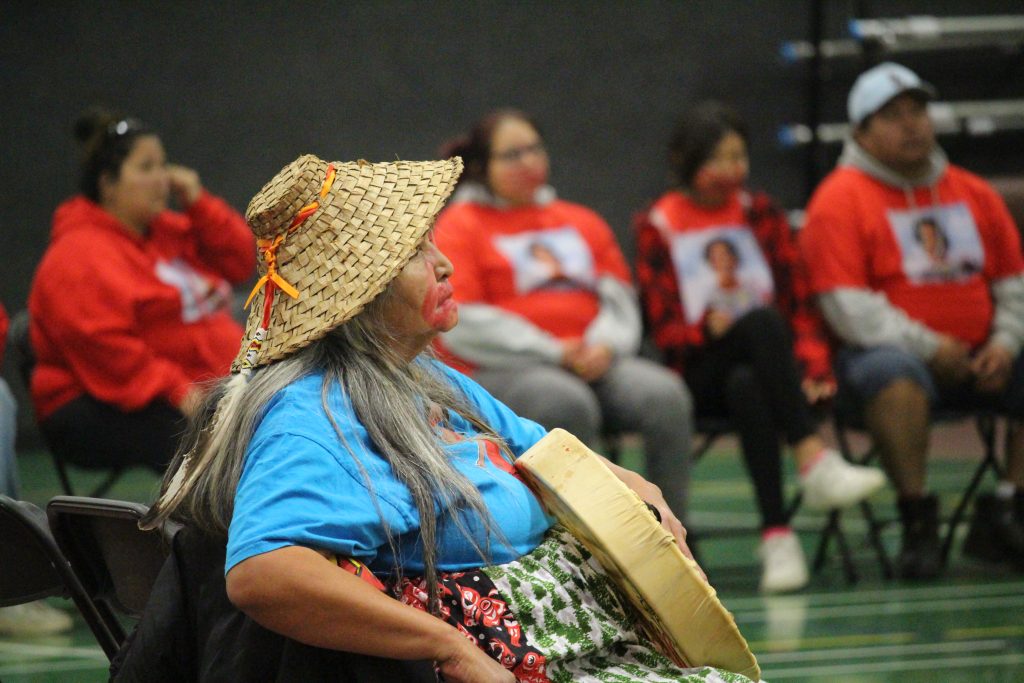
“Our governments have been primarily focused on our missing and murdered Indigenous women and girls, but in little remote communities such as this one here we really push for having our men and our boys mentioned in the title too, because we have just as many missing and murdered men as we do women,” Henry said.
Read also: Where are Cowichan’s missing men?
We need a better understanding of why men go missing, Henry said, noting that inadequate or a lack of public services and supports — particularly cultural supports — play a large role in cases of missing and murdered Indigenous people. Lack of support can also make it difficult for Indigenous people to feel a sense of belonging or community, she added.
“We’re challenging barriers by hosting an event like this,” Henry said. “So every May 5, since 2010, all across Turtle Island people have been gathering and putting out red dresses. Except for here in Cowichan, now we’ve got the blue to remember our missing brothers.”
This story was a finalist for Best Photojournalism in the 2024 Canadian Online Publishing Awards.
What did you think of this story?
Your feedback after we publish a story helps ensure we're always improving our reporting to better serve you
Author

Related Articles
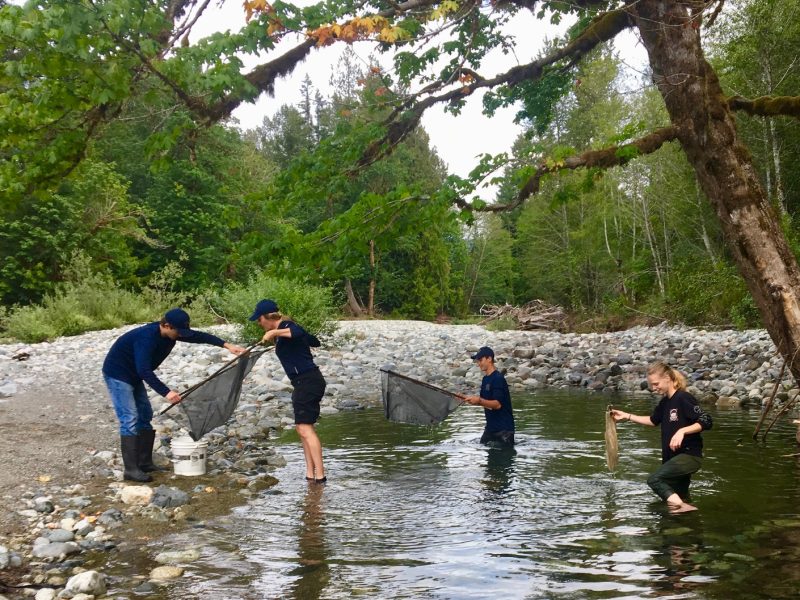
What to do and who to call when juvenile salmon are in danger
Officials say Cowichan Valley residents should call experts to move salmon in isolated pools because of risks associated with relocation.
How is The Discourse’s journalism funded?
And what does it cost to produce The Discourse’s in-depth, independent journalism?
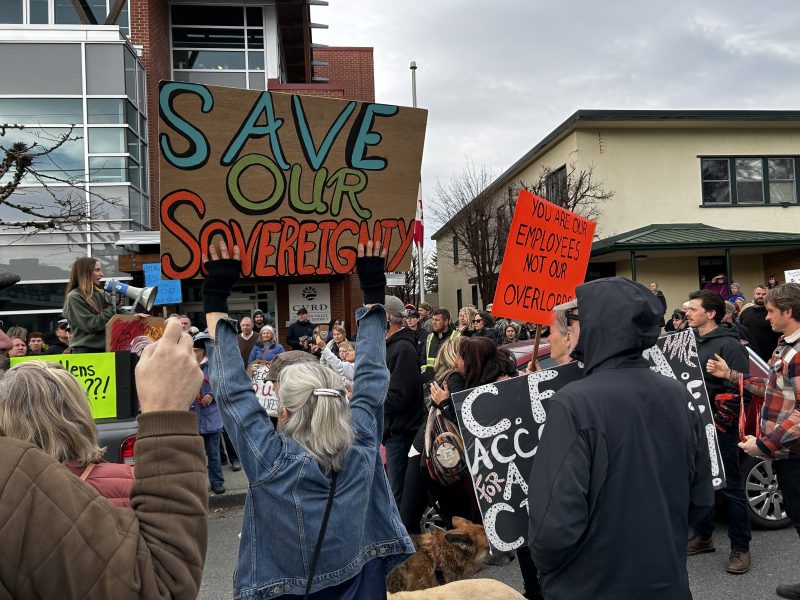
Behind the backlash to the Cowichan Valley’s comprehensive zoning bylaw
The campaign against Bylaw 4710 was fuelled, in part, by misinformation and an organized group of advocates. What could this mean for the future of local politics?