
Cowichan Valley’s guide to the federal election
Where do I vote? What electoral district am I in? When is it again? All of your federal election questions, answered
Note: This is a living document which will be updated with more information and coverage of the federal election. Check back often for updates.
The next federal election is on Monday, April 28, 2025 and advance voting begins on April 18. The deadline to finalise candidates for nomination is April 7 and a full list of candidates will be available April 9.
Here you’ll find all the information you need on candidates, party platforms and how to vote in the 2025 federal election if you live in the Cowichan Valley. This voter guide will be updated with more links, stories and information as it becomes available, leading up to April 28.
The Discourse has chosen to focus on candidates running for major parties, based on previous election results in each riding. Information on additional parties can be found here.
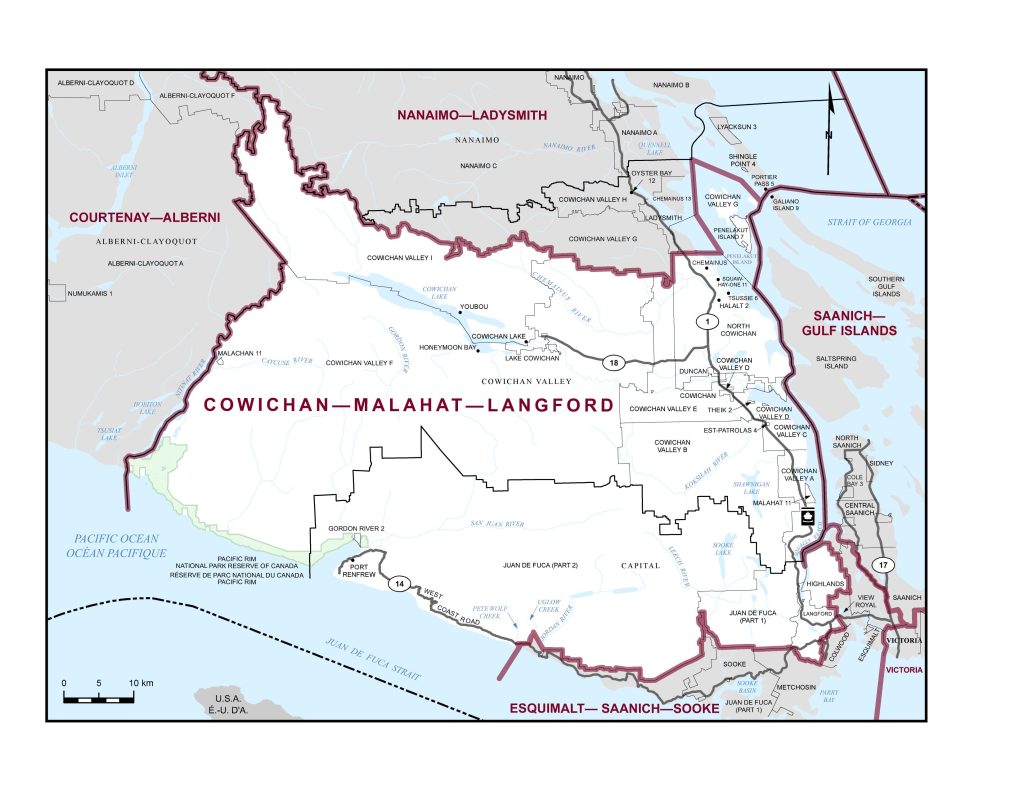
What electoral district or riding covers the Cowichan Valley?
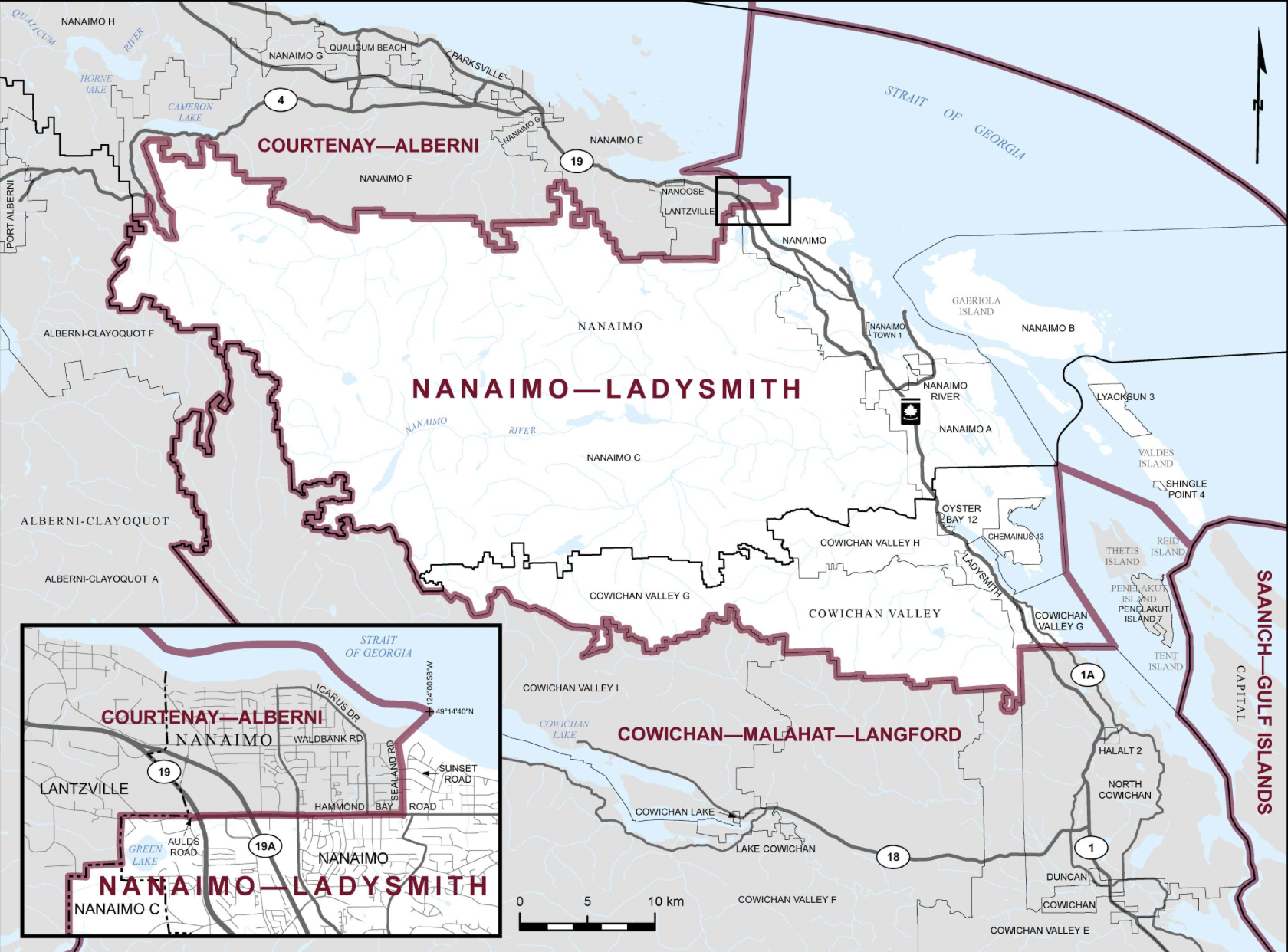
The Cowichan—Malahat—Langford electoral district includes Duncan, Lake Cowichan, North Cowichan, Chemainus, Cowichan Bay, Cobble Hill, Shawnigan Lake, Cowichan Valley electoral areas A, B, C, D, E, F and I, Cowichan Indian Reserve, Cowichan Lake Indian Reserve and Est-Patrolas Indian Reserve No.4. It also includes parts of electoral area G comprising Dayman Island, Hudson Island, Leech Island, Miami Islet, Penelakut Island, Penelakut Island Indian Reserve No. 7, Ragged Islets, Reid Island, Rose Islets, Scott Island, Tent Island and Thetis Island.
Some areas may be geographically situated in the Cowichan Valley but fall under the Nanaimo-Ladysmith electoral district. If you live in Ladysmith, area H or area G of the Cowichan Valley Regional District (excepting the parts of area G listed above) you can find coverage of your riding here.
The electoral area boundaries changed this year and were reviewed by independent electoral boundaries commissions in each province. Boundaries are periodically reassessed to account for population changes.
What does this mean for you? You may not be in the same riding you were in last year. You can double-check which electoral district you’re in by inputting your postal code into Elections Canada’s Voter Information Service online.
News and events
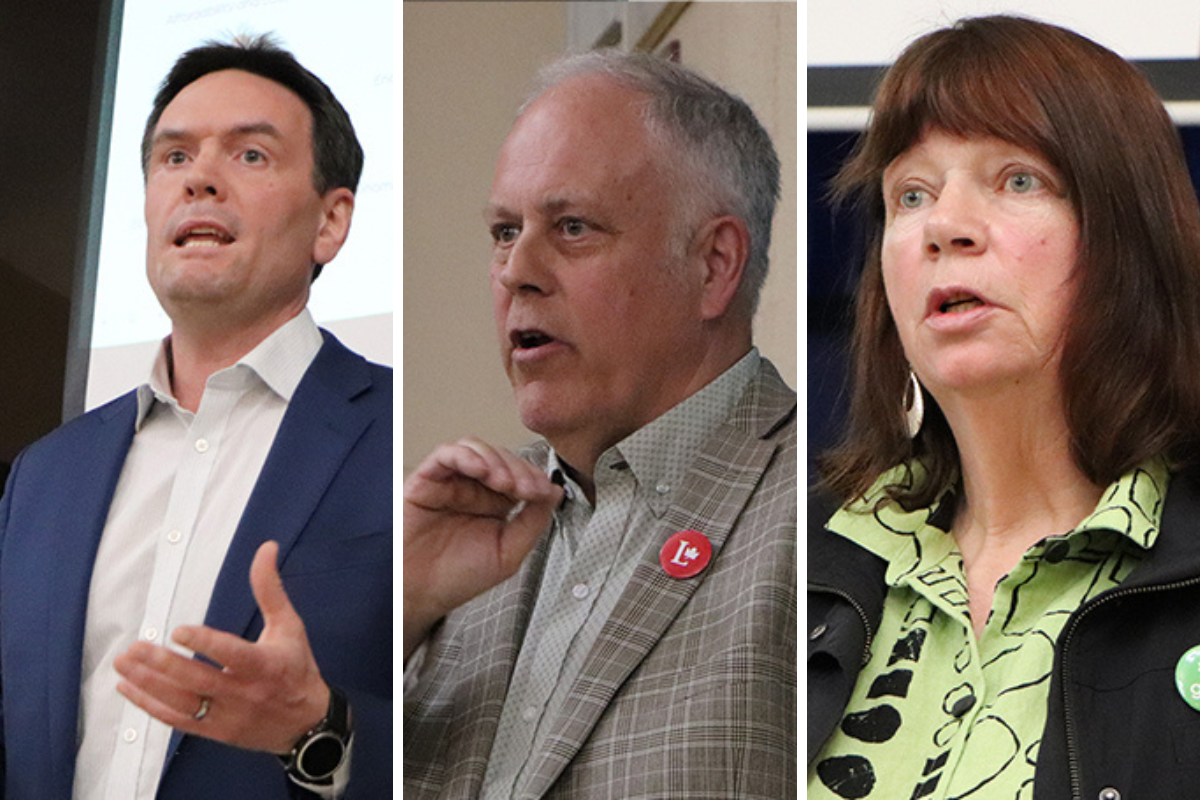
Tuesday, April 15, 6:30 p.m.: The Chemainus Resident’s Association hosts an all-candidates meeting at the Chemainus Legion from 7 p.m. to 8:30 p.m.
Wednesday, April 16, 6 p.m.: Meet your Cowichan—Malahat—Langford federal candidates in Lake Cowichan for a moderated all-candidates meeting. Doors open 6 p.m. at the Cowichan Lake Sports Arena, 311 S Shore Rd.
Wednesday, April 16, 6 p.m. ET: Federal leaders meet for the French language debate streaming on CBC-TV, CBC News App, CBC YouTube channel, CBC Gem, CBC TikTok and CBC website.
Thursday, April 17, 7 p.m. ET: Federal party leaders face off during the English language debate streaming on CBC-TV, CBC News App, CBC YouTube channel, CBC Gem, CBC TikTok and CBC website.
Tuesday, April 22, 6:30 p.m.: The Freedom From War Coalition hosts a political forum for the public to share their concerns and views with all federal election candidates. Candidates from each party have been invited. For more information, email haythornthwaite@shaw.ca.
Who are the Cowichan—Malahat—Langford candidates?
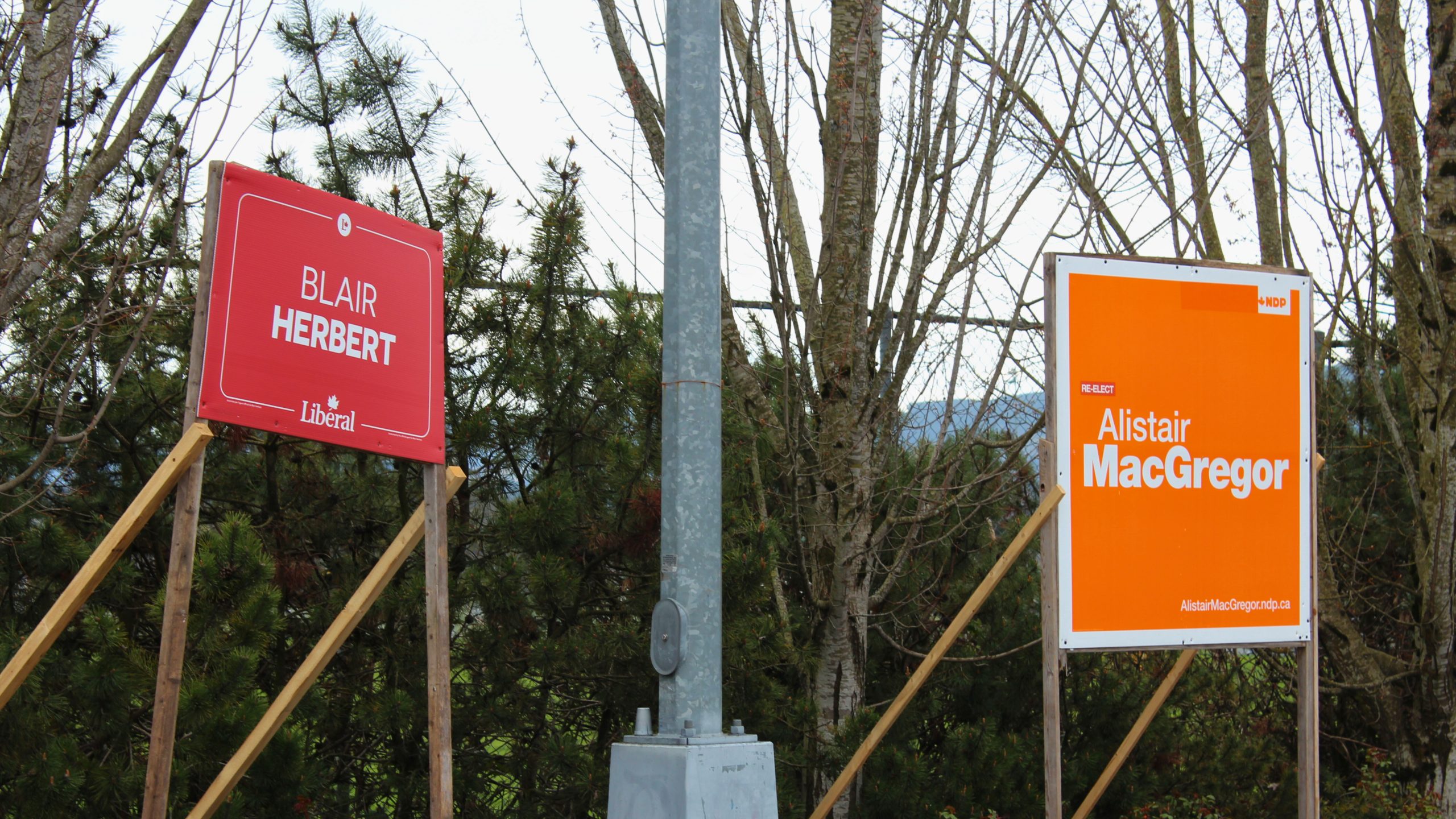
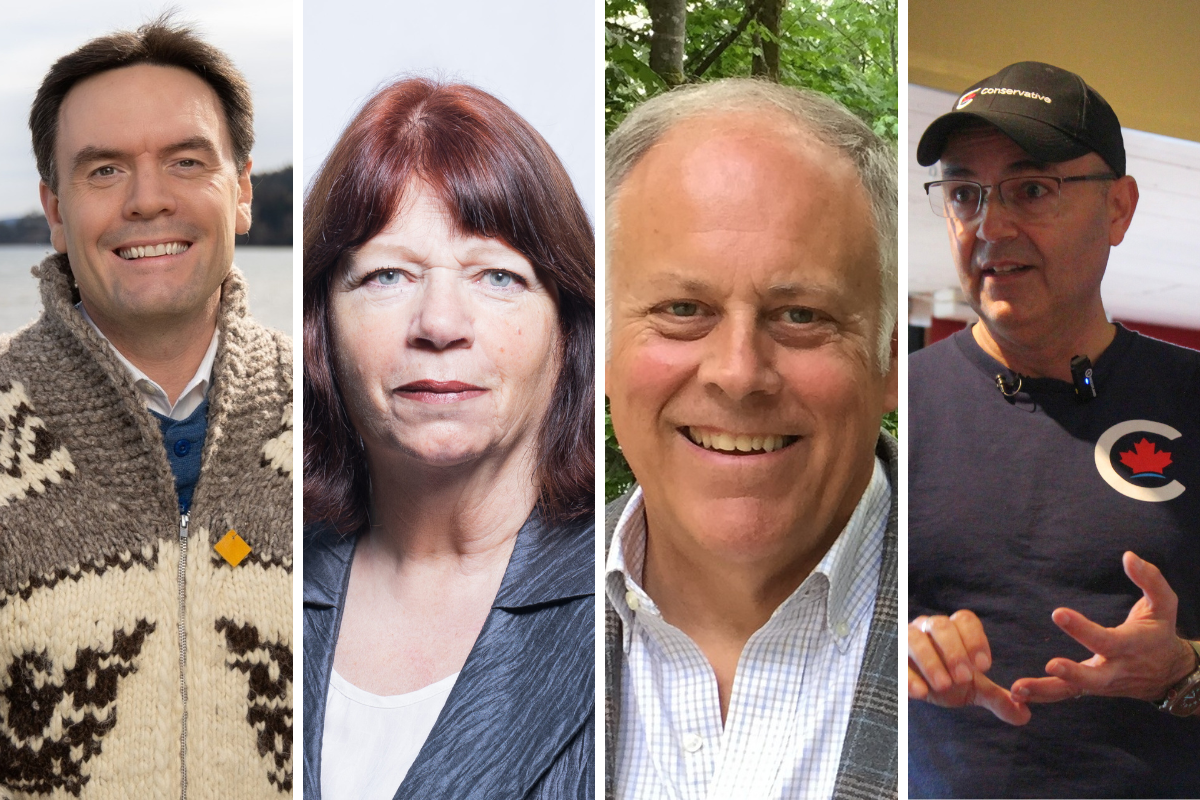
- Alistair MacGregor, New Democratic Party (Incumbent): (Facebook, Website, Instagram, X, Bluesky)
- Jeff Kibble, Conservative Party of Canada: (Facebook, Website, Instagram, X)
- Blair Herbert, Liberal Party of Canada: (Facebook, Website, Bluesky)
- Kathleen Code, Green Party of Canada: (Facebook, Website, Instagram, X)
- Dagmar Goeschick, People’s Party of Canada (Facebook, Website)*
Editor’s note: As of April 17, Goeschick is no longer listed on the People’s Party of Canada website. According to Elections Canada, Goeschick is not listed as a candidate in Cowichan—Malahat—Langford.
Where can I find more information about the parties?
We will update this section with more links as major parties release their platforms.
- Conservative Party of Canada, platform
- Green Party of Canada, platform
- Liberal Party of Canada, platform
- New Democratic Party, platform
- People’s Party of Canada, platform
How do I vote?
To vote you must be a Canadian citizen,18 years old on election day, and be able to prove your identity and address. You can find a full list of accepted IDs here.
You can request to vote by mail at any Elections Canada office or apply online. The deadline to apply is Tuesday April 22 at 6 p.m. Once you apply to vote by mail you can’t change your mind and vote at advanced polls or on election day.
Advanced voting at your assigned polling station will be open Friday, April 18 to Monday, April 21 from 9 a.m. to 9 p.m. You can also vote at any Elections Canada office across the country until April 22.
Polls on election day — Monday, April 28 — will be open for 12 hours. To find your polling station visit Elections Canada’s website or take a look at your voter information card, which should arrive at your home by mail.
Everyone is eligible for three consecutive hours off work to cast their vote on election day. If work hours don’t allow for this your employer must give you time off. For more information on what you are entitled to as a voter visit Elections Canada’s website.
Resources for fact-checking
Elections Canada is a non-partisan entity that has a mandate to maintain the integrity of the electoral process. But there are still threats to federal elections, such as cyber attacks and disinformation and influence campaigns. Elections Canada works with national security and intelligence agencies to safeguard the electoral process at every stage. These safeguards are explained in detail on the Elections Canada website. The website also addresses foreign interference and the use of AI to “spread inaccurate information and sow division among Canadians.”
Elections Canada’s digital literacy page shares a compilation of links to fact-checking tools; information on how to spot fraudulent websites, social media accounts and AI-generated content; and tips on how to counter inaccurate information.
The online ElectoFacts tool helps Canadians fact-check information on the election and counters any misinformation observed by Elections Canada.
What did you think of this story?
Your feedback after we publish a story helps ensure we're always improving our reporting to better serve you
Author

Related Articles
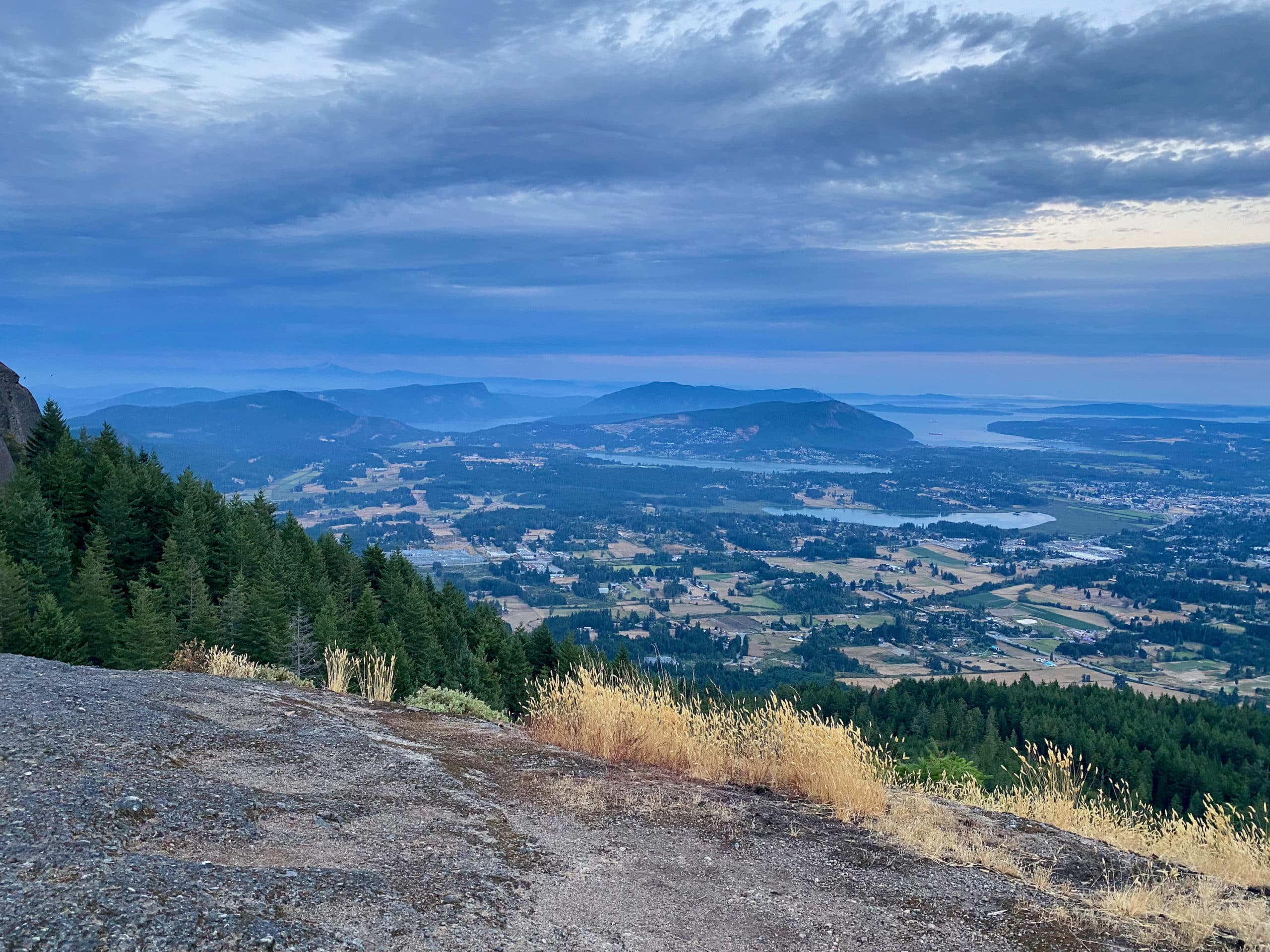
Voting in the 2026 Cowichan Valley local elections? Here’s what you need to know
Where, when and how to cast your ballot in North Cowichan, Duncan, Ladysmith, Lake Cowichan and the Cowichan Valley Regional District for the 2026 local elections.

Cowichan Valley candidates on protecting the community from climate change
Candidates in Duncan, North Cowichan, Ladysmith and Lake Cowichan share the steps they’d take to protect the community from the impacts of climate change.
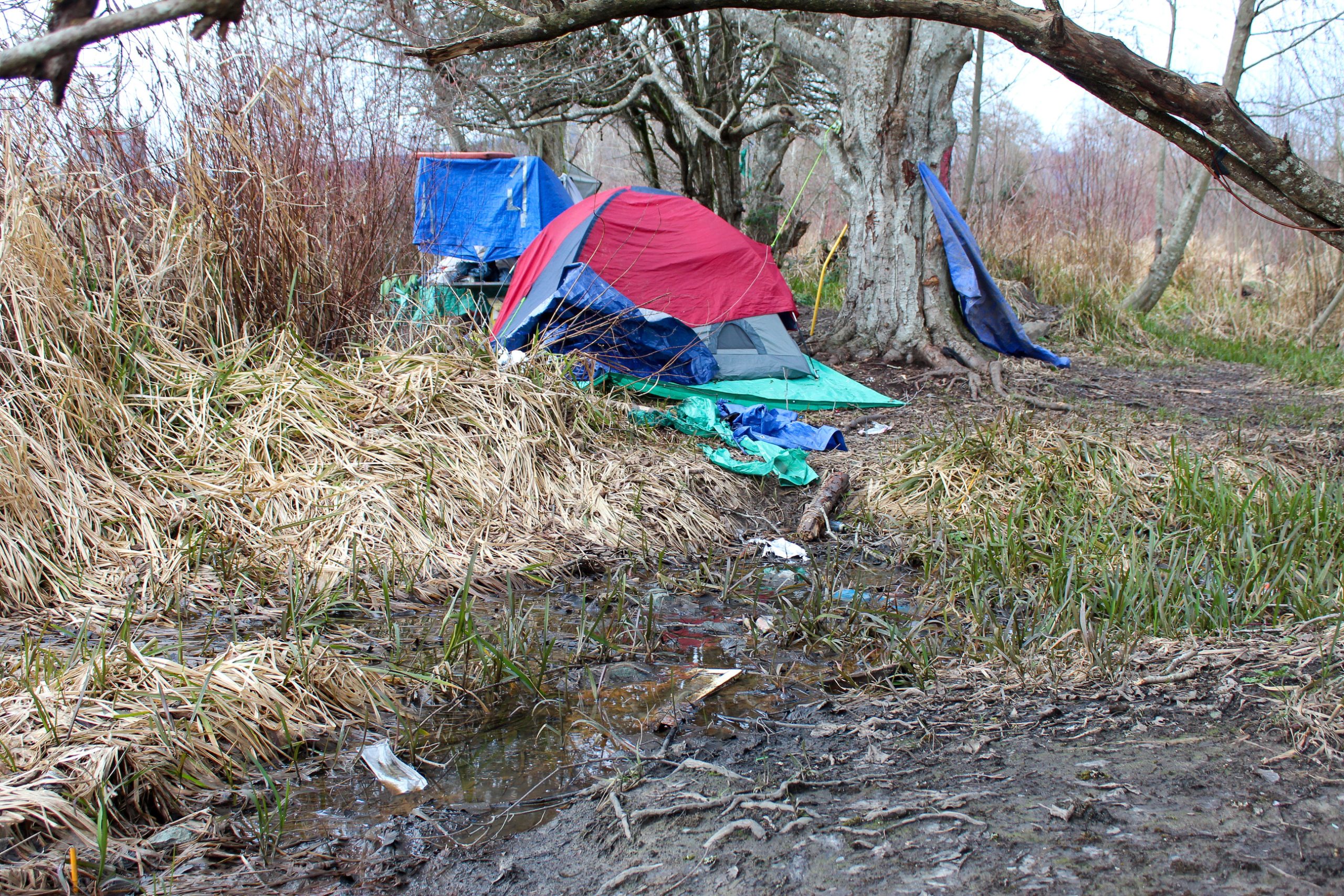
Here’s how Cowichan Valley’s municipal candidates will respond to the homelessness and mental health crises
Cowichan Valley’s 2026 candidates share how they’d respond to issues related to homelessness, mental health and addiction.