
Cowichan federal election candidates answer your questions
From U.S.-Canada relations to the environment, these are the questions our readers had for would-be MPs after April 28
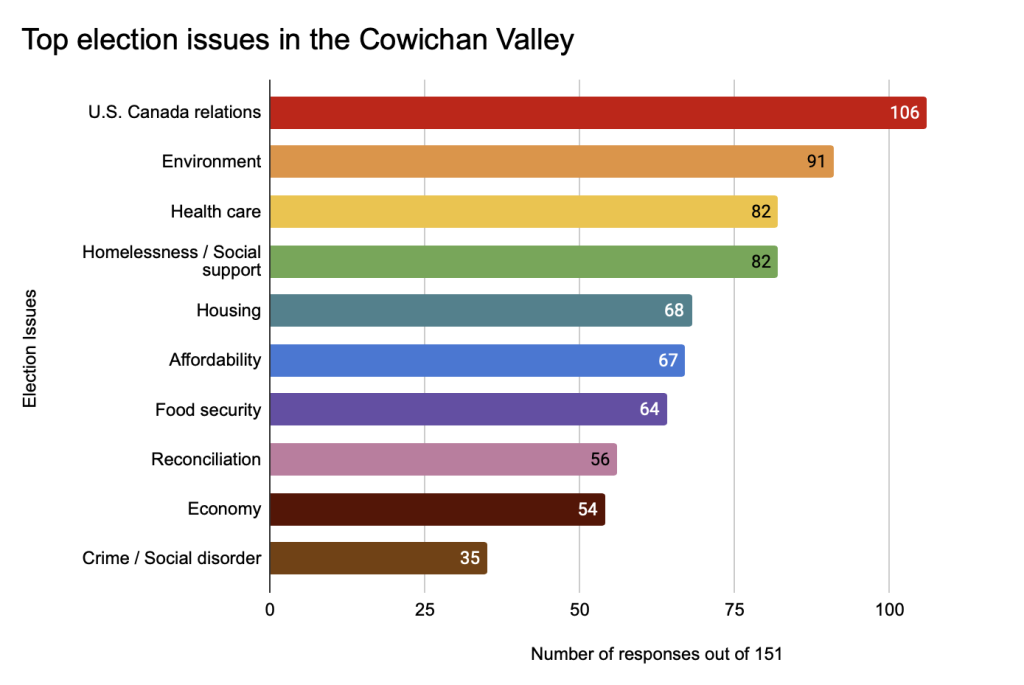
The Discourse asked our readers what issues matter most to them in this April 28 federal election — and 151 people replied.
Top of mind for the most respondents: seven-in-ten listed U.S.-Canada relations among their top voting issues. That was closely followed by the environment, which 60 per cent of respondents said was a priority, as well as health care, social support and housing.
Readers also submitted questions they want us to ask candidates, which we used to craft five questions based on the top issues.
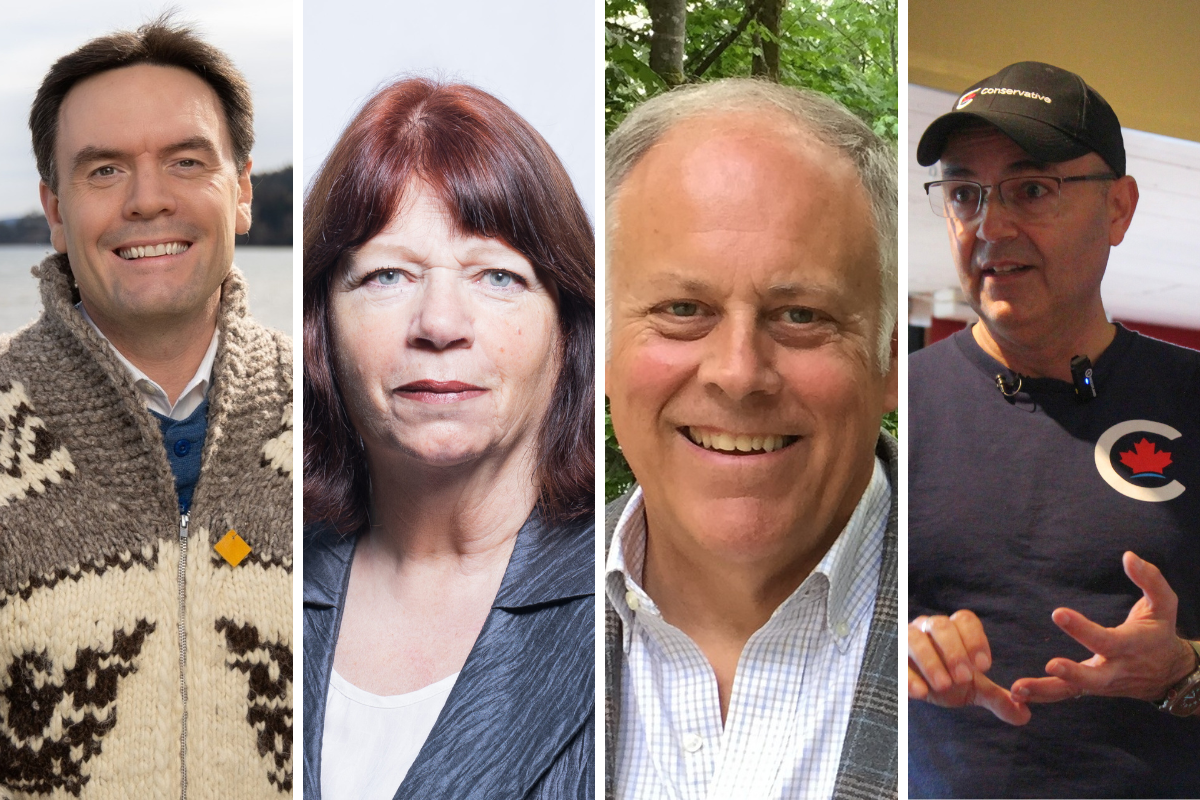
The Discourse reached out to candidates with those five questions, and gave them a week to respond.
Conservative Party candidate Jeff Kibble did not respond to our requests by our publishing deadline. If a response is received, we will update the story.
What the parties are saying about the issues
U.S.-Canada Relations
Liberal Party Leader Mark Carney announced his government would re-invest in the Canadian military by giving a pay raise to Canadian Armed Forces members, securing Canada’s Arctic, establishing a defence procurement agency and helping the country’s defence-sector businesses grow. The Liberals would also expand Canada’s fleet of aerial and underwater drones to increase border surveillance.
The Conservative Party of Canada (CPC) says its “Canada First Economic Action Plan” will boost Canada’s economic activity by half a trillion dollars over the next five years. The party says it compares closely to its fiscal plan used back in 2008 after the global financial crisis. Conservative Party Leader Pierre Poilievre also committed to five demands from the energy sector to end dependence on the U.S. market; those include repealing two environmental laws passed in 2019: Bill C-69 — the Impact Assessment Act and the Canadian Energy Regulator Act; and Bill C-48, the Oil Tanker Moratorium Act.
Meanwhile, NDP Leader Jagmeet Singh said his party plans to protect working- and middle-class Canadians from the U.S.-Canada trade war by improving Employment Insurance, safeguarding jobs with strategic investments and ensuring families don’t bear the cost of tariffs. The NDP also committed to rejecting any Trump-influenced trade deal that threatens Canadian sovereignty, environmental protection or Indigenous rights.
The Green Party of Canada published its “Protecting Canada” plan in February in response to the Trump administration dismantling “critical guardrails and institutions” within the United States. In response to potential tariff hikes on softwood lumber, the Green Party called on the federal government to create a national lumber reserve. The party also launched its foreign policy plan that calls for creating a “new bloc of democratic nations” in response to authoritarian states, and suspending the $80-billion F-35 fighter jet deal with Boeing.
Environment
The Green Party of Canada says it would “hold big polluters responsible for the climate damage they cause” and set strict limits on the country’s total pollution.
The Conservatives said they will eliminate the federal industrial carbon price and not require provinces to implement their own pricing system.
Liberal Leader Mark Carney effectively removed the consumer carbon price after taking office. But his party has committed to keeping the carbon price on industry. The Liberals promised to also create at least 10 new national parks and establish an Arctic Indigenous Guardians program.
The NDP plans to keep the industrial carbon price and implement a carbon adjustment on overseas producers that import goods in the form of important charges and export rebates.
For more coverage on the parties’ commitments to environmental issues, visit The Narwhal’s voter guide.
Health care
The NDP plan promises to create a complete public pharmacare program, require provinces to meet nurse-to-patient ratios, tie federal health transfers to hiring and retention strategies for health-care workers and require provinces to fast-track accreditation for internationally educated nurses.
Reporting from the CBC shows that Mark Carney and the Liberals have committed to “keeping what is in place,” for federal pharmacare and may even expand it in the future.
Pierre Poilievre has vowed to keep and protect pharmacare and dental care if elected.
The Green Party promises to expand health insurance coverage to include mental health care and train and hire more health-care workers to improve wait times.
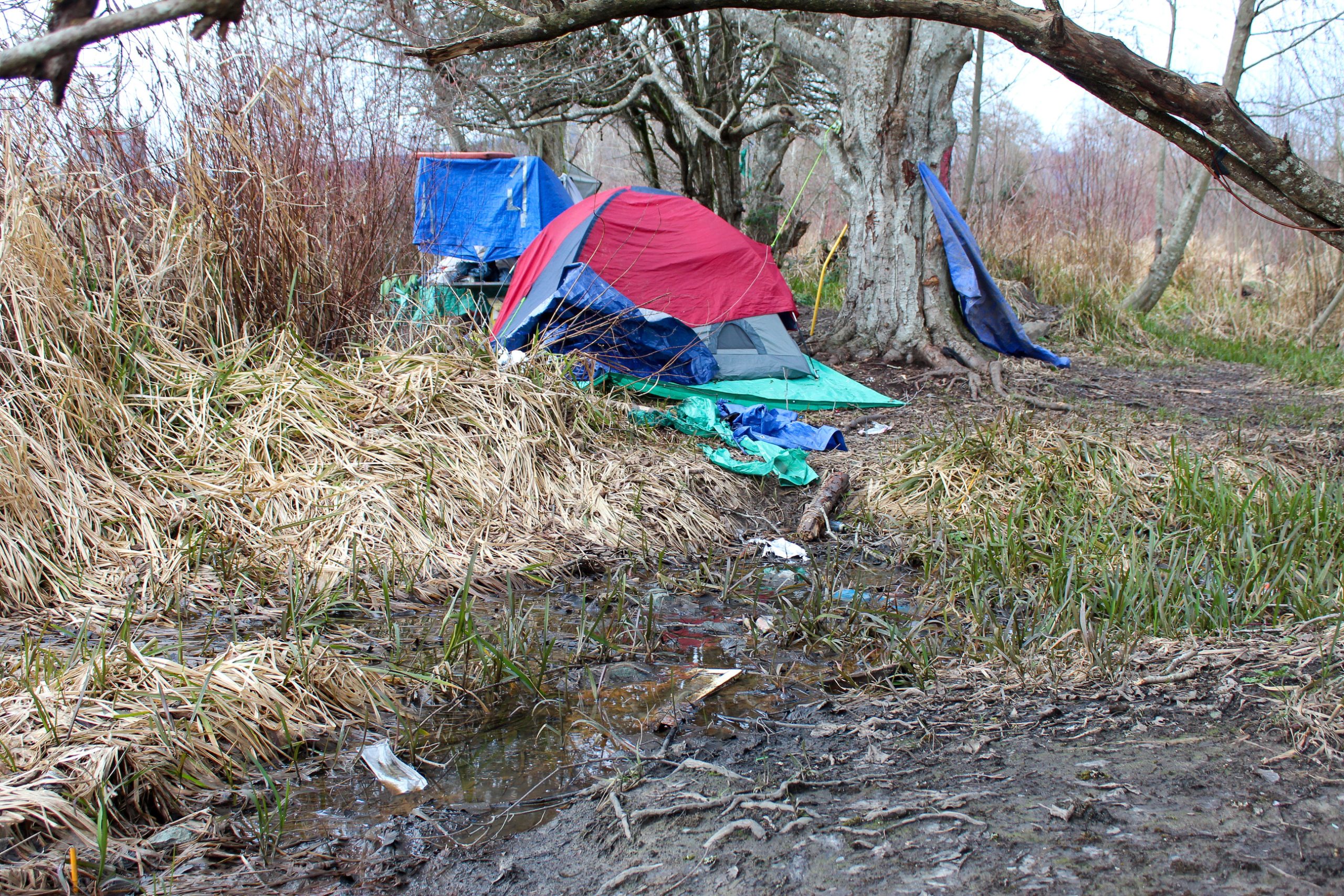
Homelessness / Social supports
Conservatives plan to defund overdose prevention sites to prevent more from opening, and to make sites that already exist harder to operate by restricting where they can be located. The party plans to divert funding from supervised consumption sites and free up funding for addictions care.
The Green Party has called on the federal government to declare homelessness a national emergency and to establish a “national moratorium” on evictions and residential arrears assistance.
The Liberals, meanwhile, pledged to help low-income seniors by boosting the guaranteed income supplement by five per cent, and lowering the minimum amount that must be withdrawn from a registered retirement income fund by 25 per cent.
The New Democrats’ platform doesn’t explicitly call for more support for people experiencing homelessness. But the NDP declared last November that housing is a human right — lamenting the spread of homeless encampments across the country as more people are “forced to sleep in their cars, on park benches and on the streets.” The party demanded more protections for renters “being renovicted from their homes by corporate landlords.”
Housing
The Green Party would use covenants to make sure publicly built housing stays “affordable forever.” They would stop corporations from buying up single-family homes and close loopholes that the party says allow criminals to use real estate to hide “dirty money.”
The Liberals say their housing plan will increase the pace of new construction to 500,000 new homes a year — through $25 billion in financing for prefabricated home builders and $10 billion in low-cost financing to affordable home builders. They would also oversee the creation of Build Canada Homes, a Crown corporation to develop affordable housing at scale on public lands.
The NDP housing plan promises to build three million homes by 2030, including non-market and affordable housing. The party is also calling for stronger renter protections through a Renters’ Bill of Rights to stop renovictions and price gouging. The NDP plan also outlines how cities will be rewarded for quickly building more apartments and townhomes near transit hubs.
The Conservatives’ housing strategy will force cities to free up land for housing developments and cut development charges, which they say will allow for 15 per cent more homes to be built each year. If local governments miss that target, their federal funding would be withheld. Municipalities will also be required to pre-approve building permits for high-density housing around transit stations. The party would also sell 15 per cent of the federal government’s buildings and require that land be used for affordable housing.
Here are the questions we asked
Editor’s note: Candidate responses have been lightly edited for grammar and style.
What will your party do to protect Canadian sovereignty and economic interests? How will your party support local businesses and workers in the Cowichan Valley impacted by U.S. tariffs?
Kathleen Code (Green Party of Canada)
The Green Party’s Protecting Canada plan will protect workers, farmers and businesses through a number of strategic initiatives. It contains a full range of international, border, defence, economic and legal remedies designed to protect Canadians. We propose the creation of an economic NATO, offering a safe haven for the UN HQ, closer ties with the EU and recognizing the state of Palestine. We would beef up border security, increase our ship-building and submarine capacities, suspend the $80 billion F-35 acquisition and create well-paying jobs for a 120,000 civilian Federal Home Guard. We propose creating a Federal Strategic Reserve of aluminum, steel, lumber, rare earth and potash so that we can build public housing, etc. for Canadians. We would guarantee strong financial support for small- and medium-sized businesses impacted by tariffs and other American threats.
Blair Hebert (Liberal Party of Canada)
Firstly, the U.S. tariffs are a violation of trade agreements and require serious trade and economic responses. I support dollar-for-dollar retaliatory tariffs aimed where they will be felt the hardest in the United States with the least impact in Canada. Secondly, and at the same time, we need to boost investment and support Canadian workers. Working with the business community and other levels of government, I will explore ways to diversify trading relationships and build new sources of jobs and growth based on our natural resources, our talented people and their innovation. Removing barriers to internal trade, alone, would lower prices for consumers by reducing trade costs and would expand our economy by up to $200 billion.
Alistair MacGregor (New Democratic Party)
Like many in our communities, I have felt betrayed by a country that was supposed to be one of our closest friends and allies. We must fight back using every tool that we can, ensuring workers, industry and small businesses are looked after in every part of our country. With almost 10 years of experience serving my constituents, I, along with my NDP colleagues, will defend Canadian workers and businesses by implementing a federal Buy Canadian, Build Canadian policy, and bring together all levels of government, industry and business to develop a National Industrial Strategy aimed at boosting critical domestic manufacturing capacity. The NDP is committed to providing our workers a robust and easy-to-access Employment Insurance system that is there to protect them, and we’ll invest in skills training, apprenticeships and job transition plans so people can find good jobs close to home.
How will you improve Canada’s health care system, particularly mental health services, addictions treatment, senior care and reducing wait times? How will you advocate for this locally, given our area’s significant doctor shortage and, in some communities, no physicians at all?
Kathleen Code (Green Party of Canada)
The Green Party’s answer is simple: universal health care that includes dental, mental, substance abuse and seniors care. We care about people and that means all people in our society, leaving no one behind. Reducing wait times and attracting medical professionals to rural communities involves training more medical professionals and ensuring they have access to free education. We cannot expect young people to take on such enormous debt when starting out in their chosen careers. Ensuring people get the right medical treatment at the right time reduces taxpayer cost in the future.
Blair Hebert (Liberal Party of Canada)
One of the key components to an improved health care system is access to physicians. Locally, I am keeping my eye on the health care model being tested by the City of Colwood. Hats off to Colwood for thinking outside the box! As an MP, I would support more of this kind of thinking. A second initiative is for municipalities to “grow their own” doctor. This involves identifying students that express an interest in entering the medical profession and supporting them through their post-secondary education in return for service to their community.
Alistair MacGregor (New Democratic Party)
Canadians are proud of public healthcare and the idea that no matter where you live, you can count on care. But right now, nearly seven million Canadians don’t have access to a family doctor, and 2.5 million Canadians aren’t getting adequate care for their mental health challenges. Closing the gap by 2030, New Democrats will ensure that every Canadian has access to primary care by increasing transfers to provinces by one per cent above current projected increases, streamlining the process for American doctors to come to Canada and adding 1,000 additional residency positions each year for qualified, internationally trained doctors already living in Canada. Seniors need to be protected with enforceable long-term care standards guaranteeing level of care under a new Safe Long-Term Care Act. In addition, we will fight for ensuring mental health care is covered under the Canada Health Act, expand the national pharmacare program and provide additional funding to provinces and territories to improve mental health services with clear goals, accountability and transparency.
What approach would you take to address homelessness, recognizing its connections to mental health, addiction, affordability and the need for social supports (Eg. what is your stance on the harm reduction model, involuntary care, increased policing, etc.)? Will you support a dedicated addictions treatment centre in the Cowichan Valley, funded by both federal and provincial governments?
Kathleen Code (Green Party of Canada)
The Green Party plans a comprehensive home-building program to build millions of affordable public housing units across the country. The covenanted housing would stay within the public purview and out of the grasp of predatory investors. We would build housing that suits the community and is culturally appropriate for Indigenous communities. Yes, we support wrap-around services for dedicated addictions treatment centres, including housing, treatment, counselling, safer supply and safe consumption sites, so people don’t have to access the toxic illegal drug market.
Blair Hebert (Liberal Party of Canada)
The topic of affordable housing is discussed in another question, so I am focusing this response on the question related to addictions. I believe in a treatment-centered and evidence-based approach to addictions. When people who use drugs decide they want to make a change and commit to a treatment plan, I want to ensure that there is a place available to them versus being put on a waitlist that only puts them at greater risk. A Liberal government will introduce a comprehensive strategy to address substance use to end the opioid crisis, invest $500 million to support provinces and territories in providing access to a range of treatments and support provinces and territories in creating standards for treatment programs so Canadians can access quality and evidence-based support when they need it.
Alistair MacGregor (New Democratic Party)
More people than ever before are struggling with their mental health, but care and treatment can be expensive, and waitlists in the public system are months long. Nearly every family has struggled — or knows a family who has. Everyone I speak to in our riding understands and witnesses the intersection of homelessness, poverty, mental health and addictions. This crisis needs to be declared as a national public health emergency to allow for dedicated federal resources to invest in treatment, eliminate wait times for mental health emergencies, support on-demand recovery services and provide for dedicated mental health support teams that can accompany police and help people on the street. In addition to supporting a dedicated addictions treatment centre in the Cowichan Valley, I would also follow through with my national strategy on brain injuries, which would provide another important legislative framework for dedicated federal mental health resources.
Climate change-related weather events, such as droughts, floods and extreme weather, are becoming more common in the Cowichan Valley. They impact everyone from First Nations communities to food producers, recreationists, ecosystems and wildlife, the tourism industry and community members in their everyday lives. What policies would you support to help protect our communities’ natural environment and become more resilient to climate change?
Kathleen Code (Green Party of Canada)
First, we must permanently protect our old-growth forests and intact ecosystems and build up others. We must learn to view our forests not as stands of fibre but as places of recreation, biodiversity, wildlife habitat and producers of clean air, water and human health. We would encourage a new forest management paradigm that features selective tree harvesting instead of clear cutting, land destruction and tree plantations. Farmers must be better supported in terms of land acquisition and practices, farm expenses and withstanding the onslaughts of destructive weather systems.
Blair Hebert (Liberal Party of Canada)
If you look back at my election platform from six years ago, what prompted me to enter politics was the environment and the economy. Right now, when Canadians are anxious about the Trump tariffs, the last thing on their minds might be the environment. I ask that we not lose sight of this priority. I consider my impact on the environment with my own day-to-day actions and ask you to do the same, e.g. returning cans and bottles, using recyclable bags, upcycling clothes and shopping locally. Small actions matter. On a larger scale, I support the development and education of programs and policies that encourage and reward Canadians and Canadian businesses for making green choices. The Greener Homes Loan program, for example, is an existing program that incentivizes Canadians to make their homes more energy efficient.
Alistair MacGregor (New Democratic Party)
Folks in our riding are doing their part to fight the climate crisis and they deserve a federal government who does its part too, to protect our air and water. Locally, efforts to get the Cowichan River weir project completed is a great example of the community coming together and making great progress. We have a plan to fight the climate crisis, make life more affordable and create good jobs. We support free and easy-to-access home-energy refits, the elimination of handouts to Big Oil, making big polluters pay for their pollution, investing in climate adaptation and disaster preparedness and creating good-paying jobs by investing in clean energy, energy efficient affordable homes, electric transit and zero-emission vehicles. Let’s also give our communities hope by creating a youth climate corps and supporting environmental justice, including passing an Environmental Bill of Rights and establishing an Office of Environmental Justice.
In 2021, the average price of a home in the Duncan/North Cowichan area was $489,000, and rent for a one-bedroom unit was $897. Today, the average house sells for $727,000 — up nearly 50 per cent — and a one-bedroom unit rents for $1,035, up 15 per cent on average. If elected, how would your government create more housing, bring down housing prices and stabilize rent costs in the Cowichan Valley?
Kathleen Code (Green Party of Canada)
Housing is a human right. We would work with all levels of government to produce public housing units that would be outside the grasp of predatory investors. Rents and mortgages would be limited to 30 per cent of regular income and housing would be customized to suit the intended community. We are proposing a Federal Strategic Reserve of resources such as lumber, steel and aluminum so that we can use our products for our domestic needs, including housing projects. Redirecting corporate subsidies to public programs ensures that taxpayer money can be used for the people.
Blair Hebert (Liberal Party of Canada)
A new Liberal government will double the pace of construction of affordable homes to almost 500,000 homes annually, creating a positive economic spin-off by partnering with builders for the construction of projects and supporting apprenticeship opportunities to grow our trades workforce. During and after the Second World War, Canada faced a massive housing crisis. In response, the Liberal government of the day built tens of thousands of affordable homes for returning veterans and their families. Canada has solved a housing crisis before, and we can do it again. Skyrocketing rents are often the product of supply and demand. Without enough housing supply, landlords can ask for sky-high rent prices. The Liberal investment will increase the housing supply which should drive down rents.
Alistair MacGregor (New Democratic Party)
Canada has lived with a perpetual affordable housing crisis for many years now, as too many Canadians are being forced to give up their dream of having a home that they can afford. The financialization of housing has treated mortgages, houses and apartments as vehicles for investment, and the policies of successive Liberal and Conservative governments over the last four decades have not helped address this trend. But we have solutions. We can start building on public land to build over 100,000 rent-controlled homes. We will support non-profits, co-ops and Indigenous communities to build housing. And we will use Project Labour Agreements to support good family-supporting jobs during construction. We are also committed to banning corporate landlords from buying affordable housing, fast-tracking and expanding the federal Rental Protection Fund and helping community-led organizations keep housing affordable.
Have more questions about the April 28 election? Head over to our 2025 Cowichan Valley voter guide for information on how to vote, local election coverage and a list of election-related events to learn more.
What did you think of this story?
Your feedback after we publish a story helps ensure we're always improving our reporting to better serve you
Author

Related Articles

Voting in the 2026 Cowichan Valley local elections? Here’s what you need to know
Where, when and how to cast your ballot in North Cowichan, Duncan, Ladysmith, Lake Cowichan and the Cowichan Valley Regional District for the 2026 local elections.

Cowichan Valley candidates on protecting the community from climate change
Candidates in Duncan, North Cowichan, Ladysmith and Lake Cowichan share the steps they’d take to protect the community from the impacts of climate change.
Here’s how Cowichan Valley’s municipal candidates will respond to the homelessness and mental health crises
Cowichan Valley’s 2026 candidates share how they’d respond to issues related to homelessness, mental health and addiction.