
Flooding, wildfires and earthquakes: Can the Comox Valley better prepare for disasters?
After being in an earthquake, Sue Pyper learned a lot. Now she and other local groups are sharing what they learned with neighbours — so everyone can be better prepared.
Sue Pyper never spent much time thinking about earthquakes — until she found herself startled awake by a big one.
The Comox Valley-based musician and artist was visiting Los Angeles for a vacation on Oct. 1, 1987, when a deep rumbling woke her up in the early morning.
“I wasn’t really expecting to be on holiday and being shaken around like I was in a tin can,” she said.
Known as the Whittier Narrows Earthquake, the 5.9-magnitude temblor on a previously unknown fault line that killed eight people, wounded hundreds, and damaged more than US$350 million of property.
Pyper said she felt lucky to come out of the disaster physically unharmed.
But nearly 40 years later, she will never forget her feelings of disorientation as the ground violently shook and windows shattered around her.
It left her anxious to learn about how to be prepared if she ever gets caught in one again.
“The irony,” she told The Discourse, “is that I’ve moved to a place that has the potential for really big earthquakes.”
According to Earthquakes Canada, an agency within the federal natural resources department, the Pacific coast is the country’s most earthquake-prone region.
That’s due to its proximity to active faults — breaks in the earth’s crust.
Faults divide the Earth’s plates, which fit together like puzzle pieces that make up the earth’s crust. Those tectonic plates are constantly moving, at roughly a few centimetres a year. And as they shift, they can move apart, collide, or slide past one another.
Canada’s West Coast, including Vancouver Island, is one of the few areas of the world where all three of these types of movements can take place.
It results in significant earthquake activity, along with the risk of tsunamis they can cause along the coast.
And although the Comox Valley is unlikely to get a tsunami compared to Vancouver Island’s Pacific shores, the area is no stranger to the dangers of seismic disaster.
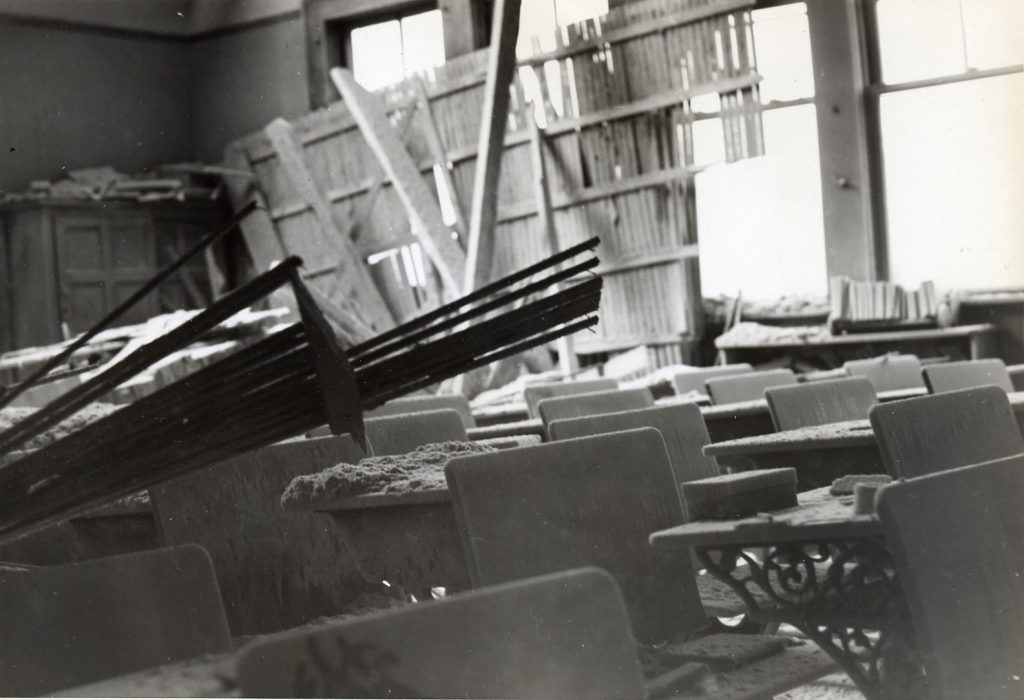
In 1946, a 7.3-magnitude earthquake struck the Comox Valley. It caused significant damage.
And Canada’s largest earthquake ever reached a magnitude 8.1, near Haida Gwaii just three years later.
That one was even larger than San Francisco’s infamous 7.9-magnitude earthquake in 1906, which left an estimated 3,000 dead.
According to Earthquakes Canada, in 1946 a nearly 500-kilometre segment of the Queen Charlotte Fault broke as a result of the event.
Earthquakes not the only risk in Comox Valley
In the Comox Valley, earthquakes aren’t the only potential disaster to prepare for.
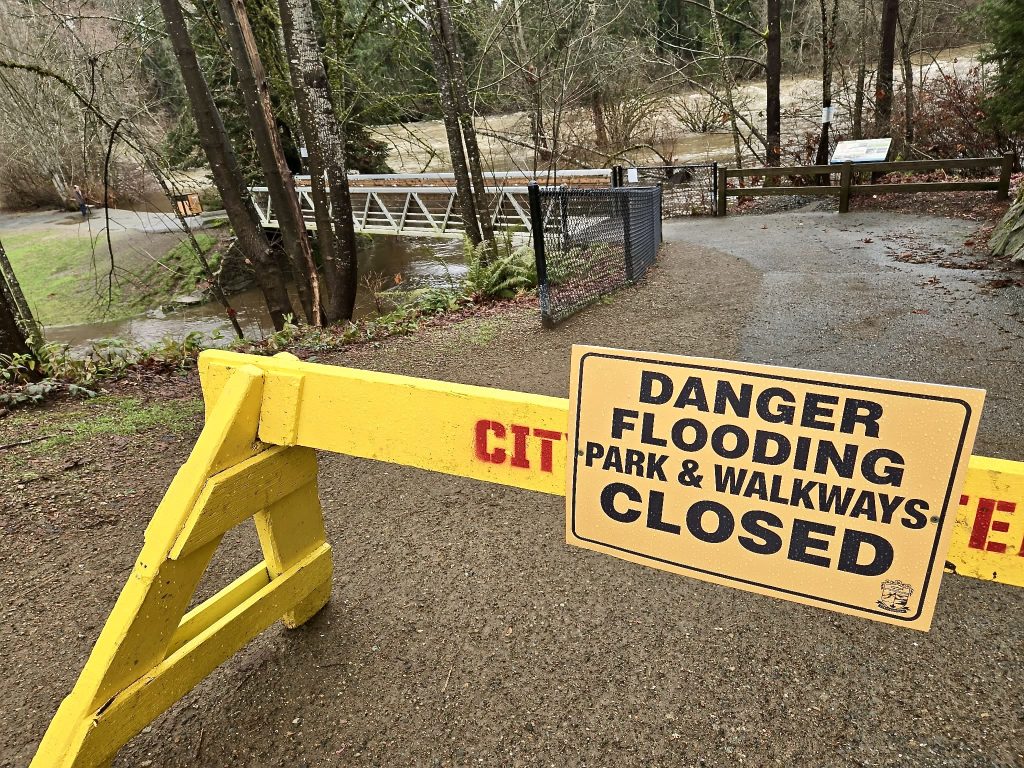
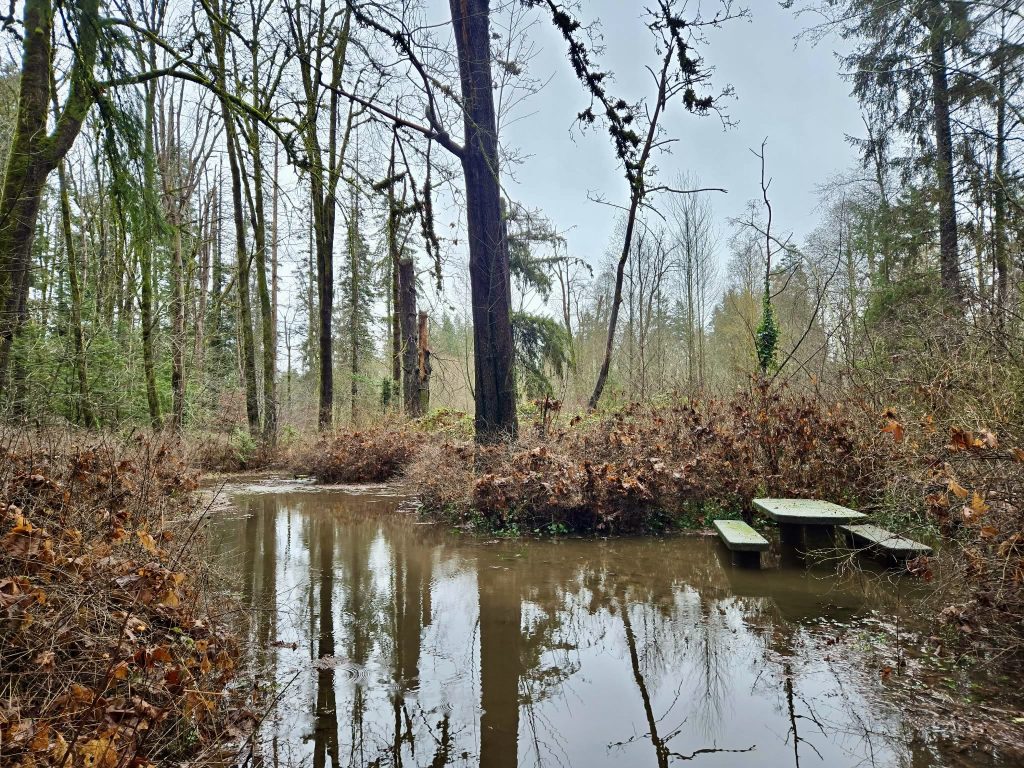
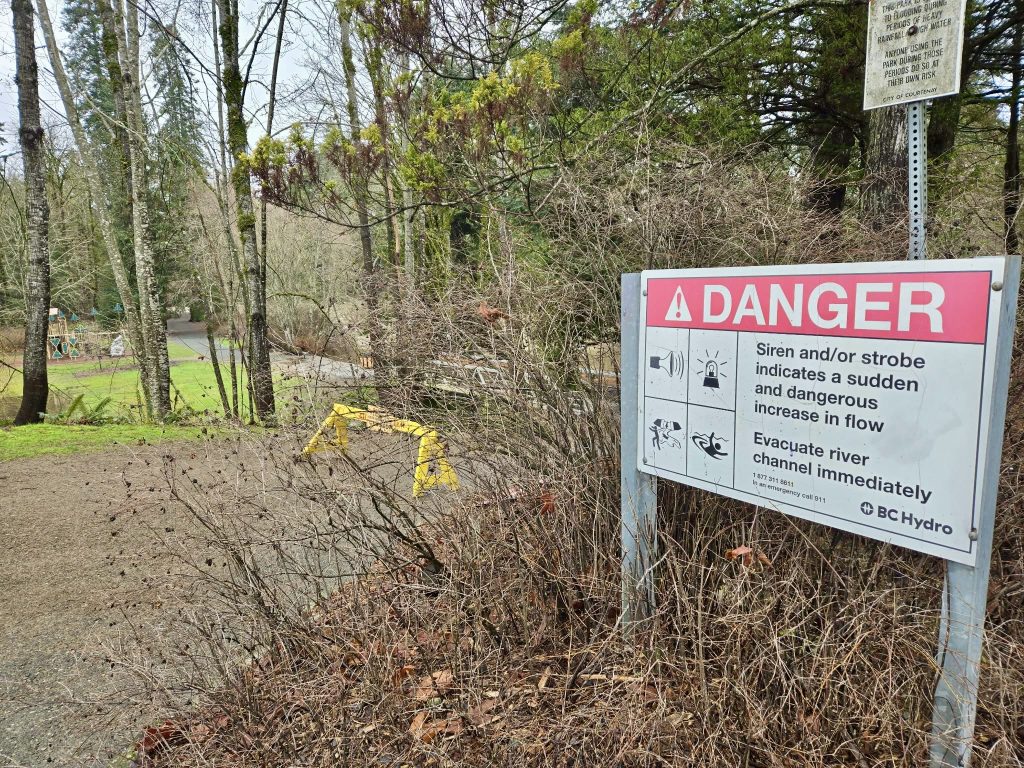
The community was recently hit with heavy rains that resulted in a state of emergency on Jan. 30 due to flooding.
The Comox Valley Regional Emergency Operations Centre ordered the evacuation of Maple Pool Campground and a few other properties.
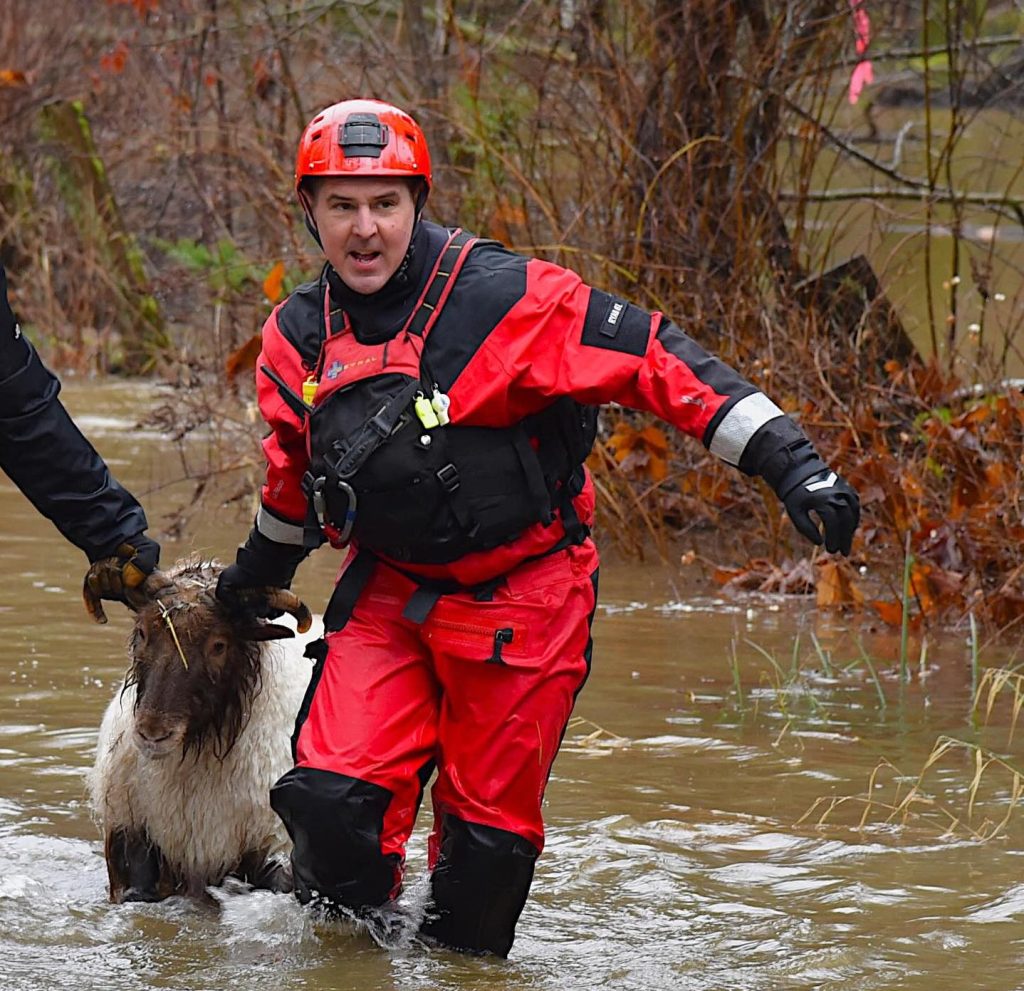
And Comox Valley Search and Rescue sent teams to help rescue 11 people, five dogs, one cat and four sheep from flooded areas.
Authorities also declared states of emergency in 2009 and 2014 after heavy rains caused flooding, evacuating parts of the community and forcing a bridge to close.
Because Courtenay is partially built on a floodplain, it’s no surprise such events are frequent in the area.
But in summertime, drought and extreme heat are also concerns, and the city’s surrounding forests and tree farms put the Comox Valley at high risk of wildfires, too.
In the province-wide heat dome emergency of 2021 — when temperatures shattered all-time records — 619 British Columbians perished, including 55 victims in the Island Health region, according to the B.C. Coroner’s Service.
To top it off, Environment and Climate Change Canada forecasts that 2026 will be one of the hottest years on record, increasing the likelihood of heat-related emergencies.

Emergency preparedness across Canada
For Pyper, understanding what emergencies and hazards may exist in the Comox Valley has become more and more important to her.
“We do live in a challenging place,” she said.
She’s far from alone. A growing number of Canadians are also thinking about emergency preparedness.
In 2023, Statistics Canada asked adults across the country about how prepared they felt for emergencies.
More than two-thirds responded that they have taken steps to prepare — most commonly by stocking up on food and emergency lighting.
And more than half of households said they have stocked up on enough water to last three days; 53 per cent said they stocked up on medication; and 51 per cent said they kept extra cash on hand.
Some people also have battery-powered radios and back-up power generators.
In rural areas, Canadians were much more likely to report having a portable generator — 36 per cent in rural areas, more than double the number in urban areas.
Start small and simple
Although roughly one-third of Canadians told the Statistics Canada survey they stocked up on high-tech gear such as battery powered radios, many said they struggle with the amount of preparation involved amidst their already busy lives.
Two months ago, The Discourse asked local residents of the Comox Valley on Reddit how they are preparing for emergencies.
“Whenever I think about this kind of emergency prep,” replied Courtenay resident Lindsay Leong, “I get so overwhelmed by the sheer amount of stuff I would need to buy and then find space to store, and rotating expiry dates that I give up.
“I wish it didn’t feel so daunting.”
But Cari McIntyre, manager of Comox Valley Emergency Management, told The Discourse that community members can start small when it comes to emergency preparedness.
Her agency is a regional service that provides emergency services and support to the region.
It is administered by the Comox Valley Regional District, and works in partnership with the City of Courtenay, Village of Cumberland, Town of Comox and K’ómoks First Nation.
“Although preparedness looks different for everyone, it doesn’t have to be expensive or completed all at once,” McIntyre said.
“Many of the most meaningful steps [are things like] like making a plan, storing water, organizing important documents or connecting with neighbours — things that cost little or nothing.”
One common gap McIntyre has seen in people’s plans is that many forget to consider how they will reconnect with loved ones if communication networks are disrupted.
“Creating a simple plan with family, friends, and neighbours can reduce stress and help people feel more grounded during uncertain moments,” she said.
Planning ahead — before disaster strikes — is key. The province offers an online guide for those who want an example of what an emergency plan might look like.
One way to start is to write down hazards most likely to occur in one’s local area, and then writing down where exactly to meet with friends and family if there’s an emergency.
Those hoping to learn more can also take a quiz on the province’s Emergency Management and Climate Readiness blog.
Different plans for different scenarios
How locals should plan ahead depends on where they are located, McIntyre emphasized, and the list of local dangers will vary.
“Each part of the Comox Valley has its own landscape, history and relationship to the land,” she explained, “which means different communities experience different types of hazards.”
While floods have been frequent in the area, officials believe an earthquake could post an even greater hazard.
The Comox Valley Emergency Management Public Plan ranks earthquakes as the highest hazard for all the Comox Valley, followed by flooding.
But specific areas face their own risks, for instance from other major hazards such as power outages, wildfires, aircraft crashes, and hazardous spills.
More specific locations within the Comox Valley and their risk scores can be found on page 13 of the document.
Another factor to consider when preparing is what type of shelter you have. McIntyre said people who have insecure housing or are unhoused face a higher risk of exposure to temperature extremes, weather events and other dangers during emergencies.
“Emergency Support Services and warming/cooling centres are activated during significant events to provide safe spaces, basic needs and information,” she said.
“These centres are publicized widely and community partners help ensure that people who may not see online notices are informed.”
Comox Valley Emergency Management also offers free emergency preparedness training to the community. Residents can sign up online or request more information via a contact form.
And also importantly, there is a local Emergency Notification System run by Comox Valley Emergency Management, which anyone can sign up for to get important alerts.
Building an emergency kit
For Pyper, ever since she was rattled by an earthquake, she has learned more and more about ways she might become better prepared.
When her friends have told her they don’t know where to start, she offers one simple piece of advice: get a LifeStraw, or other personal water-filtration device.
“You will be helping yourself if you can go to a stream or creek or something and be able to drink safely, which is what a LifeStraw does,” she said, adding the handheld portable devices are relatively inexpensive.
And she agreed with McIntyre that making a plan long before disaster strikes is essential.
There are various templates online to make emergency plans and kits, including an emergency kit supply list, and a page on how to prepare for emergencies on a limited budget.
Pyper has two emergency kits: One in her car, and one at home.
The kit in her car contains a sleeping bag, non-perishable food, tools including a hatchet, a basic first-aid kit, a tarp, zip ties, and emergency blankets.
Meanwhile, her at-home kit is more complex. It includes a portable power station, many USB-powered lights, batteries, and an emergency radio.
But, she added, not all emergency kits need to be quite as extensive or high-tech as hers.
“If you’ve got a little bit more money, or you’ve got a little bit more space or time, every time you go to the grocery store grab a can of beans or grab a can of something or other and just keep it,” she said.
“When it’s six months away from expiring — because a lot of them have a very long shelf life — I then donate to the food bank so at least it doesn’t get wasted.”
Pyper said she feels safer knowing she has steps in place, no matter what happens.
She hopes people learn how easy it can be to start preparing ahead.
“The funny thing about humans is, it’s almost like we don’t want to think about it,” Pyper said. “It’s like if we think about it, it means it’s going to happen.”
But in the decades since her own seismic experience in Los Angeles, she’s realized such an avoidant mindset won’t help when nature shows it’s in charge.
As Pyper recalls the 25 seconds of violent shaking she felt in 1987, she said it felt like the longest 25 seconds of her life — not to mention the series of seismic aftershocks that followed.
“It was very, very disconcerting how powerful nature is,” she recalled.
“But it sort of comforts me to think, ‘OK, well I have some things in place and I can survive.’”
Now, she hopes to share some of what she’s learned with her wider community.
What did you think of this story?
Your feedback after we publish a story helps ensure we're always improving our reporting to better serve you
Author

Related Articles
Courtenay mayoral candidates on water conservation strategies amid worsening drought conditions
For the second time this year, Courtenay residents see Level 3 water restrictions, days before the Oct. 17 municipal election.

Comox Valley local candidates on housing affordability
Candidates in Courtenay, Comox and Cumberland share how they’d support housing affordability and increase the supply of affordable housing.

Comox Valley candidates on supportive housing, second-stage housing and warming centres
Candidates in Courtenay, Comox and Cumberland share how they’d support adding supportive housing beds, second-stage housing and warming centres.